Texas mammals

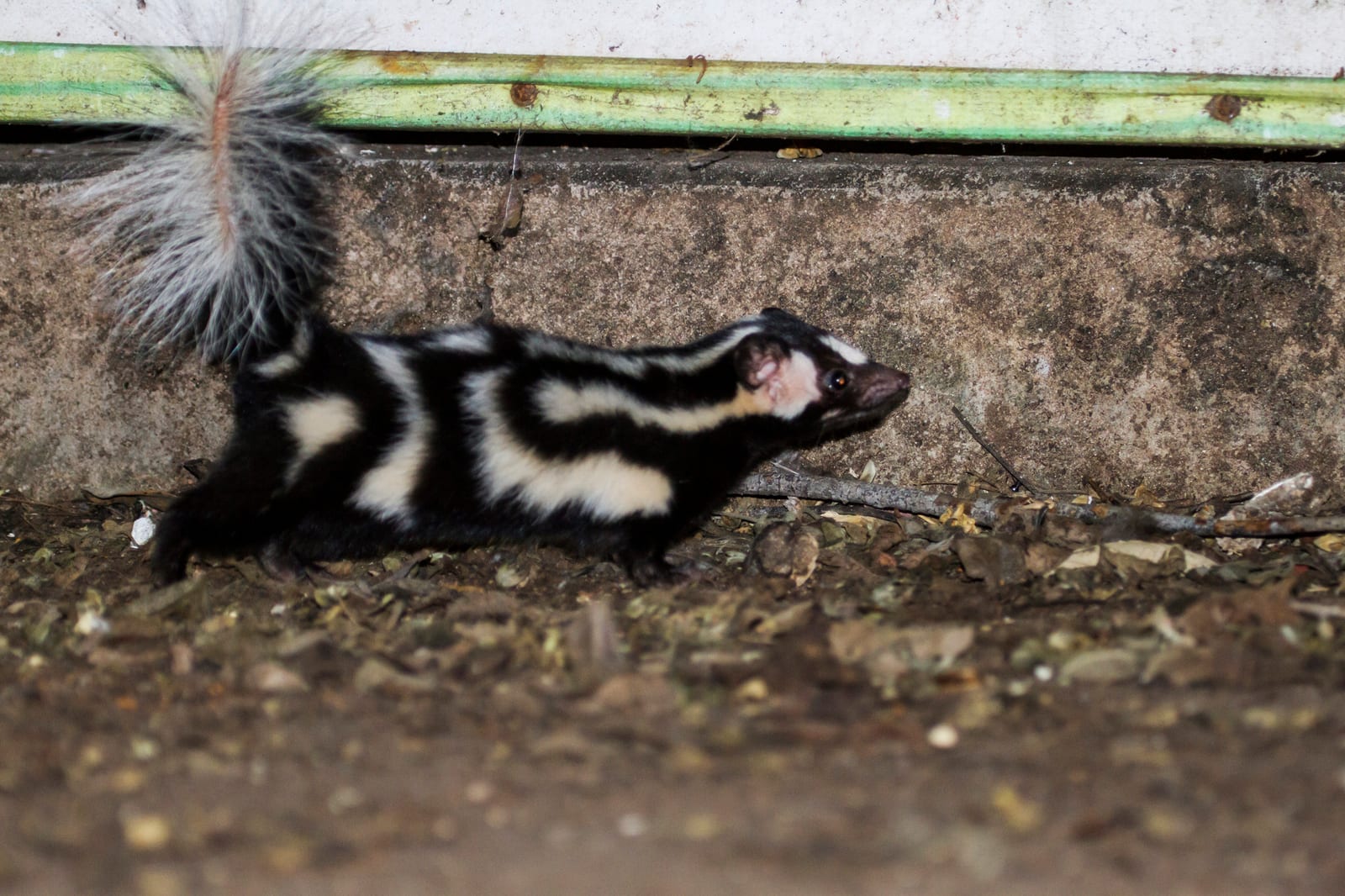
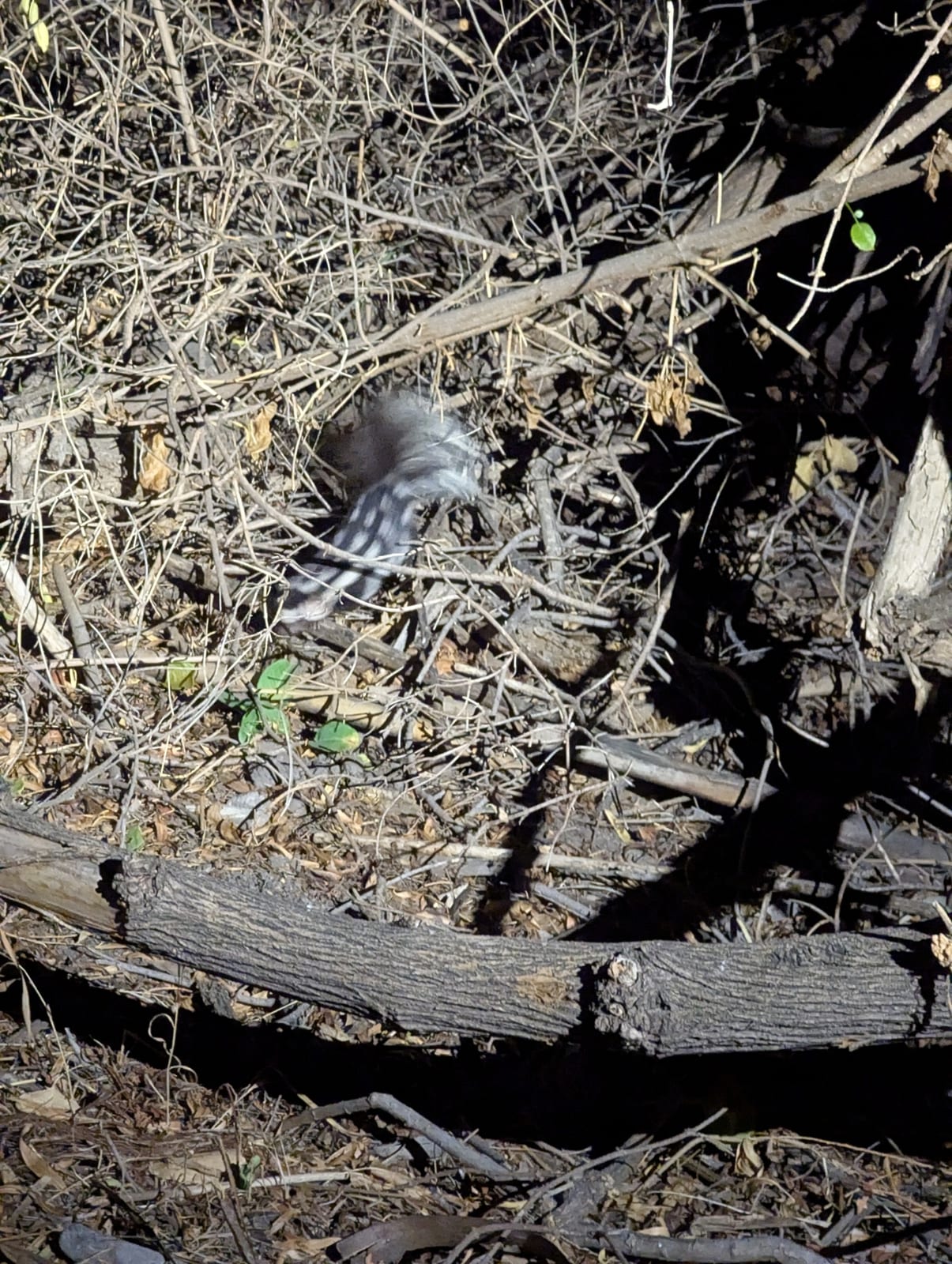
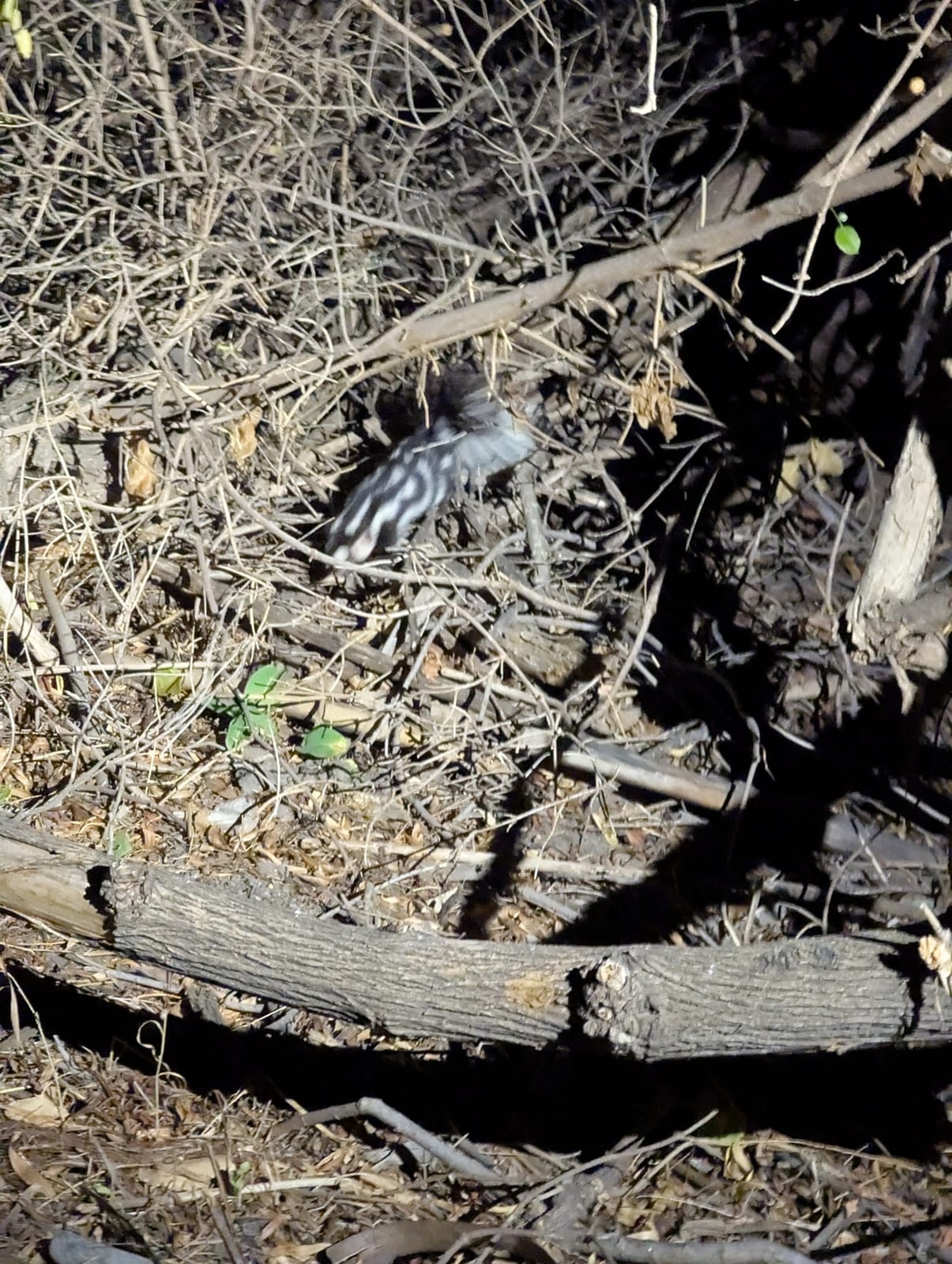
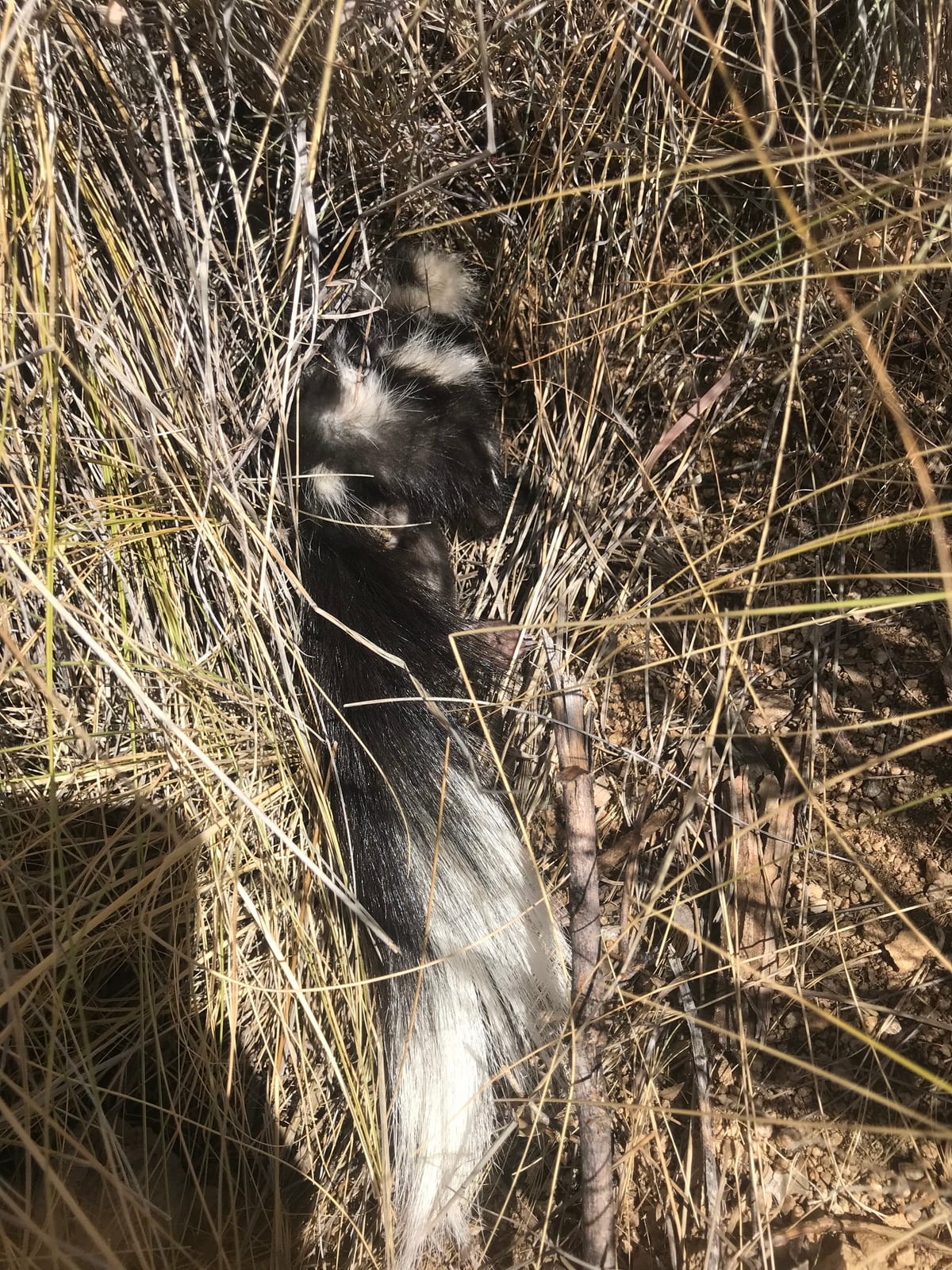
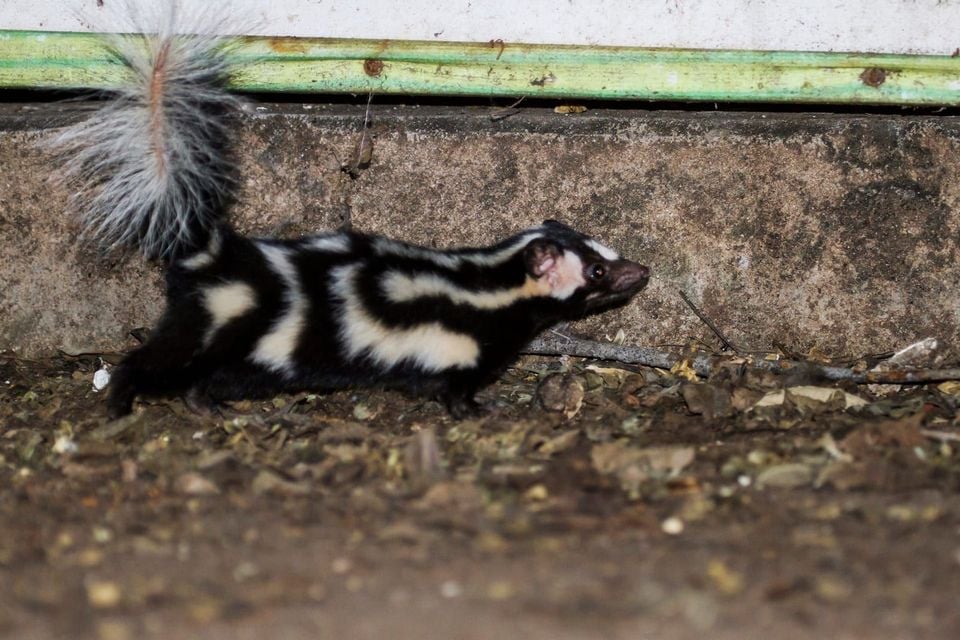
Desert Spotted Skunk in Texas

Spilogale leucoparia

Native to Texas S5 Secure in Texas

Not listed as nonindigenous in Texas by USGS NAS; native to its Texas range.

IUCN Red List status

NE – Not Evaluated

Not yet assessed against IUCN Red List criteria.

Desert Spotted Skunk in Texas, by the numbers

Occasional in Texas 95th most recorded of 197 mammals logged in Texas

72 occurrence records

Records from 2000–2026.

When to look for the Desert Spotted Skunk in Texas

Most sightings fall in August.

72 Texas occurrence records (iNaturalist and GBIF) by month of year, 2000–2026. Shows when the species is recorded, not a guarantee of presence.

Monthly Texas records (table)
MonthRecords
January2
February4
March4
April2
May6
June7
July10
August18
September10
October6
November3
December0

Monthly desert spotted skunk occurrence records (iNaturalist and GBIF) in Texas, 2000–2026.

Seasonality

Year-round in Texas, with recorded sightings peaking in August.

Occurrence map

Where Desert Spotted Skunk has been recorded in Texas

72 records mapped · zoom and drag to explore

72 Texas records mapped

Notable places to look

Park, forest, or monumentiNaturalist records
Kerr Wildlife Management Area 2
Mason Mountain Wildlife Management Area 2
Big Bend National Park 2
Amistad National Recreation Area 1
Big Bend Ranch State Park 1
Elephant Mountain Wildlife Management Area 1

Protected places with the most desert spotted skunk sightings, from the USGS Protected Areas Database plus named mountain ranges, good spots to look, not a full breakdown, so they don't sum to the total.

Where it's recorded in Texas

CountyRecords
Glasscock County 10
Tom Green County 9
Kerr County 6
Jeff Davis County 5
San Saba County 4
Travis County 4
Brewster County 4
Bexar County 3
Edwards County 3
Comal County 3
Culberson County 3
Hudspeth County 2
11 other counties 16

The complete county distribution, spread across 23 Texas counties. Every occurrence record falls in one county, so these sum to the total. Counties from GBIF and US Census boundaries.

Every one of the 72 Texas records for this skunk comes through GBIF, with zero iNaturalist observations, an unusual split that points to museum and survey specimens doing all the documenting rather than anyone actually photographing a live animal. That fits a small, secretive, entirely nocturnal predator that spends its day underground or in rock crevices and rarely crosses a camera trap, let alone a hiking trail.

Records cluster in the refuge country of the central Gulf Coast, including Aransas National Wildlife Refuge and Padre Island National Seashore, with reports peaking sharply in August. NatureServe ranks the species secure (S5) in Texas, so the late-summer bump likely reflects survey timing rather than any real change in how many skunks are out there.
Occurrence data from GBIF.

Desert Spotted Skunk in other states

More mammals in Texas in the atlas

Data & sources

The data and visualizations on this page draw on these open sources:

  • GBIFCC-BY 4.0occurrence records behind the range map, elevation, and record counts
  • iNaturalistCC0 / CC-BY / CC-BY-SAobservations, photos, and audio recordings
  • NatureServe ExplorerCC-BYthe state conservation rank
  • IUCN Red Listattributed factthe global conservation status
  • USGS NASpublic domainnative / introduced status
  • Natural Earthpublic domainthe relief basemap
  • USFSpublic domainnational-forest boundaries
  • USGS Protected Areas Databasepublic domainthe named parks, forests, and refuges behind "notable places to look"




