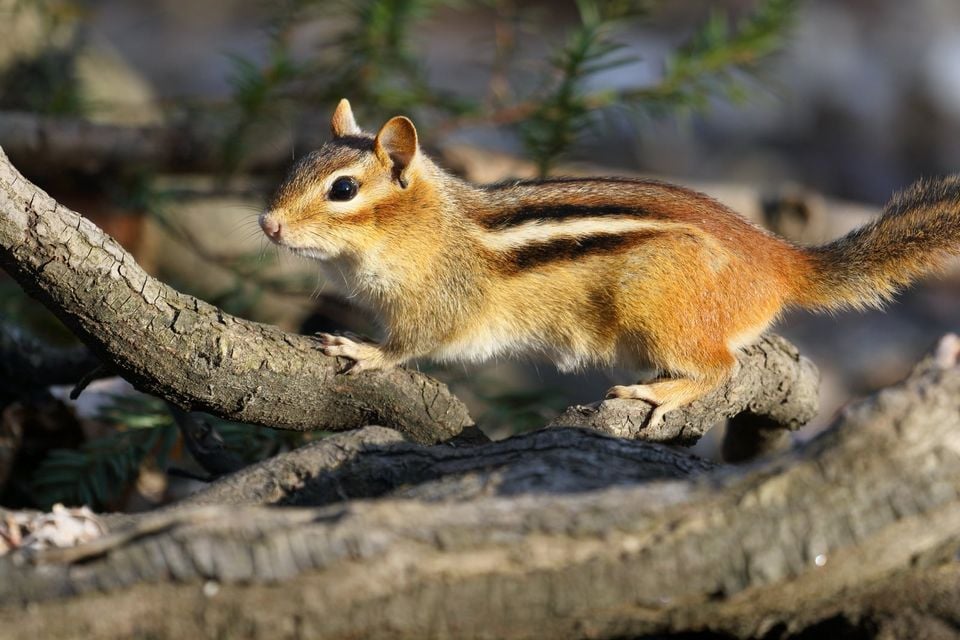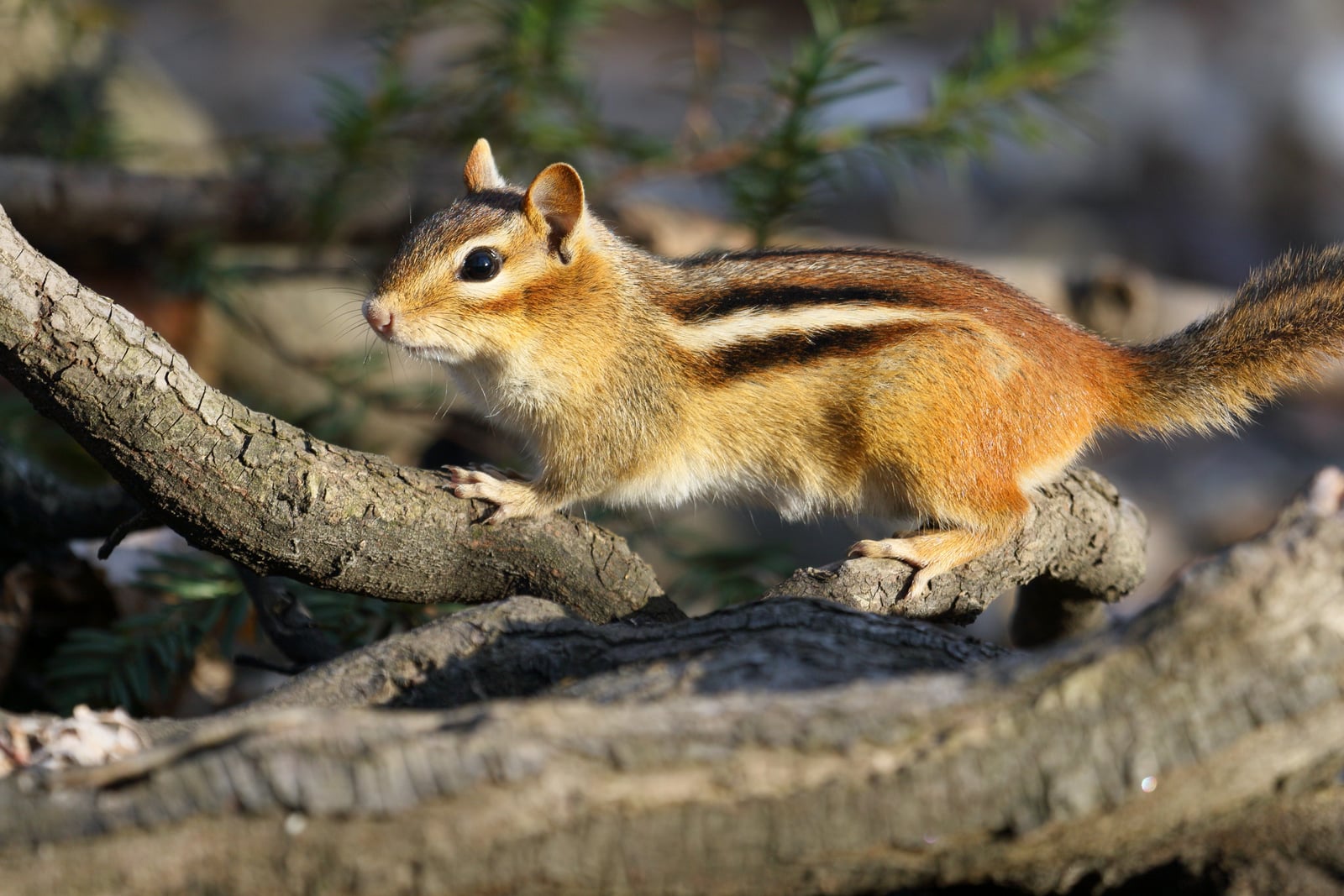
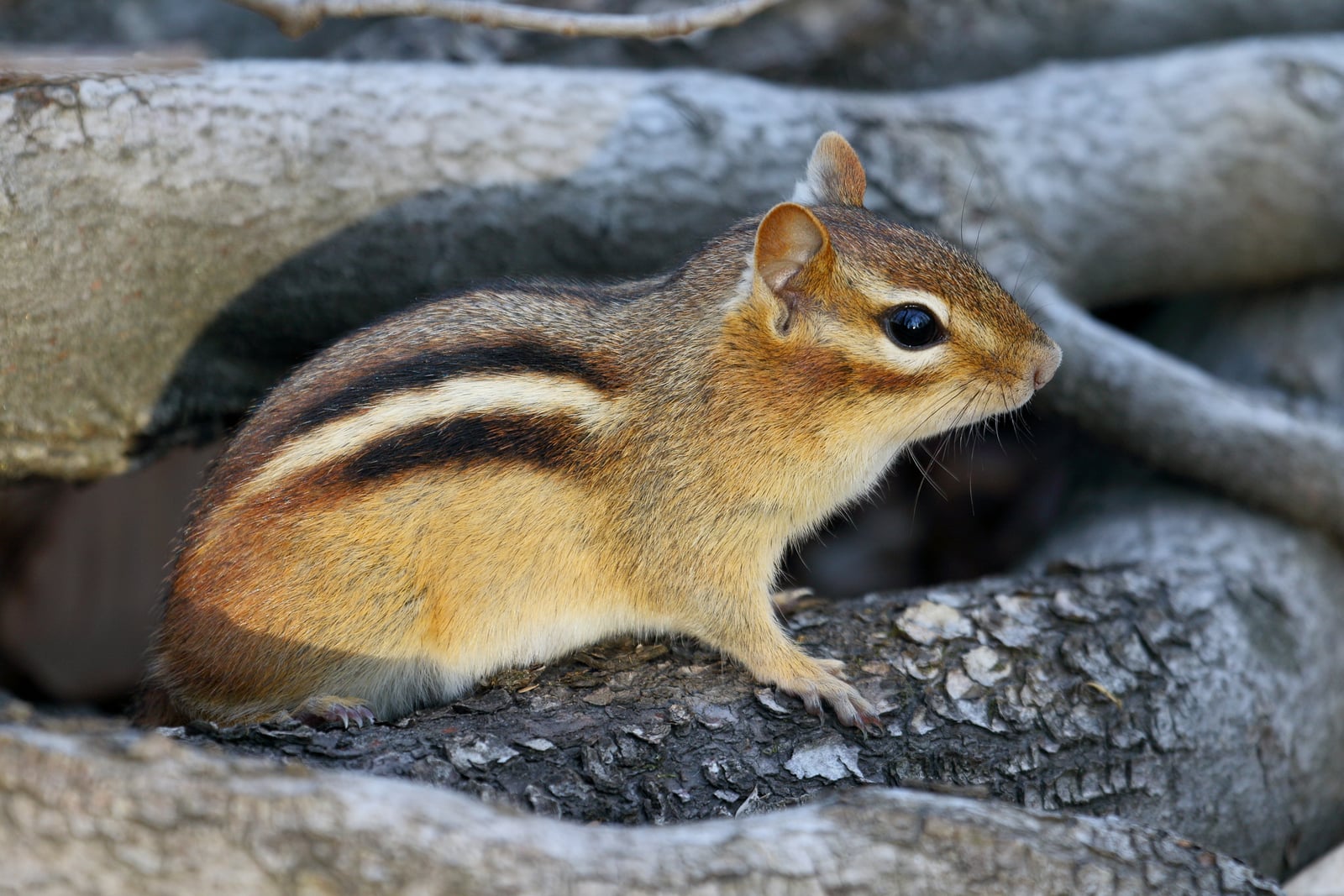
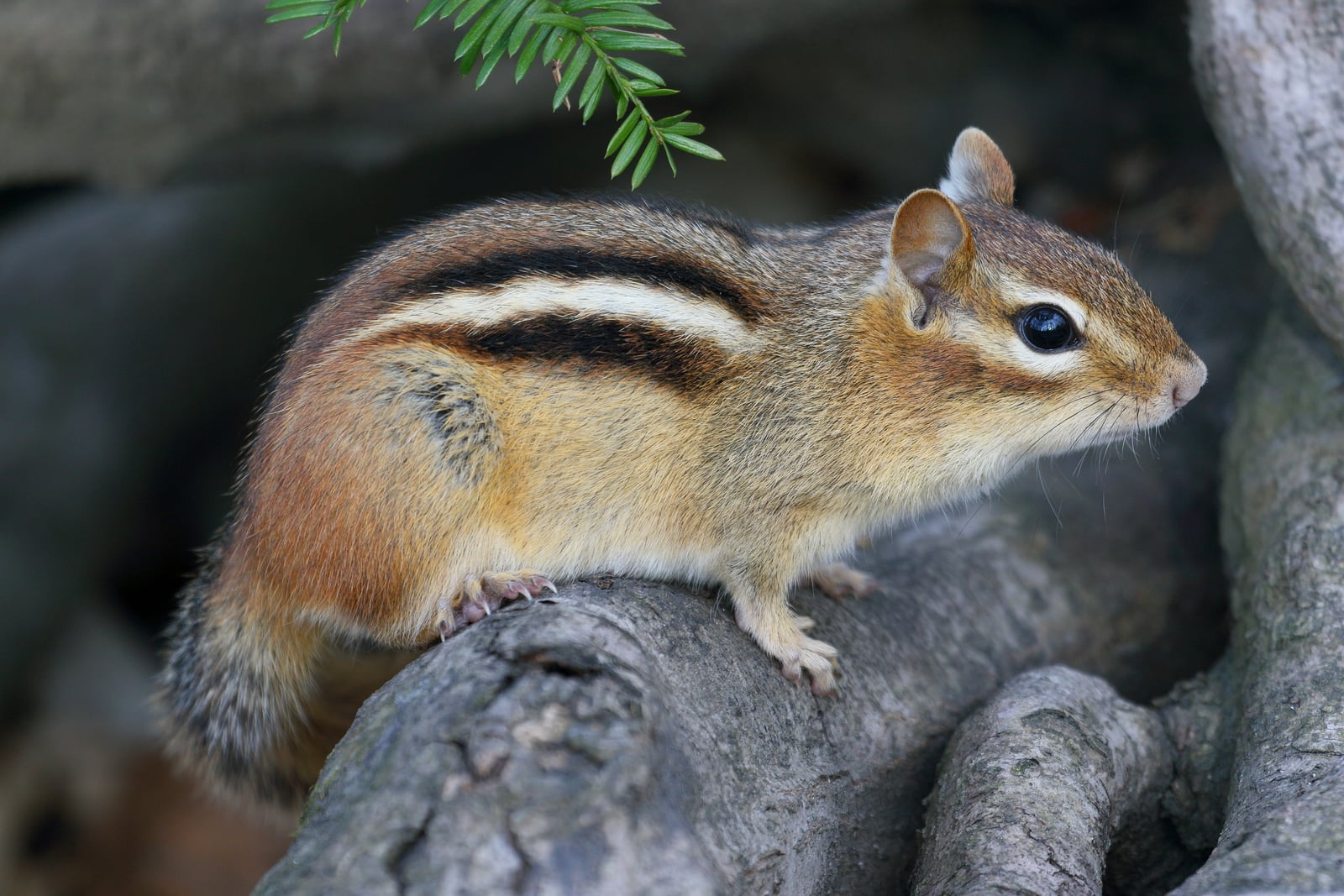
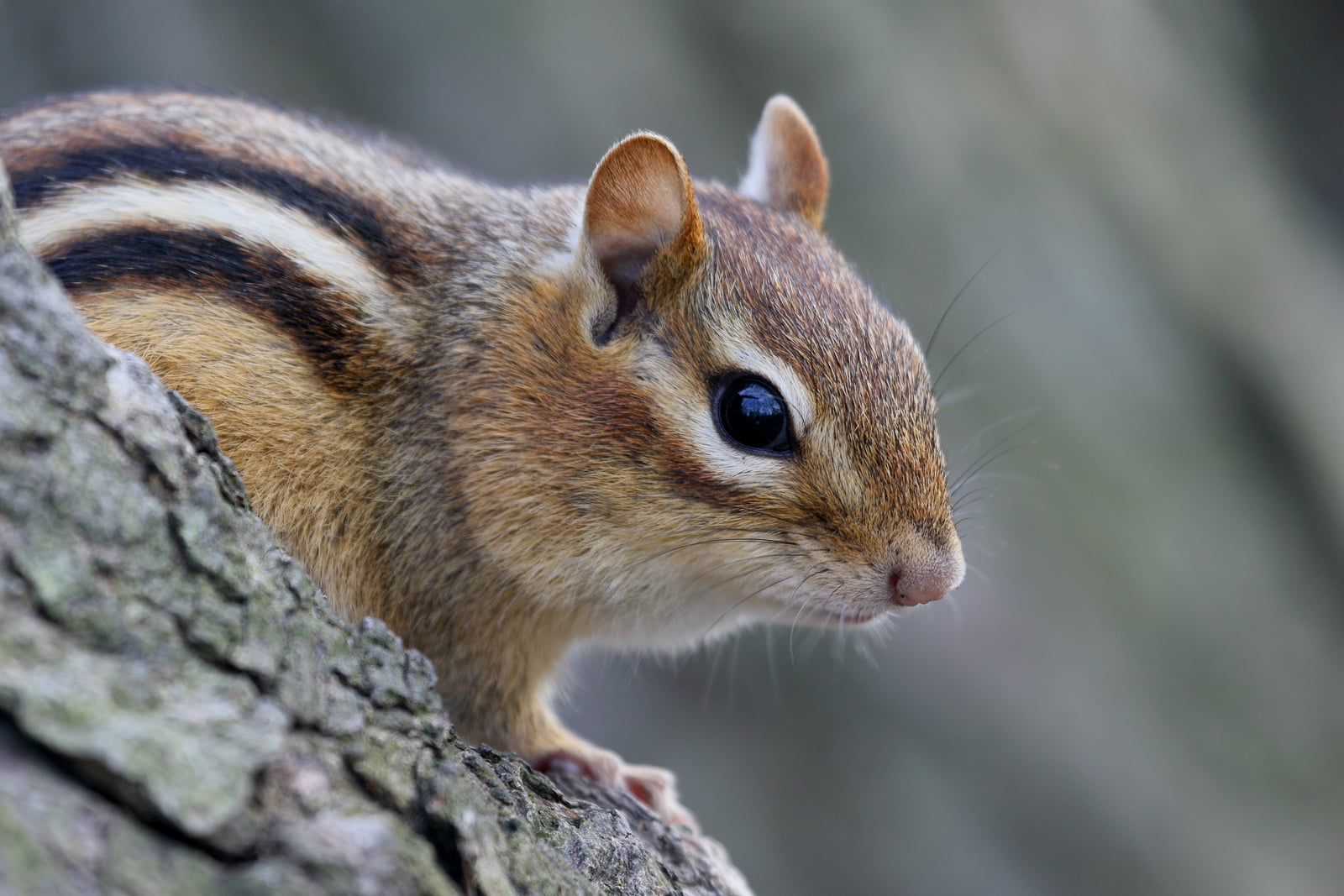
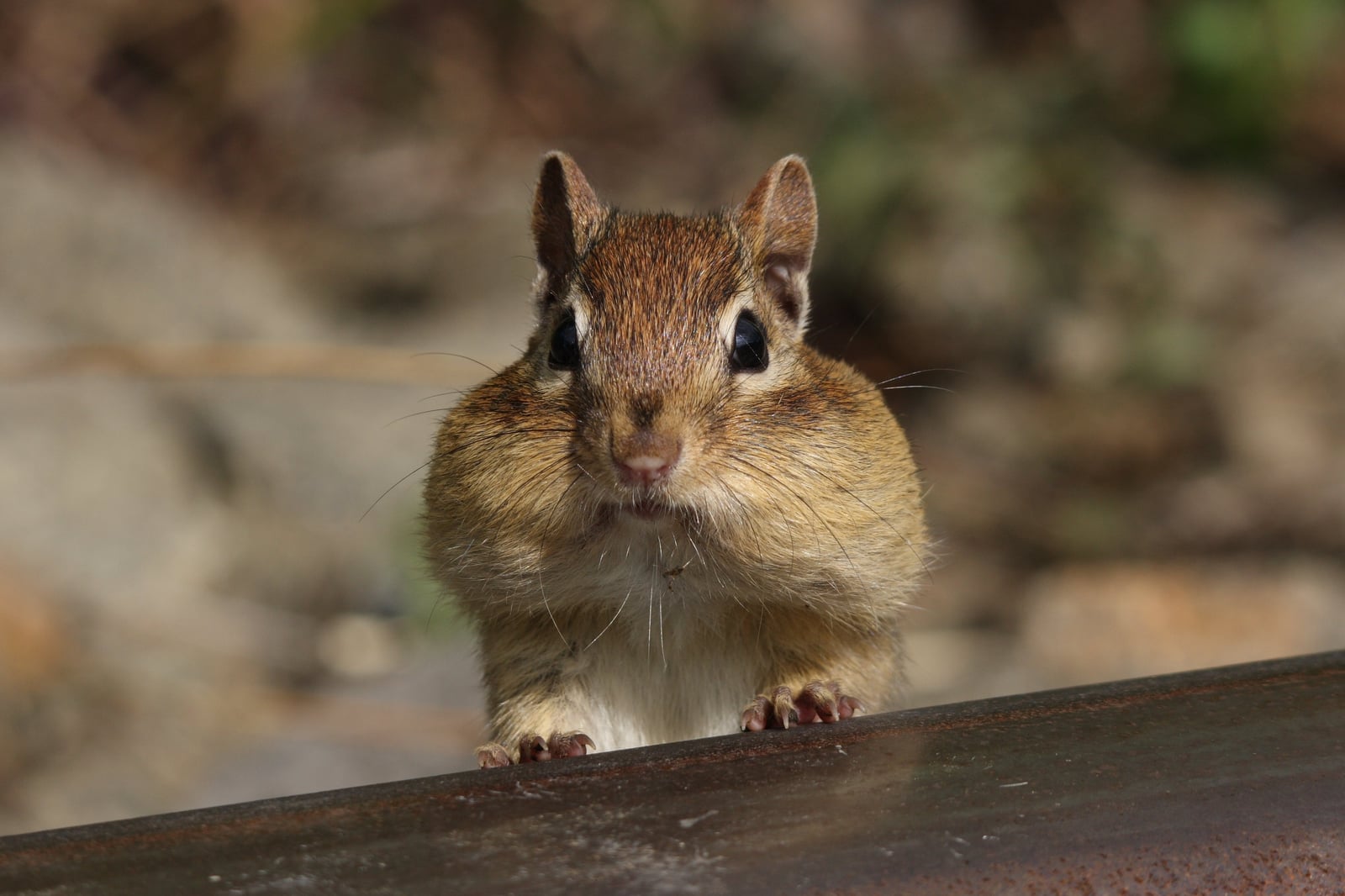
Washington sits far west of the eastern chipmunk’s core range, which runs through the hardwood forests east of the Rockies. The state has no dated records of the species from 2000 to 2026, on GBIF or iNaturalist; whatever older reports exist predate that window or carry no date, and none of the dense, park-by-park reporting the species draws back east has a counterpart here.
That leaves no recent pattern to read. Without dated records, nothing shows whether a small, self-sustaining group persists somewhere in the state or whether earlier reports were one-off animals. A blank like this doesn’t prove the chipmunk is absent, but it offers no evidence that it’s established either.
Elsewhere the species favors forest edges, brushy understory, and ground with roots and stumps for burrows, and any Washington animal would need the same cover. Anyone who thinks they’ve spotted one does the science a favor by photographing it, since every verified record helps clarify whether this eastern species truly has a foothold in the state.