Florida mammals

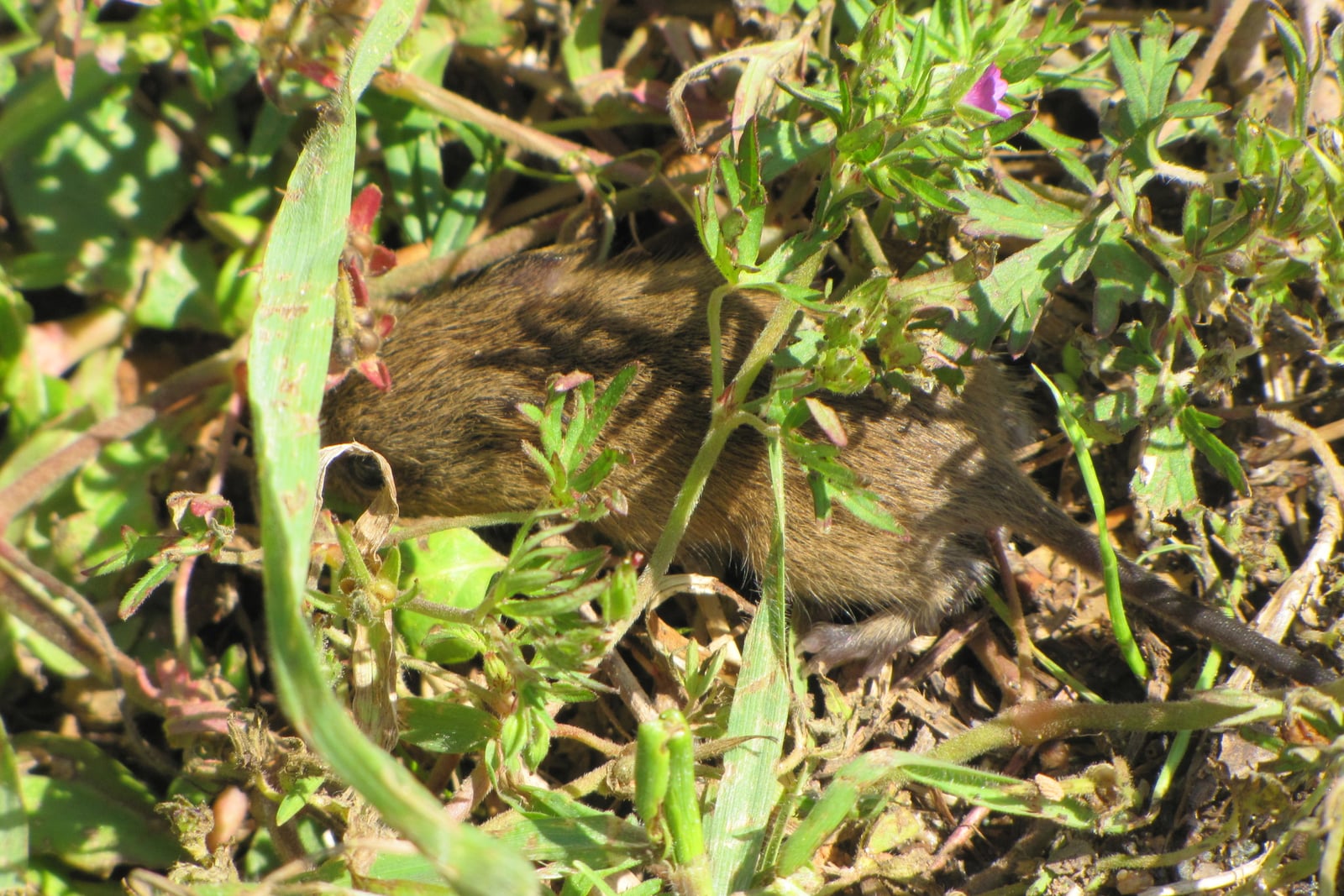
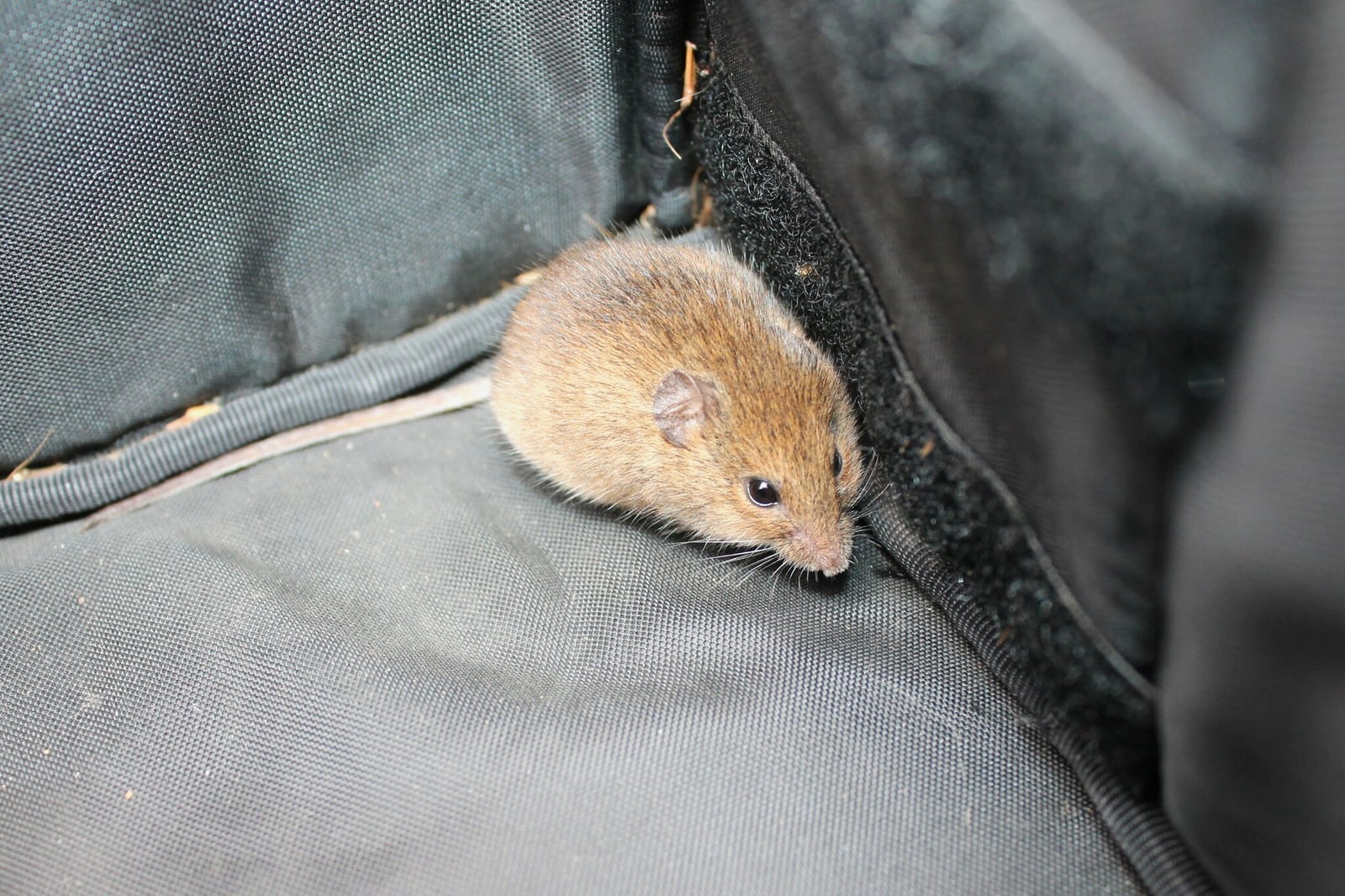
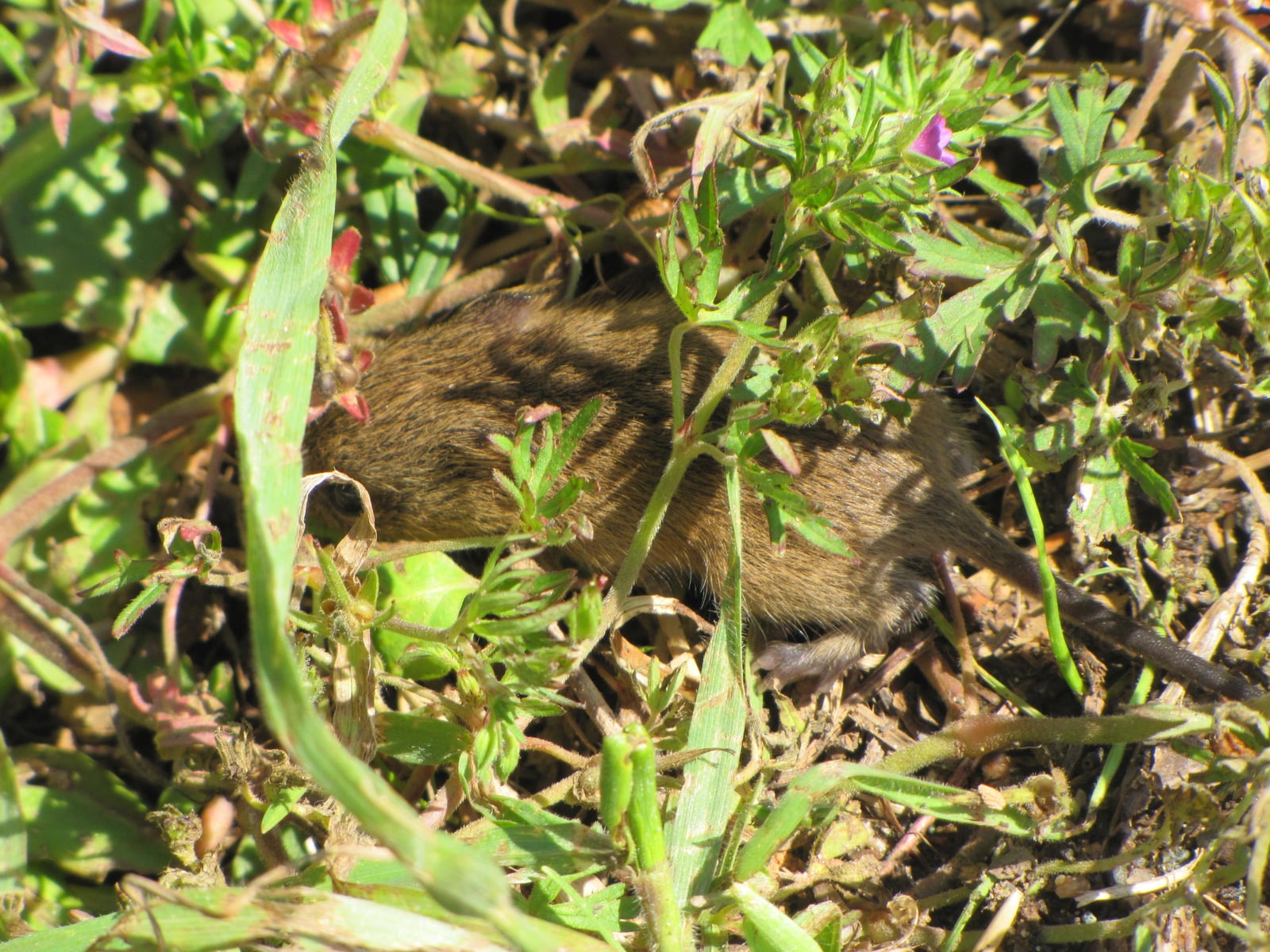
Eastern Harvest Mouse in Florida

Reithrodontomys humulis

Native to Florida SNR Unranked in Florida

Not listed as nonindigenous in Florida by USGS NAS; native to its Florida range.

IUCN Red List status

  1. LC
  2. NT
  3. VU
  4. EN
  5. CR
  6. EW
  7. EX

LC – Least Concern

Widespread and abundant; not at risk.

Eastern Harvest Mouse in Florida, by the numbers

Occasional in Florida 54th most recorded of 116 mammals logged in Florida

32 occurrence records
2 with iNaturalist photos
Dec 28, 2022 Last seen in Florida

Records from 2000–2026.

When to look for the Eastern Harvest Mouse in Florida

Most sightings fall in April.

32 Florida occurrence records (iNaturalist and GBIF) by month of year, 2000–2026. Shows when the species is recorded, not a guarantee of presence.

Monthly Florida records (table)
MonthRecords
January0
February0
March2
April13
May1
June3
July0
August0
September1
October4
November7
December1

Monthly eastern harvest mouse occurrence records (iNaturalist and GBIF) in Florida, 2000–2026.

Seasonality

Year-round in Florida, with recorded sightings peaking in April.

Occurrence map

Where Eastern Harvest Mouse has been recorded in Florida

32 records mapped · zoom and drag to explore

32 Florida records mapped

Notable places to look

Park, forest, or monumentiNaturalist records
Blackwater River State Forest 1

Protected places with the most eastern harvest mouse sightings, from the USGS Protected Areas Database plus named mountain ranges, good spots to look, not a full breakdown, so they don't sum to the total.

Where it's recorded in Florida

CountyRecords
Polk County 15
Osceola County 14
Santa Rosa County 1
Manatee County 1
Hamilton County 1

The complete county distribution, spread across 5 Florida counties. Every occurrence record falls in one county, so these sum to the total. Counties from GBIF and US Census boundaries.

Florida’s 32 eastern harvest mouse records rely almost entirely on GBIF specimen data, with only 2 coming from iNaturalist. That split suggests most of what’s known about this small grassland mouse in Florida comes from museum and survey collections rather than casual sightings.

Records peak in April, the year’s clear high point, easing off through the rest of the year. Small mammals like this one are typically detected through targeted trapping, so the April rise likely tracks survey timing more than any true seasonal shift in the mouse’s own activity.
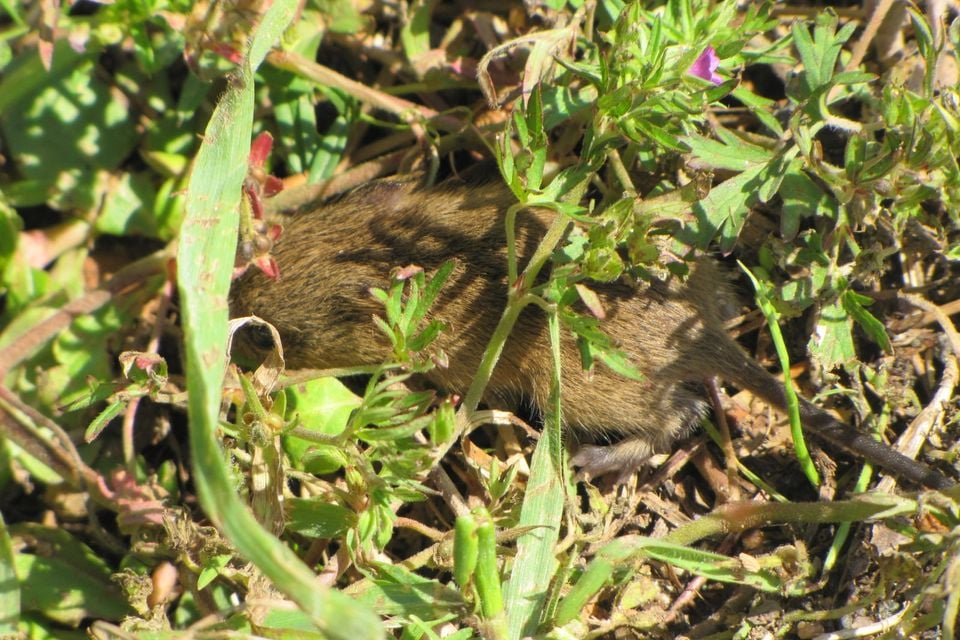

Occurrence data from iNaturalist and GBIF.

More mammals in Florida in the atlas

Data & sources

The data and visualizations on this page draw on these open sources:




