Florida mammals

Eastern Mole in Florida

Scalopus aquaticus

Native to Florida SNR Unranked in Florida

Not listed as nonindigenous in Florida by USGS NAS; native to its Florida range.

IUCN Red List status

  1. LC
  2. NT
  3. VU
  4. EN
  5. CR
  6. EW
  7. EX

LC – Least Concern

Widespread and abundant; not at risk.

Eastern Mole in Florida, by the numbers

Common in Florida 24th most recorded of 116 mammals logged in Florida

612 occurrence records
581 with iNaturalist photos
Jul 5, 2026 Last seen in Florida

Records from 2000–2026.

612 total records count every Florida occurrence from GBIF and iNaturalist; the map plots a georeferenced sample of 300; the monthly chart covers the 585 records with a full observation date.

When to look for the Eastern Mole in Florida

Most sightings fall in March to June.

585 Florida occurrence records (iNaturalist and GBIF) by month of year, 2000–2026. Shows when the species is recorded, not a guarantee of presence.

Monthly Florida records (table)
MonthRecords
January54
February32
March48
April71
May64
June65
July42
August50
September51
October34
November33
December41

Monthly eastern mole occurrence records (iNaturalist and GBIF) in Florida, 2000–2026.

Seasonality

Year-round in Florida, with recorded sightings peaking in March–June, with a smaller rise in August–September and January.

Occurrence map

Where Eastern Mole has been recorded in Florida

300 records mapped · zoom and drag to explore

300 Florida records mapped

Notable places to look

Park, forest, or monumentiNaturalist records
Ocala National Forest 6
Paynes Prairie Preserve State Park 6
University of Central Florida Natural Area 6
Florida Atlantic University Ecological Site 3
Highlands Hammock State Park 3
Myakka River State Park 3
Timucuan Ecological and Historic Preserve 2
Natural Area Teaching Laboratory 2

Protected places with the most eastern mole sightings, from the USGS Protected Areas Database plus named mountain ranges, good spots to look, not a full breakdown, so they don't sum to the total.

Where it's recorded in Florida

CountyRecords
Alachua County 123
Orange County 50
Leon County 33
Polk County 27
Volusia County 25
Duval County 24
Seminole County 23
Brevard County 23
Sarasota County 23
Palm Beach County 21
Marion County 13
Lee County 13
37 other counties 214

The complete county distribution, spread across 49 Florida counties. Every occurrence record falls in one county, so these sum to the total. Counties from GBIF and US Census boundaries.

The eastern mole’s Florida records are led by three sites tied at 6 named reports each: Ocala National Forest, Paynes Prairie Preserve State Park, and the University of Central Florida Natural Area. Highlands Hammock and Myakka River state parks add 3 each, with 2 at Timucuan Ecological and Historic Preserve, a spread that crosses the peninsula from central forest and inland prairie to the Atlantic coast near Jacksonville.

Florida’s 612 records peak in April, at 71, with June and May close behind at 65 and 64. Moles spend most of their lives underground, so records depend on the surface signs people happen to notice, not a true activity count.
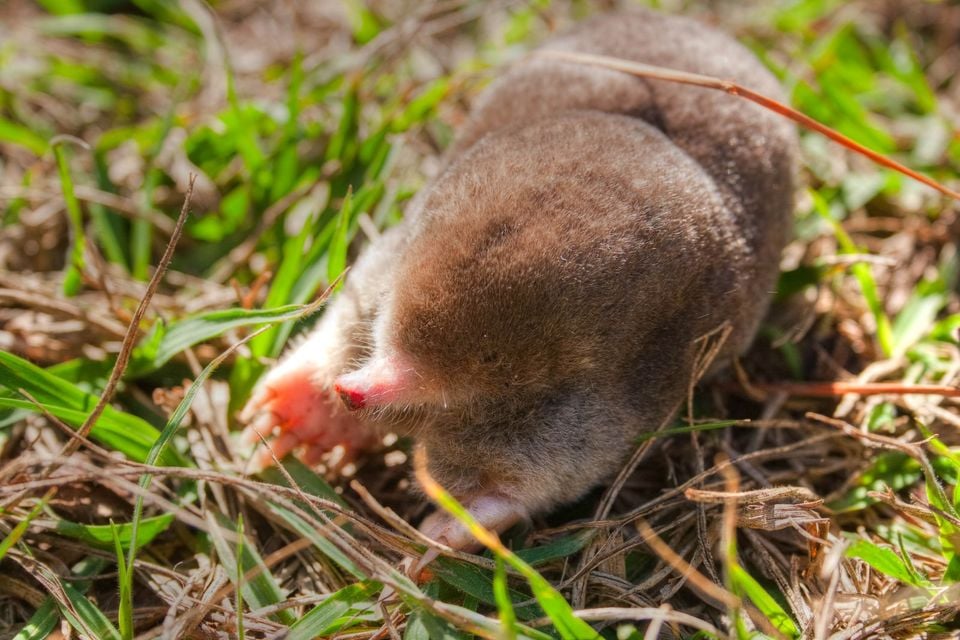
Occurrence data from iNaturalist and GBIF.

More mammals in Florida in the atlas

Data & sources

The data and visualizations on this page draw on these open sources: