Missouri mammals

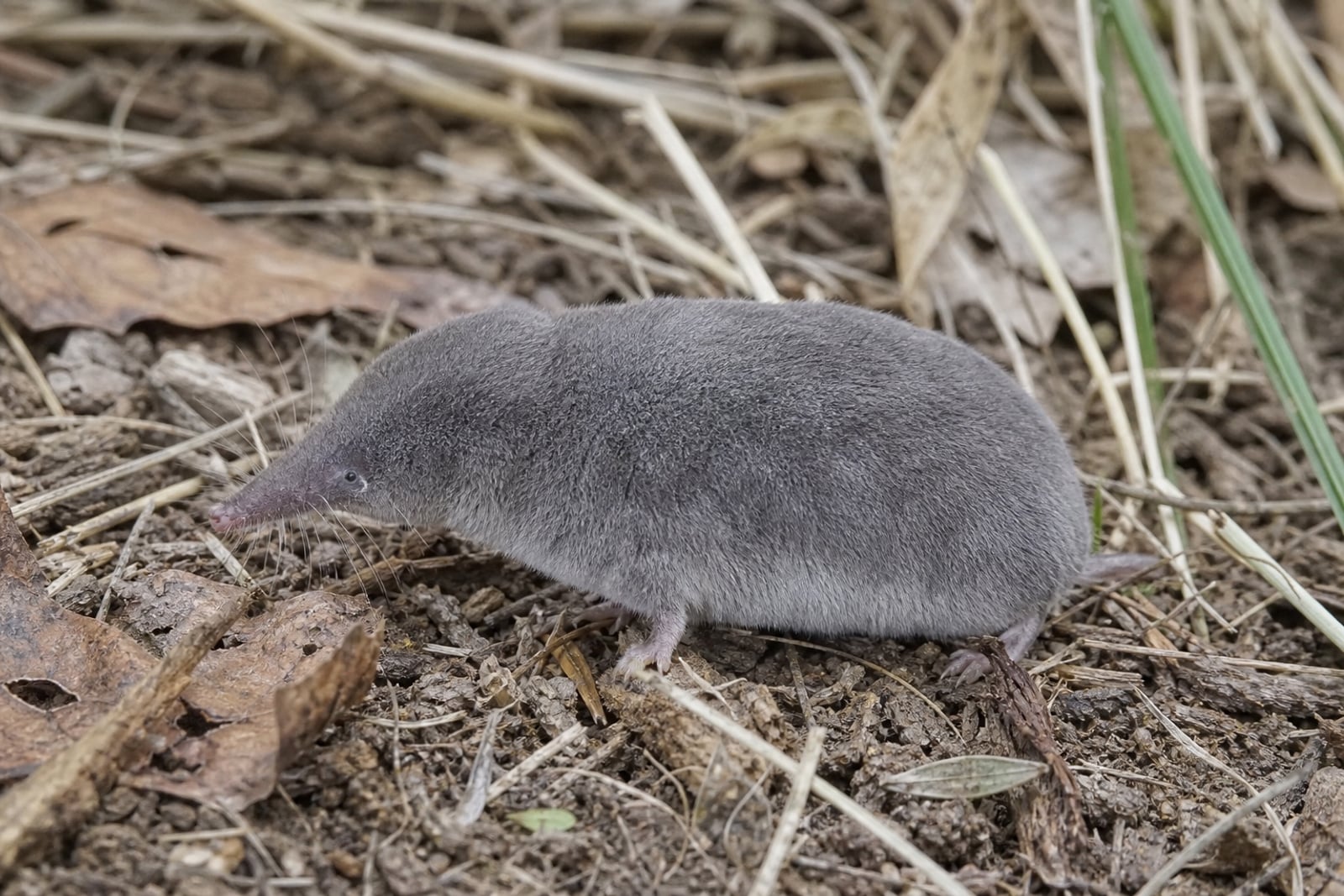
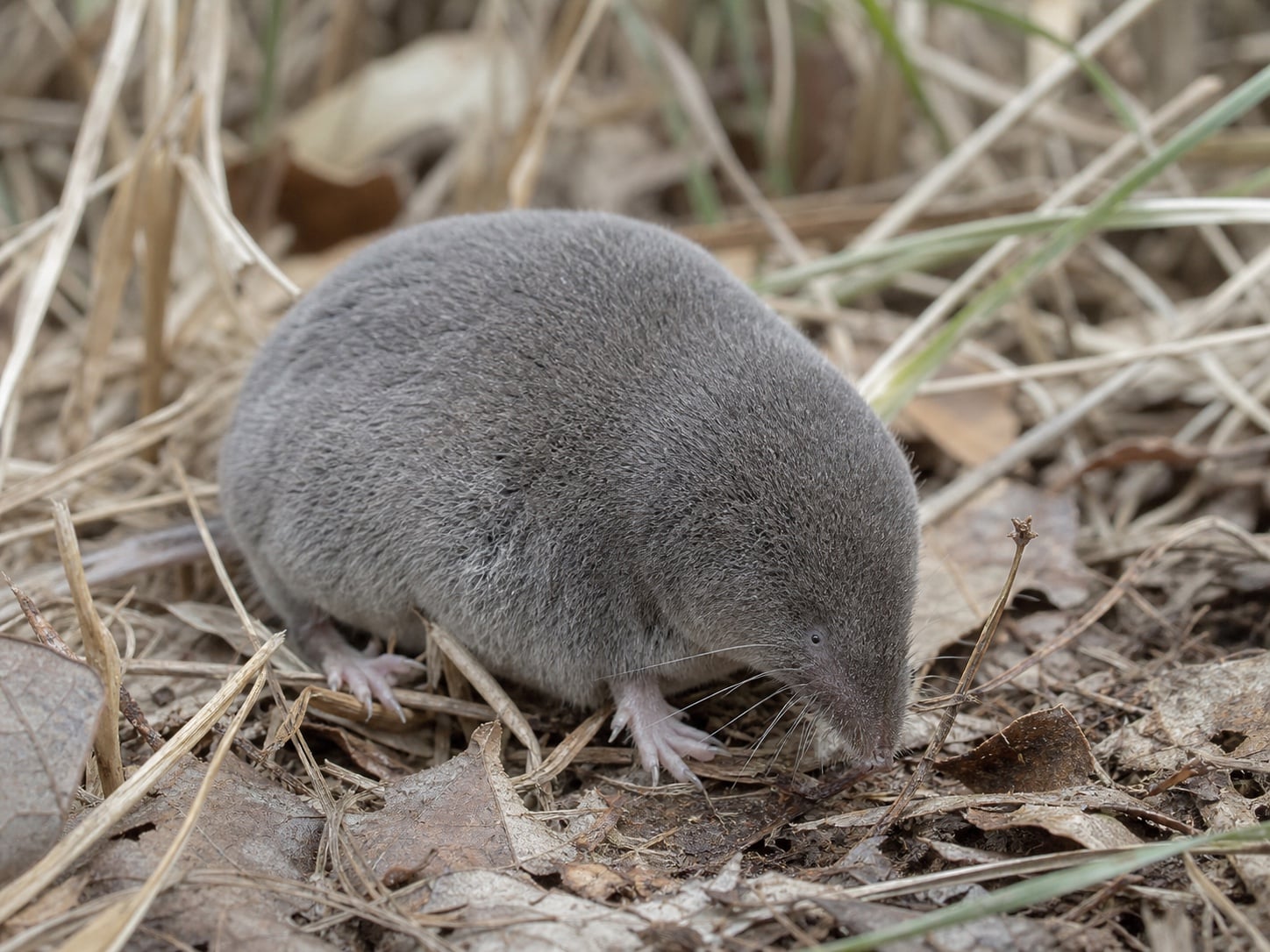
Elliot's Short-tailed Shrew in Missouri

Blarina hylophaga

Native to Missouri S4 Apparently Secure in Missouri

Not listed as nonindigenous in Missouri by USGS NAS; native to its Missouri range.

IUCN Red List status

  1. LC
  2. NT
  3. VU
  4. EN
  5. CR
  6. EW
  7. EX

LC – Least Concern

Widespread and abundant; not at risk.

Elliot's Short-tailed Shrew in Missouri, by the numbers

Occasional in Missouri 35th most recorded of 82 mammals logged in Missouri

36 occurrence records

Records from 2000–2026.

When to look for the Elliot's Short-tailed Shrew in Missouri

Most sightings fall in July.

36 Missouri occurrence records (iNaturalist and GBIF) by month of year, 2000–2026. Shows when the species is recorded, not a guarantee of presence.

Monthly Missouri records (table)
MonthRecords
January0
February0
March0
April0
May0
June5
July30
August0
September0
October0
November1
December0

Monthly elliot's short-tailed shrew occurrence records (iNaturalist and GBIF) in Missouri, 2000–2026.

Seasonality

Year-round in Missouri, with recorded sightings peaking in July.

Occurrence map

Where Elliot's Short-tailed Shrew has been recorded in Missouri

36 records mapped · zoom and drag to explore

36 Missouri records mapped

Where it's recorded in Missouri

CountyRecords
Atchison County 17
Holt County 8
Nodaway County 8
Newton County 1
Greene County 1
Douglas County 1

The complete county distribution, spread across 6 Missouri counties. Every occurrence record falls in one county, so these sum to the total. Counties from GBIF and US Census boundaries.

Elliot’s short-tailed shrew turns up in Missouri records mostly in the state’s northwest corner, where Atchison County holds 17 and Holt and Nodaway add 8 each, a strong regional signal for a species tied to the central Great Plains rather than the state’s forested Ozarks. All 36 logged records come from GBIF, none from iNaturalist, which fits a shrew that’s nearly blind and lives underground and under leaf litter, usually found through small-mammal trapping surveys rather than photographs.

Records cluster in July, with 30, plus 5 in June and one in November, more likely tied to when trapping surveys happen than to any real seasonal shift in the shrew’s own activity, since it stays active year-round underground.

This species was only recognized as distinct from the northern short-tailed shrew in recent decades, after research split what had been treated as one wide-ranging animal. It belongs to a small group of mammals whose saliva carries a toxin strong enough to help subdue prey larger than itself. NatureServe ranks it S4, Apparently Secure, in Missouri.

More mammals in Missouri in the atlas

Data & sources

The data and visualizations on this page draw on these open sources:

  • GBIFCC-BY 4.0occurrence records behind the range map, elevation, and record counts
  • iNaturalistCC0 / CC-BY / CC-BY-SAobservations, photos, and audio recordings
  • NatureServe ExplorerCC-BYthe state conservation rank
  • IUCN Red Listattributed factthe global conservation status
  • USGS NASpublic domainnative / introduced status
  • Natural Earthpublic domainthe relief basemap
  • USFSpublic domainnational-forest boundaries




