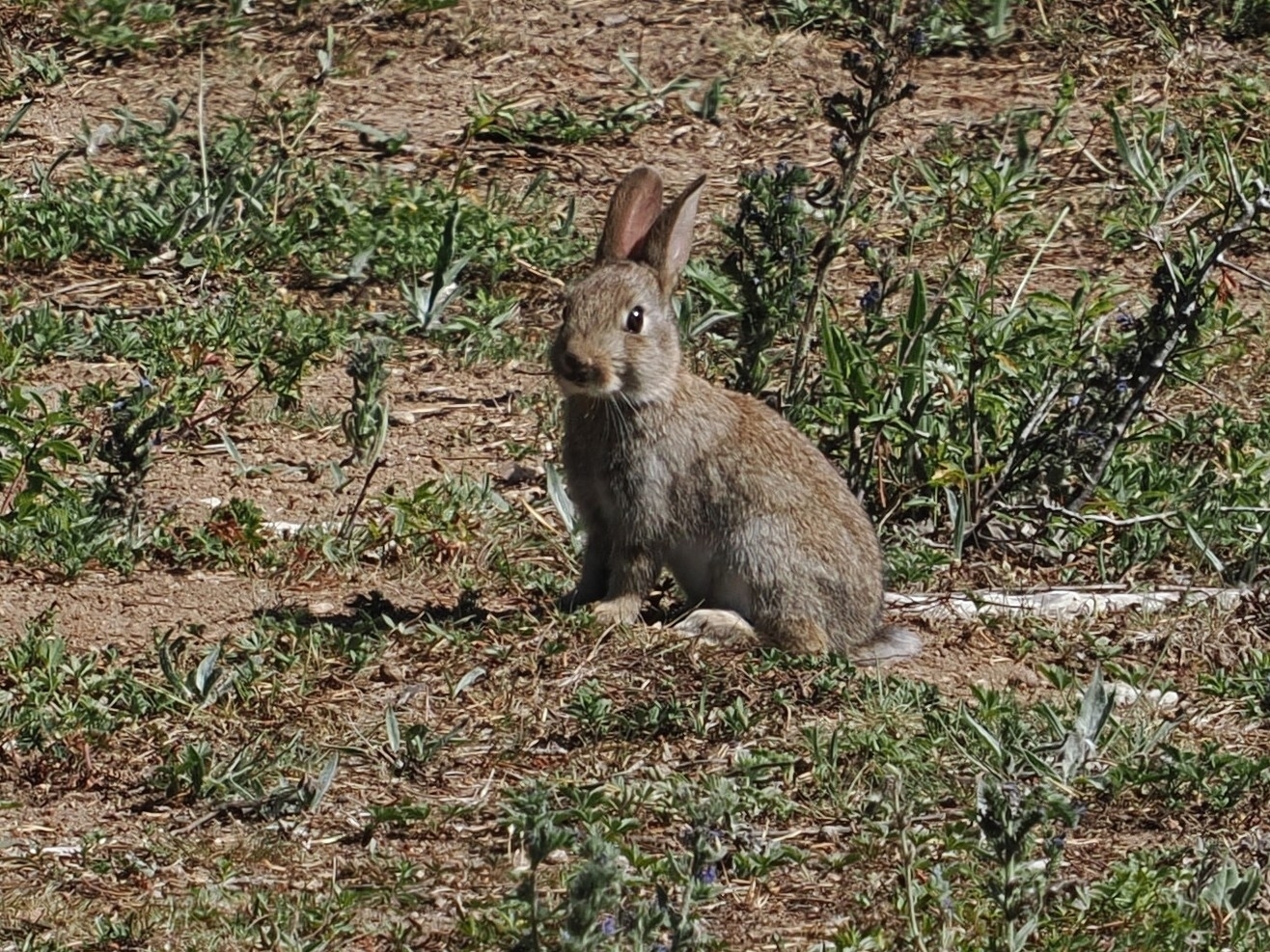
Oklahoma mammals

European Rabbit in Oklahoma

Oryctolagus cuniculus

Introduced to Oklahoma

Oklahoma's Oryctolagus cuniculus records are of an introduced species; it does not occur here as a wild native population.

IUCN Red List status

  1. LC
  2. NT
  3. VU
  4. EN
  5. CR
  6. EW
  7. EX

EN – Endangered

Very high risk of extinction in the wild.

European Rabbit in Oklahoma, by the numbers

Rare in Oklahoma 82nd most recorded of 120 mammals logged in Oklahoma

13 occurrence records
13 with iNaturalist photos
May 22, 2026 Last seen in Oklahoma

Records from 2000–2026.

13 total records count every Oklahoma occurrence from GBIF and iNaturalist; the map plots a georeferenced sample of 12; the monthly chart covers the 12 records with a full observation date.

When to look for the European Rabbit in Oklahoma

Most sightings fall in May.

12 Oklahoma occurrence records (iNaturalist and GBIF) by month of year, 2000–2026. Shows when the species is recorded, not a guarantee of presence. Based on a small number of dated records; the seasonal pattern may not be representative.

Monthly Oklahoma records (table)
MonthRecords
January1
February0
March1
April1
May4
June0
July1
August2
September0
October1
November1
December0

Monthly european rabbit occurrence records (iNaturalist and GBIF) in Oklahoma, 2000–2026.

Seasonality

Year-round in Oklahoma, with recorded sightings peaking in May.

Occurrence map

Where European Rabbit has been recorded in Oklahoma

12 records mapped · zoom and drag to explore

12 Oklahoma records mapped

Where it's recorded in Oklahoma

CountyRecords
Cleveland County 4
Tulsa County 2
Rogers County 2
Oklahoma County 2
Garfield County 1
Creek County 1
Other localities 1

The complete county distribution, spread across 6 Oklahoma counties. Every occurrence record falls in one county, so these sum to the total. Counties from GBIF and US Census boundaries.

European rabbits present an unusual conservation contrast in Oklahoma: the record correctly classifies the species as introduced here, yet the IUCN lists the species globally Endangered in its native Iberian range, where disease and habitat loss have devastated wild populations. Oklahoma’s 13 records, all from iNaturalist and 7 of them also carried by GBIF, represent an entirely separate, introduced population unrelated to that native-range decline.

Records scatter across eight months with a modest May peak (4 sightings), too sparse a pattern to draw a confident seasonal trend from beyond confirming occasional presence. Cleveland County holds 4 of the records, and most of the rest fall in Tulsa, Rogers, Oklahoma, Garfield, and Creek counties.

Occurrence data from iNaturalist and GBIF.

More mammals in Oklahoma in the atlas

Data & sources

The data and visualizations on this page draw on these open sources:

  • GBIFCC-BY 4.0occurrence records behind the range map, elevation, and record counts
  • iNaturalistCC0 / CC-BY / CC-BY-SAobservations, photos, and audio recordings
  • NatureServe ExplorerCC-BYthe state conservation rank
  • IUCN Red Listattributed factthe global conservation status
  • USGS NASpublic domainnative / introduced status
  • Natural Earthpublic domainthe relief basemap
  • USFSpublic domainnational-forest boundaries




