Florida mammals

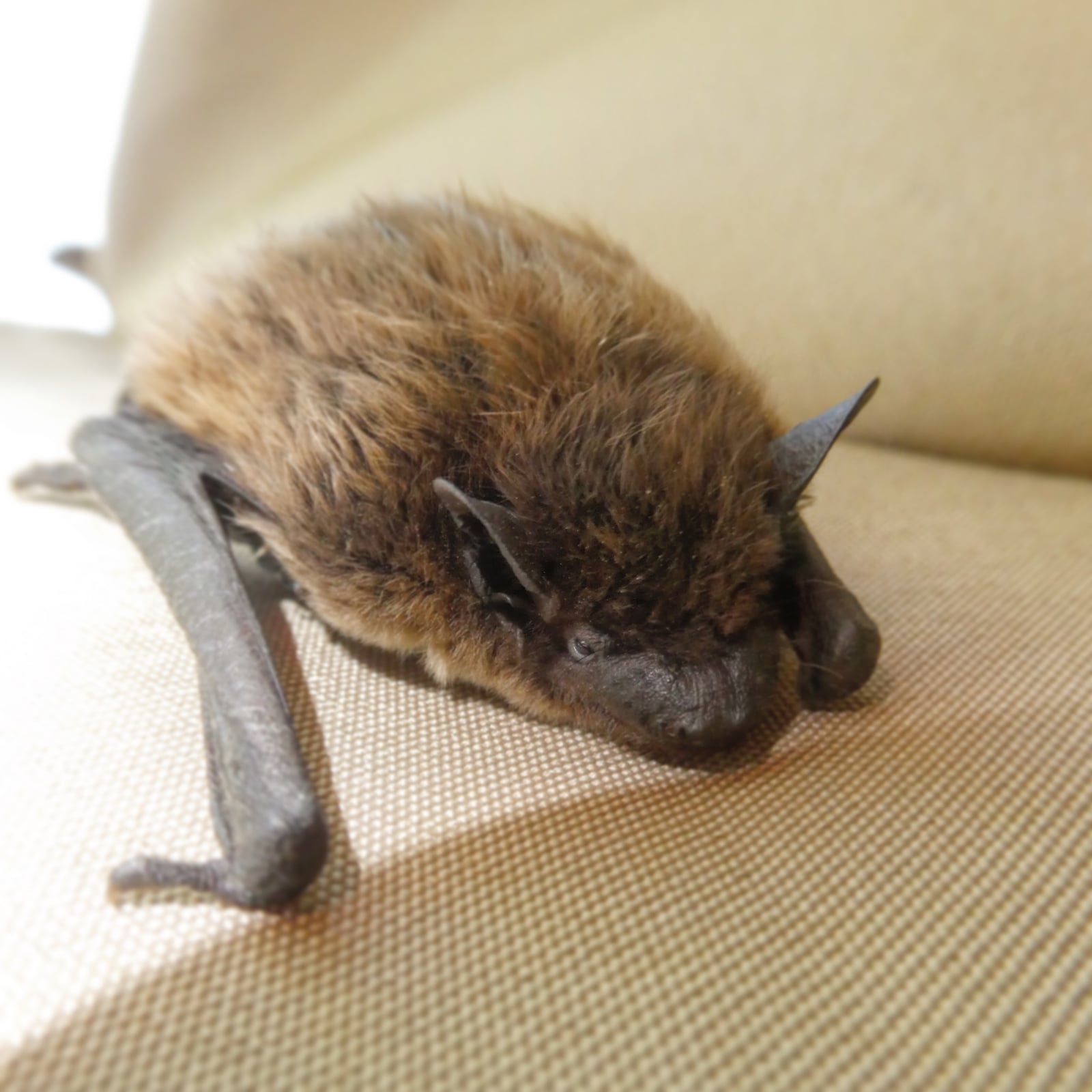
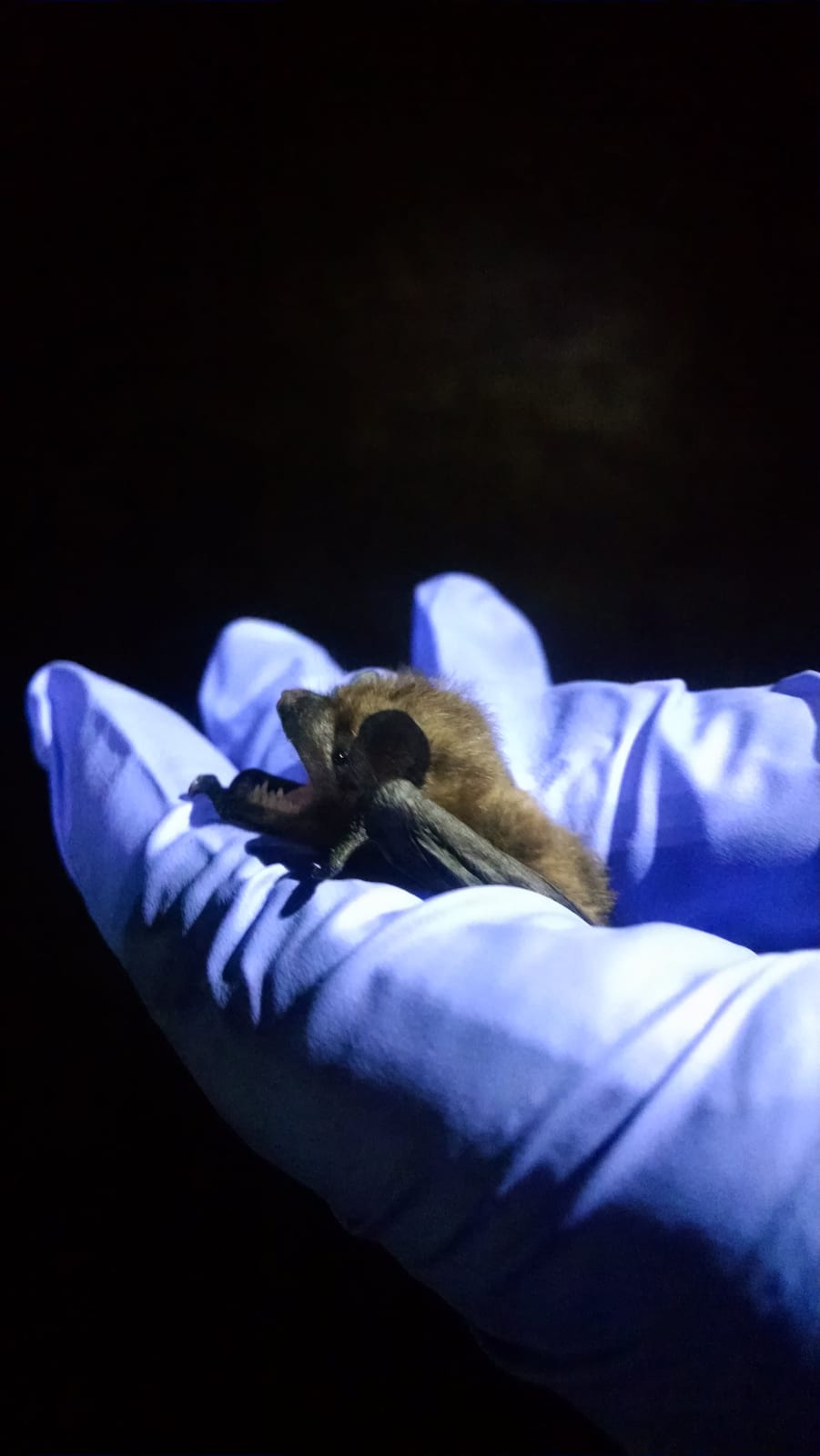
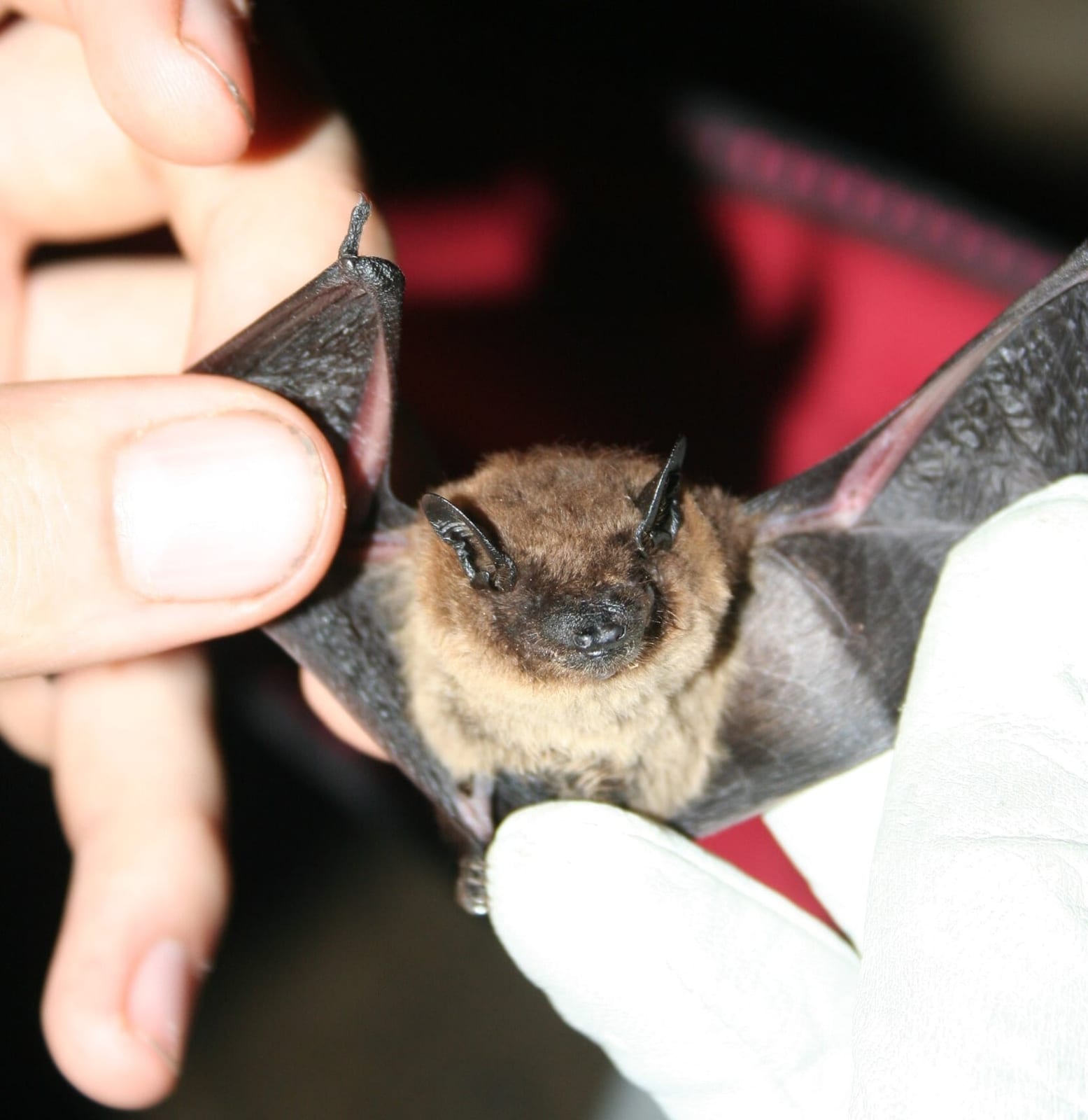
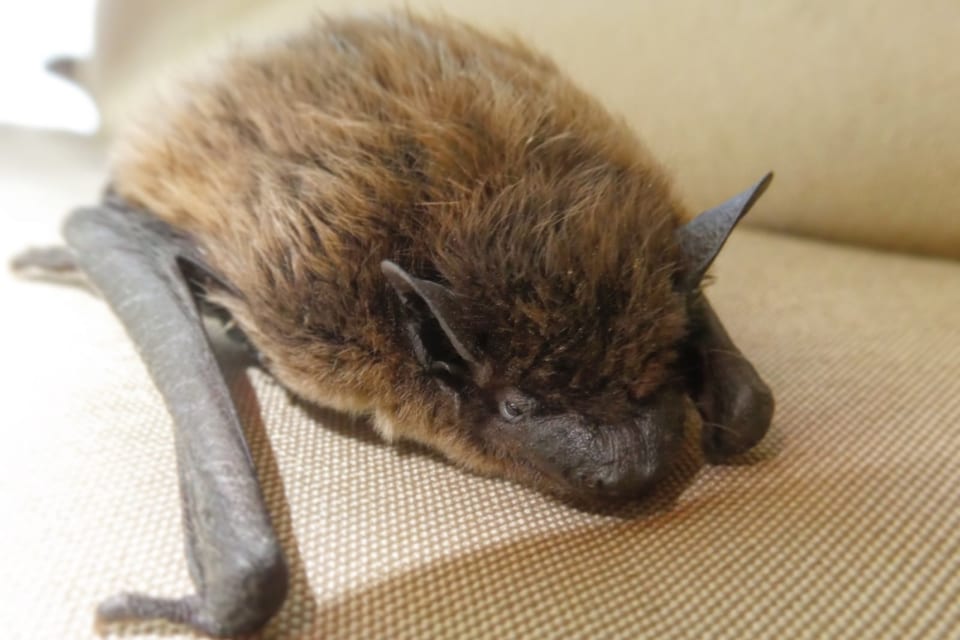
Evening Bat in Florida

Nycticeius humeralis

Native to Florida SNR Unranked in Florida

Not listed as nonindigenous in Florida by USGS NAS; native to its Florida range.

IUCN Red List status

  1. LC
  2. NT
  3. VU
  4. EN
  5. CR
  6. EW
  7. EX

LC – Least Concern

Widespread and abundant; not at risk.

Evening Bat in Florida, by the numbers

Common in Florida 38th most recorded of 116 mammals logged in Florida

175 occurrence records
163 with iNaturalist photos
Jun 22, 2026 Last seen in Florida

Records from 2000–2026.

175 total records count every Florida occurrence from GBIF and iNaturalist; the map plots a georeferenced sample of 170; the monthly chart covers the 170 records with a full observation date.

When to look for the Evening Bat in Florida

Most sightings fall in June to July.

170 Florida occurrence records (iNaturalist and GBIF) by month of year, 2000–2026. Shows when the species is recorded, not a guarantee of presence.

Monthly Florida records (table)
MonthRecords
January13
February18
March7
April6
May18
June31
July23
August10
September12
October9
November16
December7

Monthly evening bat occurrence records (iNaturalist and GBIF) in Florida, 2000–2026.

Seasonality

Year-round in Florida, with recorded sightings peaking in June–July.

Occurrence map

Where Evening Bat has been recorded in Florida

170 records mapped · zoom and drag to explore

170 Florida records mapped

Notable places to look

Park, forest, or monumentiNaturalist records
Camp Blanding Military Reservation 2
Perdido Key State Park 1
Guana River Wildlife Management Area 1
Withlacoochee State Forest 1
Big Cypress National Preserve 1
Lower Wekiva River Preserve State Park 1
Hillsborough River State Park 1
Big Lagoon State Park 1

Protected places with the most evening bat sightings, from the USGS Protected Areas Database plus named mountain ranges, good spots to look, not a full breakdown, so they don't sum to the total.

Where it's recorded in Florida

CountyRecords
Hillsborough County 24
Seminole County 17
Orange County 14
Pinellas County 13
Sarasota County 8
Alachua County 8
Collier County 7
Escambia County 7
Polk County 7
Duval County 6
Manatee County 6
Citrus County 5
22 other counties 53

The complete county distribution, spread across 34 Florida counties. Every occurrence record falls in one county, so these sum to the total. Counties from GBIF and US Census boundaries.

Named sites barely register among Florida’s 175 evening bat records: Camp Blanding Military Reservation logs 2, and Big Cypress National Preserve, Withlacoochee State Forest, and a few state parks log 1 each. Most reports come instead from the Tampa and Orlando areas, led by Hillsborough, Seminole, and Orange counties, which says more about where people notice bats than about where the species is scarce.

June produces the year’s highest report count, followed by July. Bat detection is strongly tied to survey effort and roost-monitoring schedules, so a June peak in records doesn’t necessarily mean June is when evening bats are actually most active.
Occurrence data from iNaturalist and GBIF.

More mammals in Florida in the atlas

Data & sources

The data and visualizations on this page draw on these open sources:




