California mammals

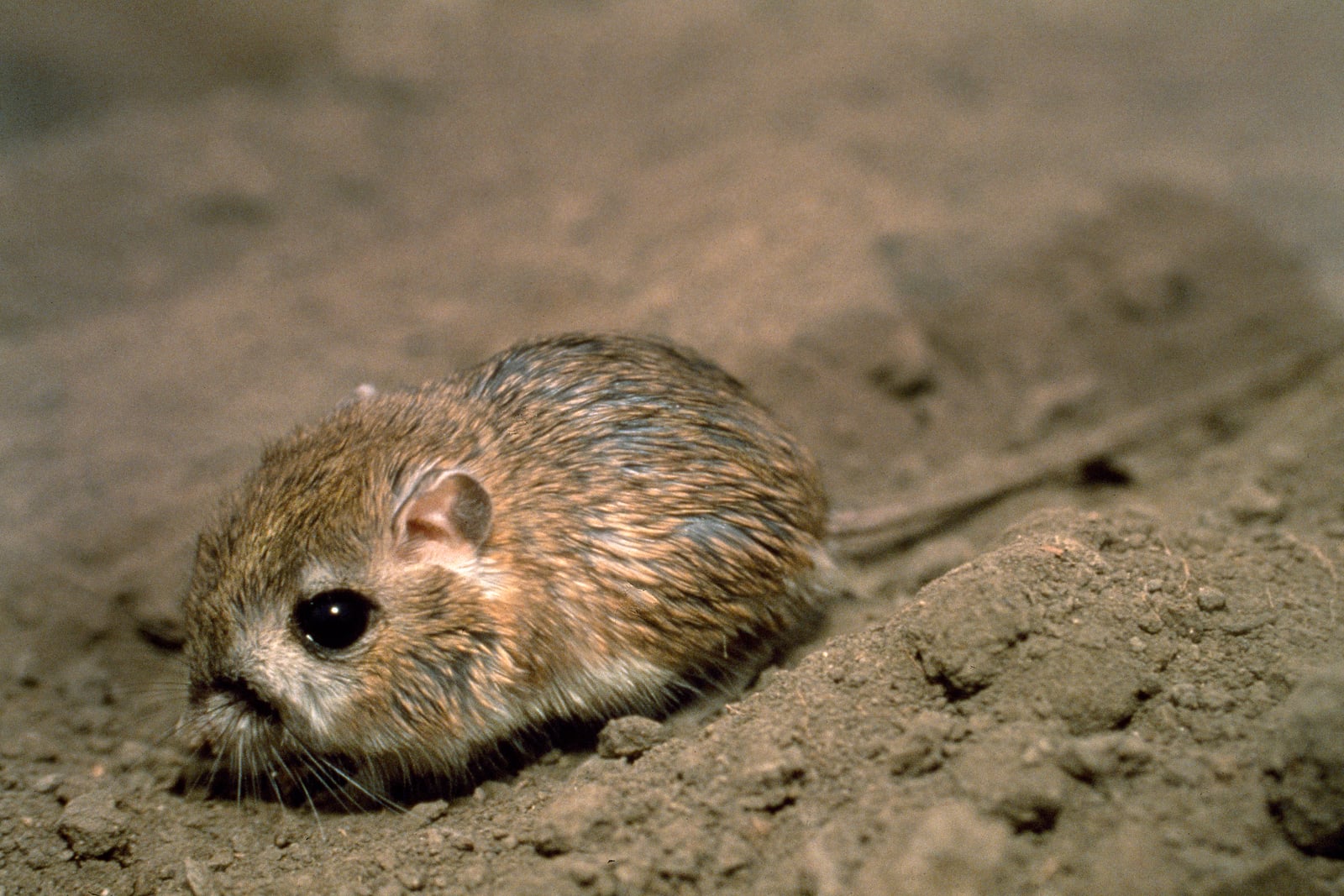
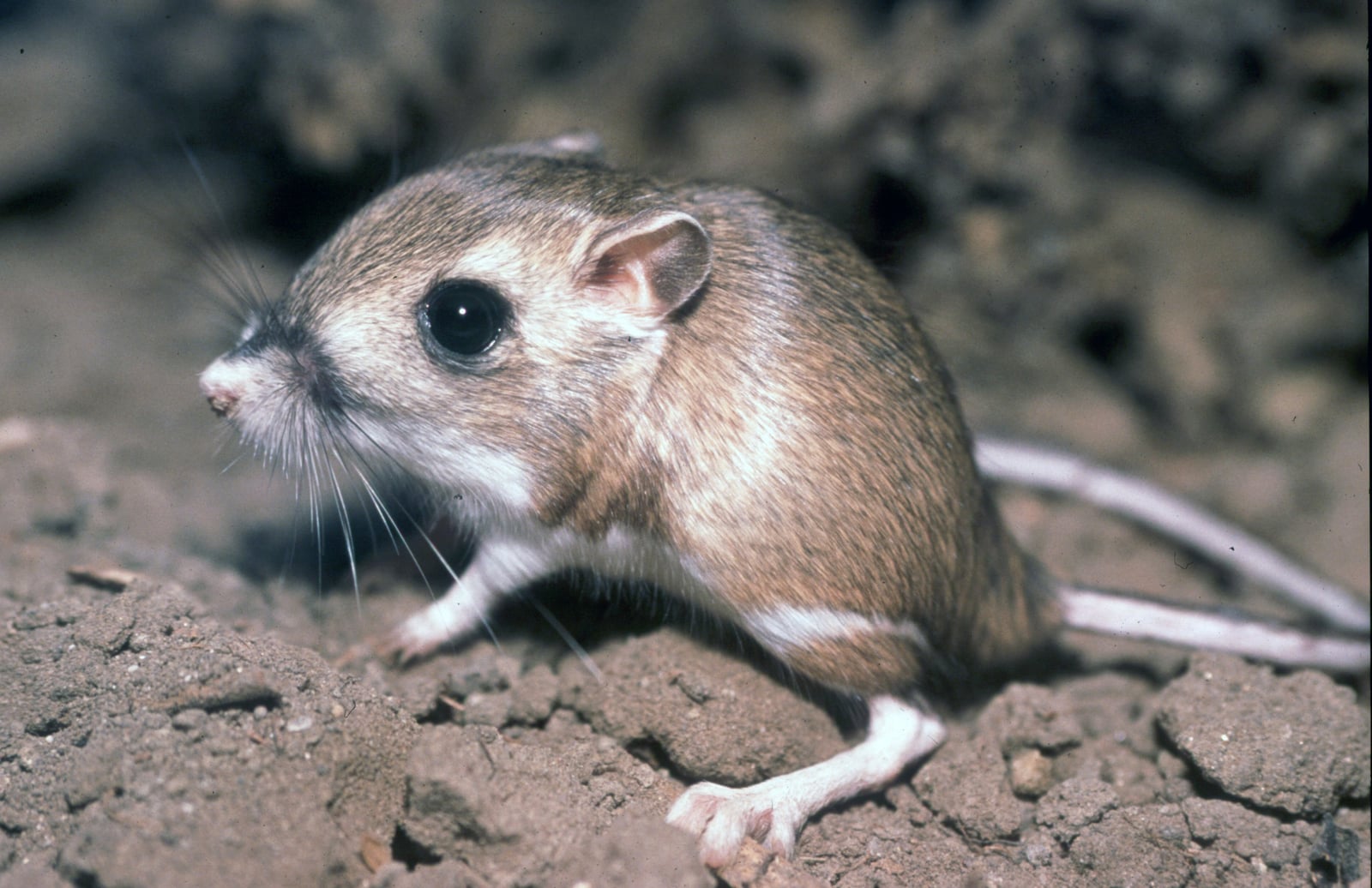
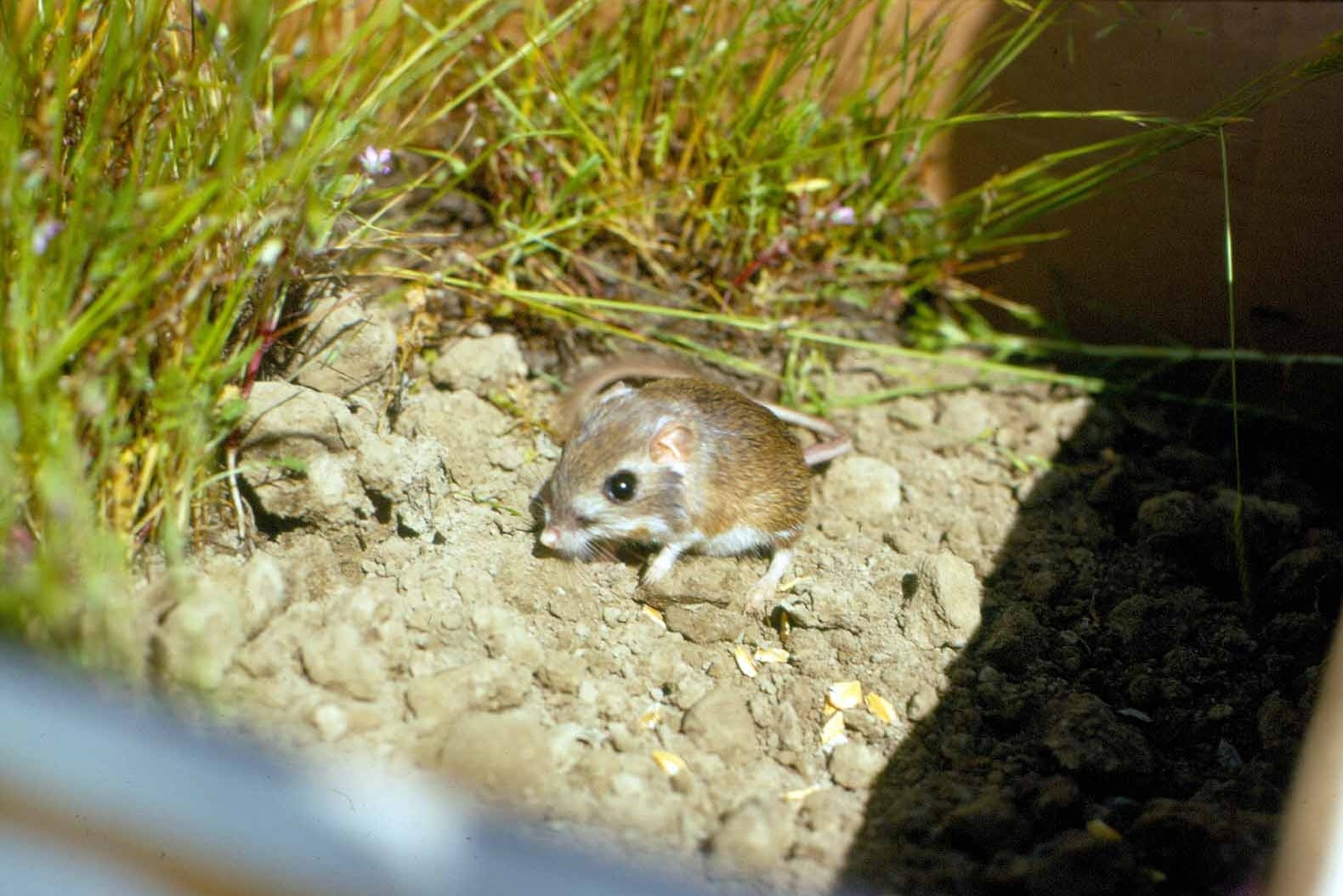
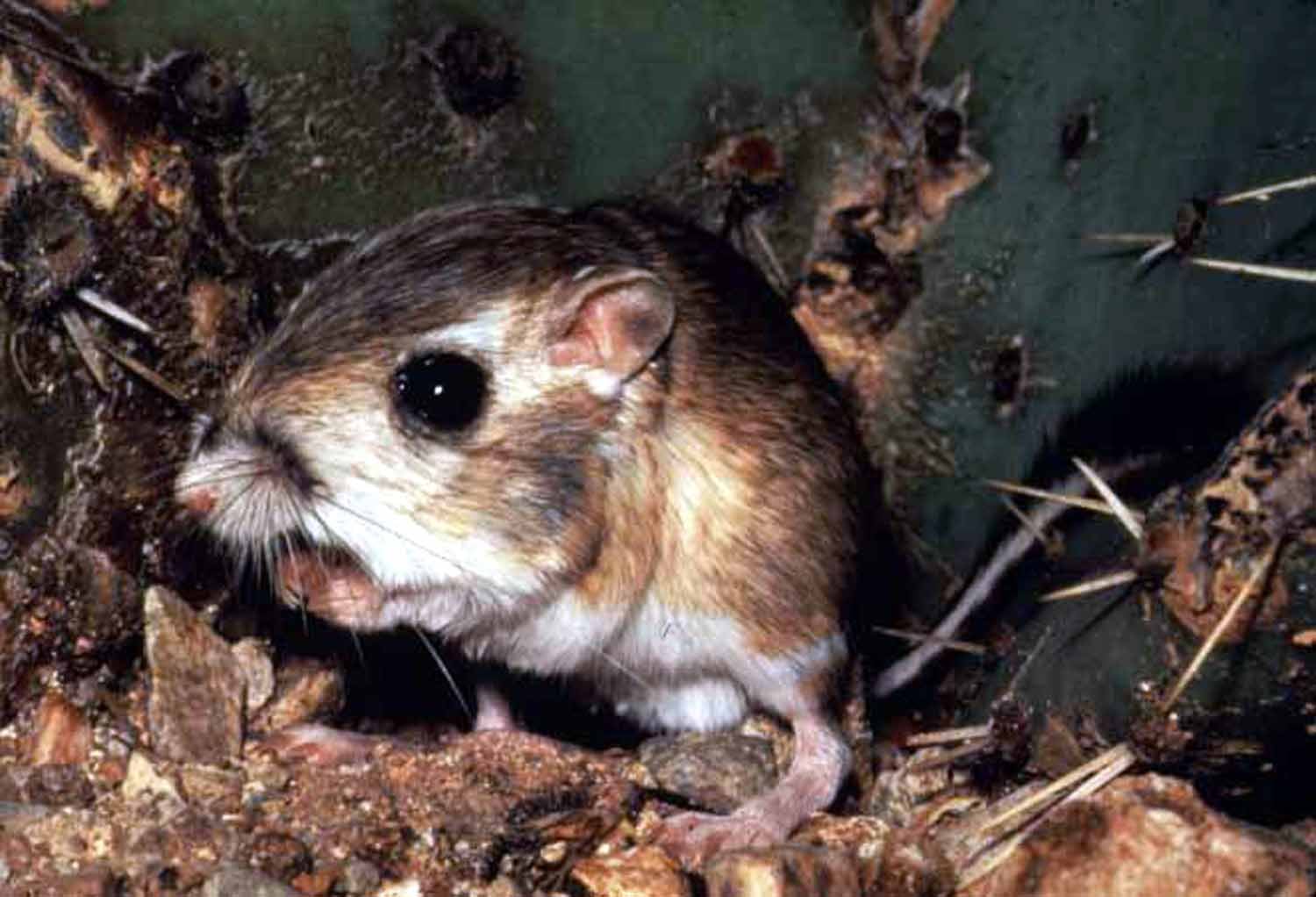
Fresno kangaroo rat in California

Dipodomys nitratoides

Native to California SNR Unranked in California

Not listed as nonindigenous in California by USGS NAS; native to its California range.

IUCN Red List status

  1. LC
  2. NT
  3. VU
  4. EN
  5. CR
  6. EW
  7. EX

VU – Vulnerable

High risk of extinction in the wild.

Fresno kangaroo rat in California, by the numbers

Occasional in California 154th most recorded of 233 mammals logged in California

43 occurrence records
22 with iNaturalist photos

Records from 2000–2026.

When to look for the Fresno kangaroo rat in California

Most sightings fall in April.

43 California occurrence records (iNaturalist and GBIF) by month of year, 2000–2026. Shows when the species is recorded, not a guarantee of presence.

Monthly California records (table)
MonthRecords
January0
February2
March0
April15
May3
June4
July0
August9
September6
October1
November2
December1

Monthly fresno kangaroo rat occurrence records (iNaturalist and GBIF) in California, 2000–2026.

Seasonality

Year-round in California, with recorded sightings peaking in April, with a smaller rise in August.

Occurrence map

Where Fresno kangaroo rat has been recorded in California

43 records mapped · zoom and drag to explore

43 California records mapped

Where it's recorded in California

CountyRecords
Kern County 29
San Luis Obispo County 6
Kings County 3
Tulare County 2
Fresno County 2
San Benito County 1

The complete county distribution, spread across 6 California counties. Every occurrence record falls in one county, so these sum to the total. Counties from GBIF and US Census boundaries.

The Fresno kangaroo rat belongs to the San Joaquin Valley floor and its dry western foothills, and its 43 California records stay inside that one region. Kern County holds 29 of them, San Luis Obispo County 6, and Kings, Tulare, Fresno, and San Benito counties only a handful between them.

Most of that valley floor is now farmland, roads, and towns, so the alkali scrub and sandy grassland this kangaroo rat depends on survive as scattered fragments. A nocturnal rodent this size seldom shows up in casual sightings, and blank stretches likely say more about where nobody traps at night than about where the animal is missing.

April is the busiest month with 15 records, and August adds a smaller second rise. With so few records in total, that timing more likely reflects when survey crews were working than any real shift in the animal’s activity. iNaturalist accounts for 22 of the records and GBIF for 34, with some entries shared between the two.
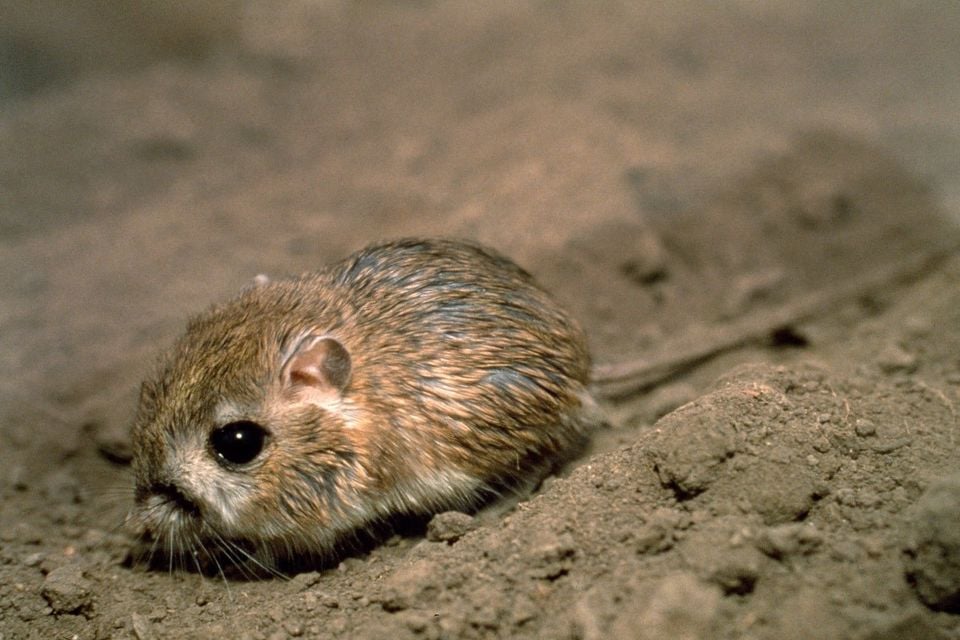

Occurrence data from iNaturalist and GBIF.

More mammals in California in the atlas

Data & sources

The data and visualizations on this page draw on these open sources:

  • GBIFCC-BY 4.0occurrence records behind the range map, elevation, and record counts
  • iNaturalistCC0 / CC-BY / CC-BY-SAobservations, photos, and audio recordings
  • NatureServe ExplorerCC-BYthe state conservation rank
  • IUCN Red Listattributed factthe global conservation status
  • USGS NASpublic domainnative / introduced status
  • Natural Earthpublic domainthe relief basemap
  • USFSpublic domainnational-forest boundaries




