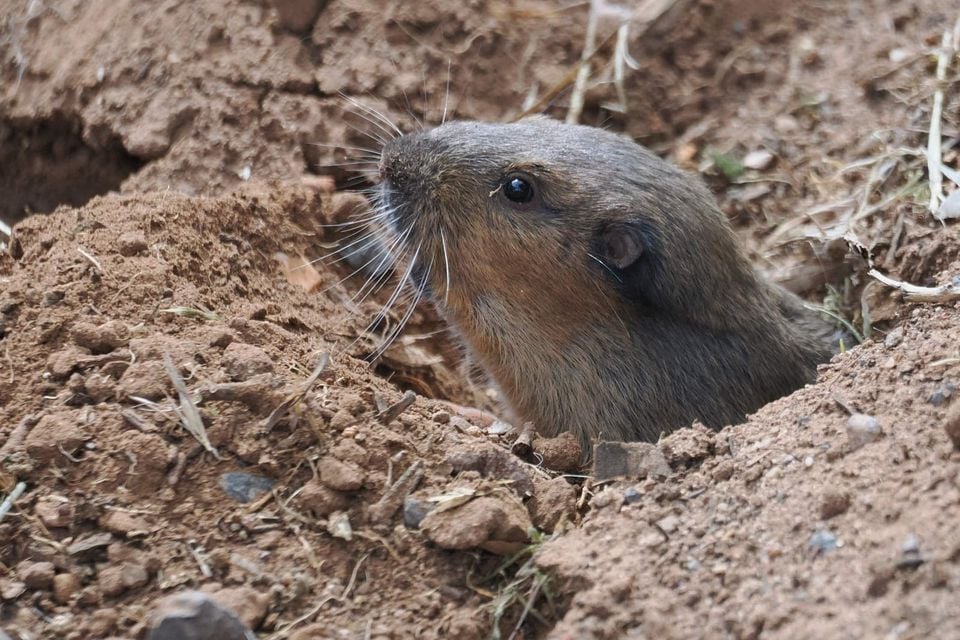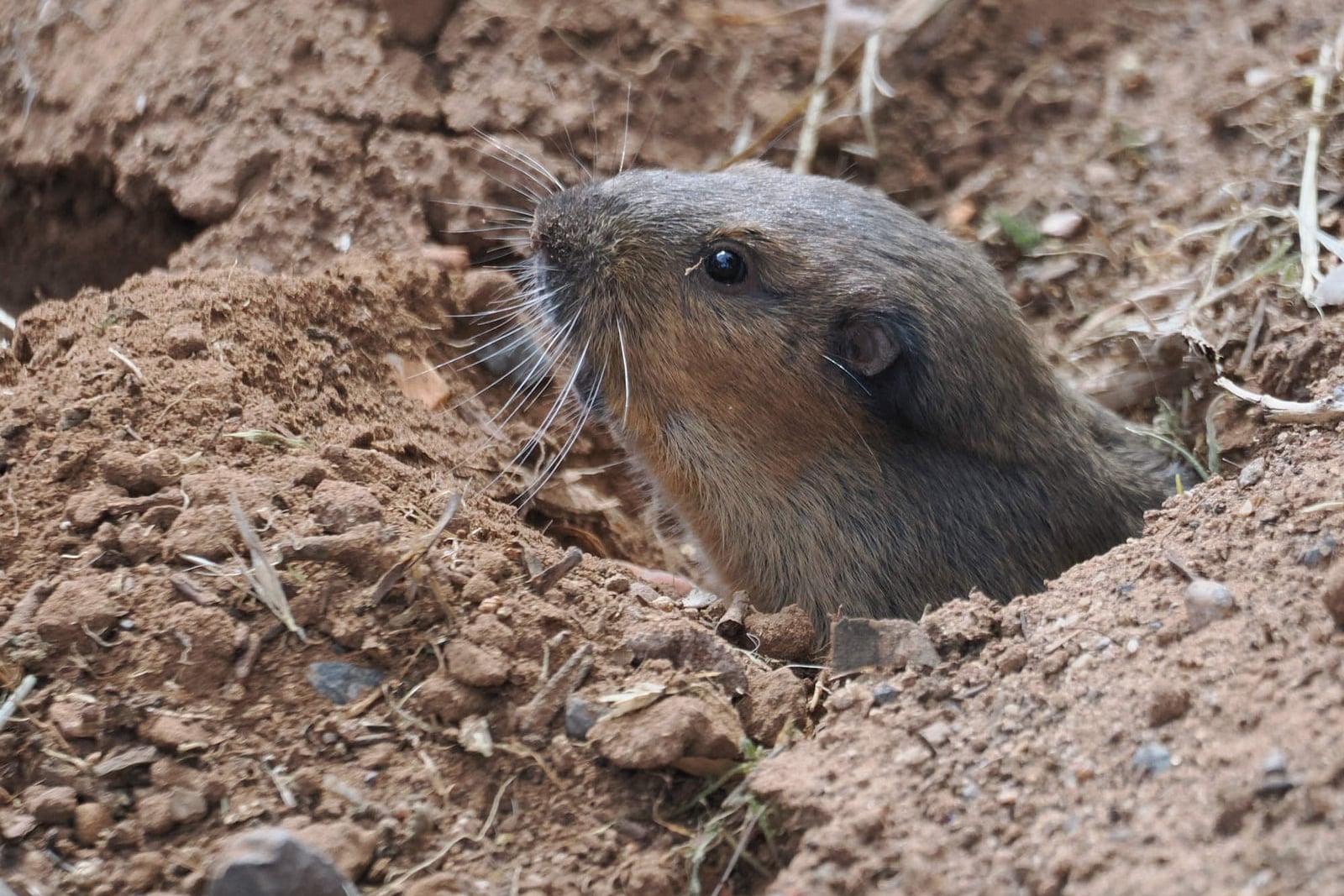
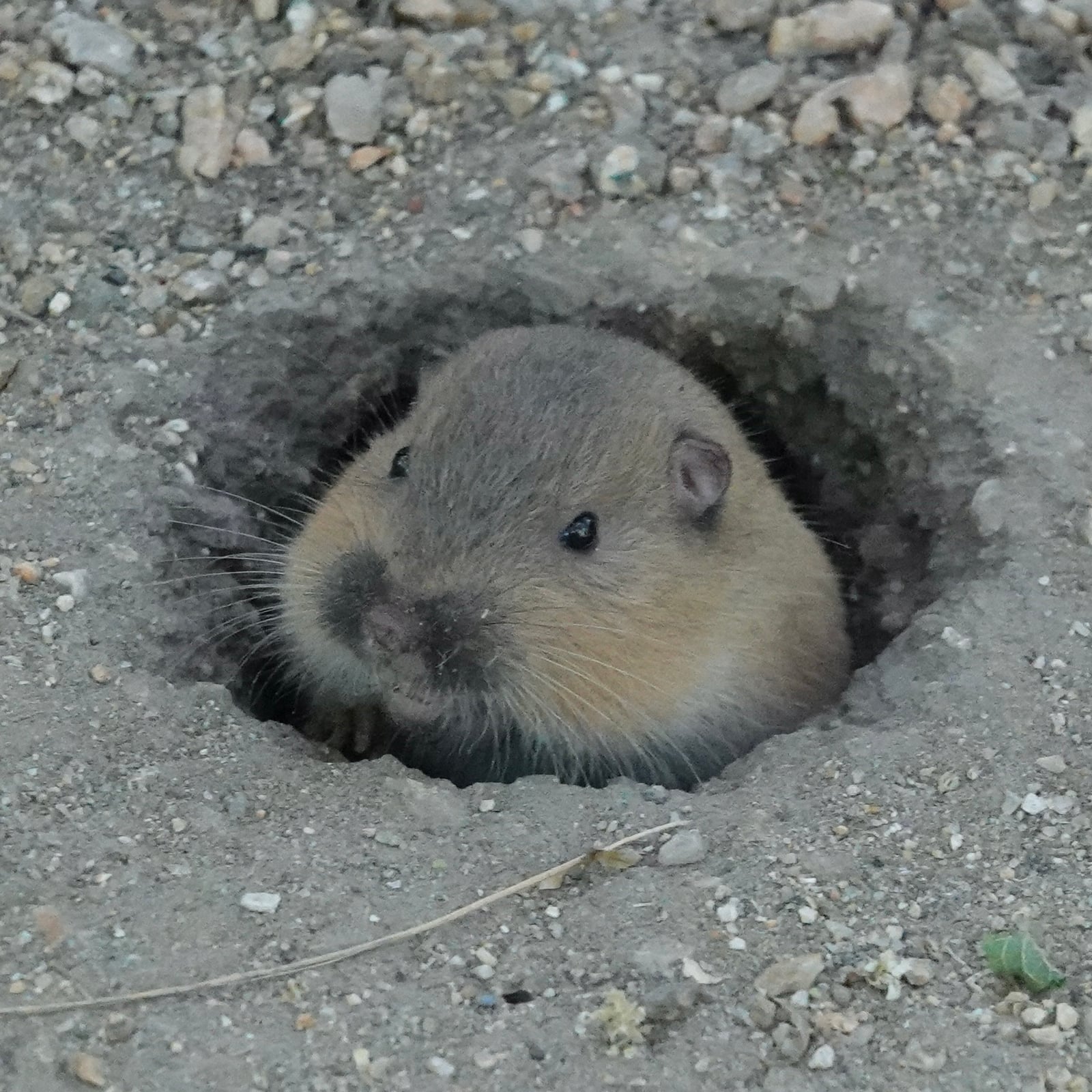
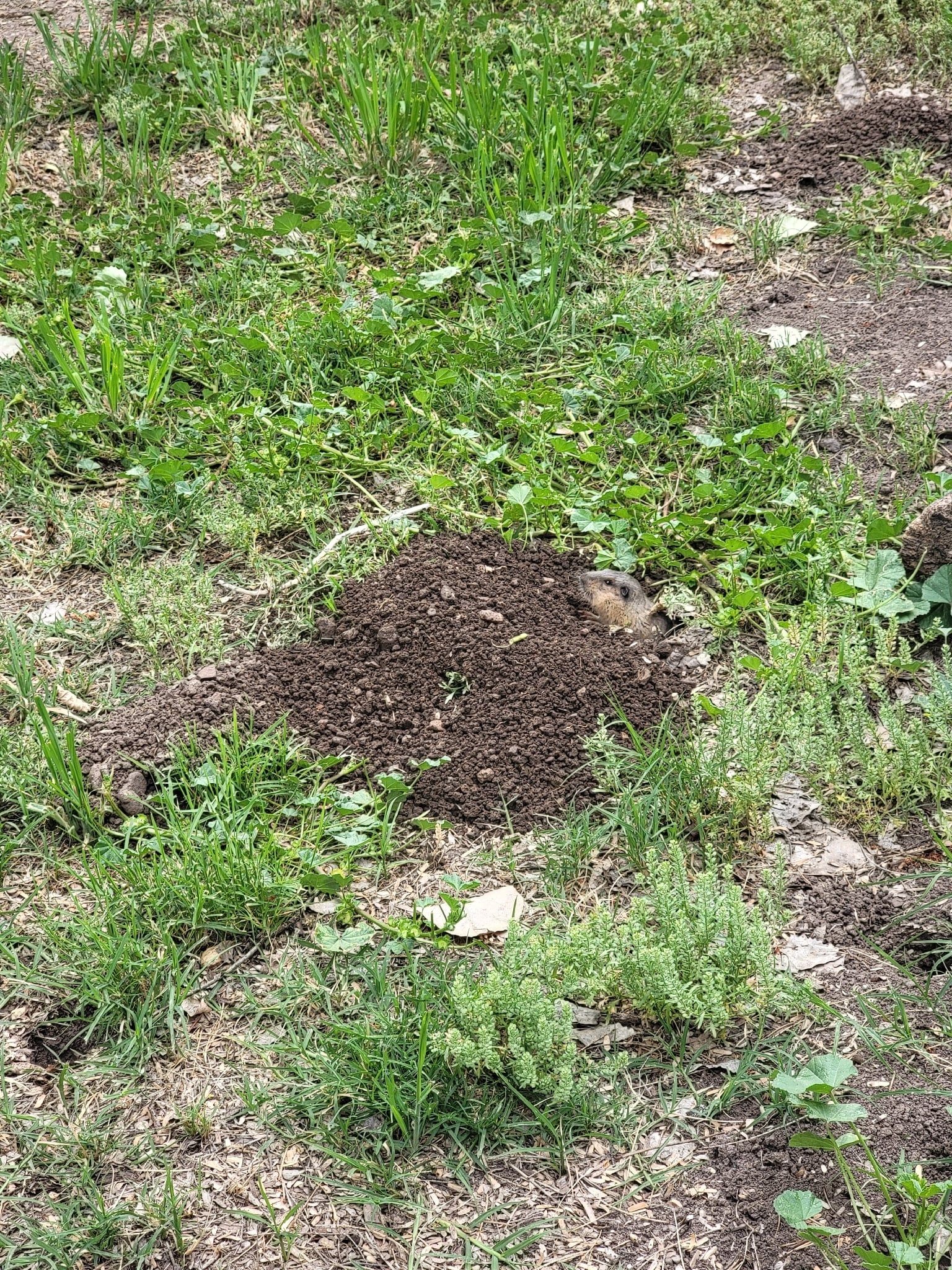
California has just 10 fulvous pocket gopher records since 2000, all of them iNaturalist observations. That thin record says as much about how rarely a burrowing rodent is seen, and how recently the species got its own name, as it does about where it actually lives.
A southeastern desert digger
Nine of the 10 records fall in the southeastern counties, six in Riverside, two in San Bernardino and one in Imperial, and Joshua Tree National Park and Mojave National Preserve hold one record each. The tenth is an outlier from Tulare County, inside Sequoia National Park. The desert in the southeast isn’t one continuous habitat but a patchwork of loose, diggable soil separated by mountain ranges, exactly the kind of ground a burrowing rodent needs.
A name that changed under it
Until recently, this gopher was folded into the wider Botta’s pocket gopher grouping, and researchers are still testing where the boundary between the two species actually falls. Observations filed under the broader Botta’s name may hide part of this gopher’s California footprint, so its documented range here is probably incomplete. The animal itself digs with strong claws and front teeth built for cutting through roots and hard ground, carrying loosened plant material in fur-lined cheek pouches that stay separate from the loose soil it moves.
Status in California
USGS NAS lists no nonindigenous record for the fulvous pocket gopher in California, so it’s treated as native across its mapped range here. Roads and expanding desert towns have broken up habitat in places, though pocket gophers also persist along field edges and disturbed ground where loose soil remains diggable.