
The familiar pet has a tiny wild range
Golden hamsters, also called Syrian hamsters, come from dry farmland and steppe in northern Syria and southern Turkey. Their wild range is remarkably small compared with their global presence in homes and laboratories. They aren’t native to the United States.
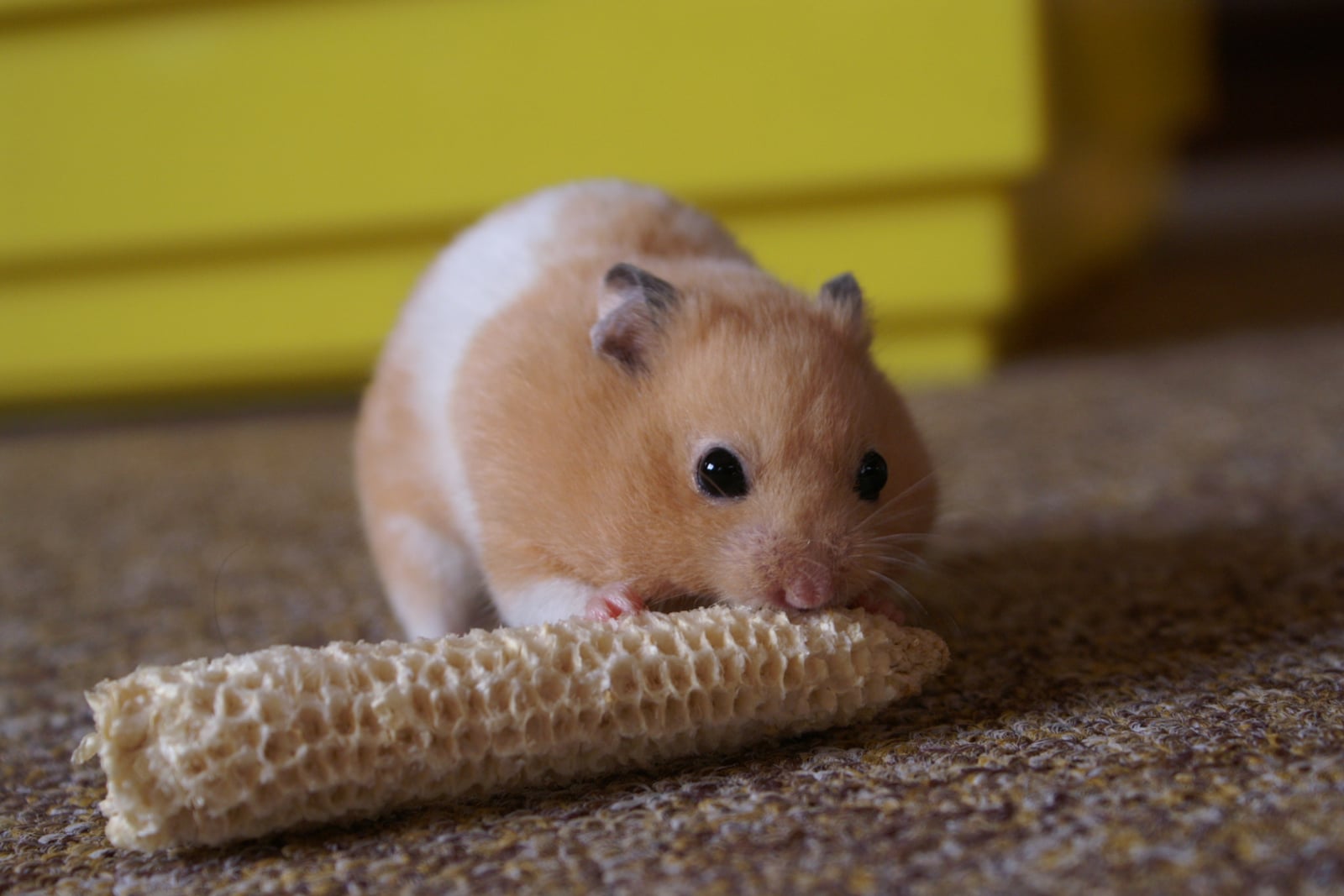
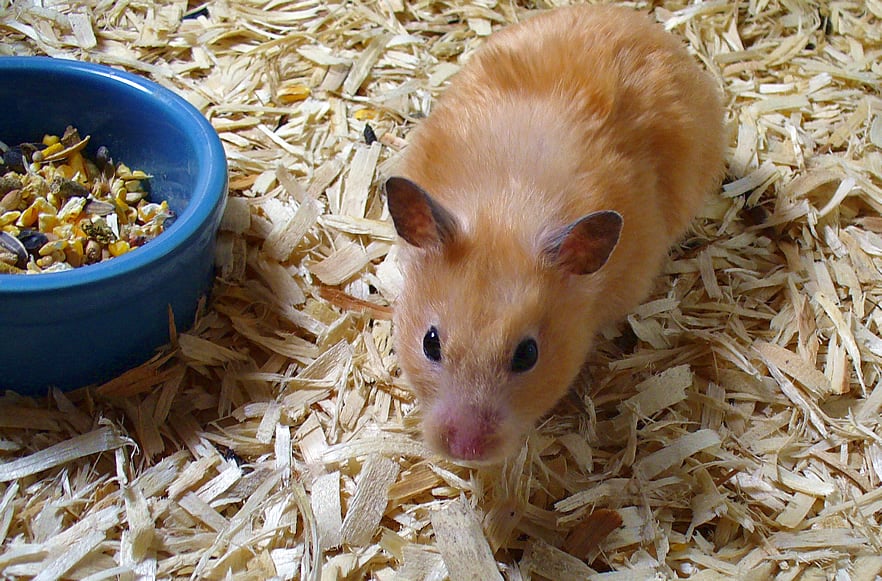
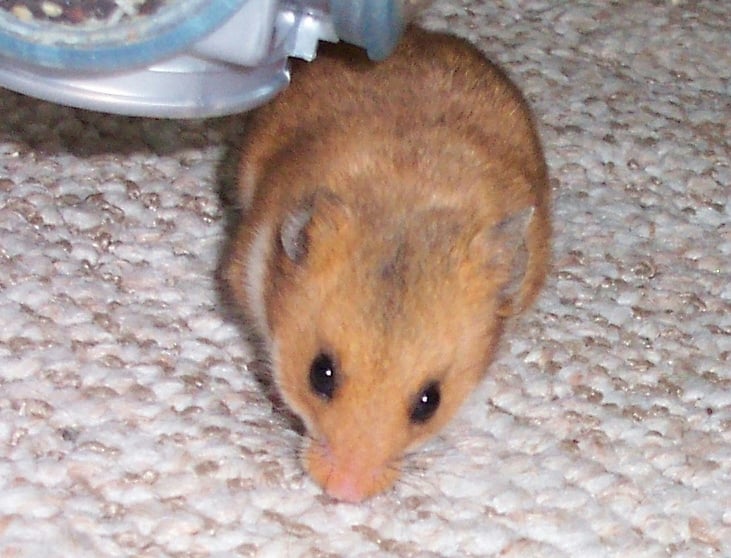
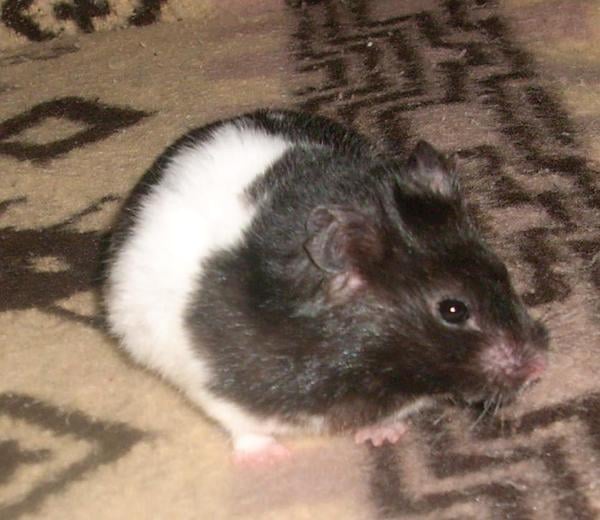
Most captive golden hamsters descend from a very limited number of founders collected in the twentieth century. Selective breeding then produced coats that can be cream, black, white, banded, or long-haired. Wild animals retain the golden-brown back and pale underside behind the common name.
Scattered American observations usually involve pets, captive settings, or escapes. They don’t show a self-sustaining wild population. Cold winters, predators, and unsuitable ground would challenge an animal released far from its native climate.
Cheek pouches and underground stores
The hamster’s expandable cheek pouches run far back along the sides of the head. It fills them with seeds and other food, then carries the load to its burrow. Food remains outside the mouth during transport, so it can be stored dry.
A wild burrow contains more than a sleeping chamber. Side tunnels may hold food, nesting material, and waste in separate areas. The underground system softens temperature swings and protects the hamster during daylight.
Seeds and grains form much of the diet, with green plants and small animals adding variety. Stored food helps bridge periods when surface feeding is risky. It also allows the hamster to retreat during bad weather without immediately running out of energy.
Why golden hamsters live alone
Adult golden hamsters are strongly solitary. Each animal maintains its own burrow and may attack another adult that enters outside the brief breeding period. This isn’t failed social behavior. It is the normal pattern for a species whose food stores are worth defending.
They are mainly nocturnal, emerging when heat and exposure fall. Whiskers, smell, and hearing guide movement in low light. Scent marks carry information about identity and breeding condition without requiring a close encounter.
Captive housing can make their territorial behavior easy to misunderstand. Familiarity between young littermates doesn’t guarantee tolerance as adults. Their natural history favors separation once they mature.
Fast growth and independent young
Breeding can proceed quickly when food and conditions are favorable. After a short pregnancy, a female gives birth in a lined chamber and cares for the litter alone. The young are born hairless, blind, and completely dependent.
They develop rapidly, beginning to explore and eat solid food while still young. That pace fits an animal exposed to unpredictable seasons and heavy predation. The mother may move the litter if she judges the nest disturbed.
Females can become defensive around a nursery. Disturbance, poor conditions, or unfamiliar smells may disrupt care. Wild mothers rely on the privacy of a deep burrow rather than an open nest.
Endangered in the wild, common in captivity
The IUCN lists the golden hamster as Endangered. Agricultural change, deliberate killing, and its naturally restricted distribution threaten wild populations. Being common as a captive animal doesn’t protect the landscapes or genetic variety of the wild species.
This contrast is central to understanding the hamster. Millions may live with people while relatively few remain in their native habitat. Conservation must focus on wild steppe and farmland systems, not simply the number of animals in captivity.
U.S. occurrence records require similar care. A report can confirm that someone documented a hamster, but it can’t establish origin or wild status without context. Notes about captivity and clear photographs keep pet records from being mistaken for an American wildlife range.




