
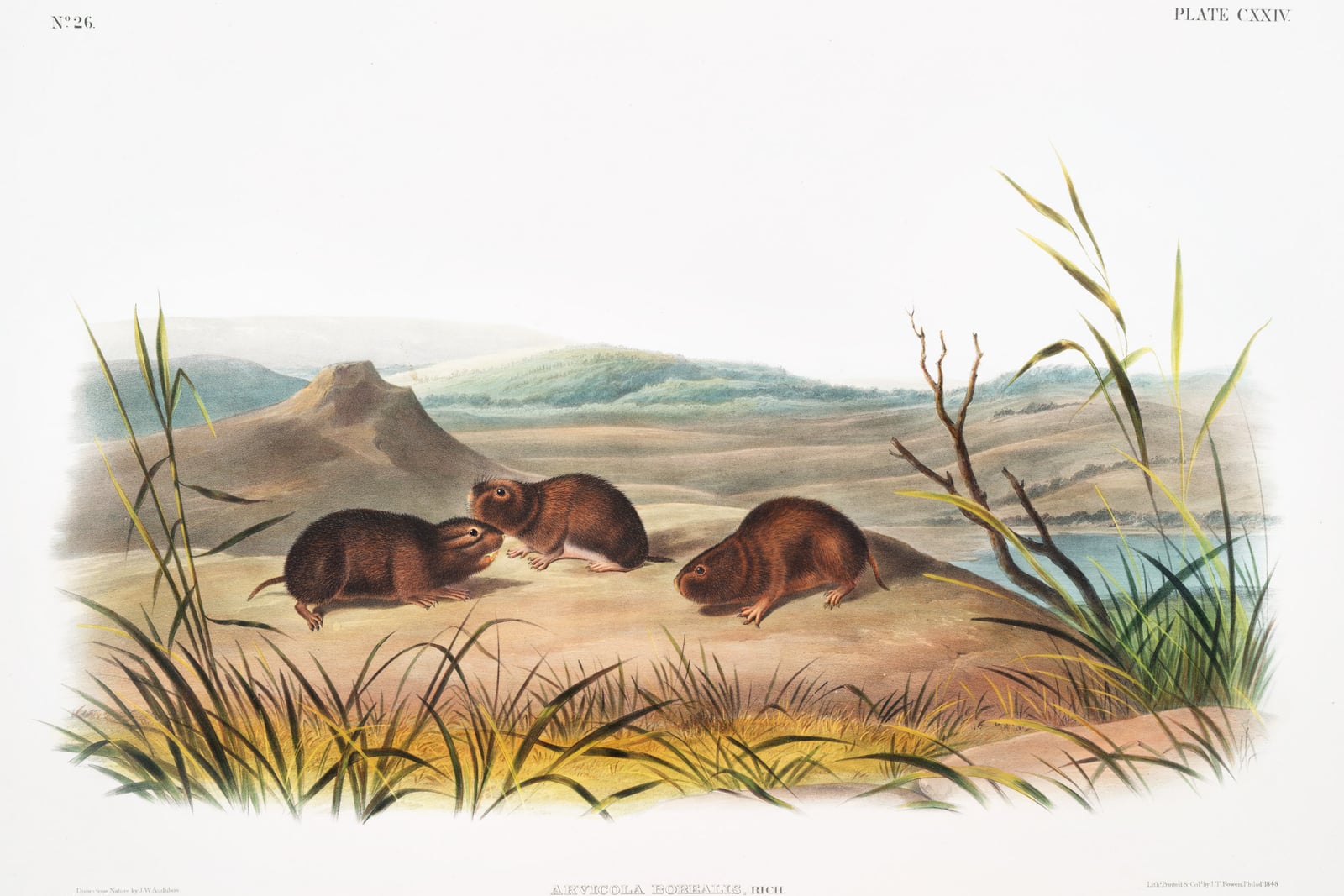
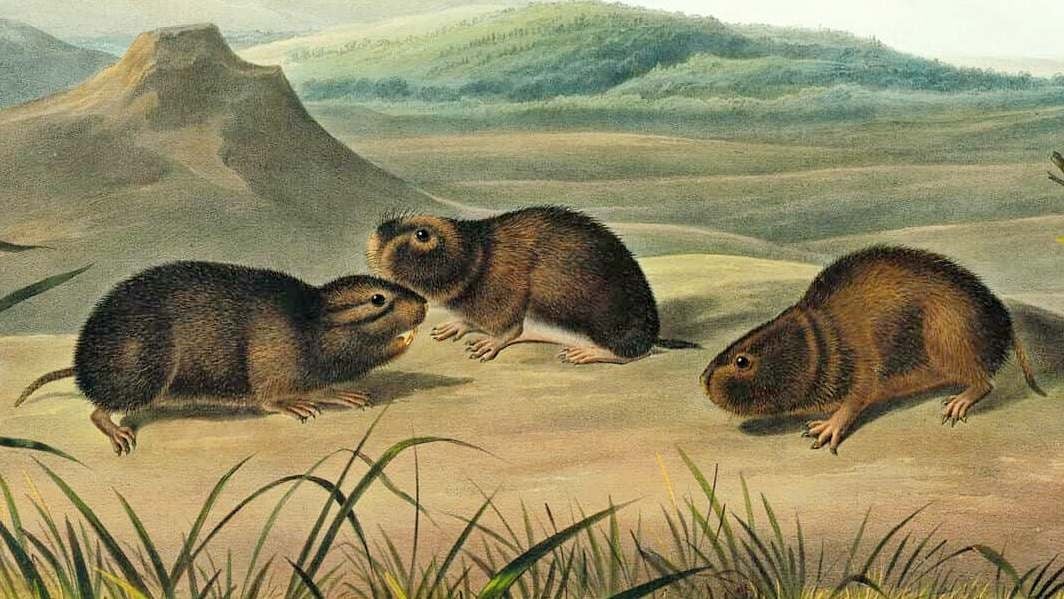
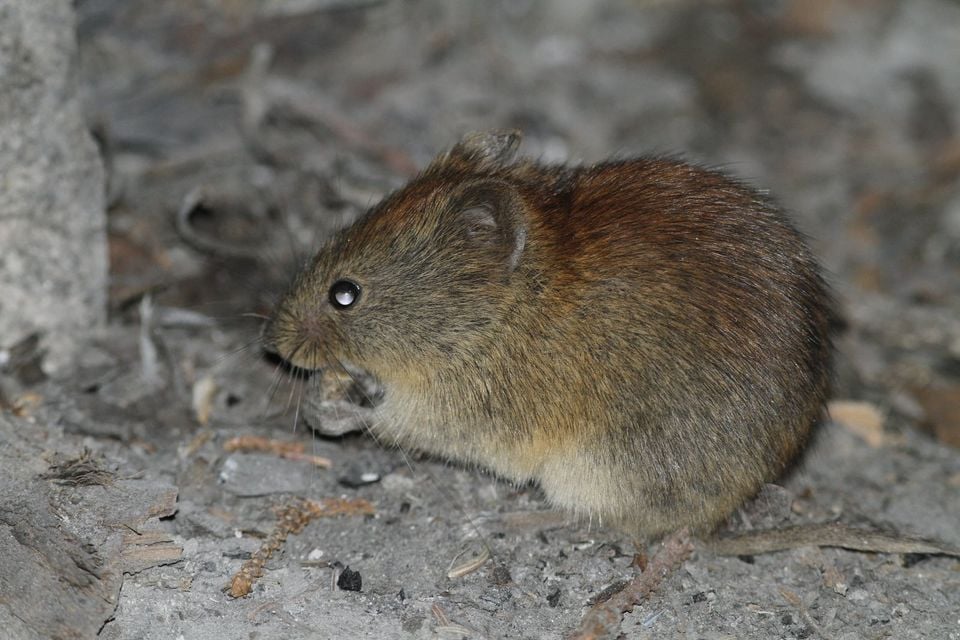
A lemming built for tunnels, not open ground
Most of what a northern bog lemming does happens out of sight, in shallow burrows and surface runways cut through moss, sedge, and matted grass. It rarely crosses open ground the way a vole or a squirrel might. That habit makes it one of the least-photographed small mammals in its range despite being reasonably widespread. Up close, the clearest way to separate it from a true vole is a set of narrow, deep grooves running down its upper front teeth. That’s a genus-level feature shared with its southern relative, and it isn’t visible without a close look.
Alaska’s population, and a few surprising outposts elsewhere
Nearly every documented record of the northern bog lemming in the US comes from Alaska, where it turns up across wetlands, tundra, grassland, and boreal forest. But the species doesn’t stop there. Small, disjunct populations persist much farther south, in isolated pockets of the northern Rockies and Cascades in states like Montana and Washington. Those are holdovers from a colder climate that once stretched much further south than it does now, a reminder that a species’ current range can be shaped as much by past ice ages as by present conditions.
An omnivore in name and diet
Unlike many of the strictly plant-eating voles and lemmings sharing its habitat, the northern bog lemming rounds out a mostly plant-based diet with a real share of invertebrates and other small prey, whatever a shallow tunnel through wet ground turns up. That broader diet may help it get by in habitats too wet or too disturbed for a pickier neighbor to manage.
Active around the clock, hunted by nearly everything bigger
Rather than keeping strictly to day or night, the species stays active in bursts across both, adjusting its schedule to weather, season, and how much daylight Alaska happens to have at the time. That flexibility doesn’t make it any safer. Most medium and larger mammals that eat smaller prey will take a bog lemming given the chance, and its main defense is simply staying hidden in the tunnels and runways it rarely leaves.




