
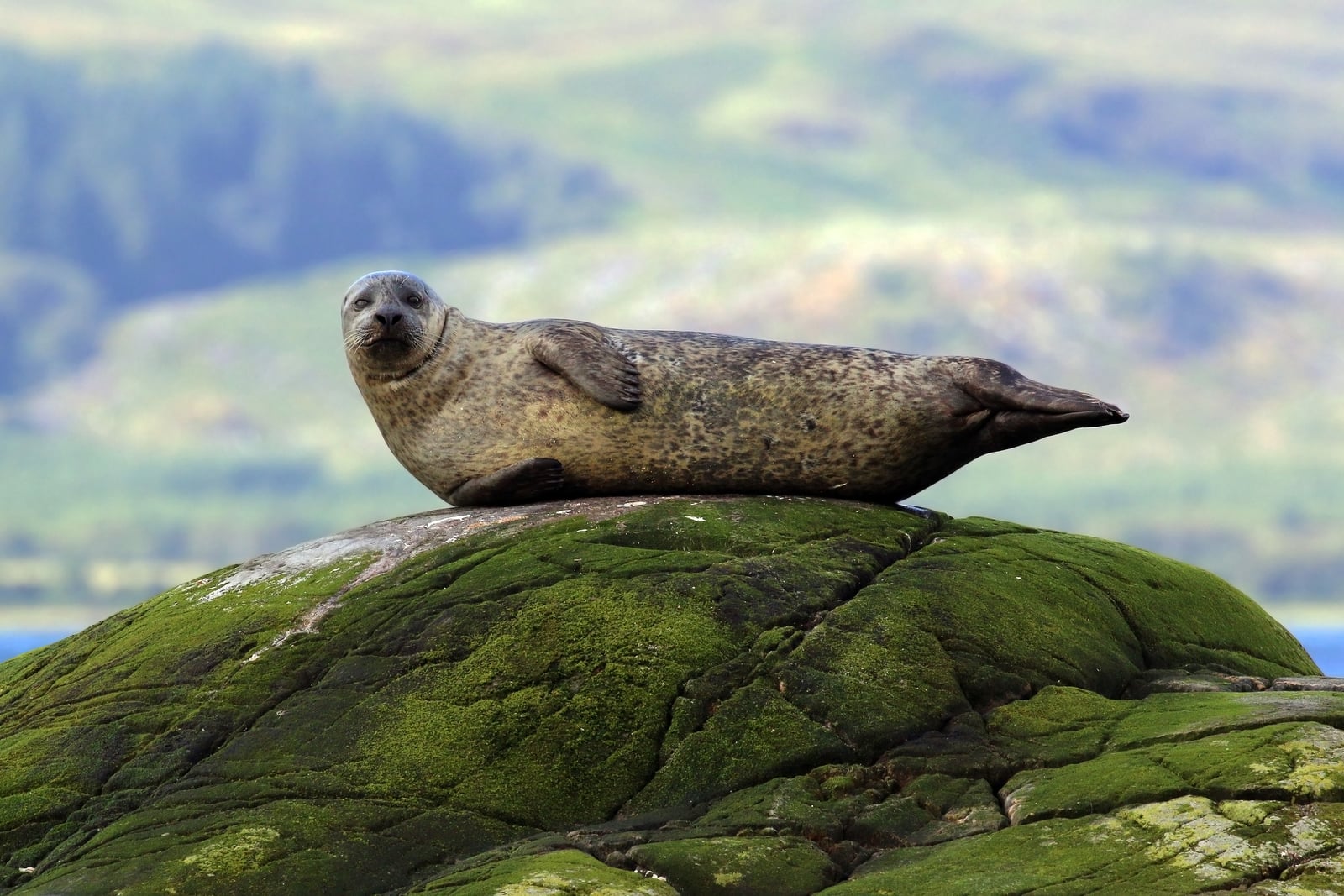
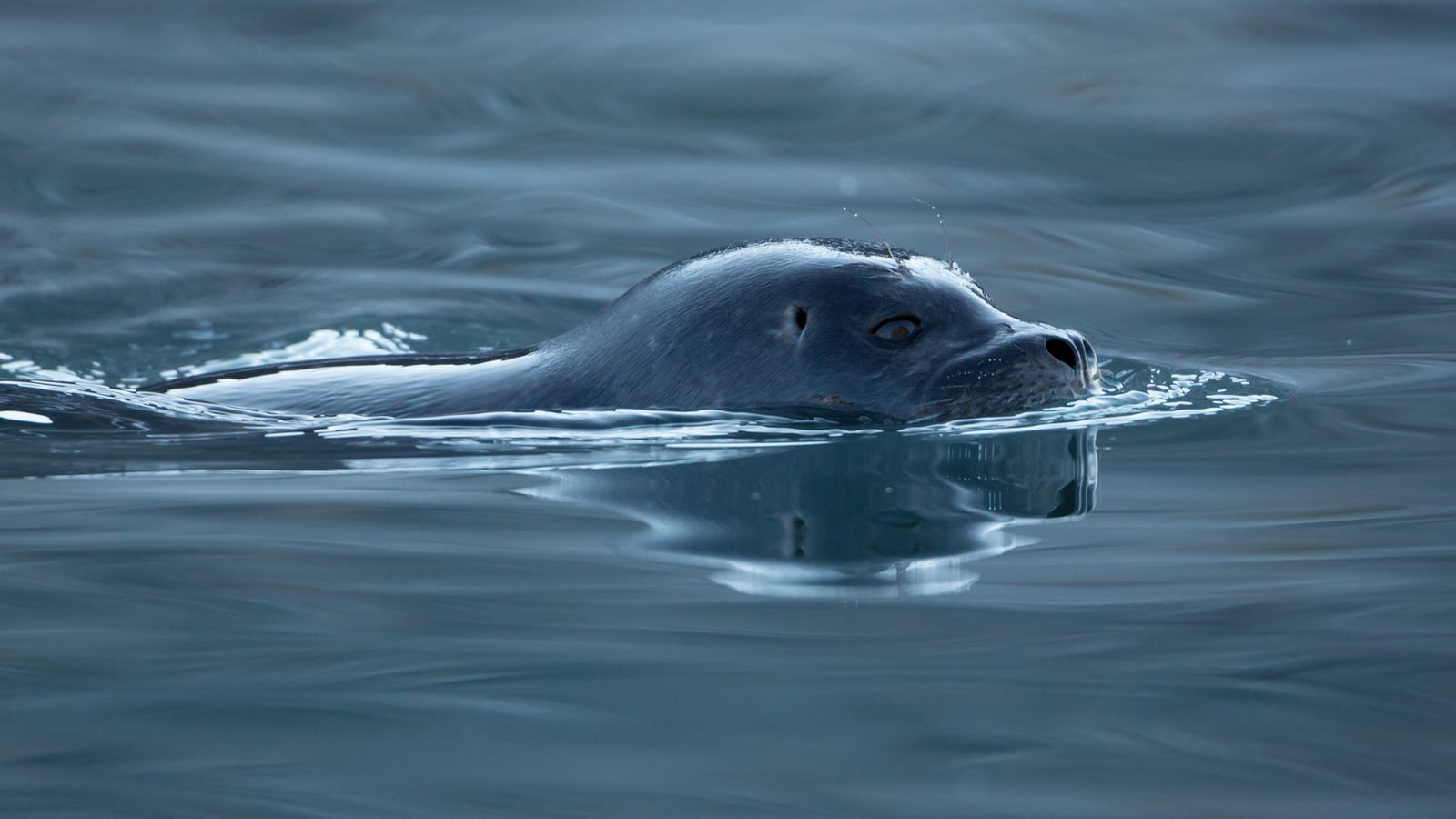
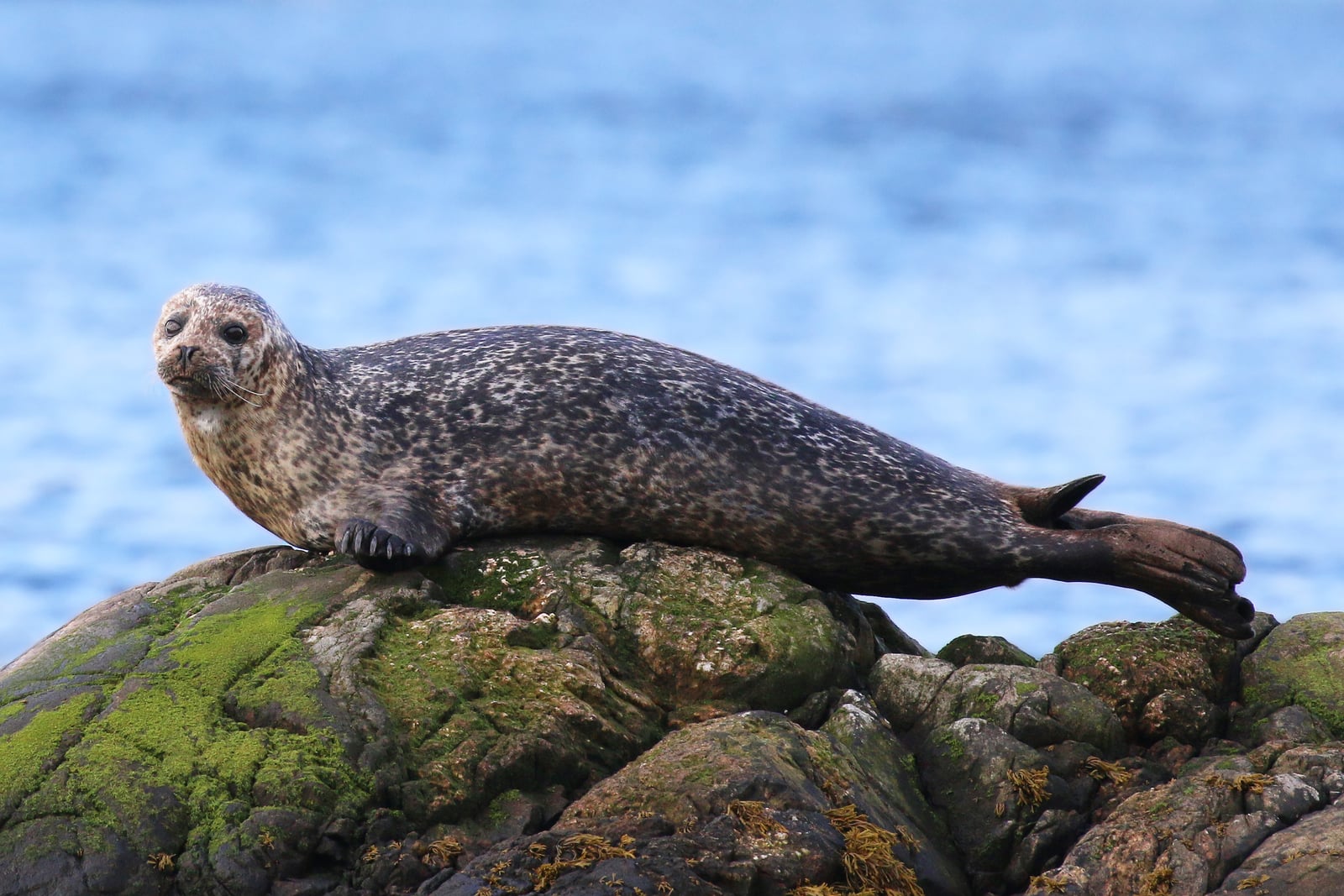
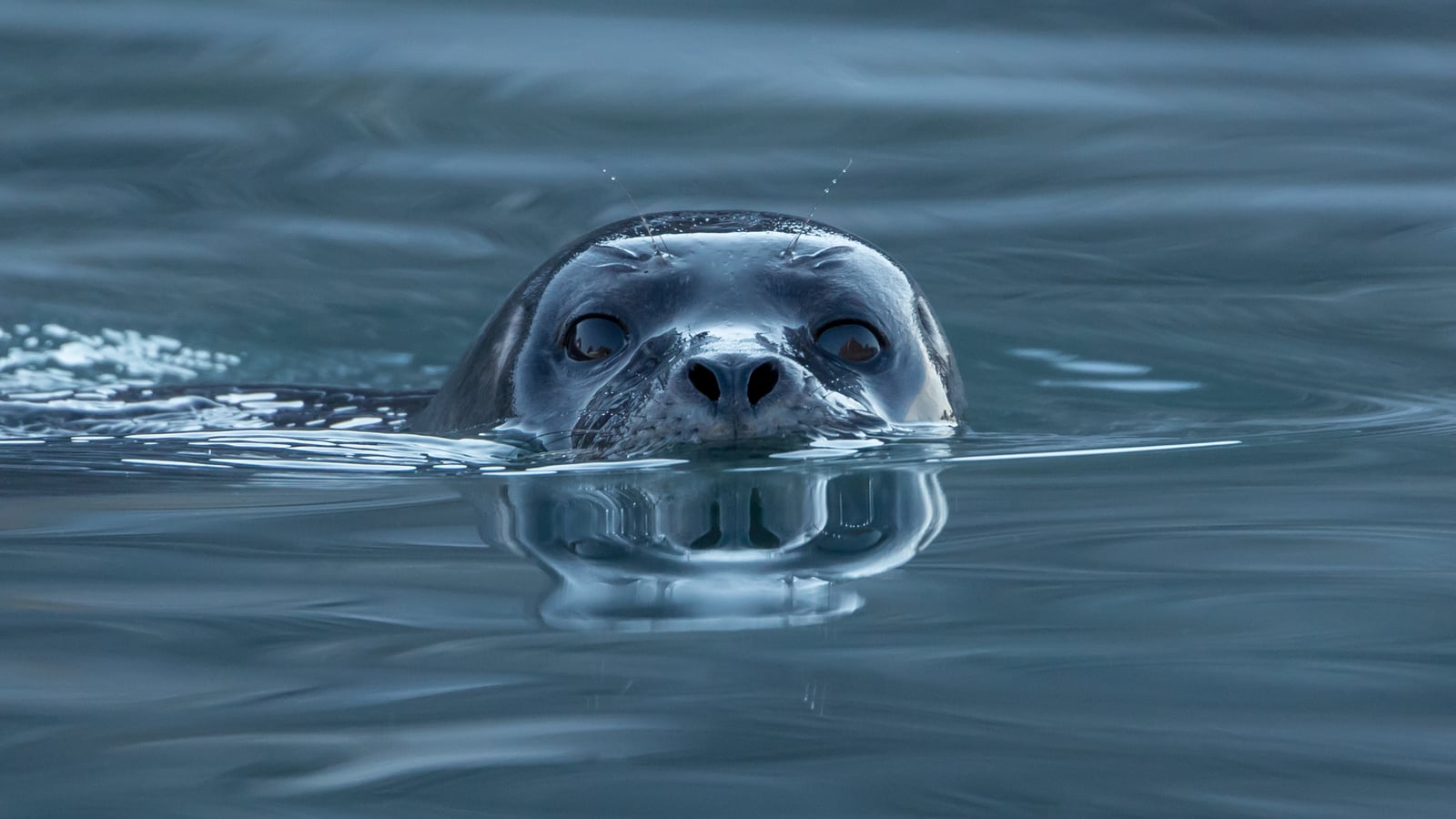
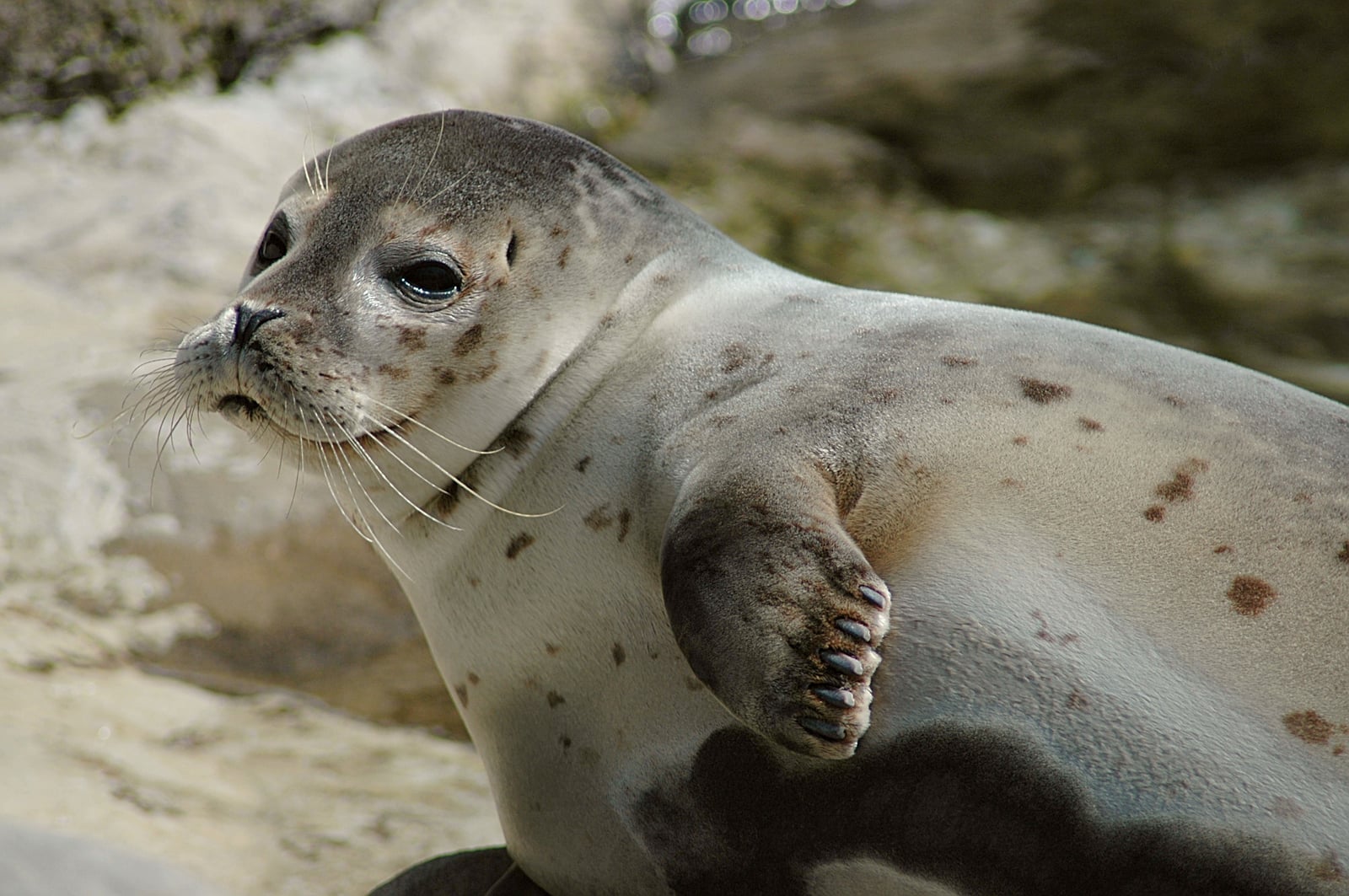
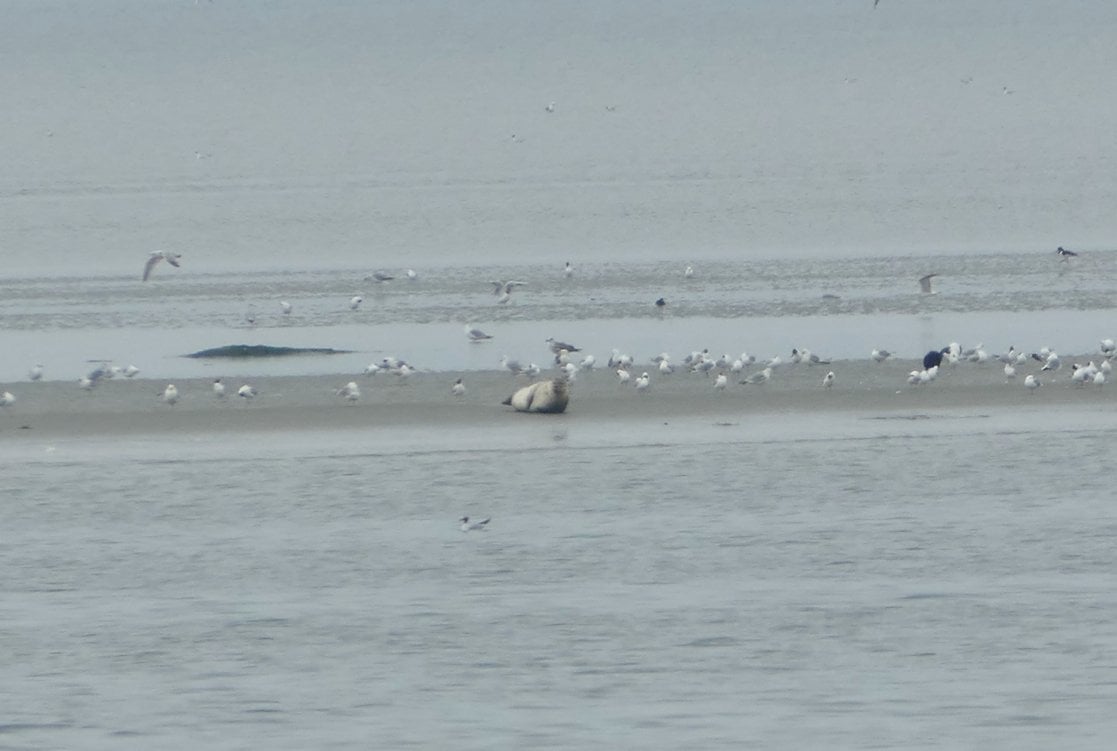
Harbor seals are among the most frequently recorded marine mammals in Alaska, with the densest cluster of reports around Kenai Fjords National Park, followed by Glacier Bay’s tidewater glaciers and Kodiak National Wildlife Refuge. Alaska sits at one end of a range that stretches from these Gulf of Alaska waters all the way to Maine and the Carolinas on the Atlantic side, making the harbor seal the most widely distributed seal species on the planet.
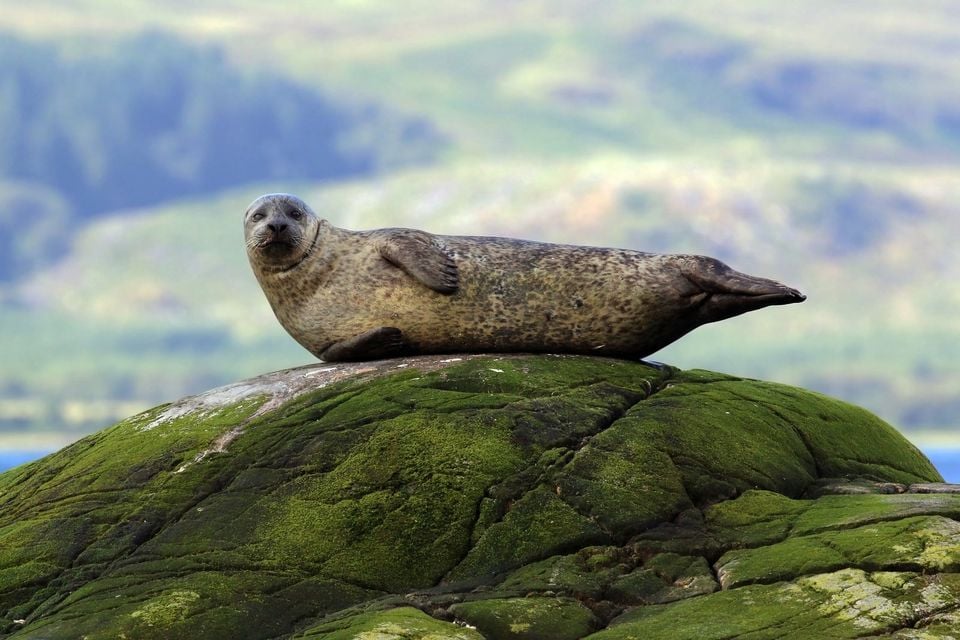
Around Kenai Fjords and Glacier Bay, harbor seals haul out on floating ice calved from tidewater glaciers as well as rocks and sandbars, resting between hunting trips close to shore. Alaska’s salmon runs make up a large share of their diet alongside other fish, and a compact, spotted, dog-faced seal hauled out on an ice floe is one of the signature sights of the state’s glacial fjords.
Records surge from June through August, when seals haul out in the largest numbers to molt and give birth to pups. That timing matches harbor seal biology nationwide, and the sheer number of Alaska reports reflects both a heavily visited coastline and a species recorded in every month of the year.
 Full species profile




