
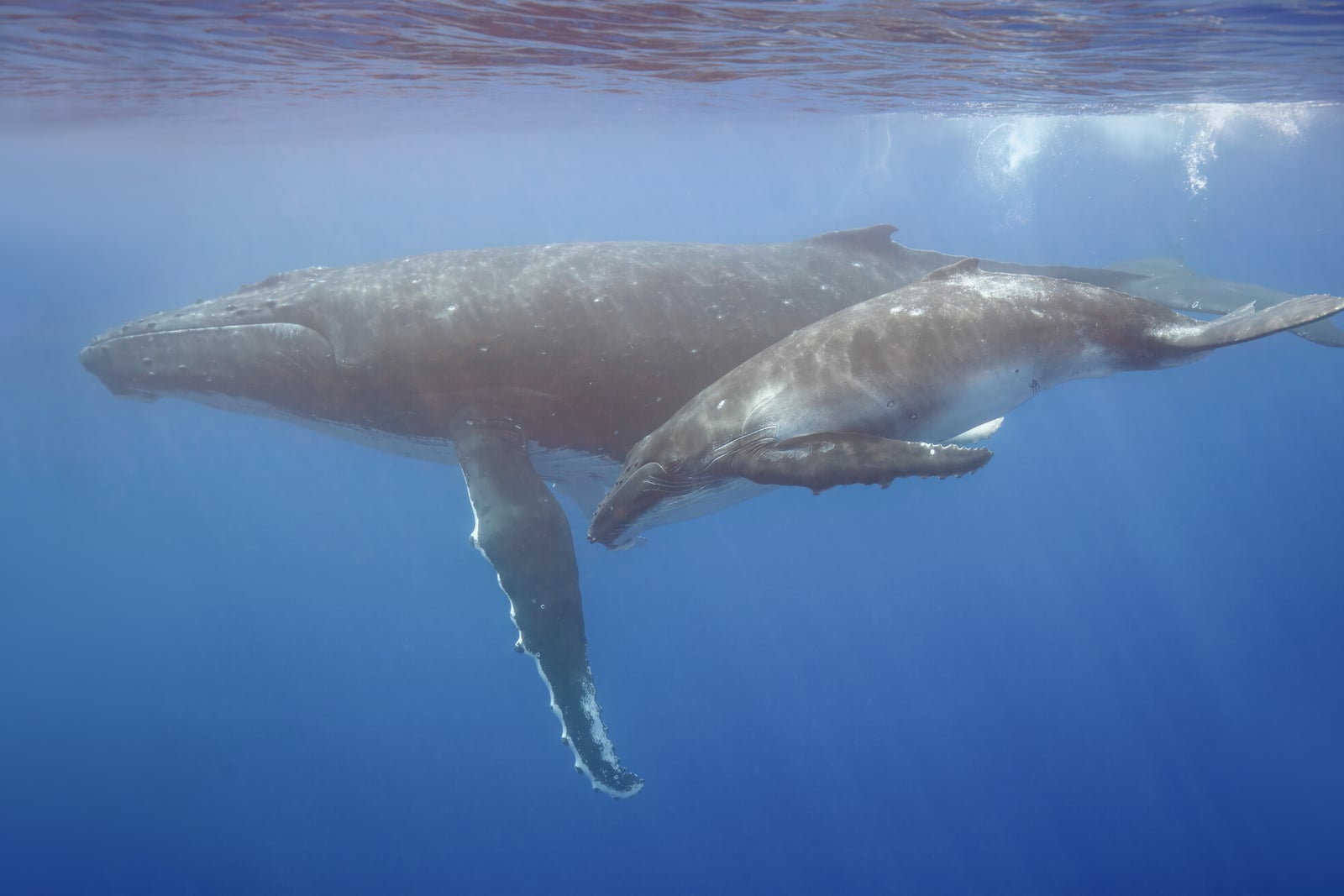
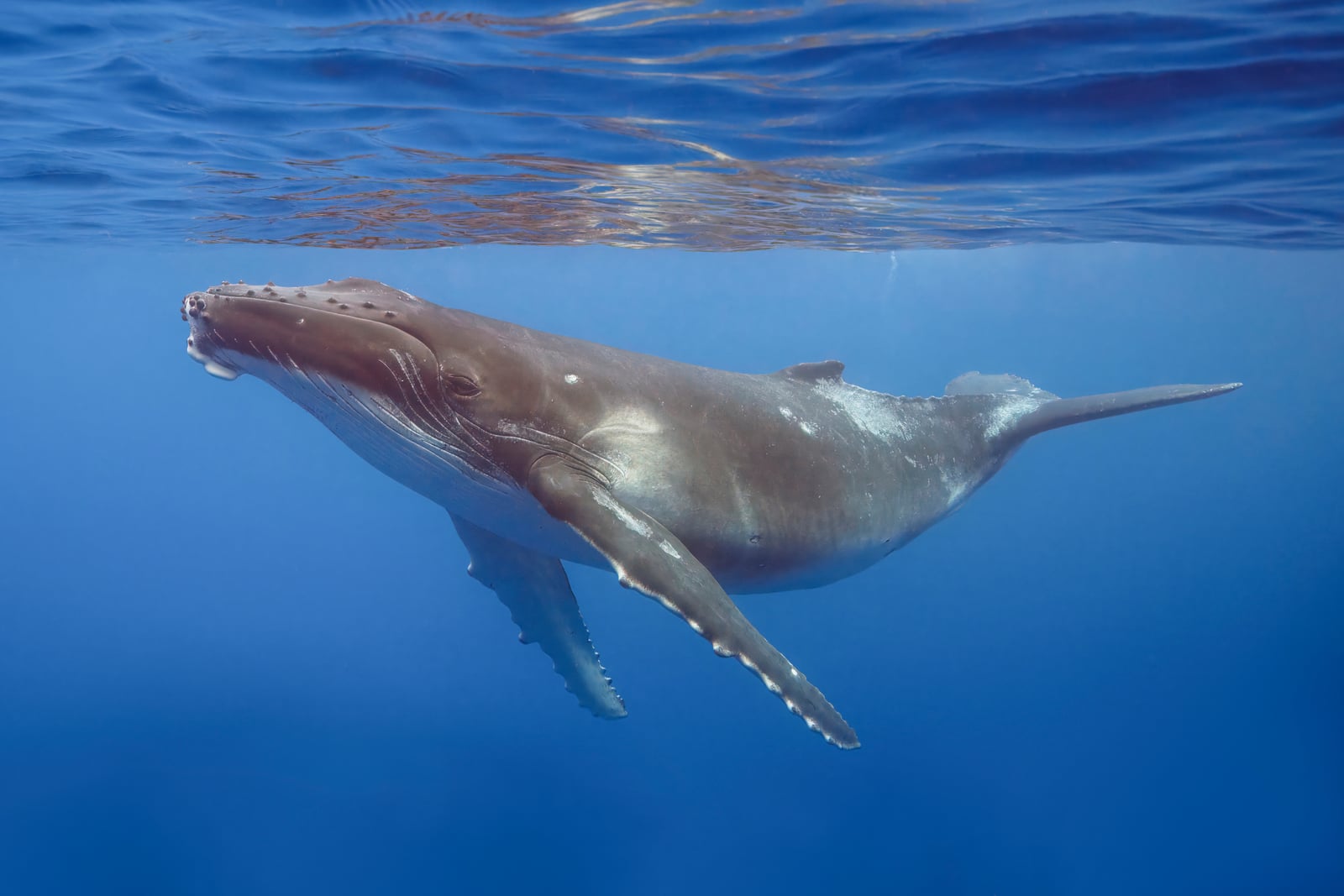
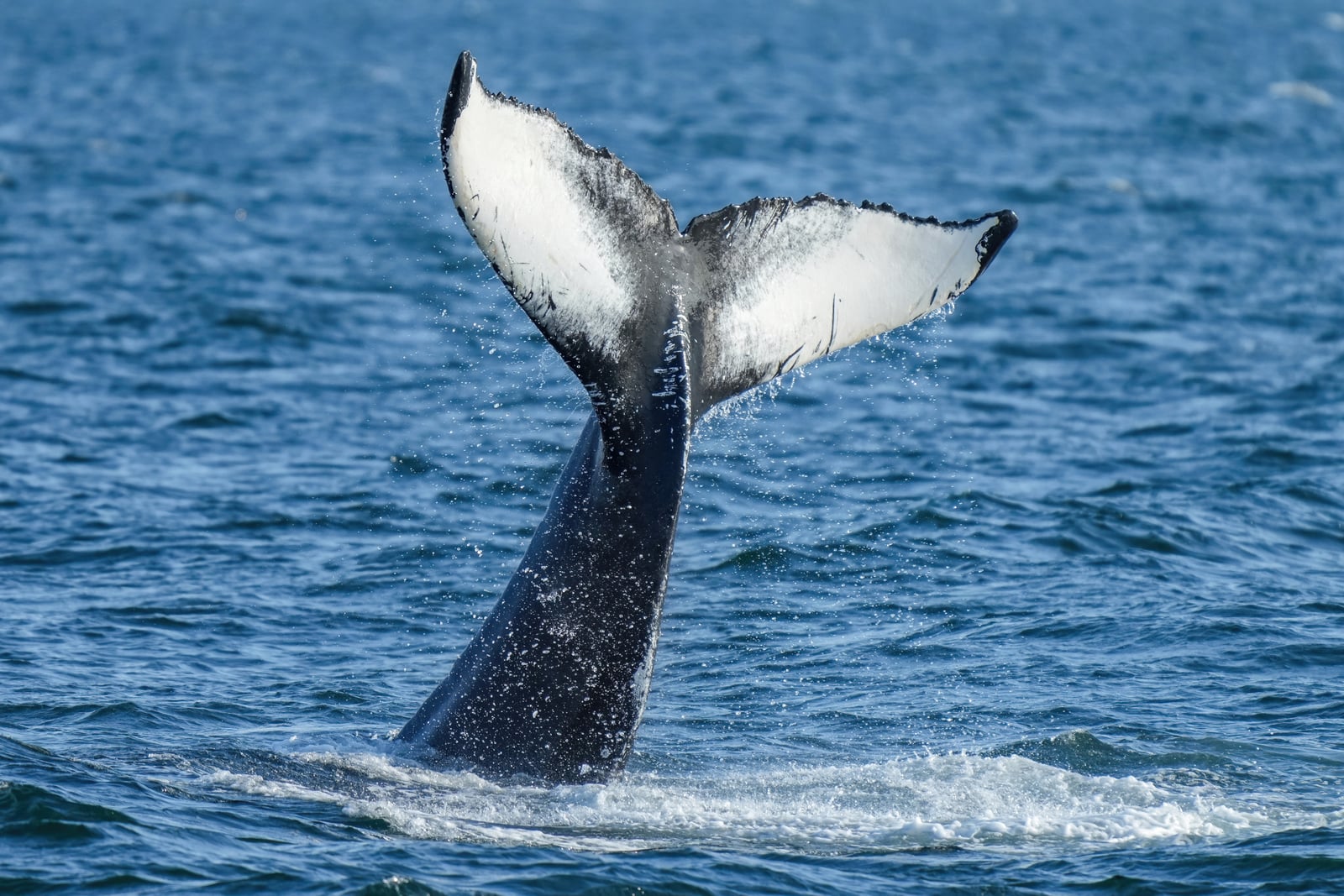
Hawaii’s humpback whale records run heaviest from December through March, concentrated in the shallow, sheltered waters between Maui, Molokaʻi, Lānaʻi, and Kahoʻolawe known as the ʻAuʻau Channel, one of the best-known humpback breeding and calving grounds in the Pacific. Reports also come from waters off the Big Island of Hawaiʻi and Kauaʻi as whales spread across the island chain.
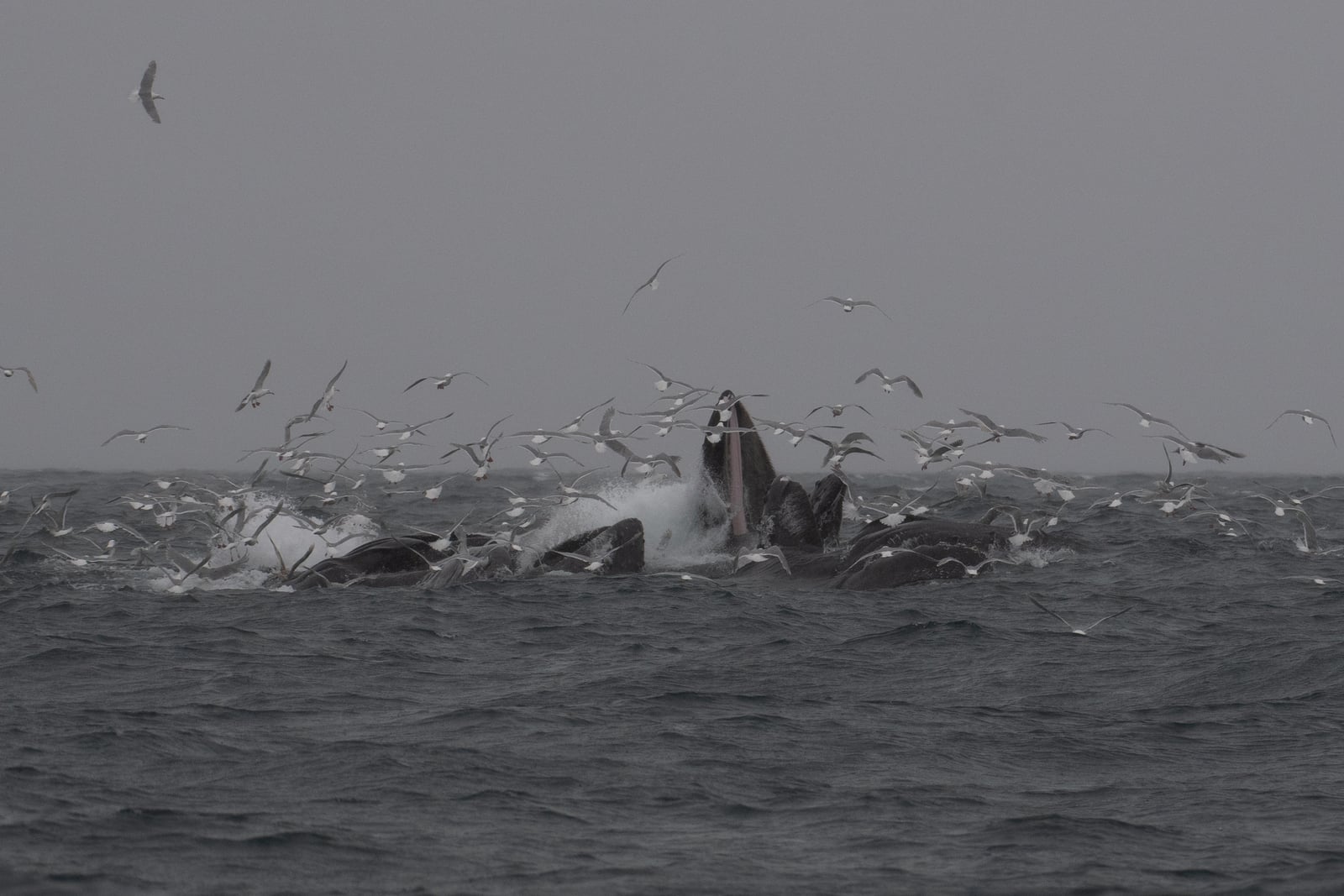
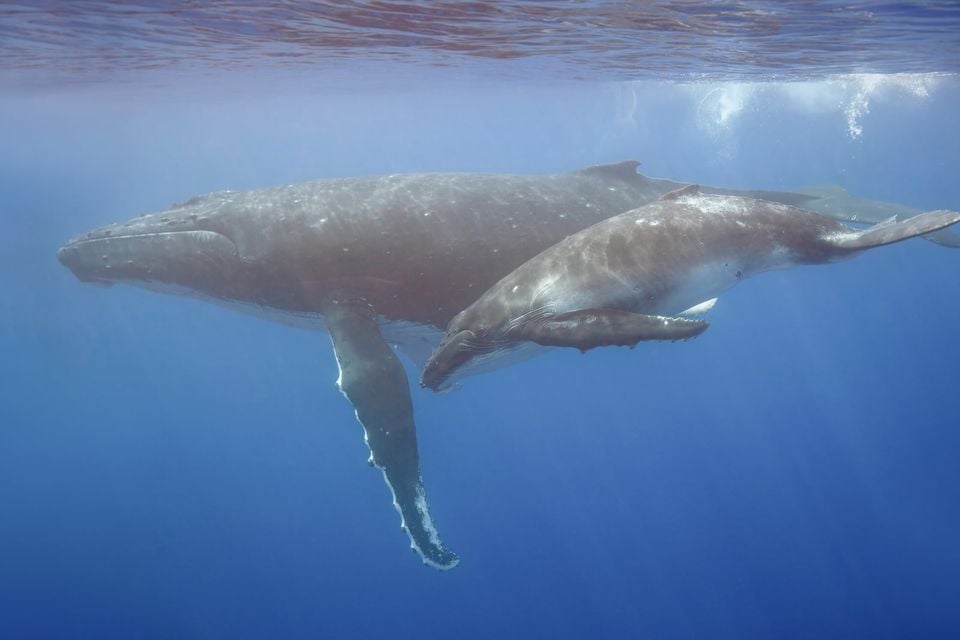
These whales fast through the winter, living off fat reserves built up feeding in Alaska the rest of the year. In Hawaii they focus on breeding, calving, and raising young calves in warm, calm water rather than feeding, a very different phase of the same long migratory loop that carries them north each spring to feed on krill and small schooling fish.
The sharp records peak from January through March traces the real seasonal migration, when humpbacks arrive to breed and calve, then thins out by summer as the whales head back toward Alaska’s colder, richer feeding grounds.
 Full species profile




