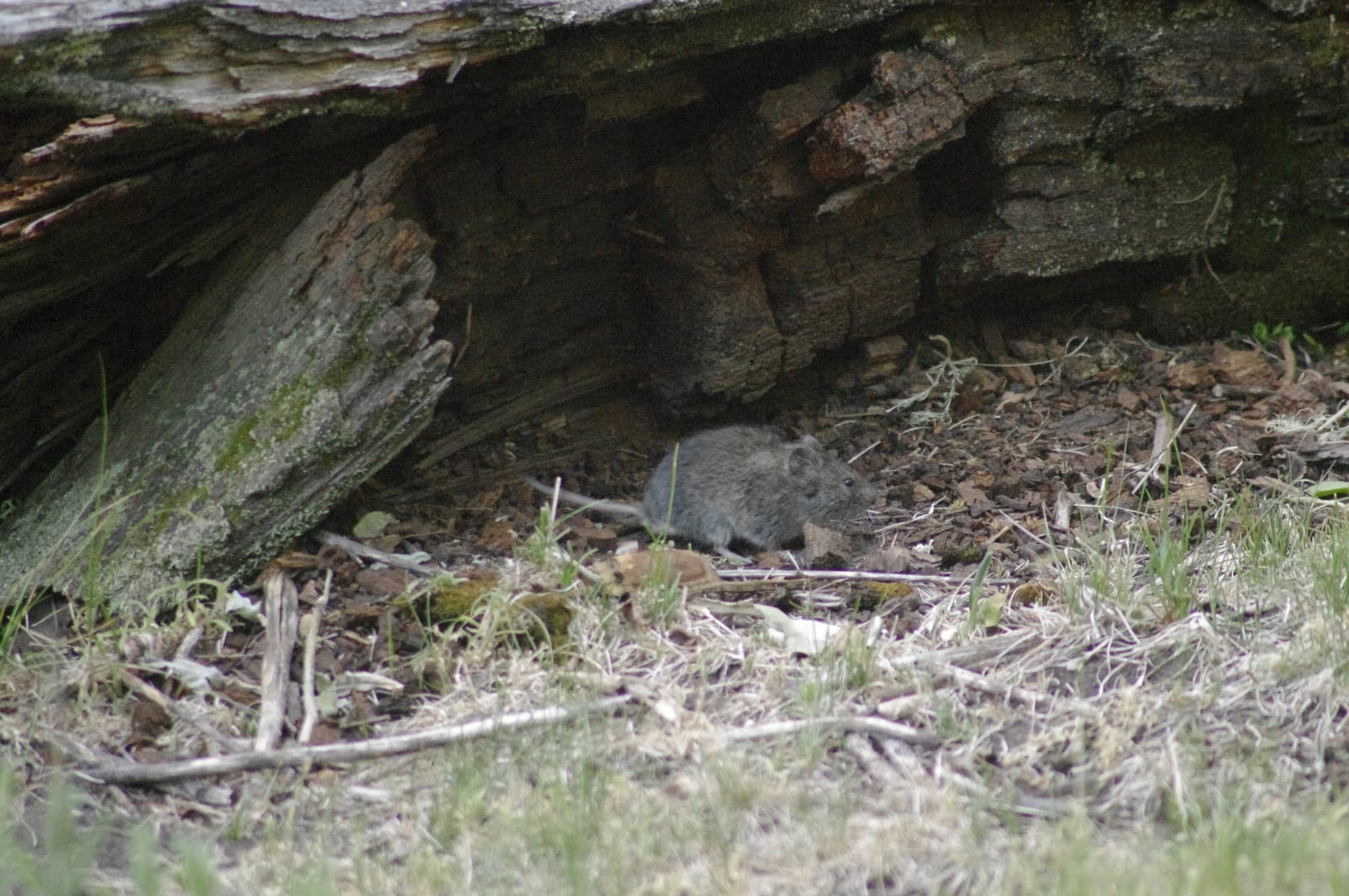
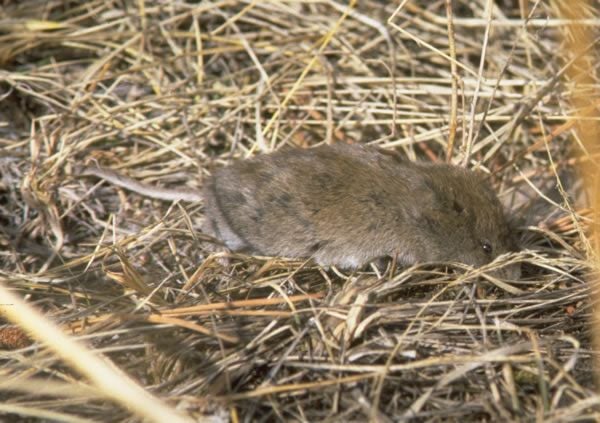
New Mexico mammals

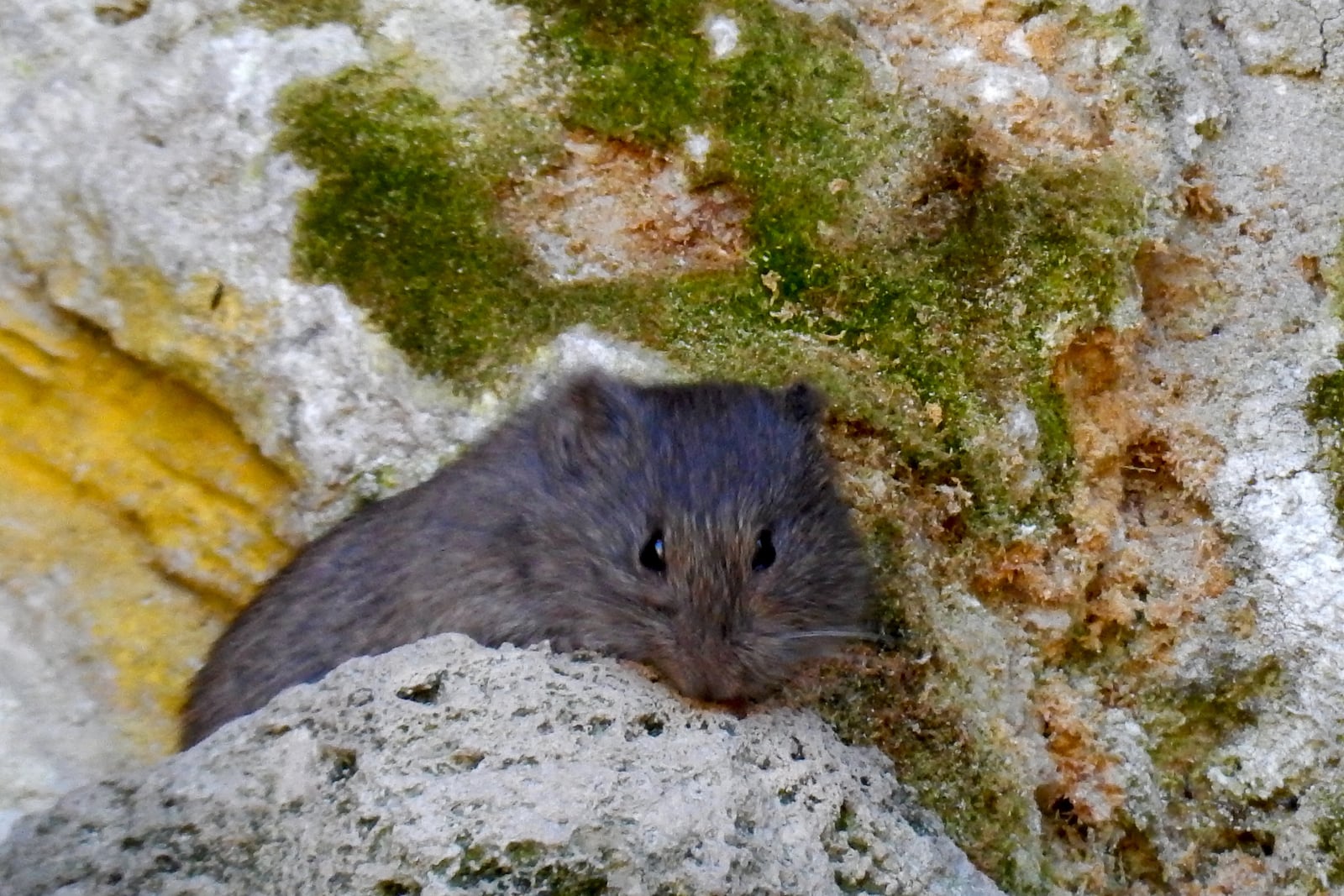
Long-tailed Vole in New Mexico

Microtus longicaudus

Native to New Mexico S4 Apparently Secure in New Mexico

Not listed as nonindigenous in New Mexico by USGS NAS; native to its New Mexico range.

IUCN Red List status

  1. LC
  2. NT
  3. VU
  4. EN
  5. CR
  6. EW
  7. EX

LC – Least Concern

Widespread and abundant; not at risk.

Long-tailed Vole in New Mexico, by the numbers

Common in New Mexico 11th most recorded of 176 mammals logged in New Mexico

1,213 occurrence records
6 with iNaturalist photos
Jul 31, 2024 Last seen in New Mexico

Records from 2000–2026.

1,213 total records count every New Mexico occurrence from GBIF and iNaturalist; the map plots a georeferenced sample of 300; the monthly chart covers the 1,207 records with a full observation date.

When to look for the Long-tailed Vole in New Mexico

Most sightings fall in July to September.

1,207 New Mexico occurrence records (iNaturalist and GBIF) by month of year, 2000–2026. Shows when the species is recorded, not a guarantee of presence.

Monthly New Mexico records (table)
MonthRecords
January0
February0
March0
April9
May17
June134
July357
August299
September339
October46
November0
December6

Monthly long-tailed vole occurrence records (iNaturalist and GBIF) in New Mexico, 2000–2026.

Seasonality

Year-round in New Mexico, with recorded sightings peaking in July–September.

Occurrence map

Where Long-tailed Vole has been recorded in New Mexico

300 records mapped · zoom and drag to explore

300 New Mexico records mapped

Notable places to look

Park, forest, or monumentiNaturalist records
Pecos Wilderness 49
Carson Other 48
San Pedro Parks Wilderness 21
Carson National Forest 8
Sugarite Canyon State Park 6
Santa Fe National Forest 4
Valles Caldera National Preserve 4
Rio De Los Pinos Wildlife Area 3

Protected places with the most long-tailed vole sightings, from the USGS Protected Areas Database plus named mountain ranges, good spots to look, not a full breakdown, so they don't sum to the total.

Where it's recorded in New Mexico

CountyRecords
San Miguel County 464
Taos County 175
Rio Arriba County 149
Sandoval County 149
Otero County 133
Catron County 64
Lincoln County 26
Colfax County 21
Santa Fe County 18
Mora County 10
Cibola County 3
Grant County 1

The complete county distribution, spread across 12 New Mexico counties. Every occurrence record falls in one county, so these sum to the total. Counties from GBIF and US Census boundaries.

New Mexico sits near the long-tailed vole’s southern limit, so its reports favor cool mountain pockets over broad desert valleys. San Miguel County, which takes in much of the Pecos Wilderness, holds 464 of the state’s 1,213 records, and Taos, Rio Arriba, and Sandoval counties add the rest of the northern high country. Otero County, with 133 records, covers the isolated Sacramento Mountains in the south.

July through September brings the strongest sequence of records. Summer access to wet meadows and shaded drainage edges can influence that rise, especially for an animal that’s rarely noticed casually; only 6 of the records are iNaturalist observations. Fewer lowland reports reflect habitat and observer effort, not a statewide count of voles.
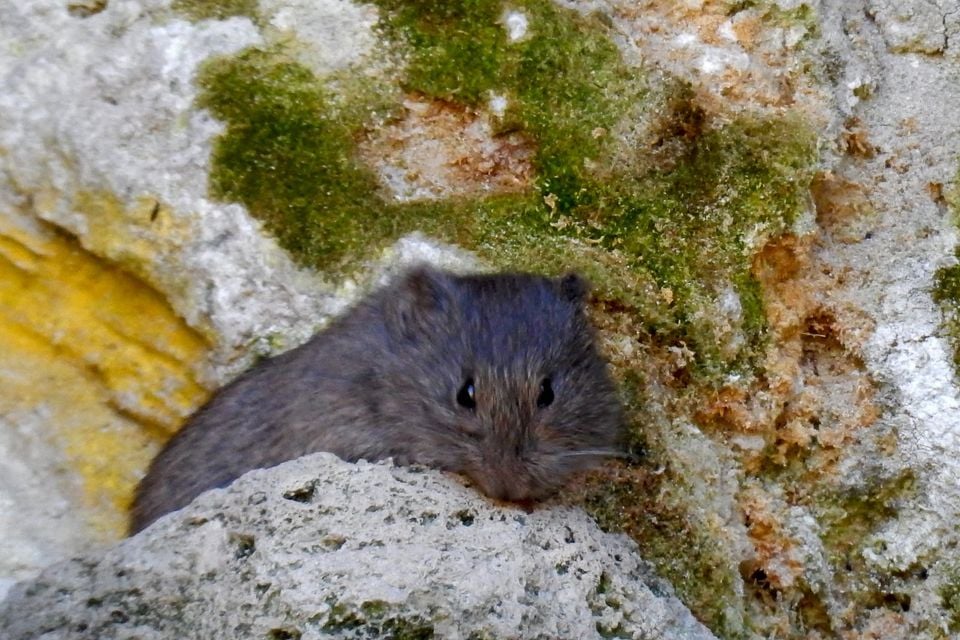

Occurrence data from iNaturalist and GBIF.

More mammals in New Mexico in the atlas

Data & sources

The data and visualizations on this page draw on these open sources:

  • GBIFCC-BY 4.0occurrence records behind the range map, elevation, and record counts
  • iNaturalistCC0 / CC-BY / CC-BY-SAobservations, photos, and audio recordings
  • NatureServe ExplorerCC-BYthe state conservation rank
  • IUCN Red Listattributed factthe global conservation status
  • USGS NASpublic domainnative / introduced status
  • Natural Earthpublic domainthe relief basemap
  • USFSpublic domainnational-forest boundaries
  • USGS Protected Areas Databasepublic domainthe named parks, forests, and refuges behind "notable places to look"