California mammals

Mountain Beaver in California

Aplodontia rufa

Native to California SNR Unranked in California

Not listed as nonindigenous in California by USGS NAS; native to its California range.

IUCN Red List status

NE – Not Evaluated

Not yet assessed against IUCN Red List criteria.

Mountain Beaver in California, by the numbers

Occasional in California 147th most recorded of 233 mammals logged in California

51 occurrence records
42 with iNaturalist photos

Records from 2000–2026.

51 total records count every California occurrence from GBIF and iNaturalist; the map plots a georeferenced sample of 50; the monthly chart covers the 50 records with a full observation date.

When to look for the Mountain Beaver in California

Most sightings fall in June to September.

50 California occurrence records (iNaturalist and GBIF) by month of year, 2000–2026. Shows when the species is recorded, not a guarantee of presence.

Monthly California records (table)
MonthRecords
January0
February0
March4
April2
May0
June8
July8
August10
September10
October5
November3
December0

Monthly mountain beaver occurrence records (iNaturalist and GBIF) in California, 2000–2026.

Seasonality

Year-round in California, with recorded sightings peaking in June–September.

Occurrence map

Where Mountain Beaver has been recorded in California

50 records mapped · zoom and drag to explore

50 California records mapped

Notable places to look

Park, forest, or monumentiNaturalist records
Redwood National Park 4
Valentine Eastern Sierra Reserve - Valentine Camp 3
Lassen Volcanic National Park 3
Yosemite National Park 2
Shasta National Forest 1
Eldorado National Forest 1
Phillip Burton Wilderness Area 1
Trinity Alps Wilderness 1

Protected places with the most mountain beaver sightings, from the USGS Protected Areas Database plus named mountain ranges, good spots to look, not a full breakdown, so they don't sum to the total.

Where it's recorded in California

CountyRecords
Humboldt County 9
Mono County 6
Tulare County 4
Mendocino County 4
El Dorado County 3
Trinity County 3
Mariposa County 3
Plumas County 2
Marin County 1
Nevada County 1
Alpine County 1
Siskiyou County 1
6 other counties 13

The complete county distribution, spread across 18 California counties. Every occurrence record falls in one county, so these sum to the total. Counties from GBIF and US Census boundaries.

California holds 51 open records for the mountain beaver, the southern tail of a range that runs the length of the cool, wet Pacific coast from British Columbia down through Washington and Oregon.

Two strongholds and an outpost, not one continuous range

California’s mountain beavers aren’t spread evenly across the state. Records split between the redwood and Douglas-fir country of the north coast, led by Humboldt, Mendocino, and Trinity counties and connected north into Oregon’s much larger range, and the Sierra Nevada, from Plumas and El Dorado counties south to Mono and Tulare. Marin County’s single record, from the Phillip Burton Wilderness at Point Reyes, marks one of the species’ isolated southern outposts, cut off from the main coastal range by drier country in between.

Neither a beaver nor a mountain specialist

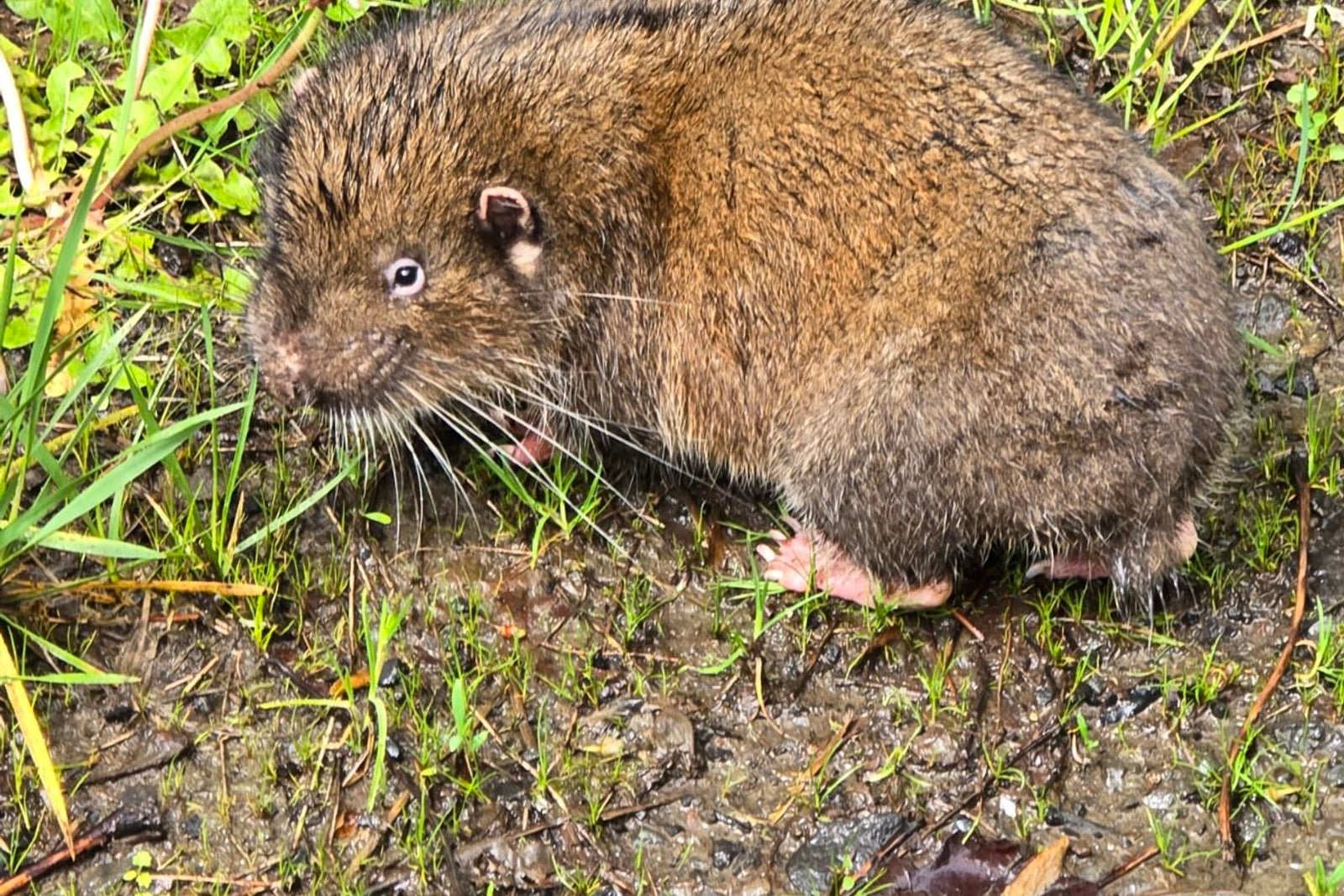
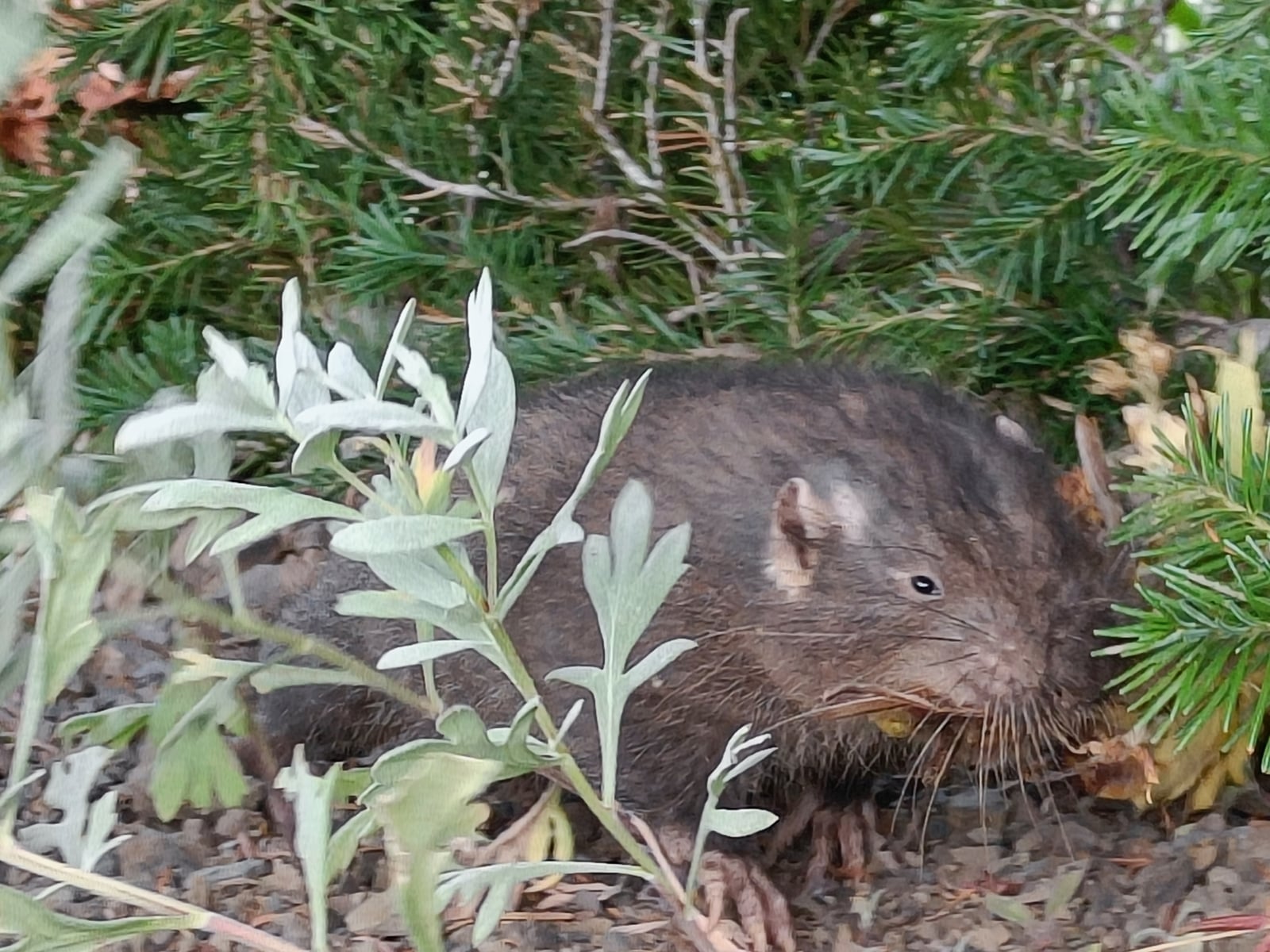
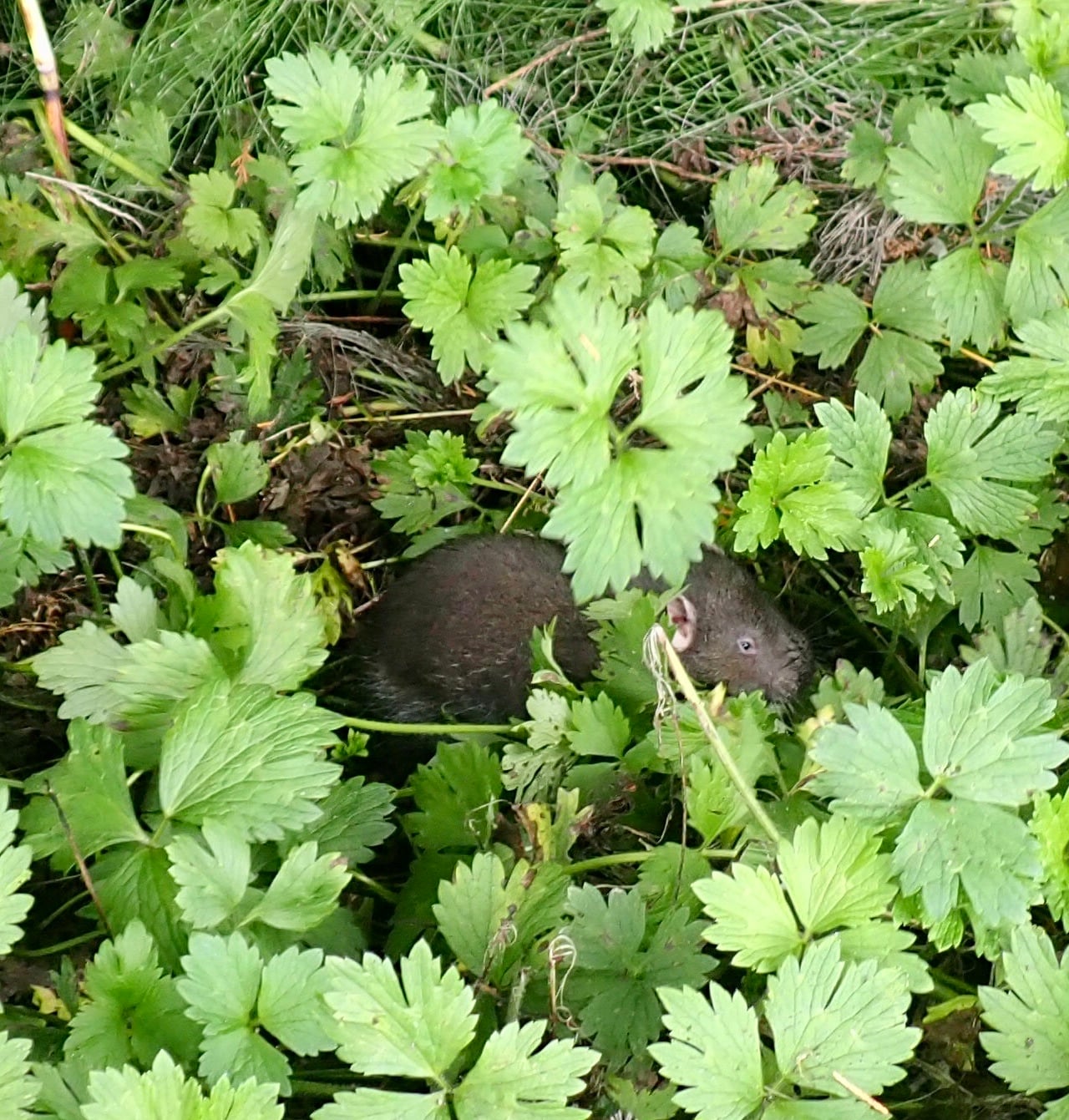
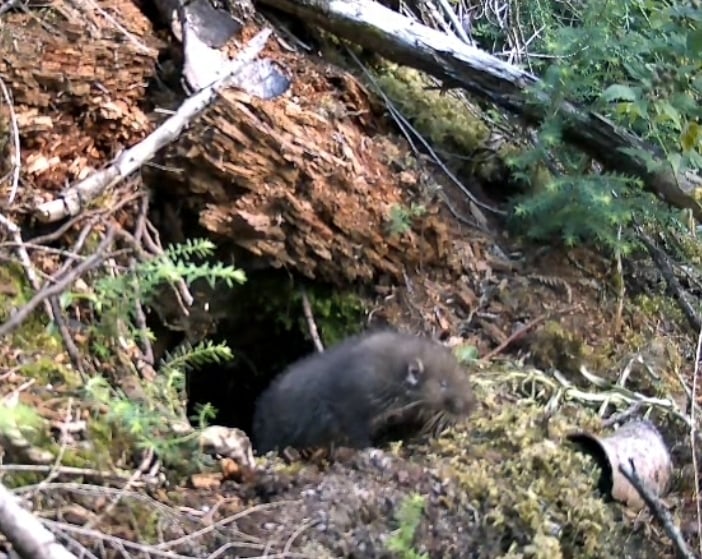
Despite the name, this animal doesn’t build dams or carry a paddle-shaped tail, and it’s not tied to high elevation either. It’s the only living member of an ancient rodent family, a stocky, short-tailed burrower that needs cool, damp ground more than altitude. Leaves, ferns, and bark make up its whole diet, cut and hauled into or near its tunnel system, and because it doesn’t hibernate, that damp shelter has to hold up through every season, not just winter.

Status in California

NatureServe hasn’t assigned the mountain beaver a numeric rank in California, and it’s treated as native across its mapped range here. June through September together account for more than two-thirds of the state’s records, a pattern that more likely tracks when field crews and hikers are out looking than any real seasonal shift in an animal that stays active, and hidden, all year.
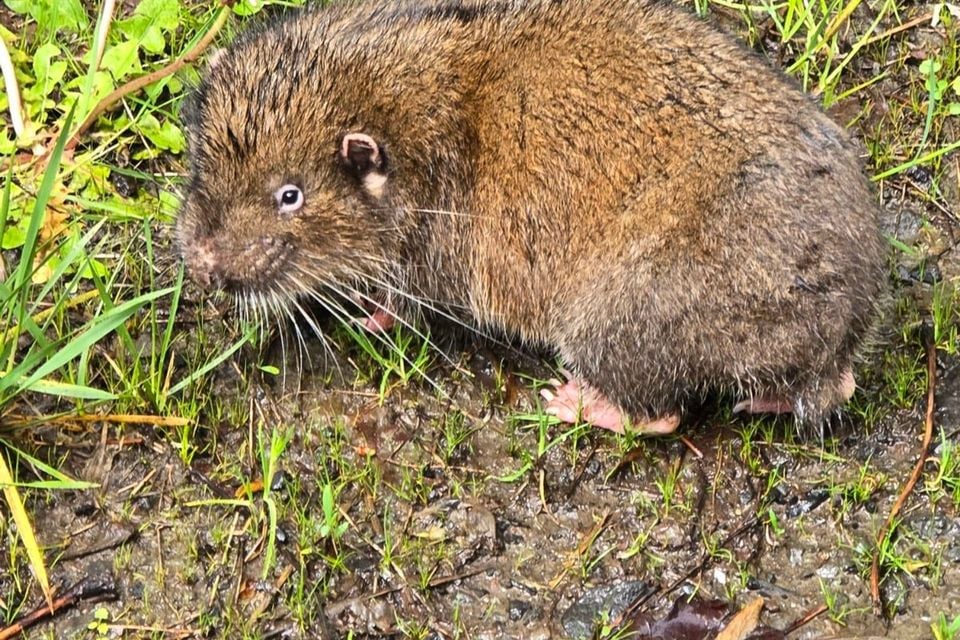

Occurrence data from iNaturalist and GBIF.

More mammals in California in the atlas

Data & sources

The data and visualizations on this page draw on these open sources:

  • GBIFCC-BY 4.0occurrence records behind the range map, elevation, and record counts
  • iNaturalistCC0 / CC-BY / CC-BY-SAobservations, photos, and audio recordings
  • NatureServe ExplorerCC-BYthe state conservation rank
  • IUCN Red Listattributed factthe global conservation status
  • USGS NASpublic domainnative / introduced status
  • Natural Earthpublic domainthe relief basemap
  • USFSpublic domainnational-forest boundaries
  • USGS Protected Areas Databasepublic domainthe named parks, forests, and refuges behind "notable places to look"




