Utah mammals

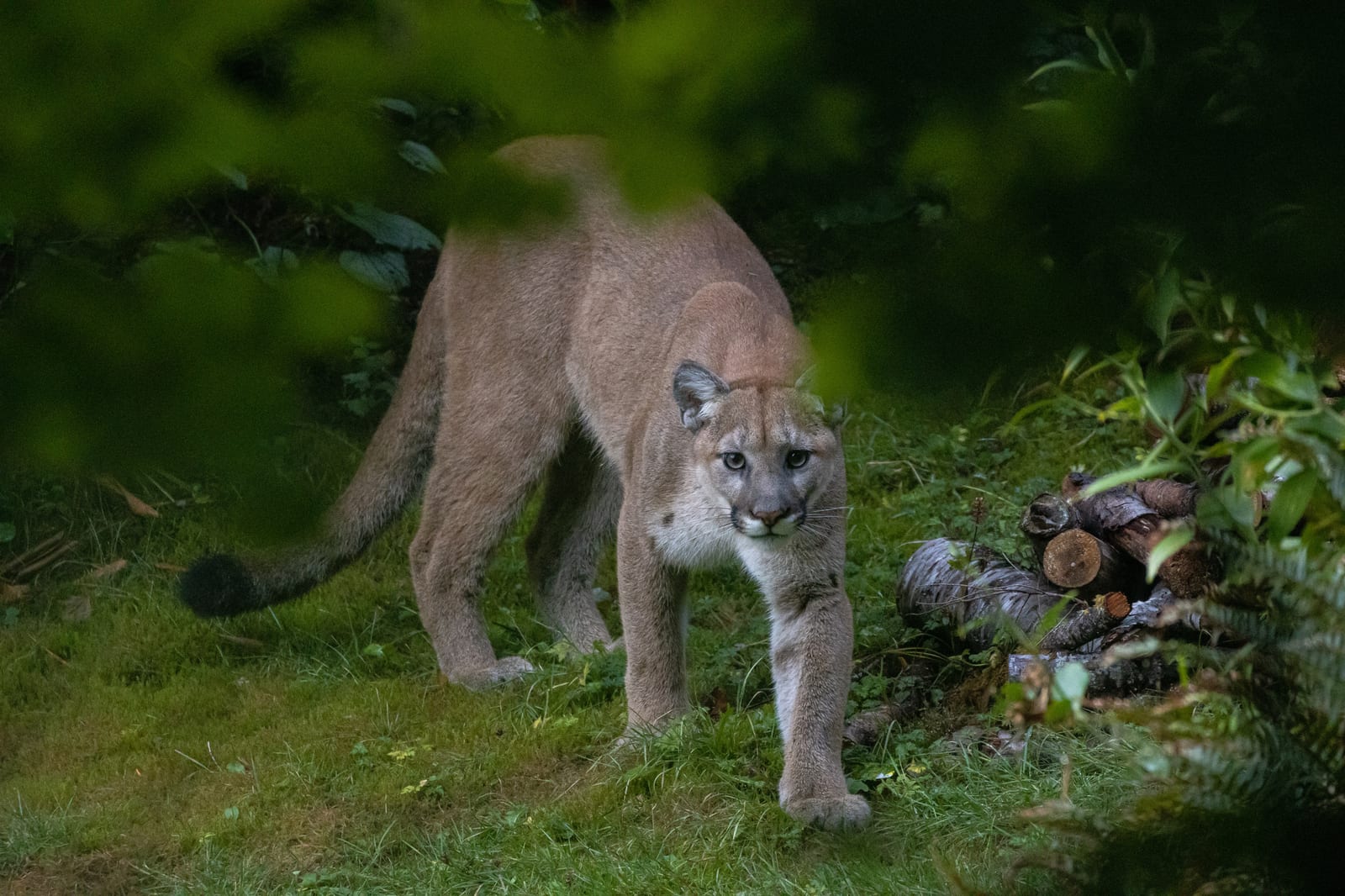
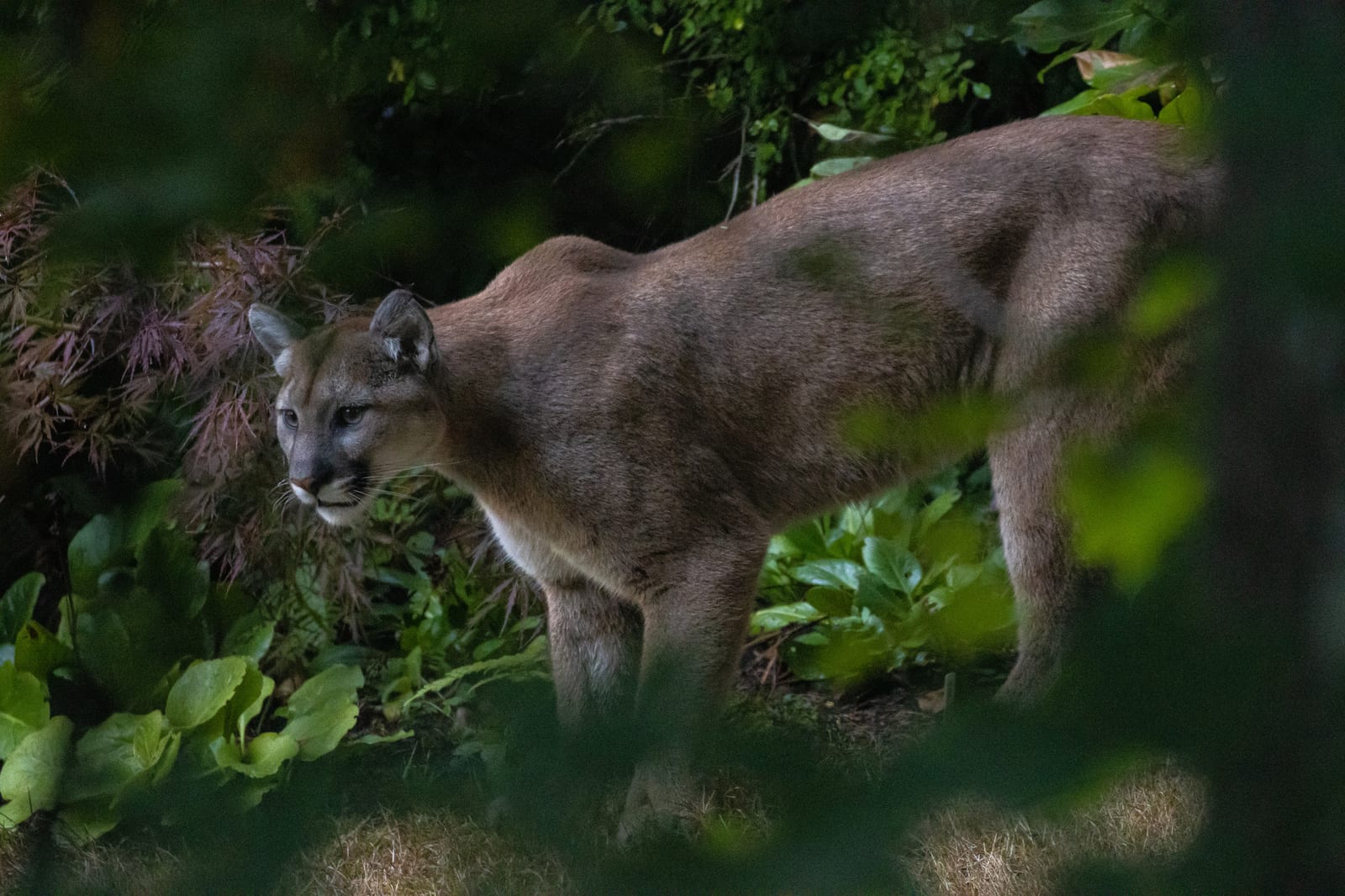
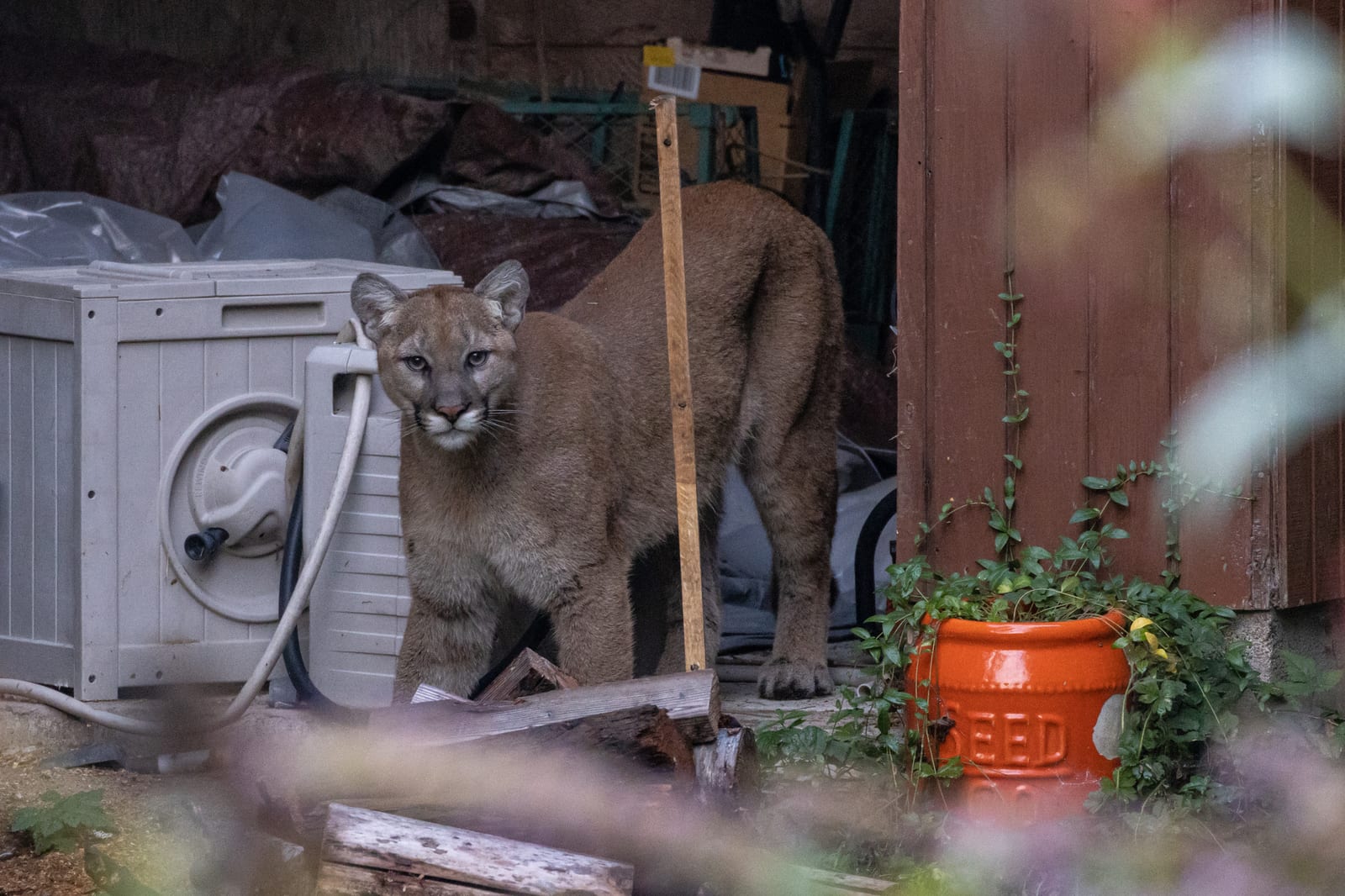
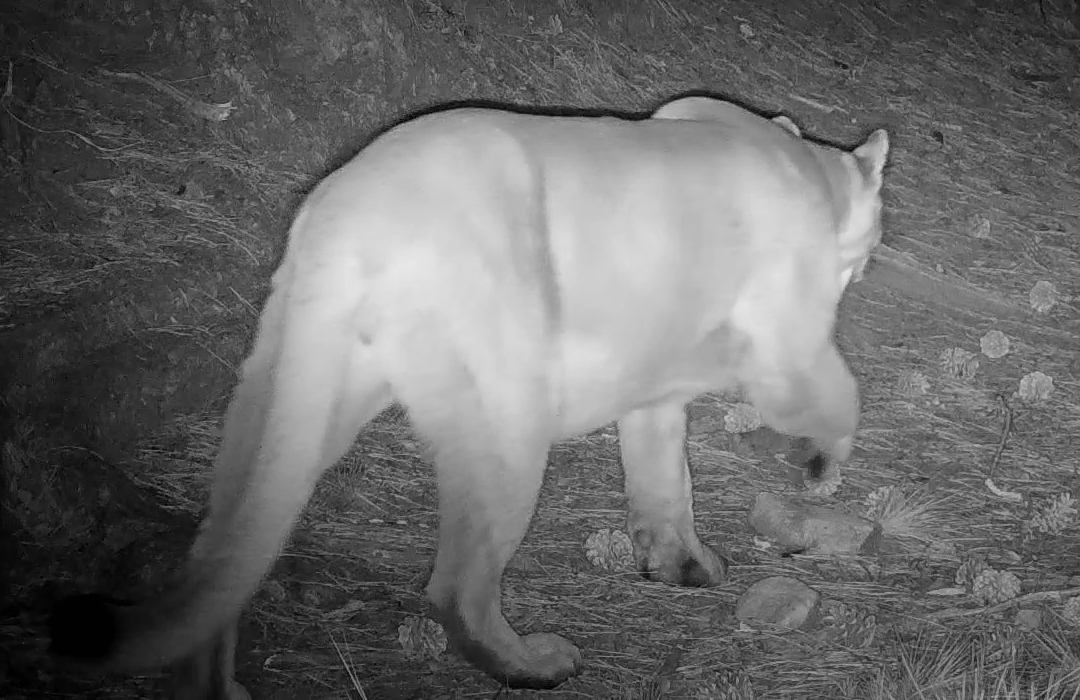
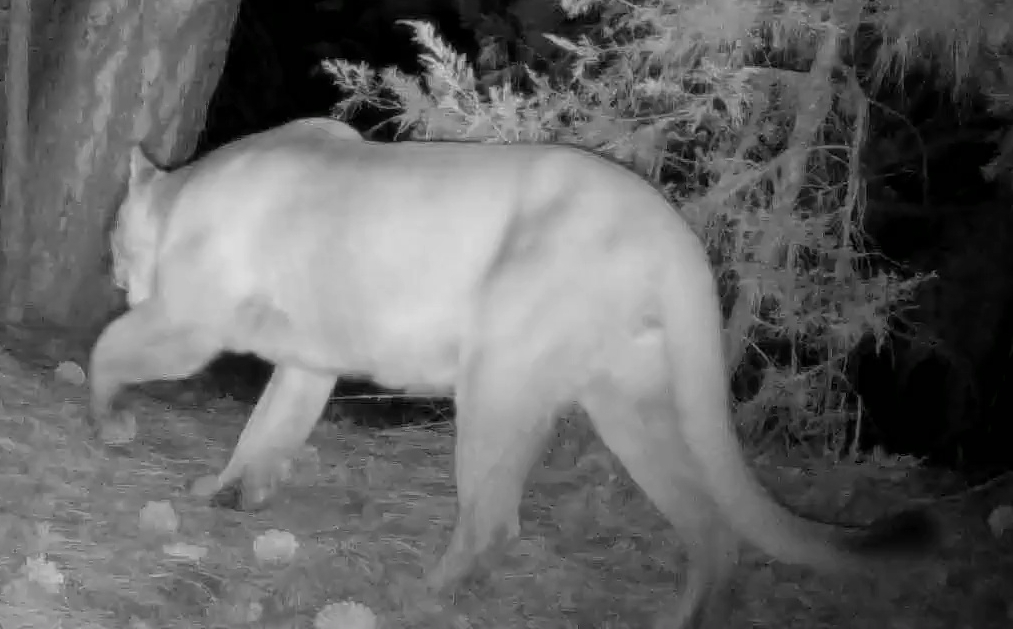
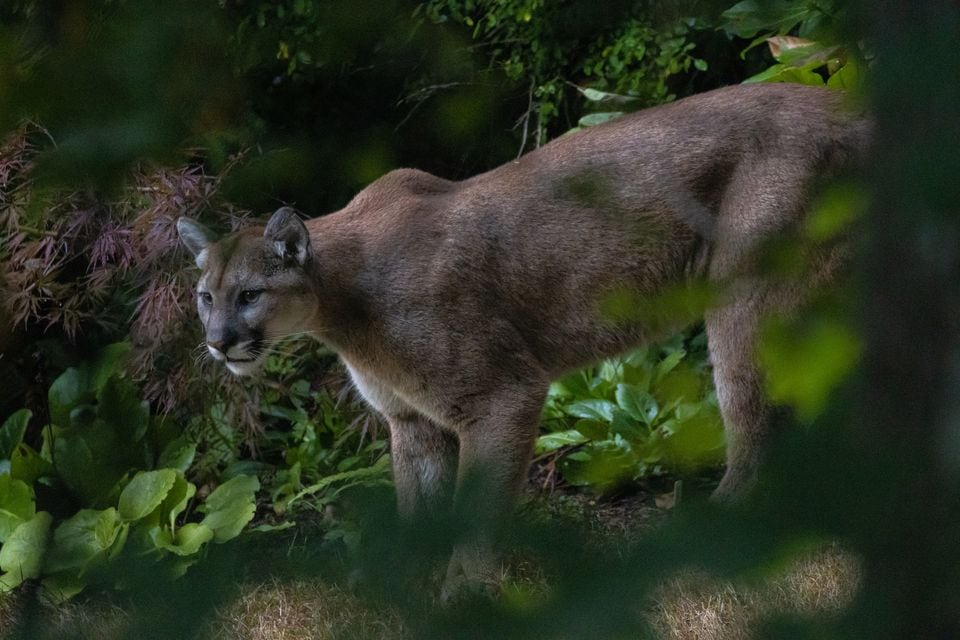
Mountain Lion in Utah

Puma concolor

Native to Utah S4 Apparently Secure in Utah

Not listed as nonindigenous in Utah by USGS NAS; native to its Utah range.

IUCN Red List status

  1. LC
  2. NT
  3. VU
  4. EN
  5. CR
  6. EW
  7. EX

LC – Least Concern

Widespread and abundant; not at risk.

Mountain Lion in Utah, by the numbers

Occasional in Utah 56th most recorded of 141 mammals logged in Utah

174 occurrence records
168 with iNaturalist photos

Records from 2000–2026.

174 total records count every Utah occurrence from GBIF and iNaturalist; the map plots a georeferenced sample of 169; the monthly chart covers the 169 records with a full observation date.

Field encounter

Where and when you're most likely to encounter a Mountain Lion

Most active: Utah, in December to May.

Where
UtahUT
When
December to May

Observe from a distance and give it room. Never approach, corner, or feed one.

When to be most aware of the Mountain Lion in Utah

Most sightings fall in December to May.

169 Utah occurrence records (iNaturalist and GBIF) by month of year, 2000–2026. Shows when the species is recorded, not a guarantee of presence.

Monthly Utah records (table)
MonthRecords
January16
February19
March18
April14
May23
June9
July11
August8
September16
October9
November7
December19

Monthly mountain lion occurrence records (iNaturalist and GBIF) in Utah, 2000–2026.

Seasonality

Year-round in Utah, with recorded sightings peaking in December–May, with a smaller rise in September.

Occurrence map

Where Mountain Lion has been recorded in Utah

169 records mapped · zoom and drag to explore

169 Utah records mapped

Where mountain lion encounters are recorded

Park, forest, or monumentiNaturalist records
Zion National Park 18
Canyonlands National Park 9
Wasatch National Forest 7
Bears Ears National Monument 7
Capitol Reef National Park 4
Arches National Park 3
Desolation Canyon Wilderness Area 2
Cache National Forest 2

Protected places with the most mountain lion records, from the USGS Protected Areas Database plus named mountain ranges, where encounters are most often recorded, not a full breakdown, so they don't sum to the total. Keep your distance and never approach one.

Where it's recorded in Utah

CountyRecords
Washington County 26
San Juan County 25
Salt Lake County 21
Davis County 12
Kane County 11
Grand County 9
Wayne County 9
Utah County 9
Garfield County 8
Uintah County 4
Emery County 4
Summit County 4
12 other counties 32

The complete county distribution, spread across 24 Utah counties. Every occurrence record falls in one county, so these sum to the total. Counties from GBIF and US Census boundaries.

Mountain lion sightings spread across Utah’s forested and canyon country alike, from Uinta-Wasatch-Cache National Forest and Zion National Park down through Canyonlands, Capitol Reef, and Bears Ears. That range fits a predator that follows deer and cover through both high mountain forest and broken southern canyon terrain, not the open salt flats near the Great Salt Lake.

Utah’s 174 recorded sightings run highest from December through May, topping out at 23 in May, likely tracking both winter deer movement into lower elevations and when trail cameras and hikers are most likely to catch a lion on the move. Of those records, 168 came from iNaturalist and 112 from GBIF, a healthy mix of photo sightings and specimen data for an animal that’s normally elusive.

NatureServe ranks the mountain lion S4, Apparently Secure, in Utah, reflecting a population that, unlike many of the state’s smaller mammals, isn’t considered at particular risk.
Occurrence data from iNaturalist and GBIF.

Mountain Lion in other states

Mountain Lion range map (all states)

More mammals in Utah in the atlas

Data & sources

The data and visualizations on this page draw on these open sources:

  • GBIFCC-BY 4.0occurrence records behind the range map, elevation, and record counts
  • iNaturalistCC0 / CC-BY / CC-BY-SAobservations, photos, and audio recordings
  • NatureServe ExplorerCC-BYthe state conservation rank
  • IUCN Red Listattributed factthe global conservation status
  • USGS NASpublic domainnative / introduced status
  • Natural Earthpublic domainthe relief basemap
  • USFSpublic domainnational-forest boundaries
  • USGS Protected Areas Databasepublic domainthe named parks, forests, and refuges behind "notable places to look"




