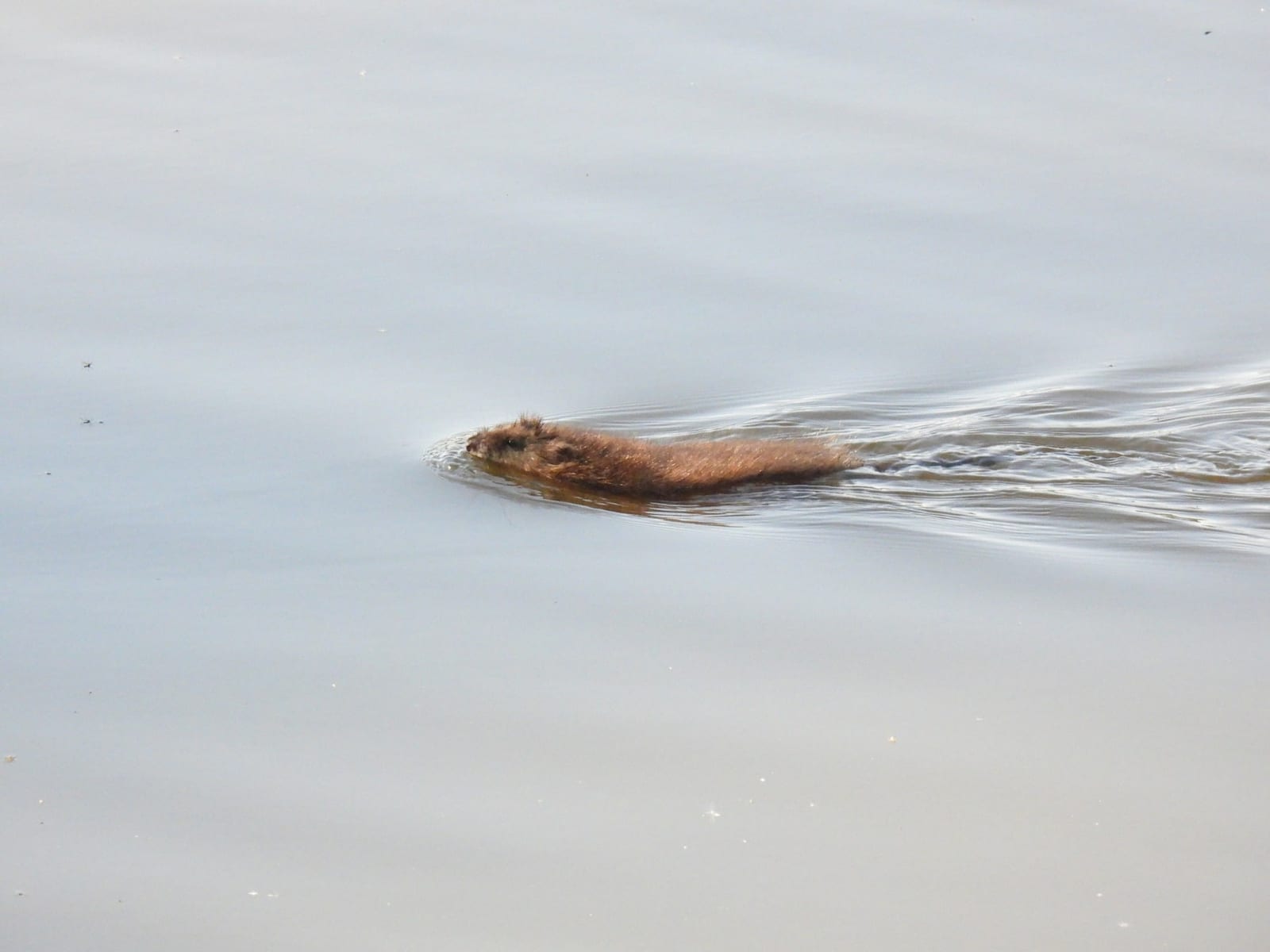
California mammals

Muskrat in California

Ondatra zibethicus

Invasive in California SNR Unranked in California

USGS NAS records 1 nonindigenous California occurrence with an established population.

IUCN Red List status

  1. LC
  2. NT
  3. VU
  4. EN
  5. CR
  6. EW
  7. EX

LC – Least Concern

Widespread and abundant; not at risk.

Muskrat in California, by the numbers

Common in California 62nd most recorded of 241 mammals logged in California

1,153 occurrence records
885 with iNaturalist photos

Records from 2000–2026.

1,153 total records count every California occurrence from GBIF and iNaturalist; the map plots a georeferenced sample of 300; the monthly chart covers the 1,097 records with a full observation date.

When to look for the Muskrat in California

Most sightings fall in March to June.

1,097 California occurrence records (iNaturalist and GBIF) by month of year, 2000–2026. Shows when the species is recorded, not a guarantee of presence.

Monthly California records (table)
MonthRecords
January98
February83
March127
April153
May136
June121
July86
August50
September38
October73
November45
December87

Monthly muskrat occurrence records (iNaturalist and GBIF) in California, 2000–2026.

Seasonality

Year-round in California, with recorded sightings peaking in March–June, with a smaller rise in January.

Occurrence map

Where Muskrat has been recorded in California

300 records mapped · zoom and drag to explore

300 California records mapped

Notable places to look

Park, forest, or monumentiNaturalist records
Yolo Bypass Wildlife Area 23
Oceano Dunes State Vehicular Recreation Area 14
Pismo State Beach 13
Lake Tahoe 11
Tahoe National Forest 7
Eldorado National Forest 3
Point Reyes National Seashore 3
McGrath State Beach 3

Protected places with the most muskrat sightings, from the USGS Protected Areas Database plus named mountain ranges, good spots to look, not a full breakdown, so they don't sum to the total.

Where it's recorded in California

CountyRecords
Santa Clara County 129
Imperial County 91
Alameda County 84
Sacramento County 72
Yolo County 57
Marin County 51
San Luis Obispo County 46
Ventura County 43
San Bernardino County 43
Siskiyou County 41
Shasta County 40
Santa Cruz County 35
34 other counties 421

The complete county distribution, spread across 46 California counties. Every occurrence record falls in one county, so these sum to the total. Counties from GBIF and US Census boundaries.

Muskrat reports follow California’s marshes, ponds, canals, and slow waterways rather than the dry land between them. Klamath Basin, Don Edwards San Francisco Bay, and the Salton Sea each offer wetland habitat, but their cold winters, tidal marshes, and desert heat create very different conditions.

Records rise from March through June, with the clearest high in April, then fall sharply in late summer. Spring vegetation and more time above water may aid detection. Muskrats are established nonnative mammals in California, yet report clusters still mark accessible banks and watched refuges rather than population size.
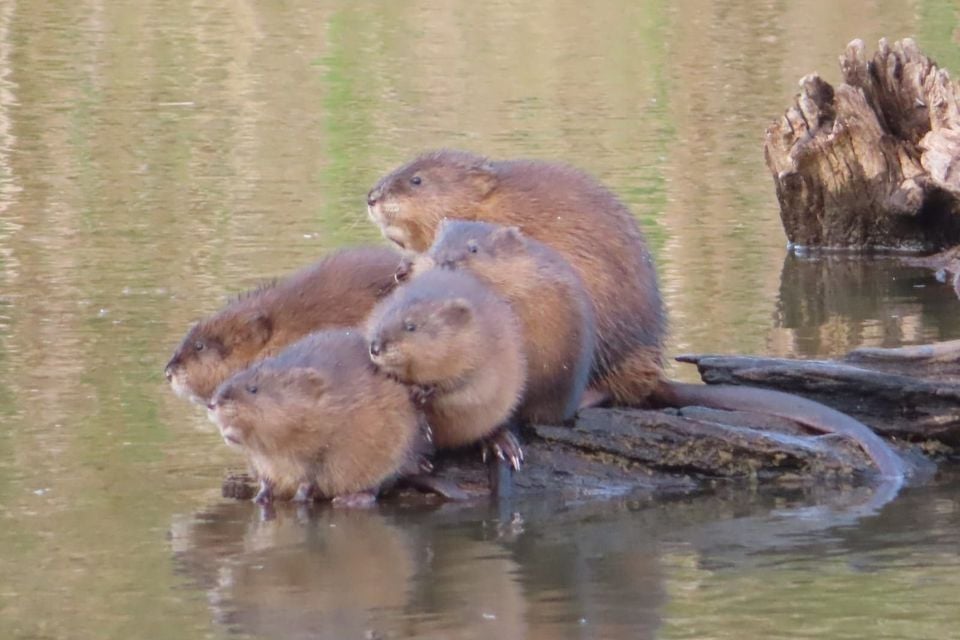
Occurrence data from iNaturalist and GBIF.

Muskrat in other states

More mammals in California in the atlas

Data & sources

The data and visualizations on this page draw on these open sources:

  • GBIFCC-BY 4.0occurrence records behind the range map, elevation, and record counts
  • iNaturalistCC0 / CC-BY / CC-BY-SAobservations, photos, and audio recordings
  • NatureServe ExplorerCC-BYthe state conservation rank
  • IUCN Red Listattributed factthe global conservation status
  • USGS NASpublic domainnative / introduced status
  • Natural Earthpublic domainthe relief basemap
  • USFSpublic domainnational-forest boundaries
  • USGS Protected Areas Databasepublic domainthe named parks, forests, and refuges behind "notable places to look"