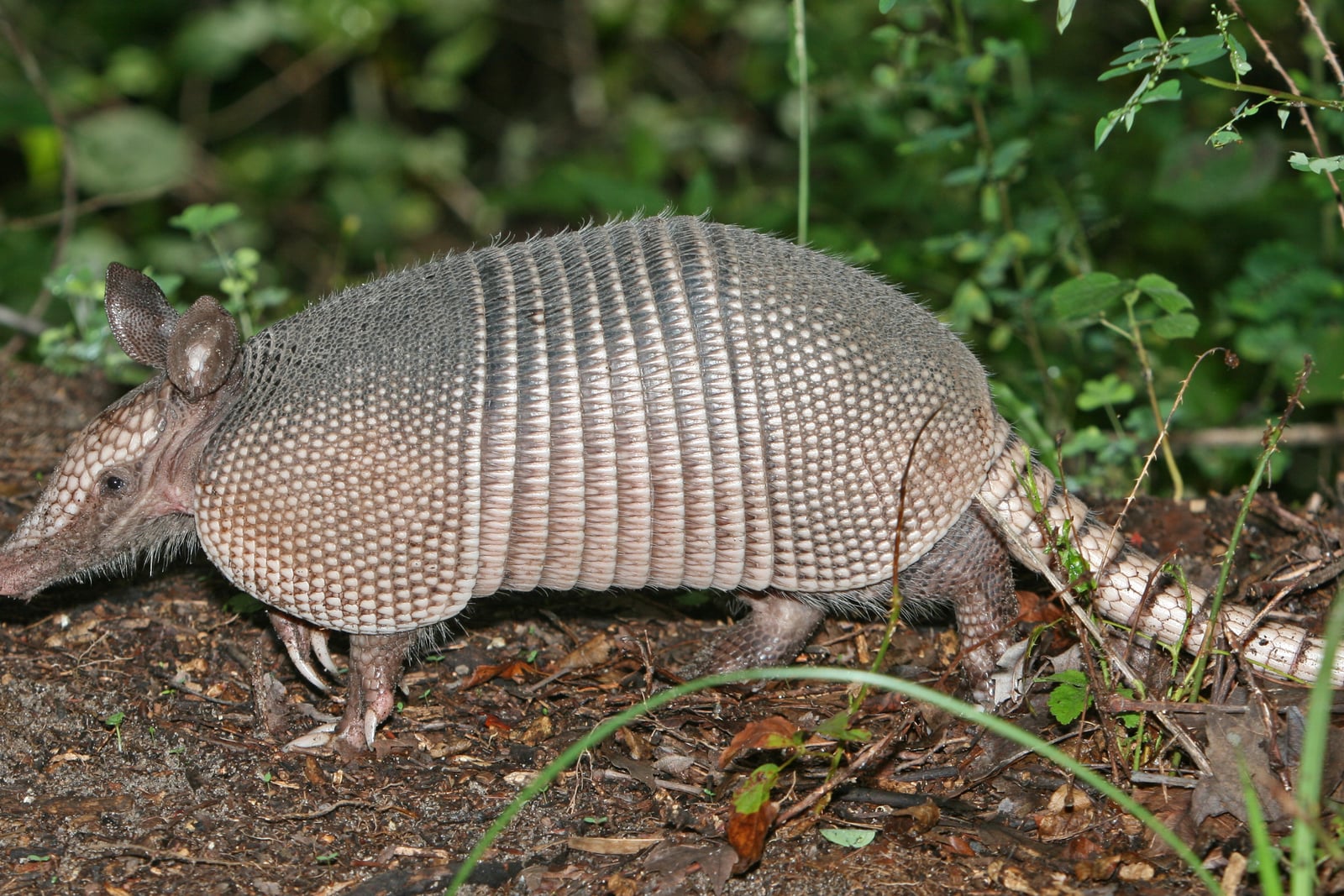
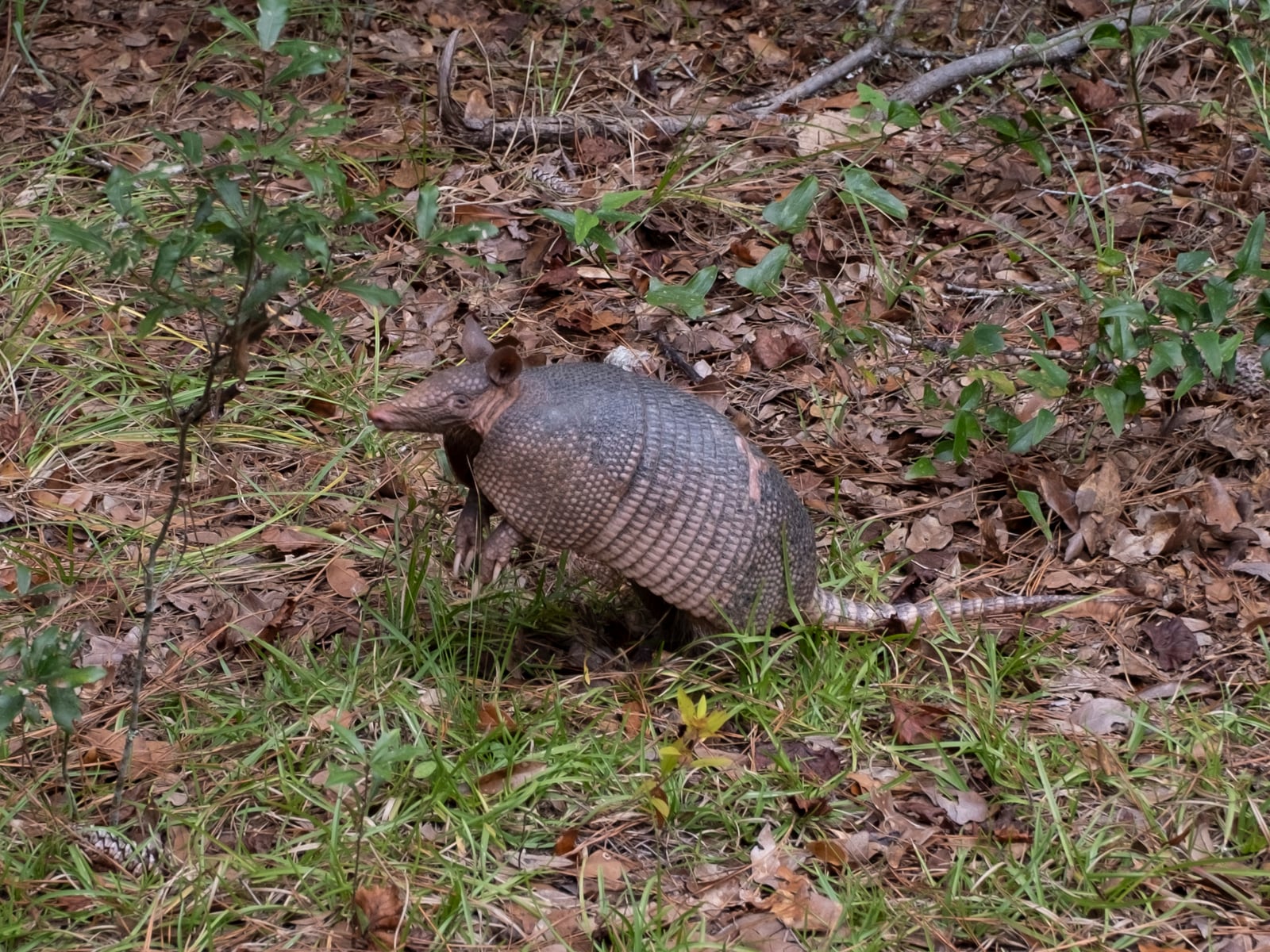
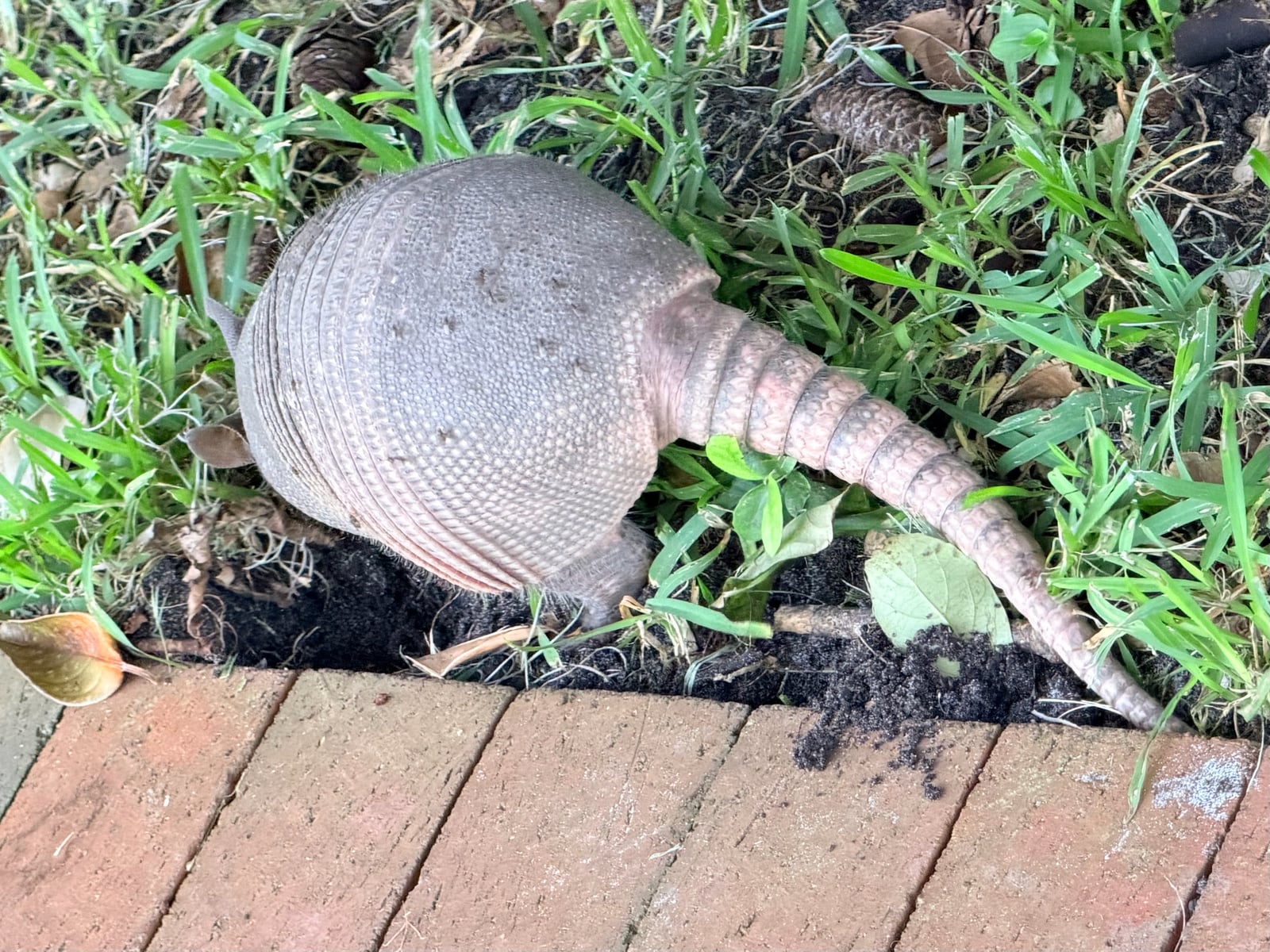
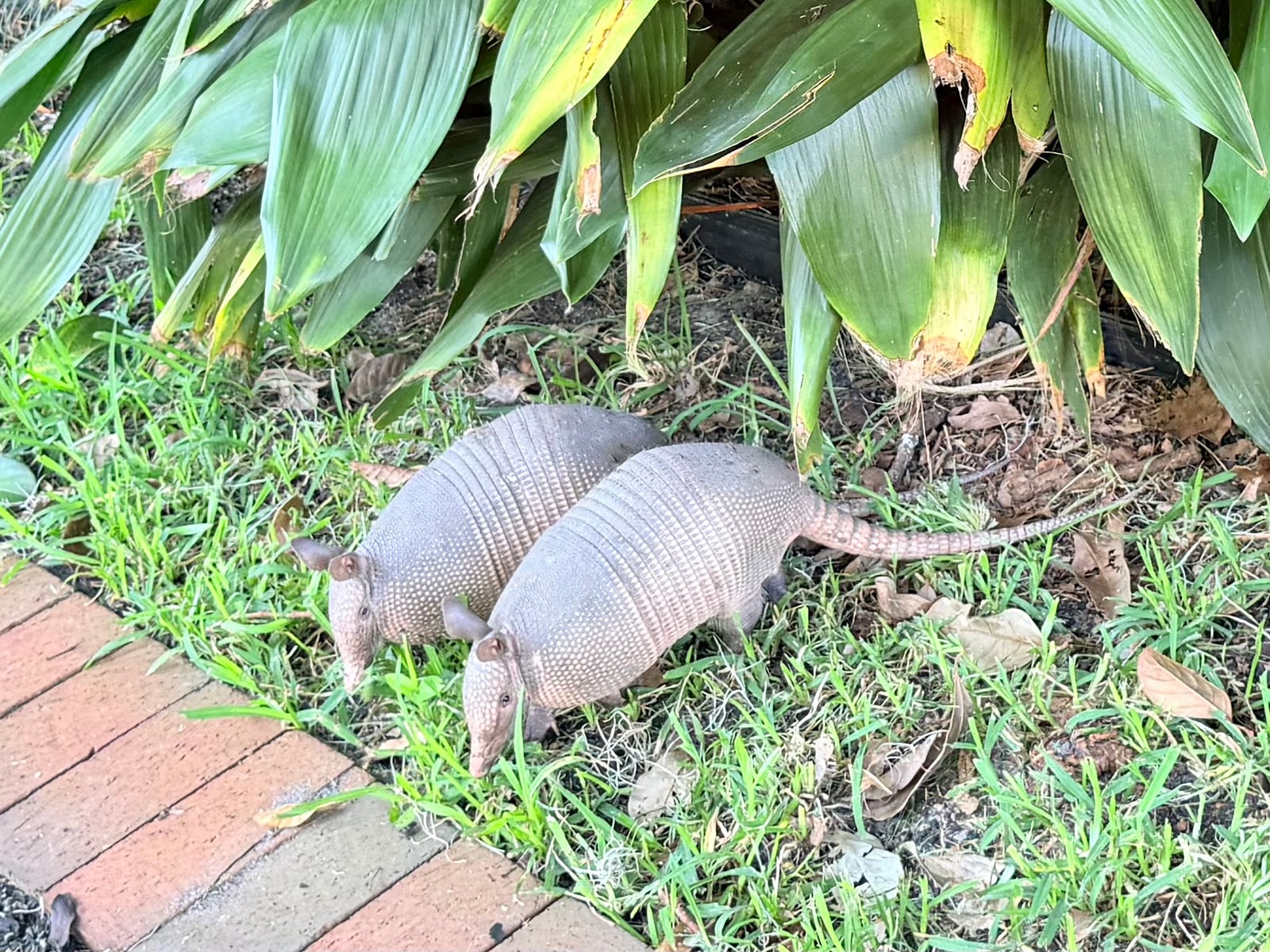
Arkansas mammals

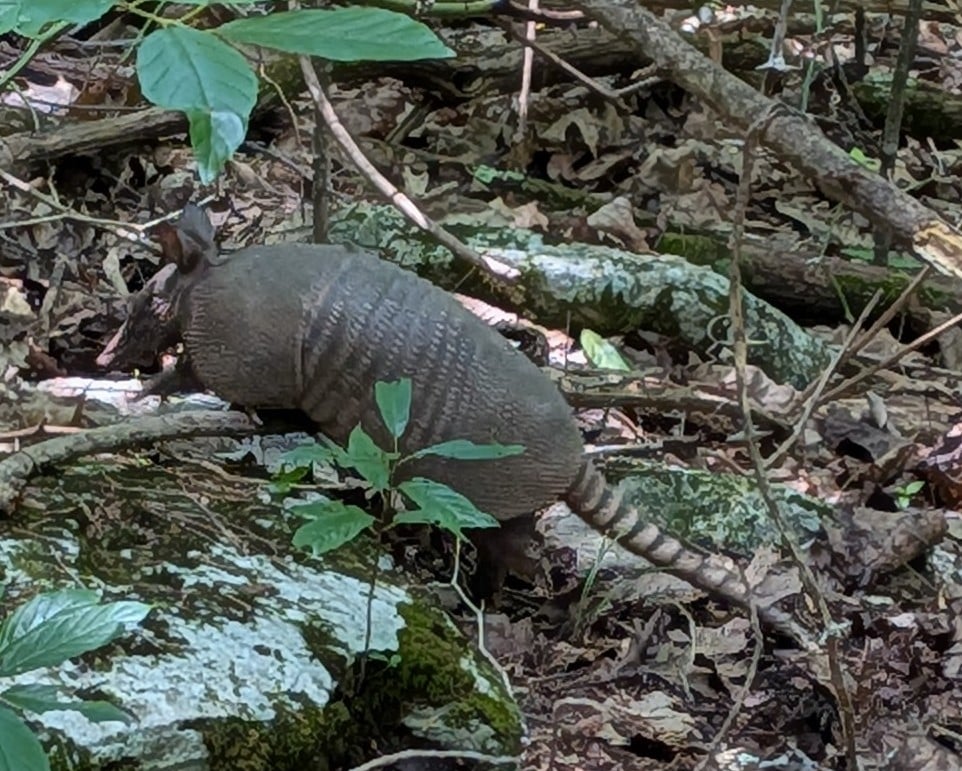
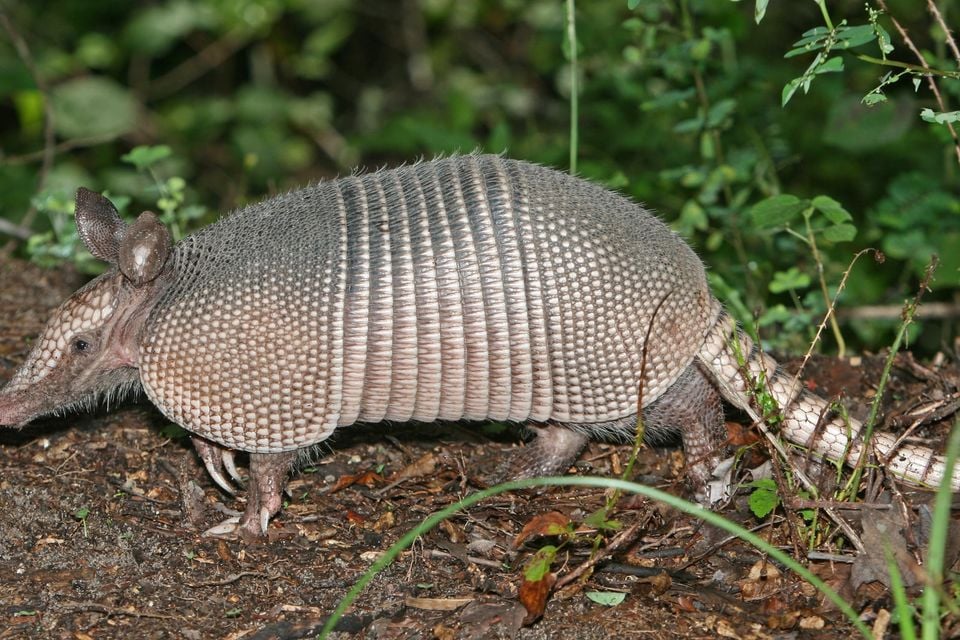
Nine-banded Armadillo in Arkansas

Dasypus mexicanus

Native to Arkansas SNR Unranked in Arkansas

Not listed as nonindigenous in Arkansas by USGS NAS; native to its Arkansas range.

IUCN Red List status

NE – Not Evaluated

Not yet assessed against IUCN Red List criteria.

Nine-banded Armadillo in Arkansas, by the numbers

Common in Arkansas 8th most recorded of 78 mammals logged in Arkansas

899 occurrence records
899 with iNaturalist photos
Aug 12, 2026 Last seen in Arkansas

Records from 2000–2026.

899 total records count every Arkansas occurrence from GBIF and iNaturalist; the map plots a georeferenced sample of 300; the monthly chart covers the 898 records with a full observation date.

When to look for the Nine-banded Armadillo in Arkansas

Most sightings fall in August to October.

898 Arkansas occurrence records (iNaturalist and GBIF) by month of year, 2000–2026. Shows when the species is recorded, not a guarantee of presence.

Monthly Arkansas records (table)
MonthRecords
January59
February59
March68
April66
May75
June66
July70
August100
September120
October130
November44
December41

Monthly nine-banded armadillo occurrence records (iNaturalist and GBIF) in Arkansas, 2000–2026.

Seasonality

Year-round in Arkansas, with recorded sightings peaking in August–October.

Occurrence map

Where Nine-banded Armadillo has been recorded in Arkansas

300 records mapped · zoom and drag to explore

300 Arkansas records mapped

Notable places to look

Park, forest, or monumentiNaturalist records
Buffalo National River 33
Ozark National Forest 32
Arkansas Post National Memorial 21
Pinnacle Mountain State Park 17
Ouachita National Forest 11
Hobbs State Park / Conservation Management Area 11
Bull Shoals White River State Park 7
Big Creek Natural Area 7

Protected places with the most nine-banded armadillo sightings, from the USGS Protected Areas Database plus named mountain ranges, good spots to look, not a full breakdown, so they don't sum to the total.

Where it's recorded in Arkansas

CountyRecords
Washington County 132
Benton County 108
Pulaski County 55
Baxter County 52
Madison County 33
Carroll County 32
Pope County 32
Newton County 27
Arkansas County 25
Garland County 24
Crawford County 23
Cleburne County 20
54 other counties 336

The complete county distribution, spread across 66 Arkansas counties. Every occurrence record falls in one county, so these sum to the total. Counties from GBIF and US Census boundaries.

Nowhere in Arkansas is far from an armadillo report: 66 of 75 counties have at least one. The densest clusters sit in the northwest, in Washington and Benton counties, and along the Buffalo National River and Ozark National Forest, where wooded hollows and limestone country offer easy digging. Some of that weighting is observer effort, since the northwest also holds many of the state’s most active reporters.

October stands out on the calendar with 130 reports, the crest of a long rise that runs from August into late fall. A good share of autumn records are animals seen on roads, because armadillos range widely in the warm months and cross pavement as they go.

Arkansas gives the species secure, native-status ground, and its Ozark and Ouachita forests supply the loose soils and mild winters armadillos need near the northern edge of their comfort zone.
Occurrence data from iNaturalist.

Nine-banded Armadillo in other states

Nine-banded Armadillo range map (all states)

More mammals in Arkansas in the atlas

Data & sources

The data and visualizations on this page draw on these open sources:

  • GBIFCC-BY 4.0occurrence records behind the range map, elevation, and record counts
  • iNaturalistCC0 / CC-BY / CC-BY-SAobservations, photos, and audio recordings
  • NatureServe ExplorerCC-BYthe state conservation rank
  • IUCN Red Listattributed factthe global conservation status
  • USGS NASpublic domainnative / introduced status
  • Natural Earthpublic domainthe relief basemap
  • USFSpublic domainnational-forest boundaries
  • USGS Protected Areas Databasepublic domainthe named parks, forests, and refuges behind "notable places to look"