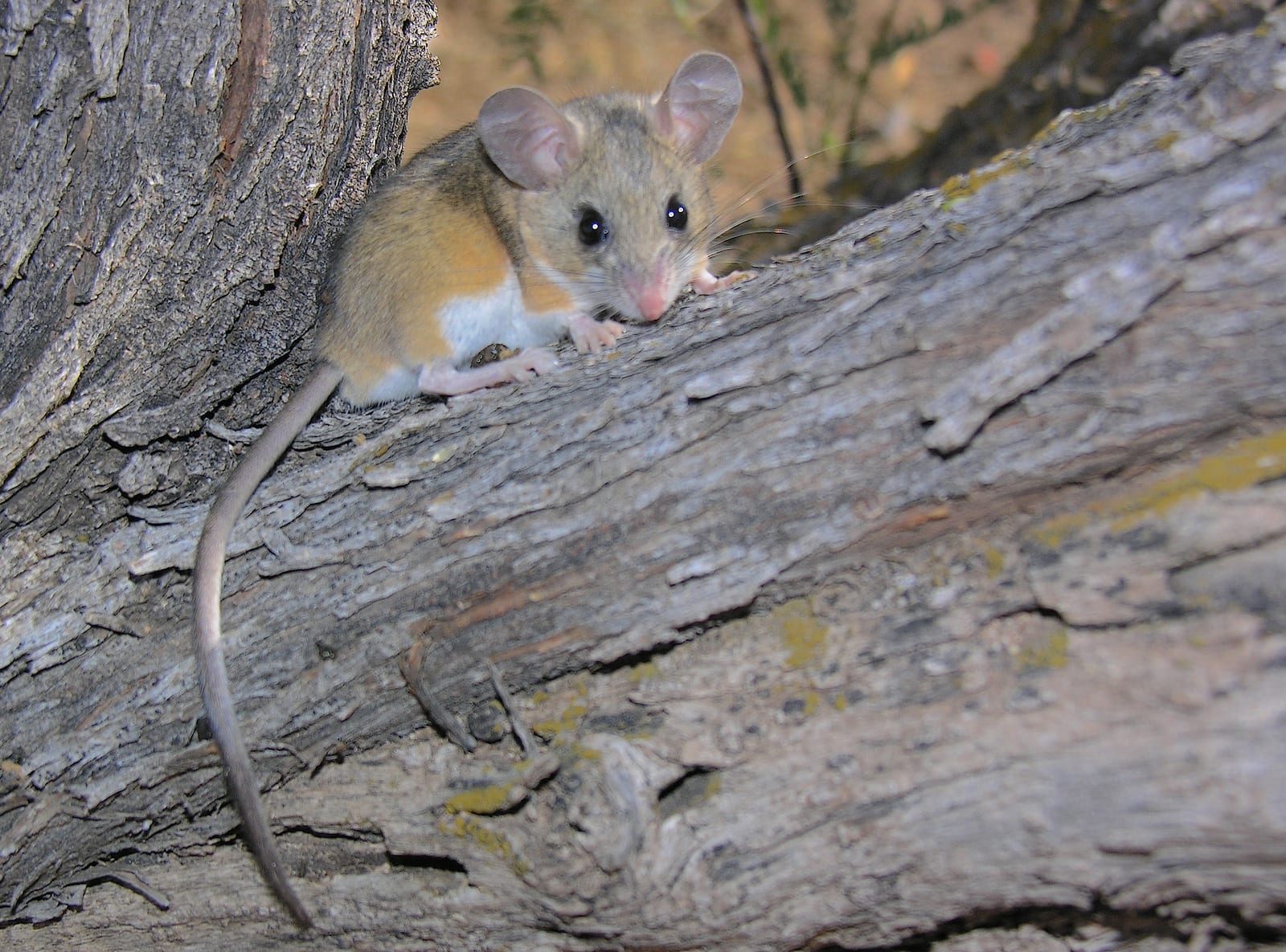
California mammals

North American Deermouse in California

Peromyscus maniculatus

Native to California SNR Unranked in California

Not listed as nonindigenous in California by USGS NAS; native to its California range.

IUCN Red List status

  1. LC
  2. NT
  3. VU
  4. EN
  5. CR
  6. EW
  7. EX

LC – Least Concern

Widespread and abundant; not at risk.

North American Deermouse in California, by the numbers

Common in California 21st most recorded of 233 mammals logged in California

6,419 occurrence records

Records from 2000–2026.

6,419 total records count every California occurrence from GBIF and iNaturalist; the map plots a georeferenced sample of 300; the monthly chart covers the 6,414 records with a full observation date.

When to look for the North American Deermouse in California

Most sightings fall in June to September.

6,414 California occurrence records (iNaturalist and GBIF) by month of year, 2000–2026. Shows when the species is recorded, not a guarantee of presence.

Monthly California records (table)
MonthRecords
January334
February223
March501
April617
May437
June807
July976
August946
September806
October300
November337
December130

Monthly north american deermouse occurrence records (iNaturalist and GBIF) in California, 2000–2026.

Seasonality

Year-round in California, with recorded sightings peaking in June–September, with a smaller rise in April.

Occurrence map

Where North American Deermouse has been recorded in California

300 records mapped · zoom and drag to explore

300 California records mapped

Notable places to look

Park, forest, or monumentiNaturalist records
San Joaquin Experimental Area 1,339
Yosemite National Park 571
Lassen Volcanic National Park 289
Death Valley National Park 65
Kings Canyon National Park 46
John Muir Wilderness 36
Golden Trout Wilderness 32
Mojave National Preserve 28

Protected places with the most north american deermouse sightings, from the USGS Protected Areas Database plus named mountain ranges, good spots to look, not a full breakdown, so they don't sum to the total.

Where it's recorded in California

CountyRecords
Madera County 1,401
Fresno County 1,270
Lassen County 464
Mariposa County 371
Inyo County 334
Tuolumne County 315
Shasta County 258
Kern County 191
Mono County 163
Tehama County 151
San Diego County 148
Tulare County 138
43 other counties 1,215

The complete county distribution, spread across 55 California counties. Every occurrence record falls in one county, so these sum to the total. Counties from GBIF and US Census boundaries.

North American deermouse records cover California’s sharp transitions from foggy coast to dry valley and high mountains. Reports around the San Joaquin Valley and the San Luis and Sacramento refuges show the species in farm country and managed wetlands as well as less altered ground.

Monthly records build into summer and remain highest from June through September. That pattern can reflect field surveys and easier access during dry weather, so it doesn’t prove the mice are scarce during colder months.

This is a small, often hidden mammal, and many records come from trapping or museum work rather than casual sightings. Roads, research sites, and public lands therefore shape the footprint strongly, while remote and private areas remain less completely sampled.
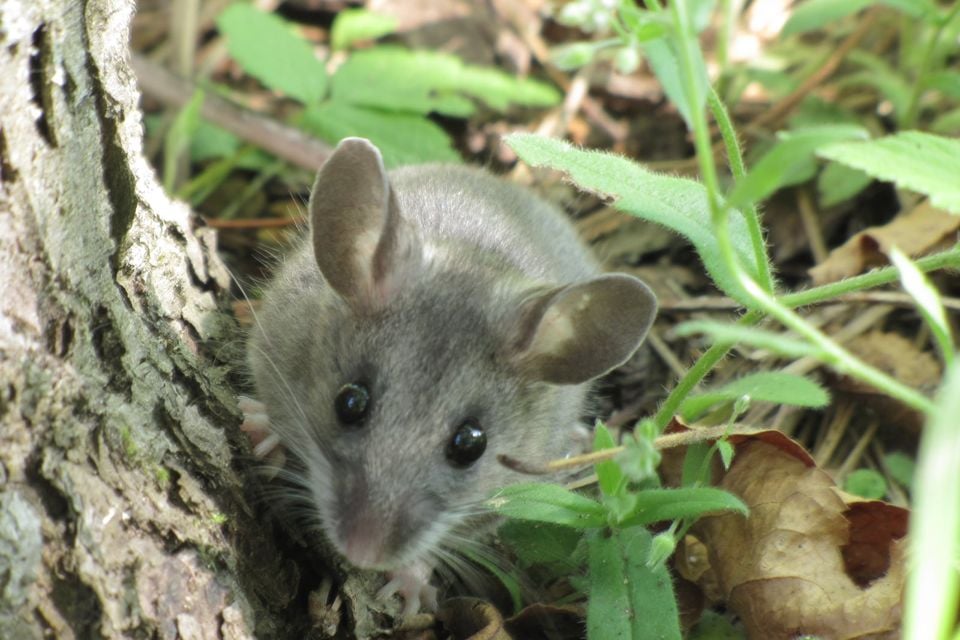

Occurrence data from GBIF.

More mammals in California in the atlas

Data & sources

The data and visualizations on this page draw on these open sources:

  • GBIFCC-BY 4.0occurrence records behind the range map, elevation, and record counts
  • iNaturalistCC0 / CC-BY / CC-BY-SAobservations, photos, and audio recordings
  • NatureServe ExplorerCC-BYthe state conservation rank
  • IUCN Red Listattributed factthe global conservation status
  • USGS NASpublic domainnative / introduced status
  • Natural Earthpublic domainthe relief basemap
  • USFSpublic domainnational-forest boundaries
  • USGS Protected Areas Databasepublic domainthe named parks, forests, and refuges behind "notable places to look"




