
California mammals

Northern Grasshopper Mouse in California

Onychomys leucogaster

Native to California SNR Unranked in California

Not listed as nonindigenous in California by USGS NAS; native to its California range.

IUCN Red List status

  1. LC
  2. NT
  3. VU
  4. EN
  5. CR
  6. EW
  7. EX

LC – Least Concern

Widespread and abundant; not at risk.

Northern Grasshopper Mouse in California, by the numbers

Occasional in California 147th most recorded of 241 mammals logged in California

87 occurrence records
1 with iNaturalist photos

Records from 2000–2026.

87 total records count every California occurrence from GBIF and iNaturalist; the monthly chart covers the 86 records with a full observation date.

When to look for the Northern Grasshopper Mouse in California

Most sightings fall in July to September.

86 California occurrence records (iNaturalist and GBIF) by month of year, 2000–2026. Shows when the species is recorded, not a guarantee of presence.

Monthly California records (table)
MonthRecords
January0
February0
March1
April1
May13
June4
July20
August25
September19
October2
November0
December1

Monthly northern grasshopper mouse occurrence records (iNaturalist and GBIF) in California, 2000–2026.

Seasonality

Year-round in California, with recorded sightings peaking in July–September.

Occurrence map

Where Northern Grasshopper Mouse has been recorded in California

87 records mapped · zoom and drag to explore

87 California records mapped

Notable places to look

Park, forest, or monumentiNaturalist records
Inyo National Forest 3
Toiyabe National Forest 1
Lava Beds National Monument 1
Valentine Eastern Sierra Reserve - Valentine Camp 1

Protected places with the most northern grasshopper mouse sightings, from the USGS Protected Areas Database plus named mountain ranges, good spots to look, not a full breakdown, so they don't sum to the total.

Where it's recorded in California

CountyRecords
Mono County 41
Lassen County 19
Modoc County 18
Inyo County 4
San Bernardino County 1
Kern County 1
Plumas County 1
Siskiyou County 1
Alpine County 1

The complete county distribution, spread across 9 California counties. Every occurrence record falls in one county, so these sum to the total. Counties from GBIF and US Census boundaries.

Northern Grasshopper Mouse records reflect California’s dry interior, where sandy flats, open scrub, grassland, and desert basins form a patchwork rather than one continuous habitat. The Central Valley, Mojave Desert, and eastern rain-shadow valleys differ greatly in soil and vegetation.

Agriculture, roads, and expanding towns have broken up many lowland sites, especially in the San Joaquin Valley. Reports don’t measure abundance, and the scarcity of nighttime surveys can leave suitable-looking ground with few or no mapped observations.

Only 87 California museum or survey records support this account. Monthly patterns can also reflect weather and observer activity, so they shouldn’t be treated as a direct count of animals.
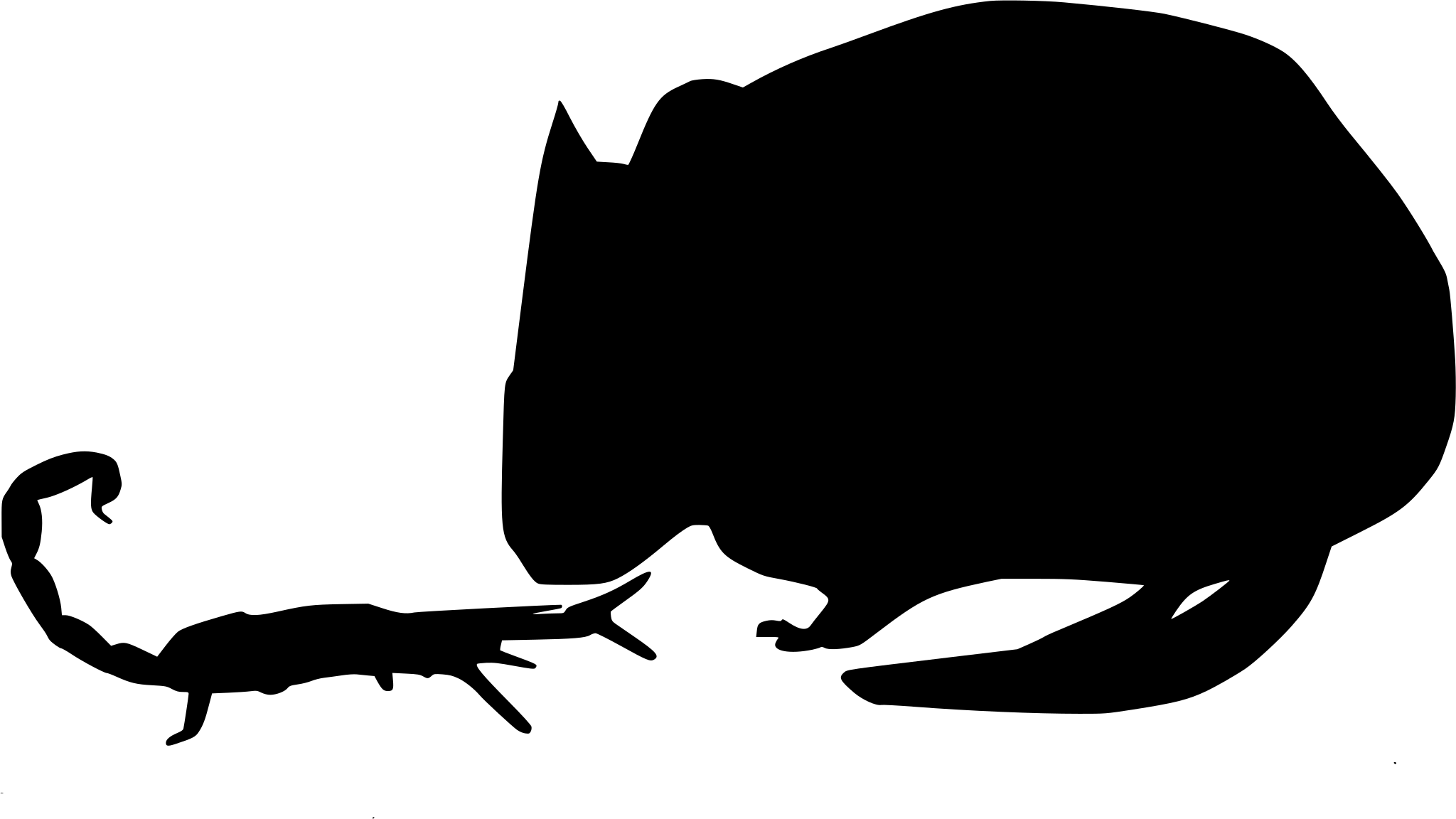
Occurrence data from GBIF.

More mammals in California in the atlas

Data & sources

The data and visualizations on this page draw on these open sources:

  • GBIFCC-BY 4.0occurrence records behind the range map, elevation, and record counts
  • iNaturalistCC0 / CC-BY / CC-BY-SAobservations, photos, and audio recordings
  • NatureServe ExplorerCC-BYthe state conservation rank
  • IUCN Red Listattributed factthe global conservation status
  • USGS NASpublic domainnative / introduced status
  • Natural Earthpublic domainthe relief basemap
  • USFSpublic domainnational-forest boundaries
  • USGS Protected Areas Databasepublic domainthe named parks, forests, and refuges behind "notable places to look"




