


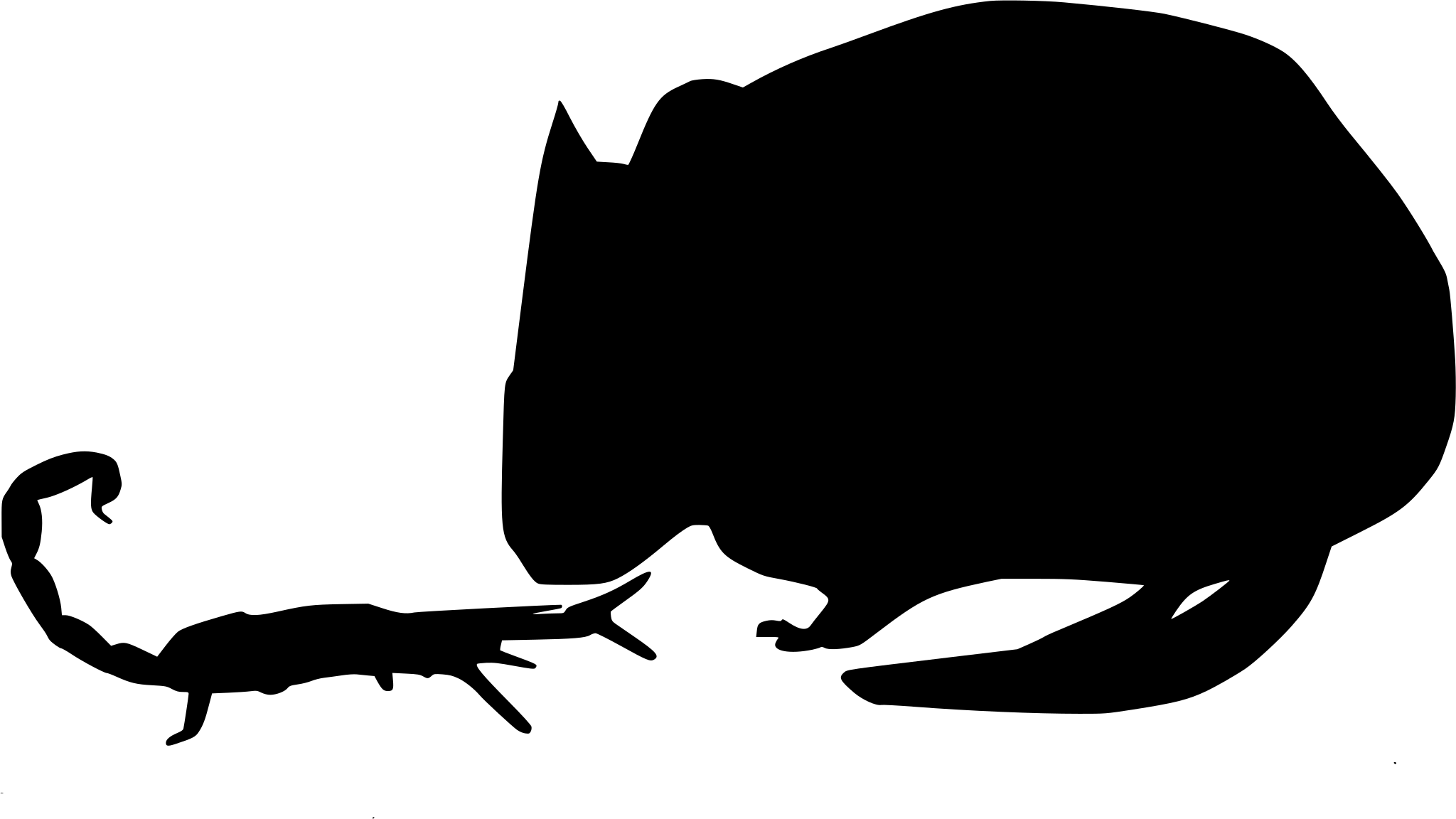
Onychomys leucogaster carries a genus name that translates to claw mouse, fitting for one of the only North American rodents that hunts rather than grazes. It kills insects, scorpions, and even other mice, relying on claws and teeth rather than the seed-cracking bite most mouse species use.
Kansas’s own record for the species is thin, no confirmed occurrence count logged in the state’s data, just a set of scattered sightings from Tallgrass Prairie National Preserve, Konza Prairie Biological Station, and other Flint Hills prairie preserves in the eastern part of the state. NatureServe still lists it S5, Secure, in Kansas, so the sparse mapped record looks more like a detection gap than a real rarity, since this mouse is small, nocturnal, and rarely seen even where it’s common. What reports exist spike hardest in September, with a smaller rise in April, a pattern likely tied to when this hunter is easiest for observers to find above ground rather than a true seasonal shift in its numbers.
 Full species profile




