
Mammals of Kansas
Kansas has 80 wild mammal species with an established range in the state. Another eight are known only from occasional or historical records.
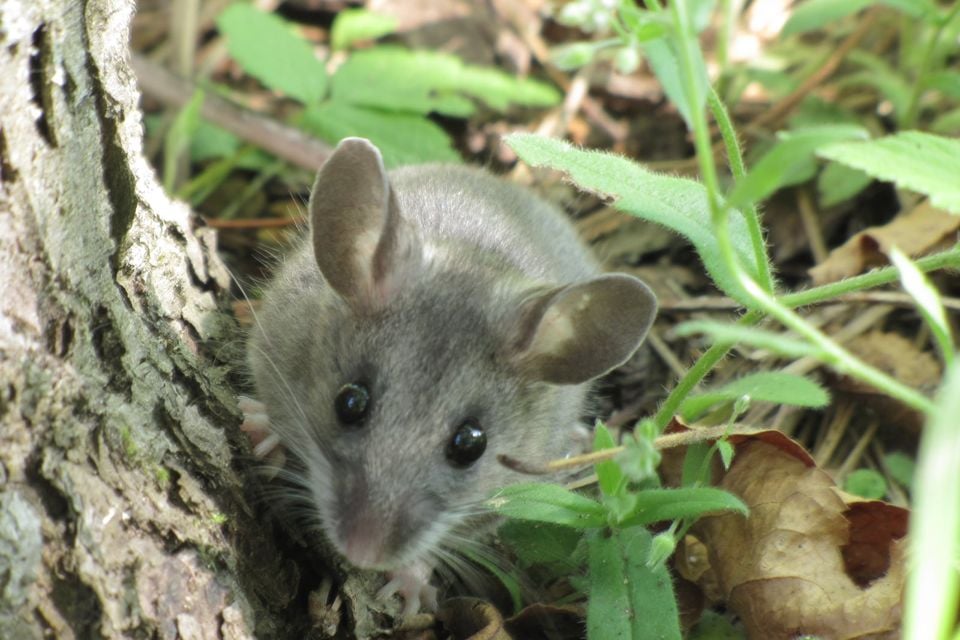
Kansas sits where the eastern forests run out and the Great Plains begin, and its mammals change with the grass. The Flint Hills hold the largest stretch of unplowed tallgrass prairie left in North America, while the west turns to shortgrass, sandsage, and chalk bluffs. Black-tailed prairie dogs build towns across the western counties. In 2007, black-footed ferrets, a species once thought extinct, were released onto prairie dog colonies in Logan County. Swift foxes, pronghorn, and plains pocket gophers fill out the High Plains.
Mice, cotton rats, and voles dominate the state's records, a sign of decades of field studies and museum collecting as much as of the animals themselves. Armadillos have been moving north into southern Kansas, and a small elk herd uses the Cimarron National Grassland. Wild bison and gray wolves are long gone, although managed bison herds graze at Konza Prairie and Maxwell Wildlife Refuge.
Carnivores of Kansas (16)
-
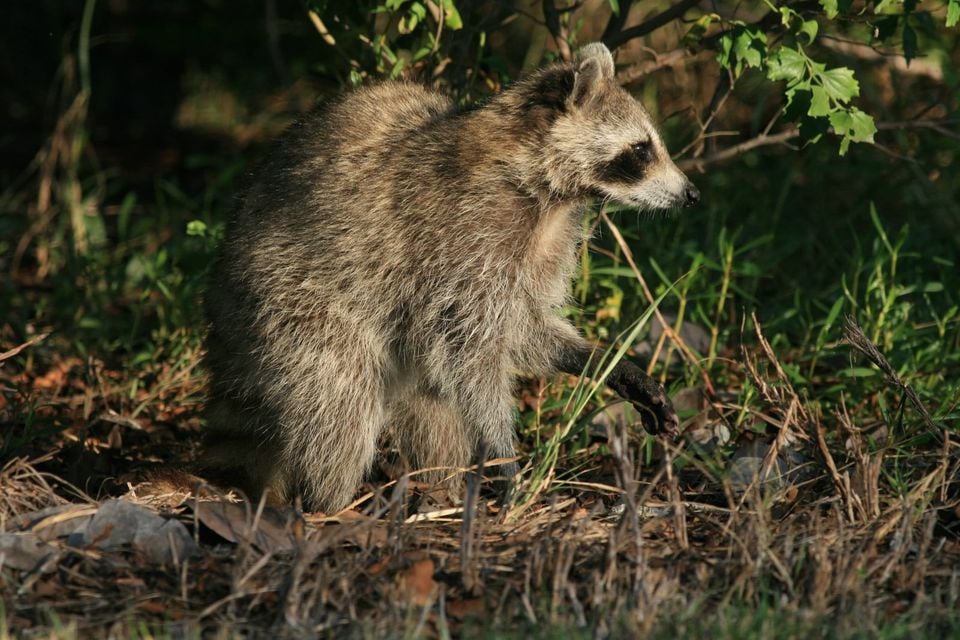
Common Raccoon
Procyon lotor -
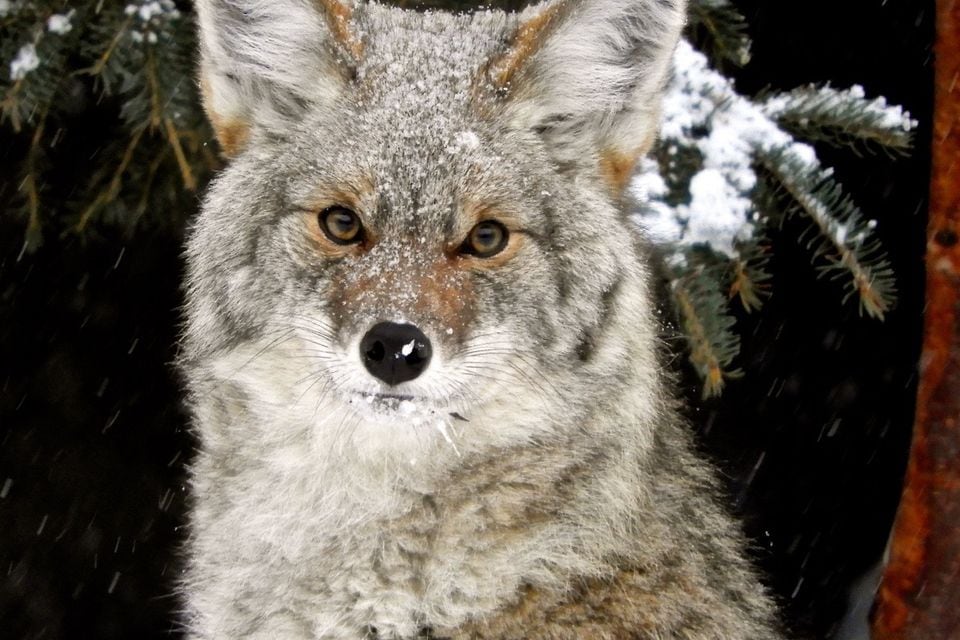
Coyote
Canis latrans -
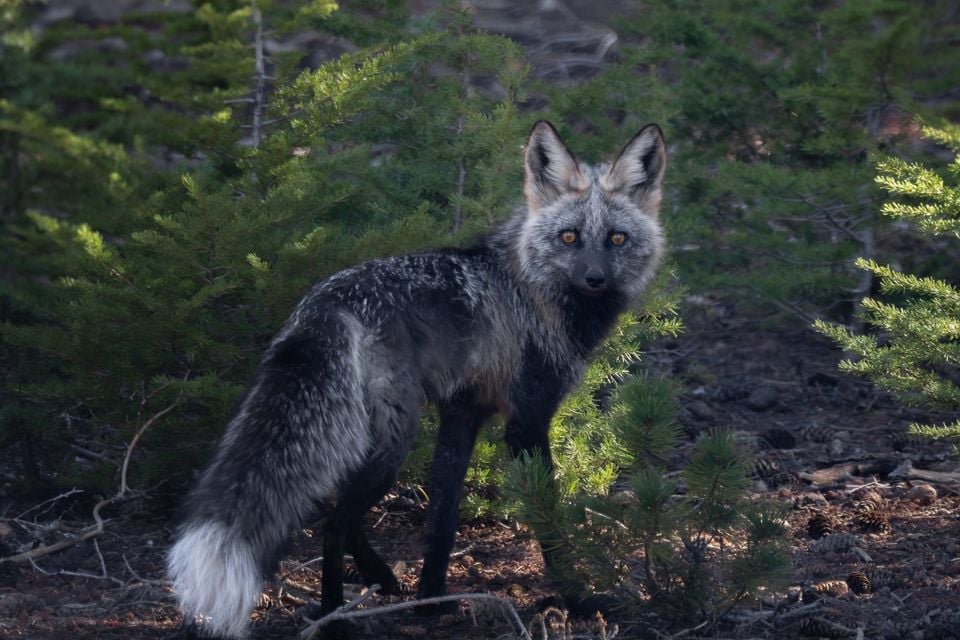
Red Fox
Vulpes vulpes -
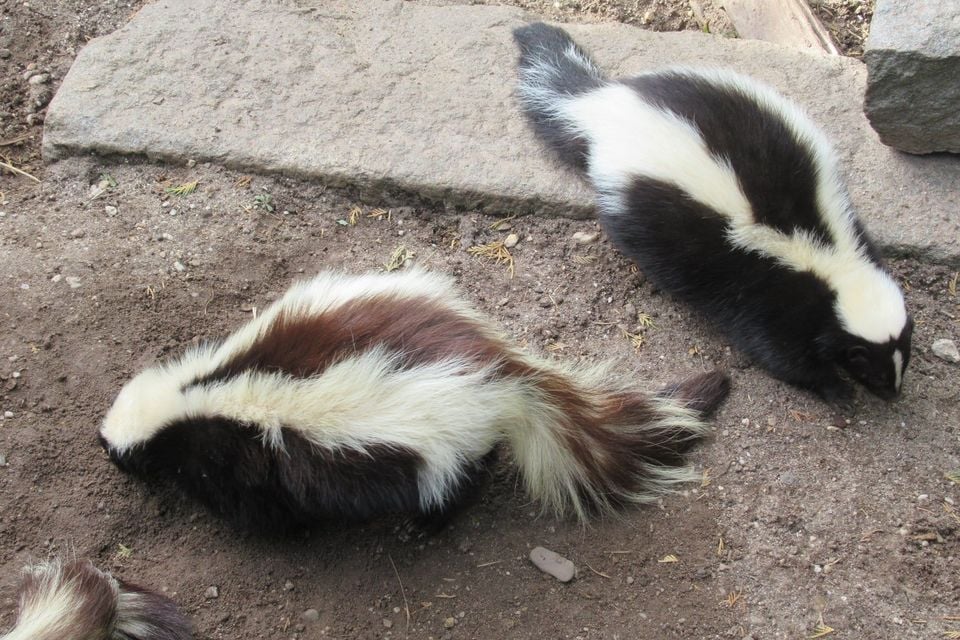
Striped Skunk
Mephitis mephitis -
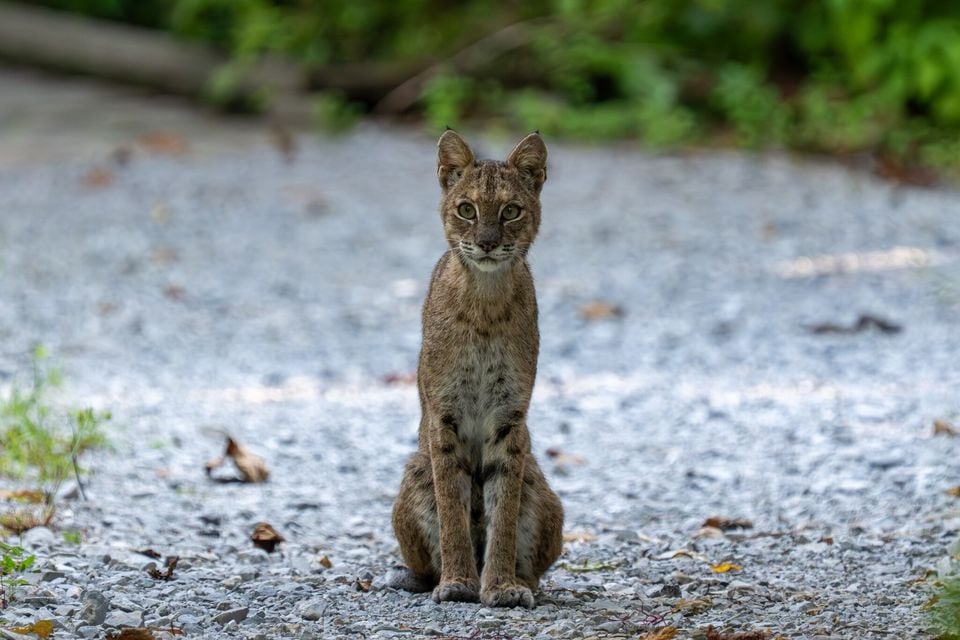
Bobcat
Lynx rufus -
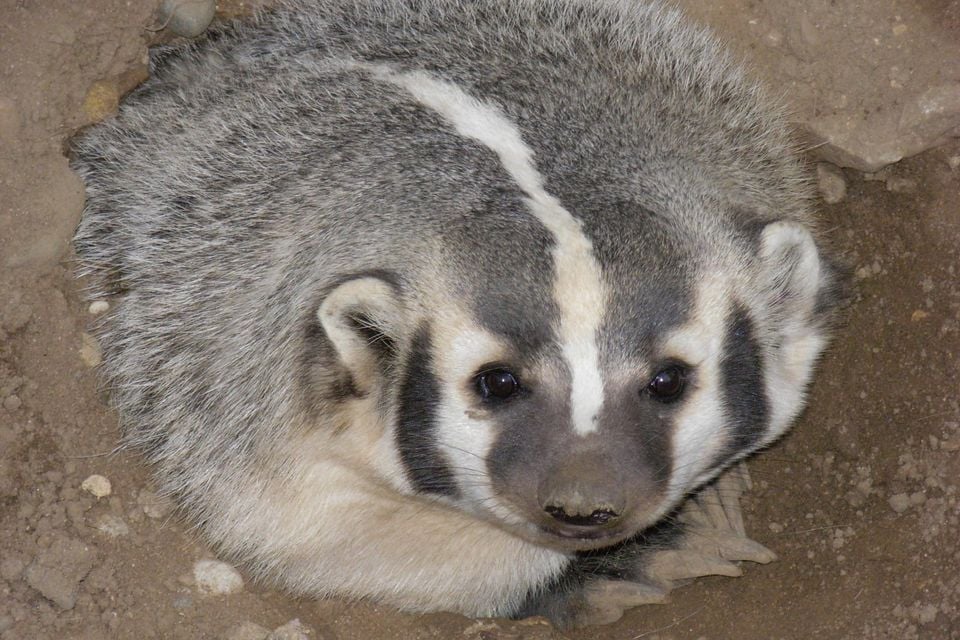
American Badger
Taxidea taxus -
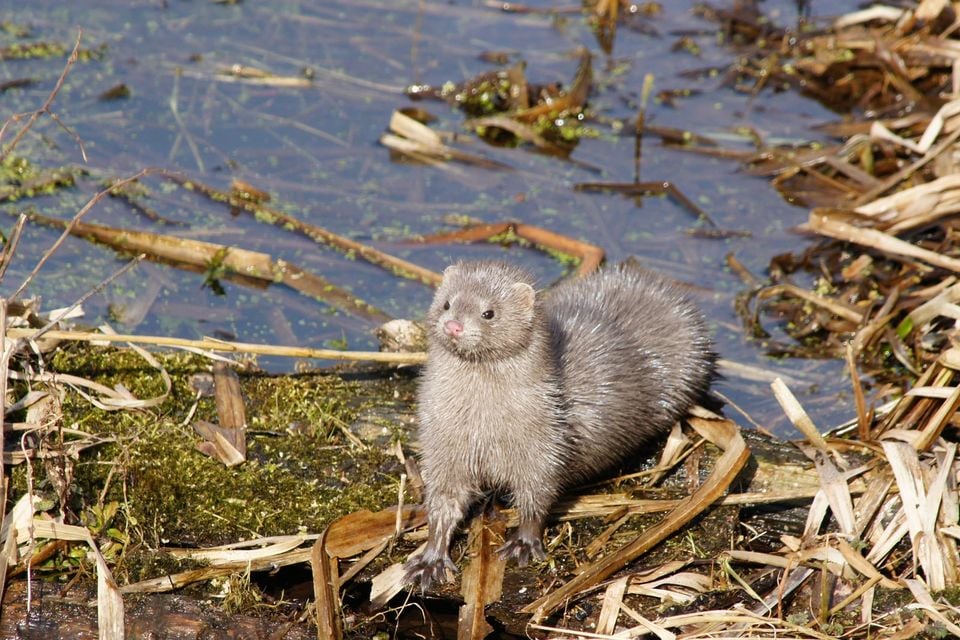
American Mink
Neogale vison -
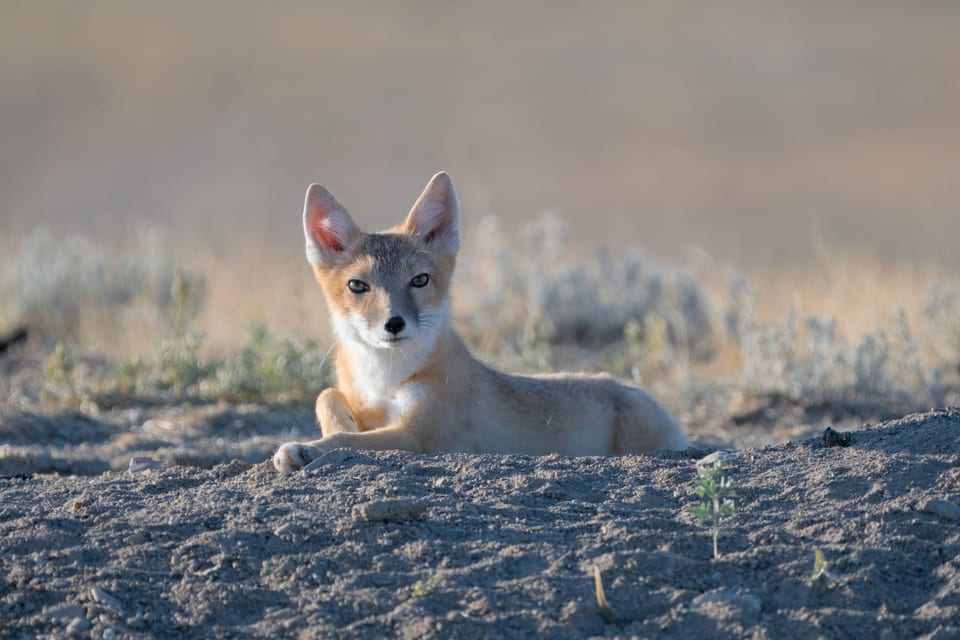
Swift Fox
Vulpes velox -
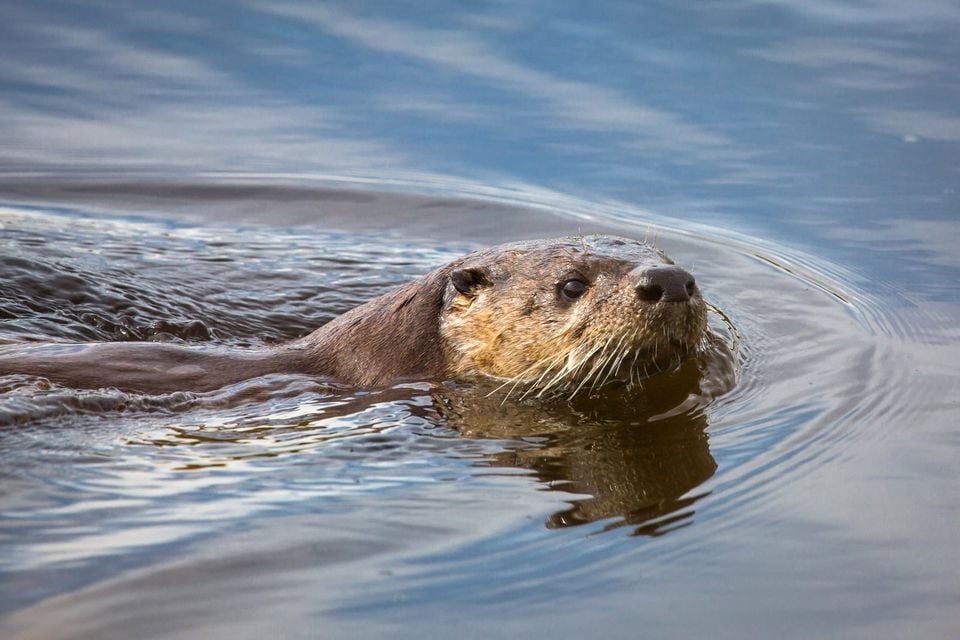
North American River Otter
Lontra canadensis -
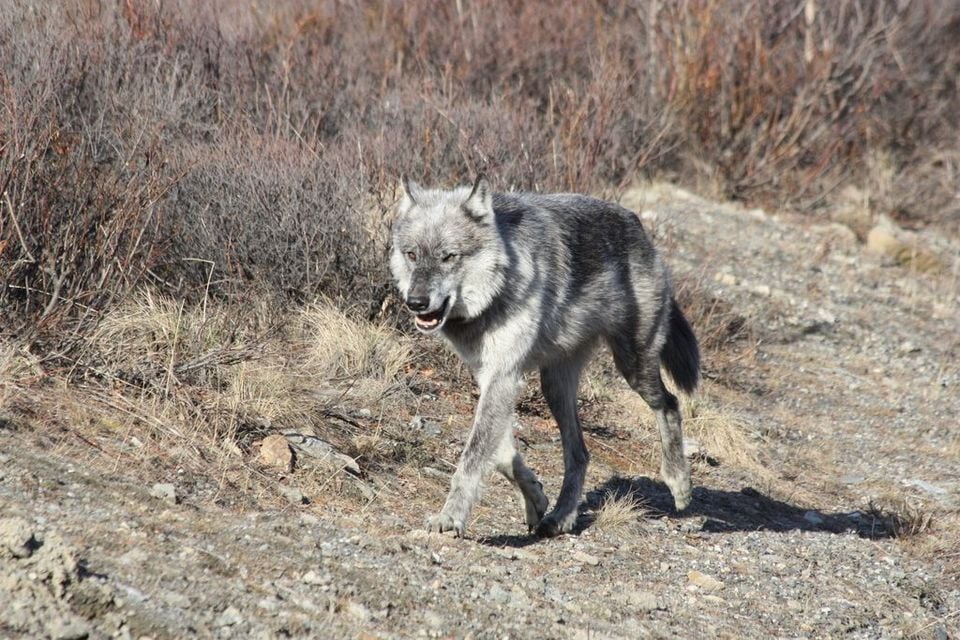
Gray Wolf
Canis lupus -
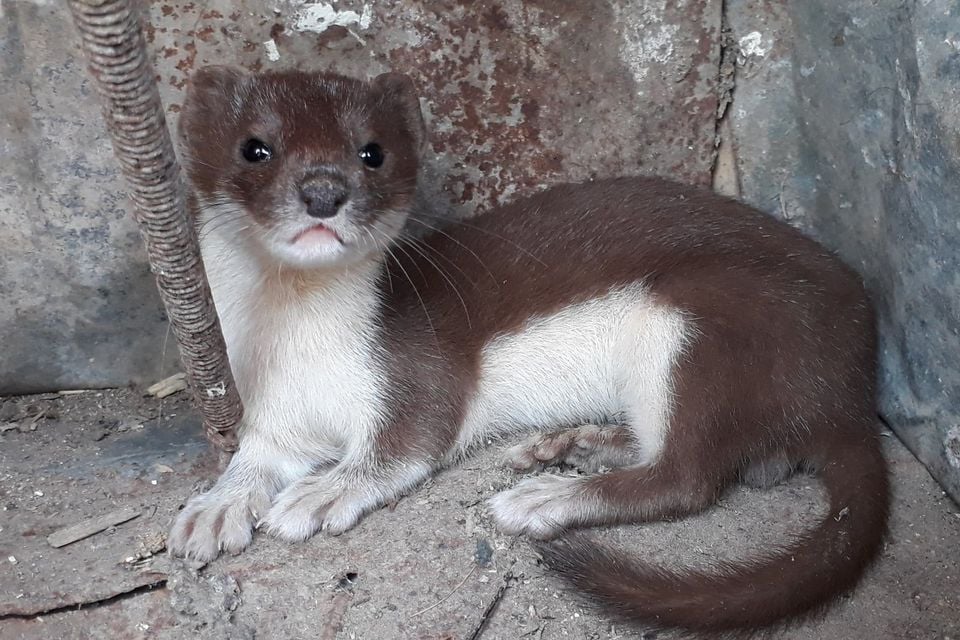
Least Weasel
Mustela nivalis -
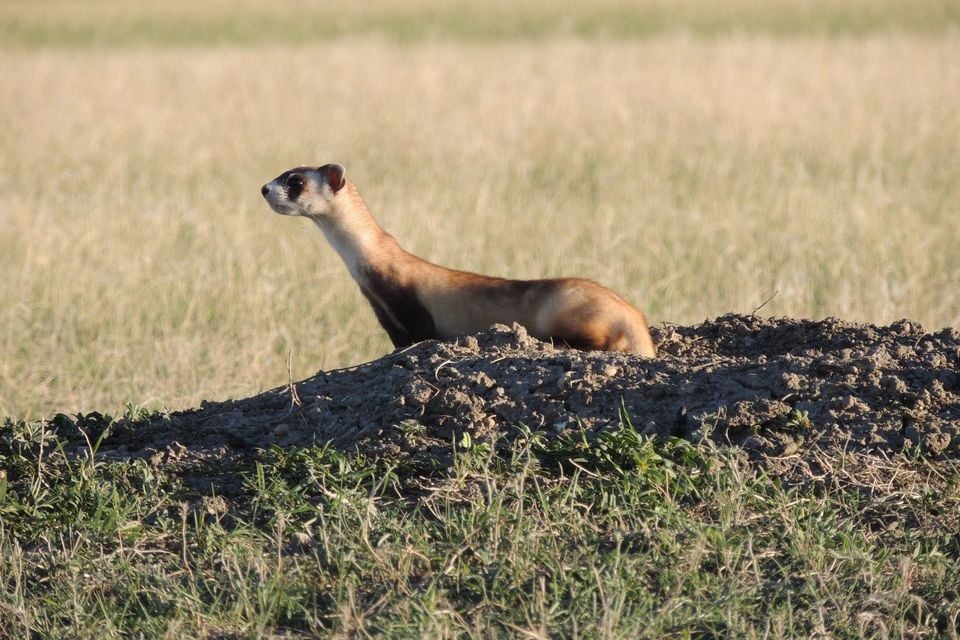
Black-footed Ferret
Mustela nigripes -
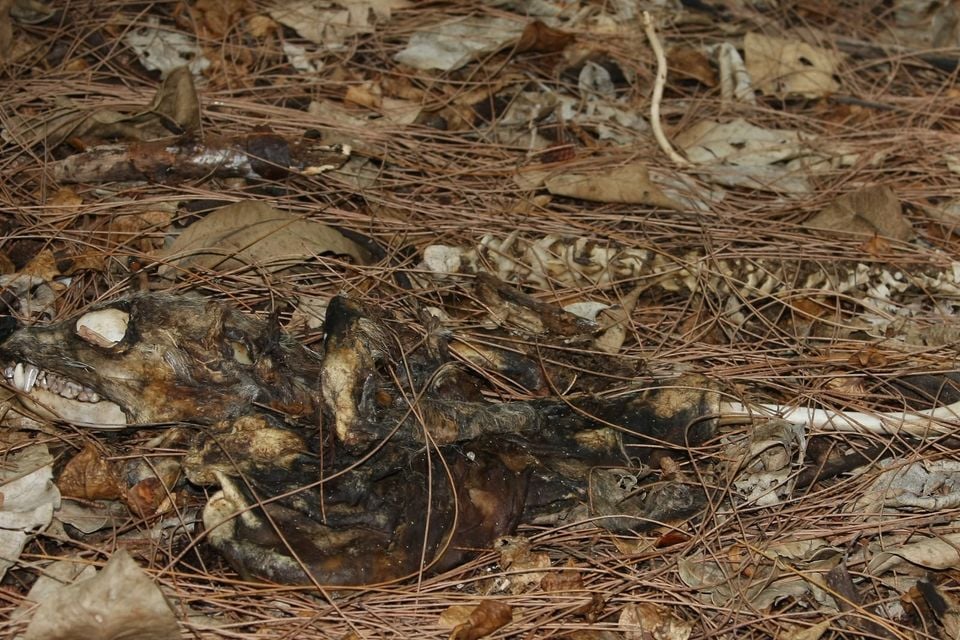
Gray Fox
Urocyon cinereoargenteus -
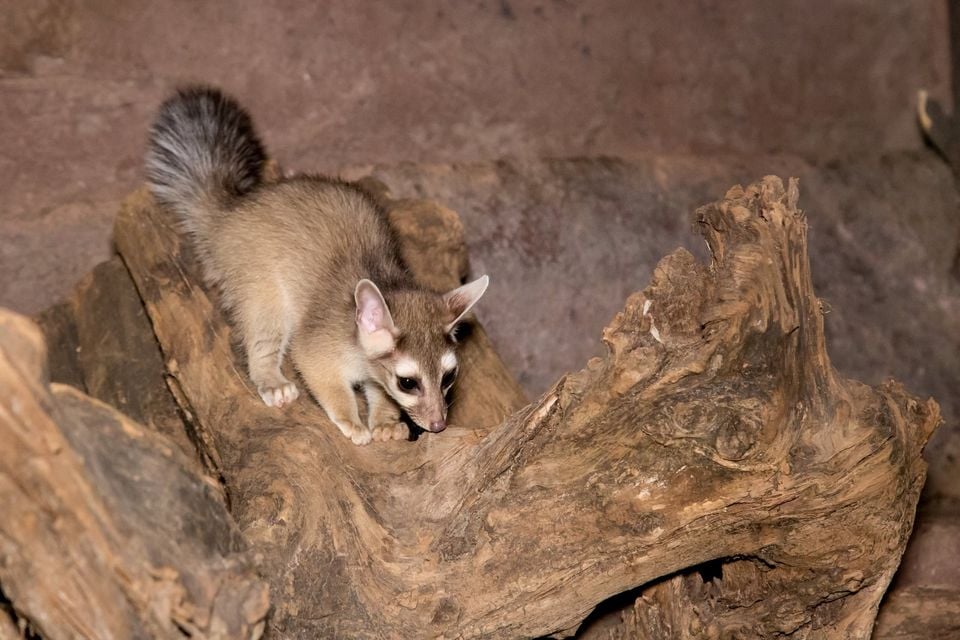
Ringtail
Bassariscus astutus -
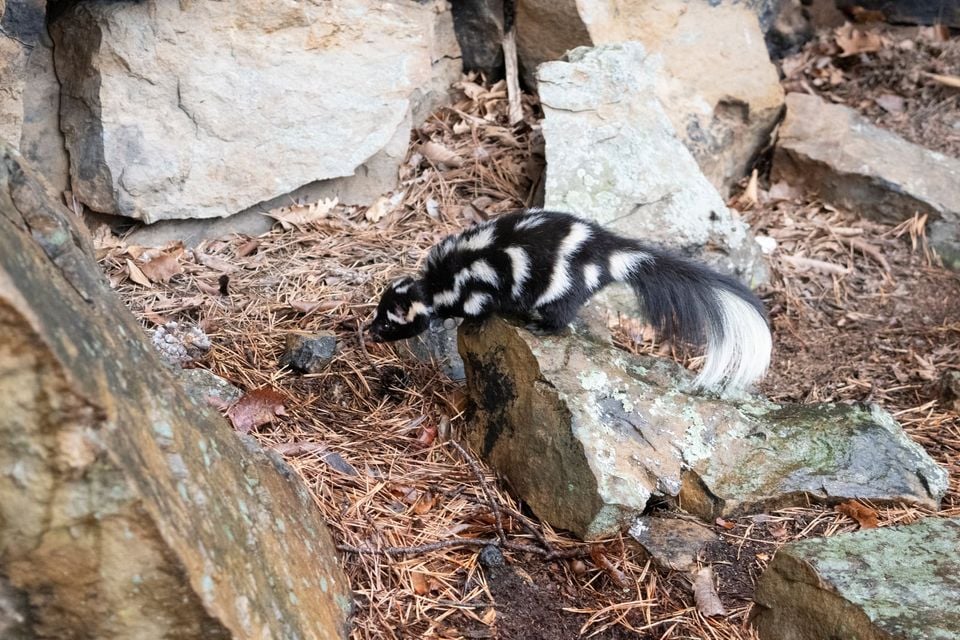
Plains Spotted Skunk
Spilogale interrupta -
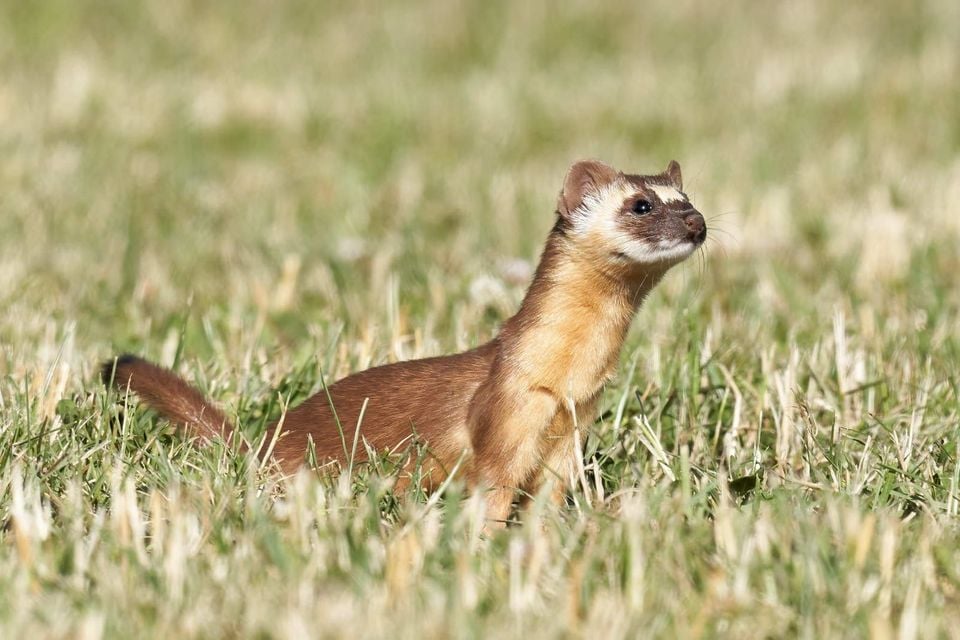
Long-tailed Weasel
Neogale frenata
Hoofed mammals of Kansas (6)
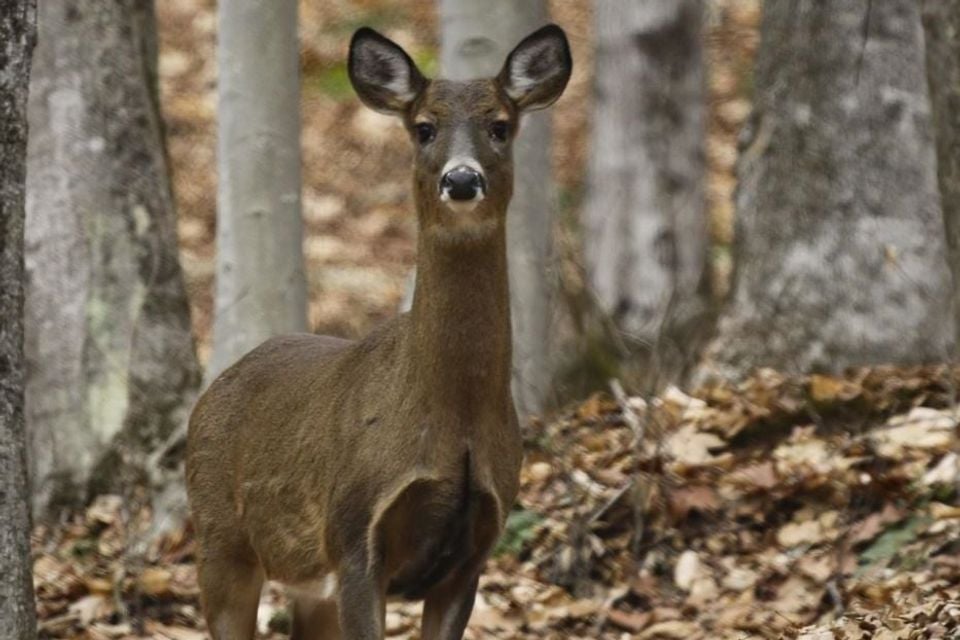
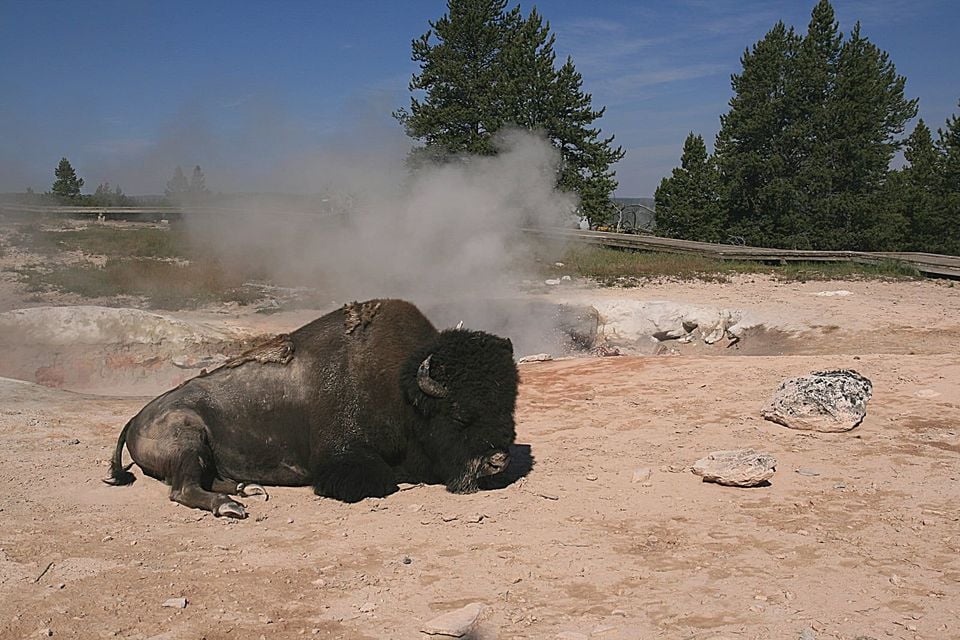
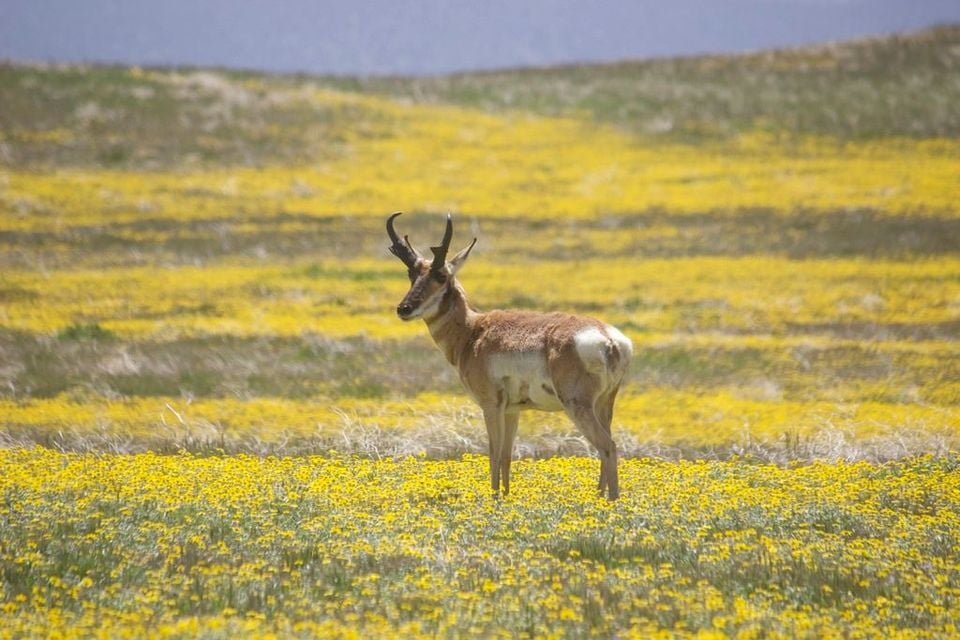
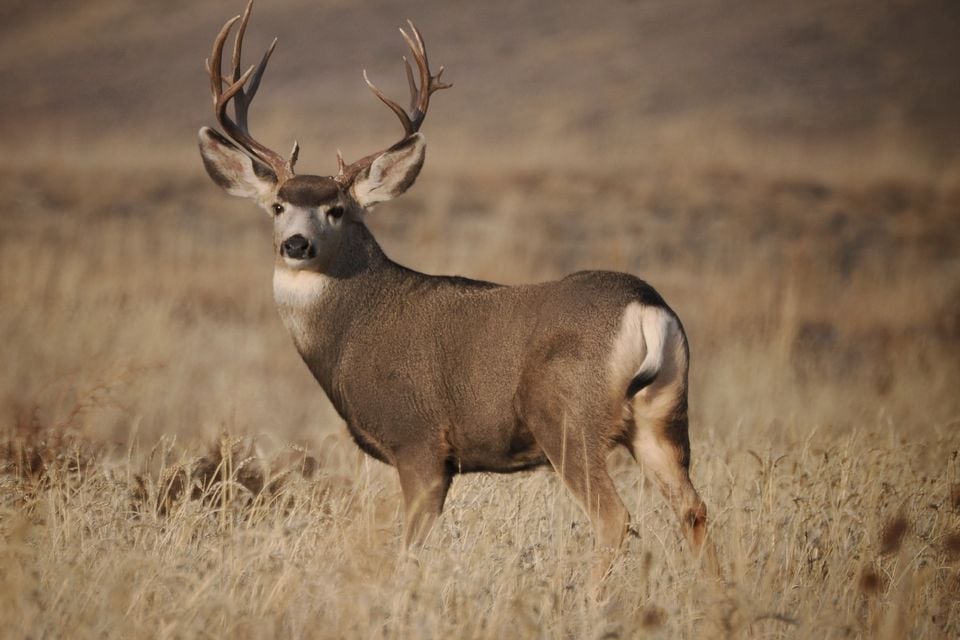
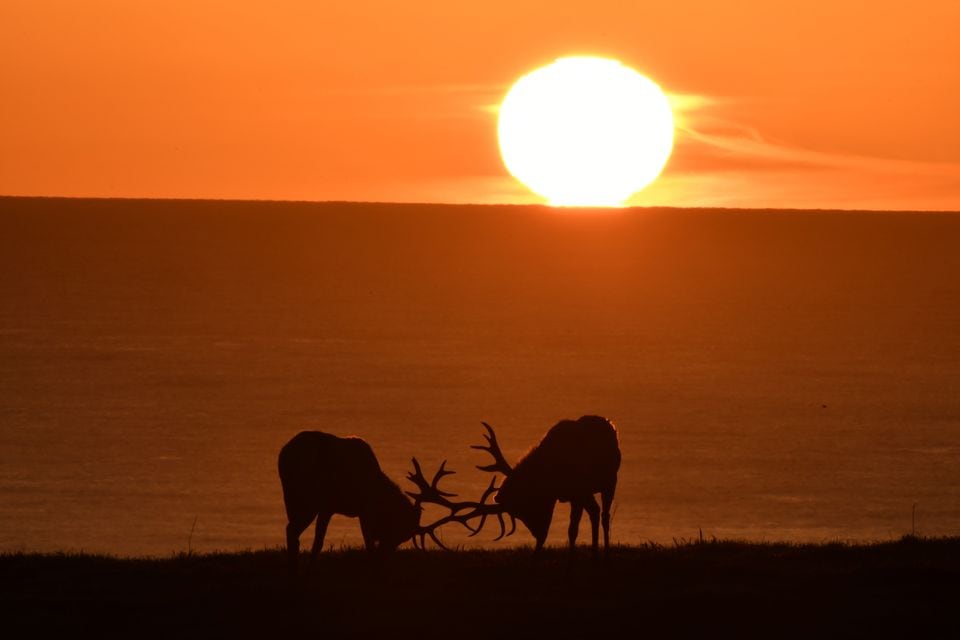
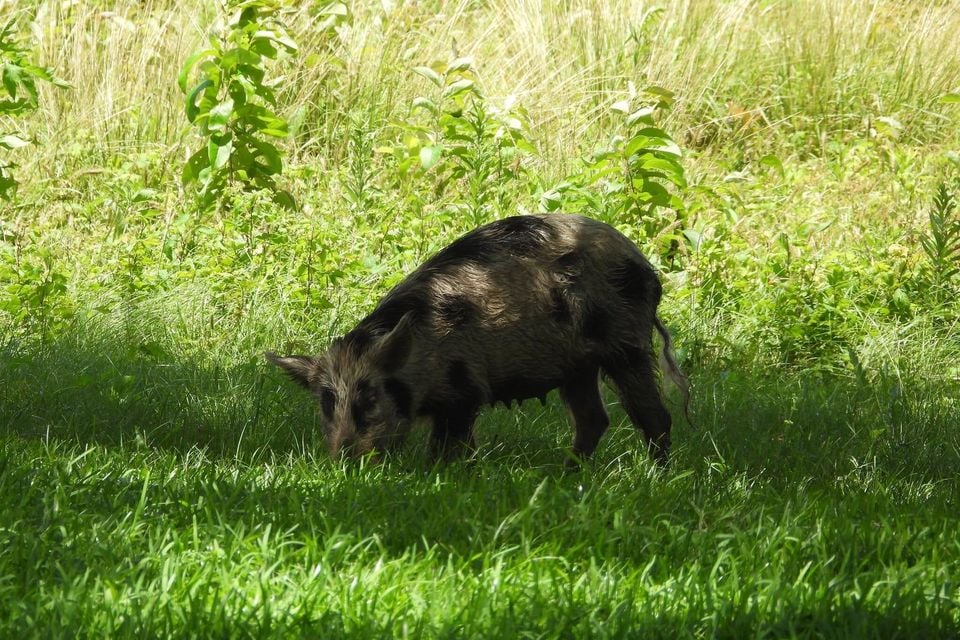
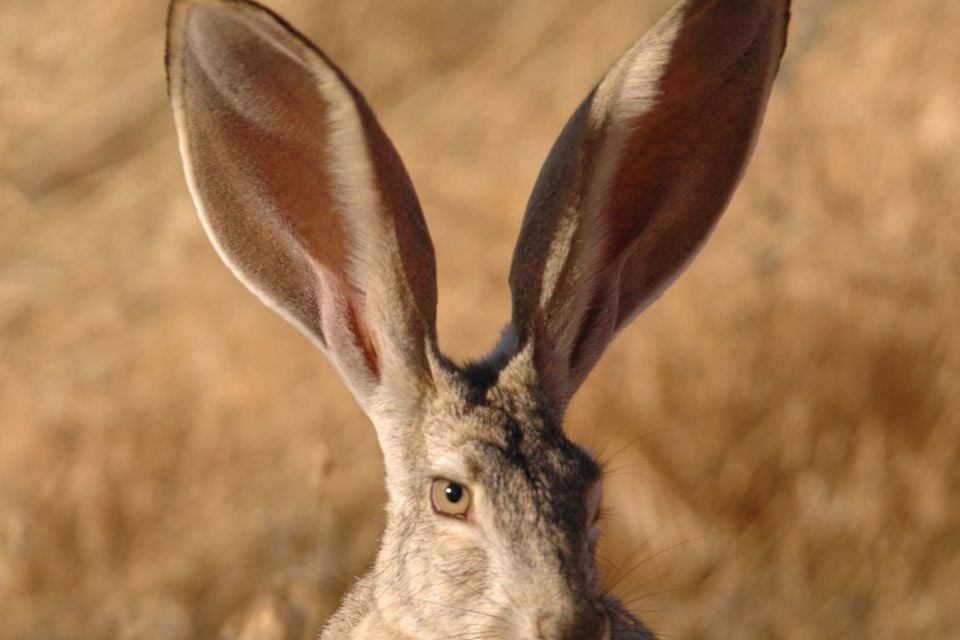
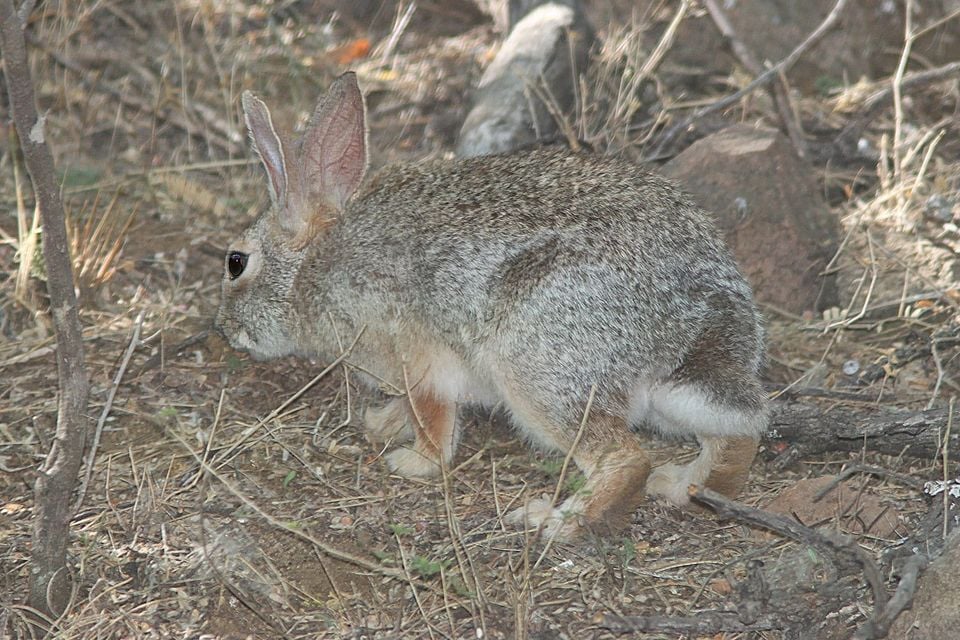
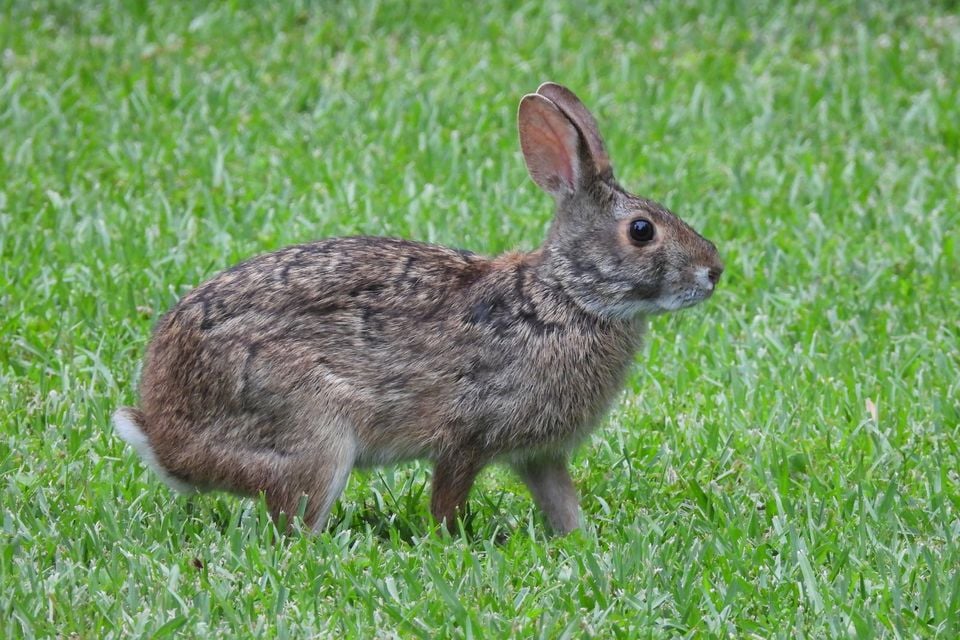
Rabbits and hares of Kansas (5)
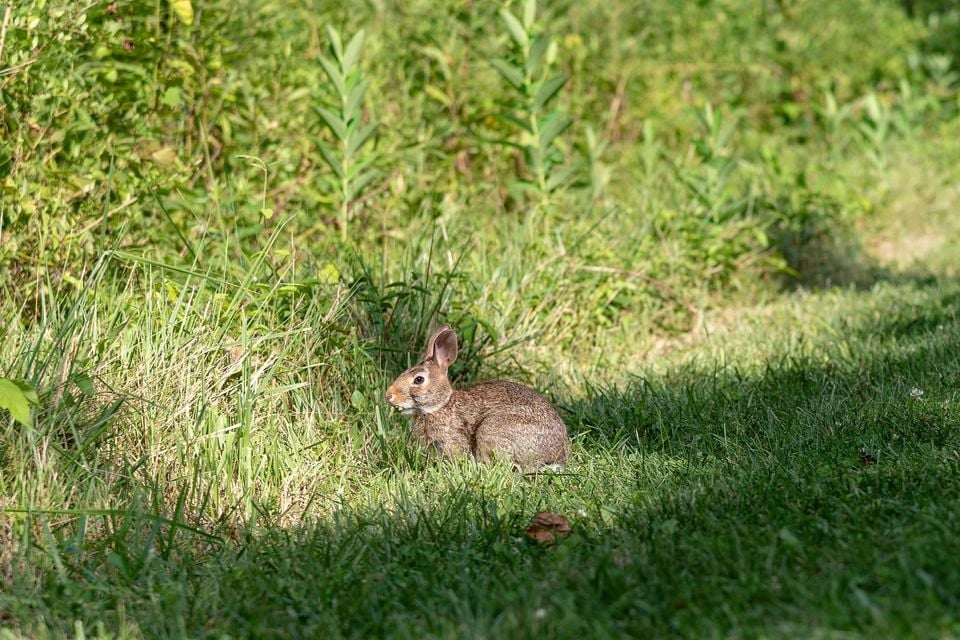
Squirrels, chipmunks, prairie dogs, and groundhogs of Kansas (9)
-
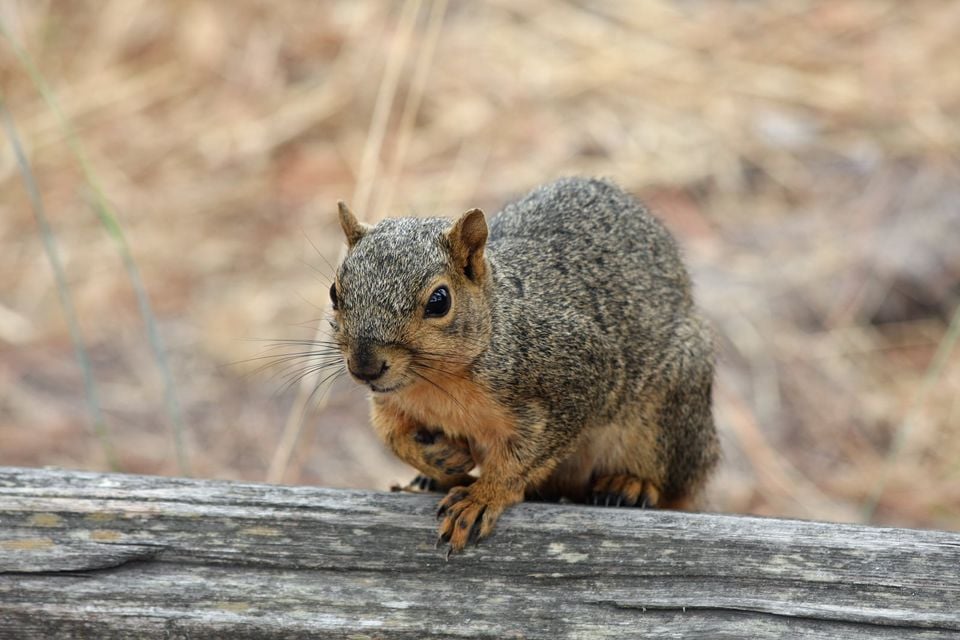
Fox Squirrel
Sciurus niger -
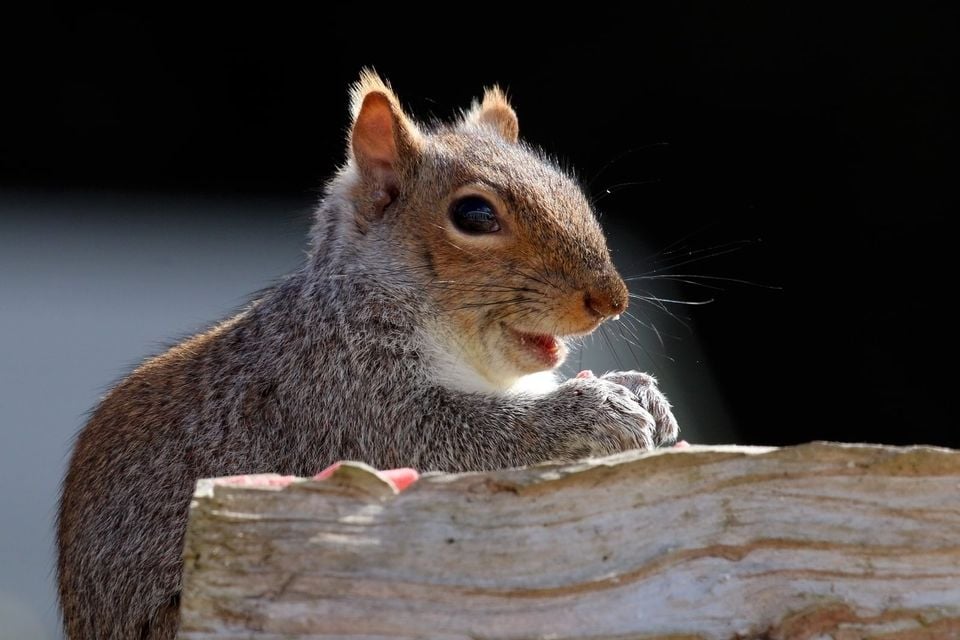
Eastern Gray Squirrel
Sciurus carolinensis -
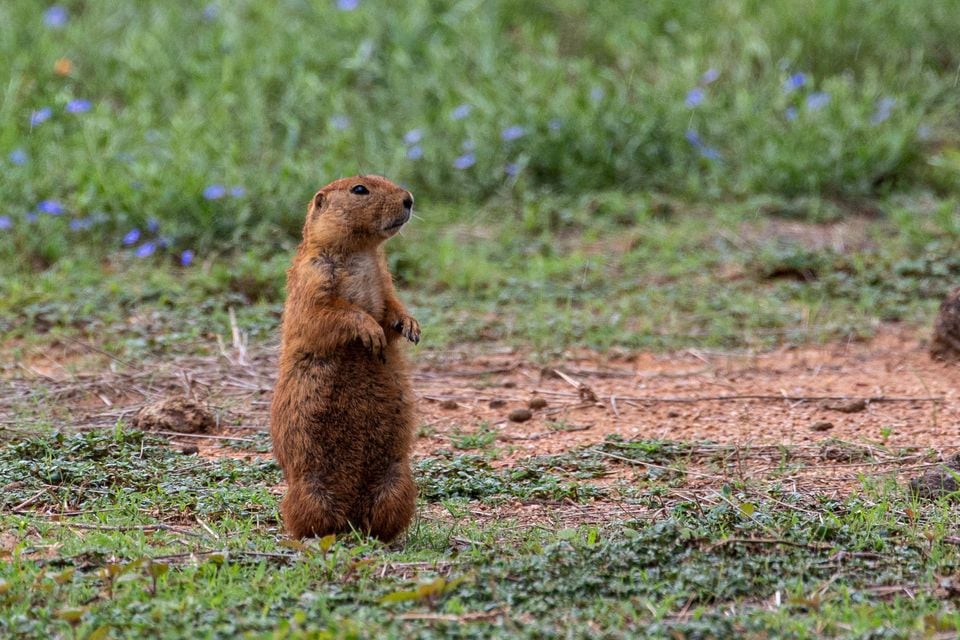
Black-tailed Prairie Dog
Cynomys ludovicianus -
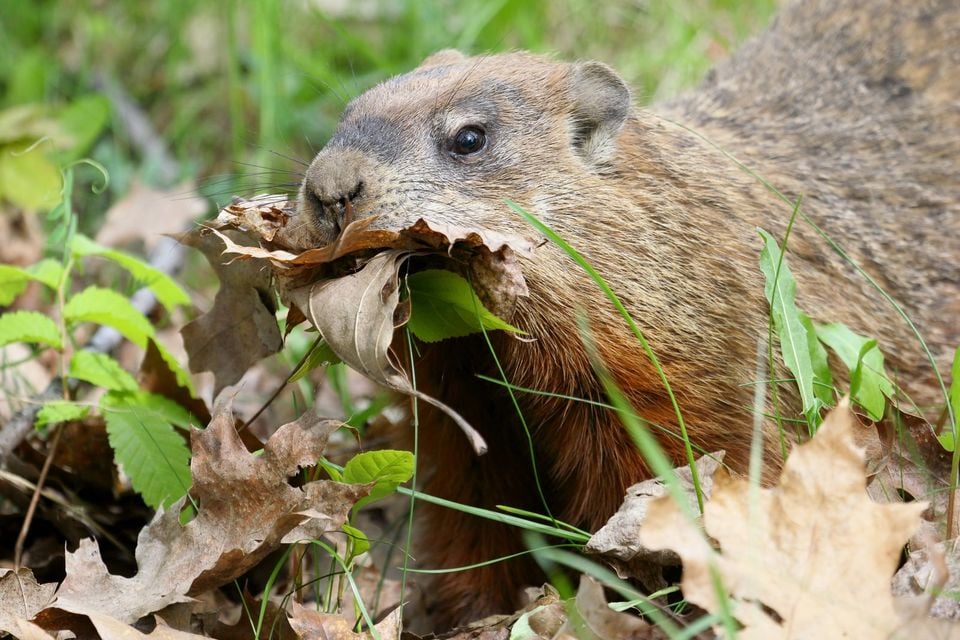
Groundhog
Marmota monax -
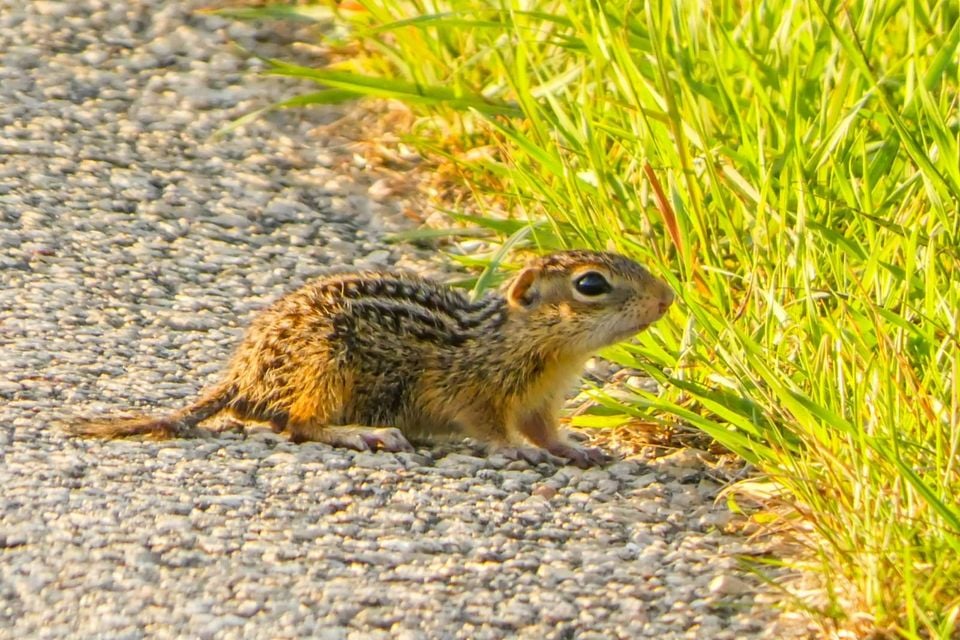
Thirteen-lined ground squirrel
Ictidomys tridecemlineatus -
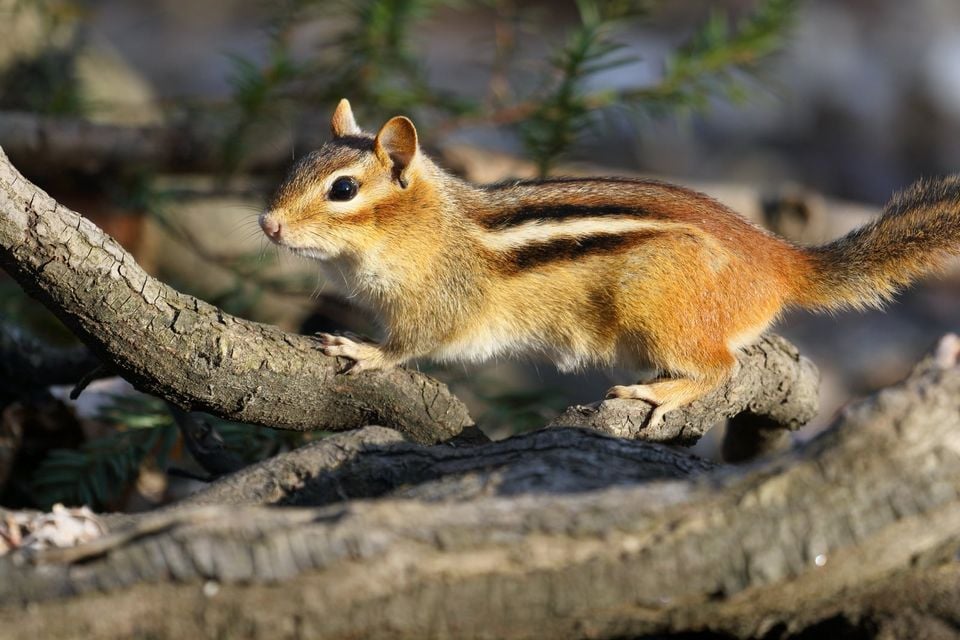
Eastern Chipmunk
Tamias striatus -
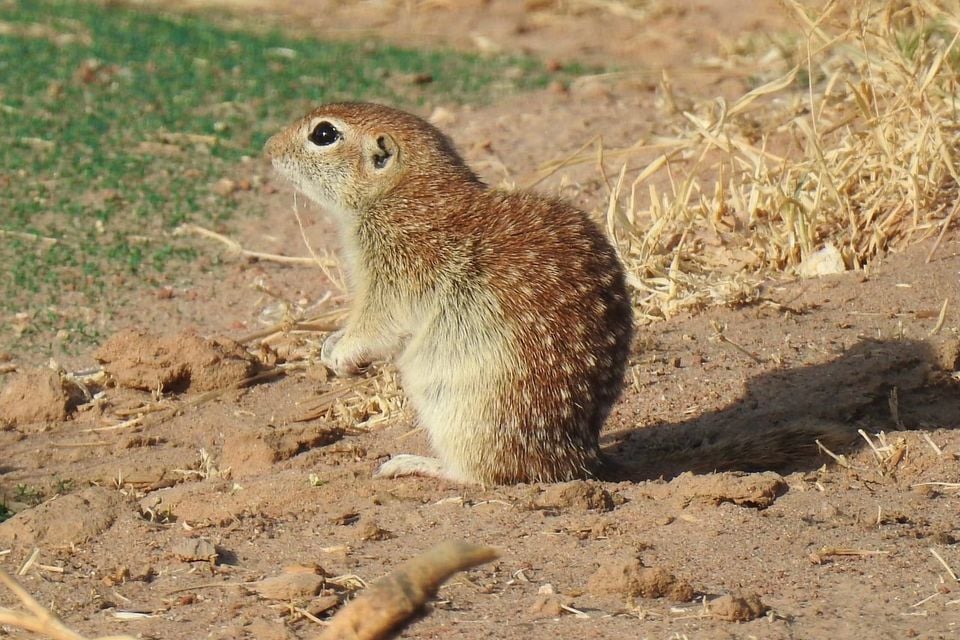
Spotted Ground Squirrel
Xerospermophilus spilosoma -
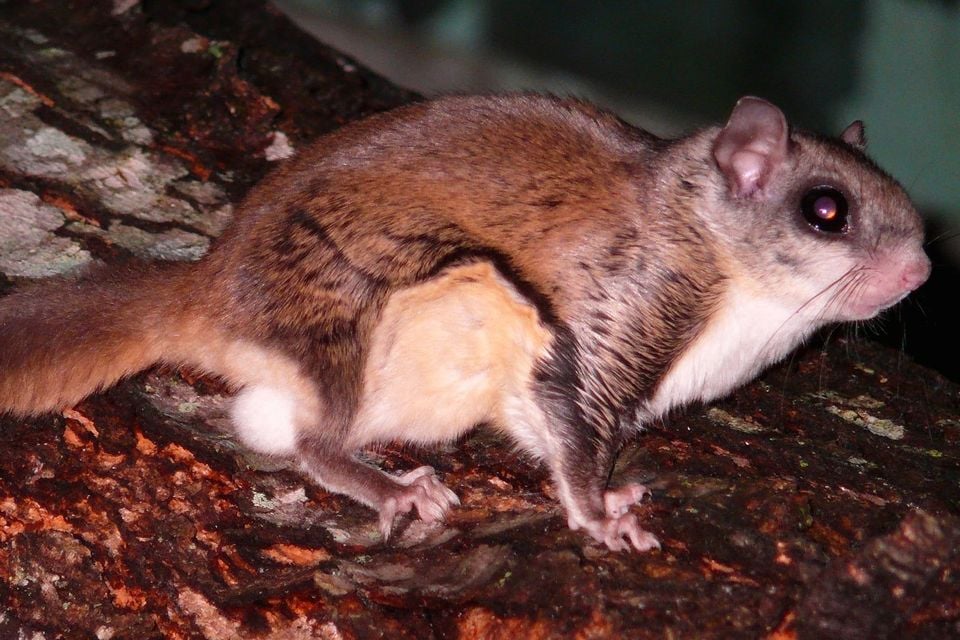
Southern Flying Squirrel
Glaucomys volans -
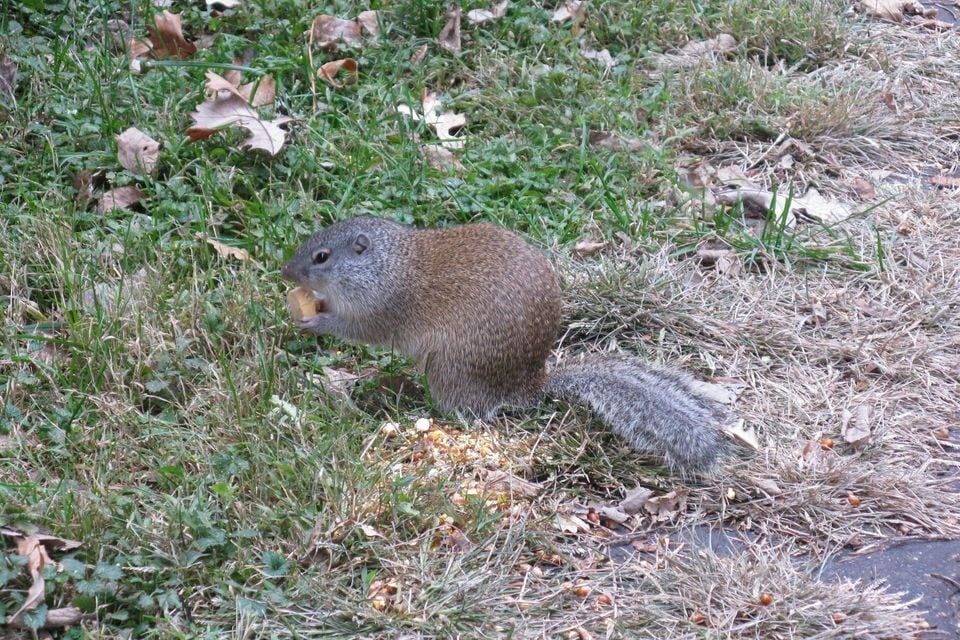
Franklin's Ground Squirrel
Poliocitellus franklinii
Beavers and porcupines of Kansas (2)
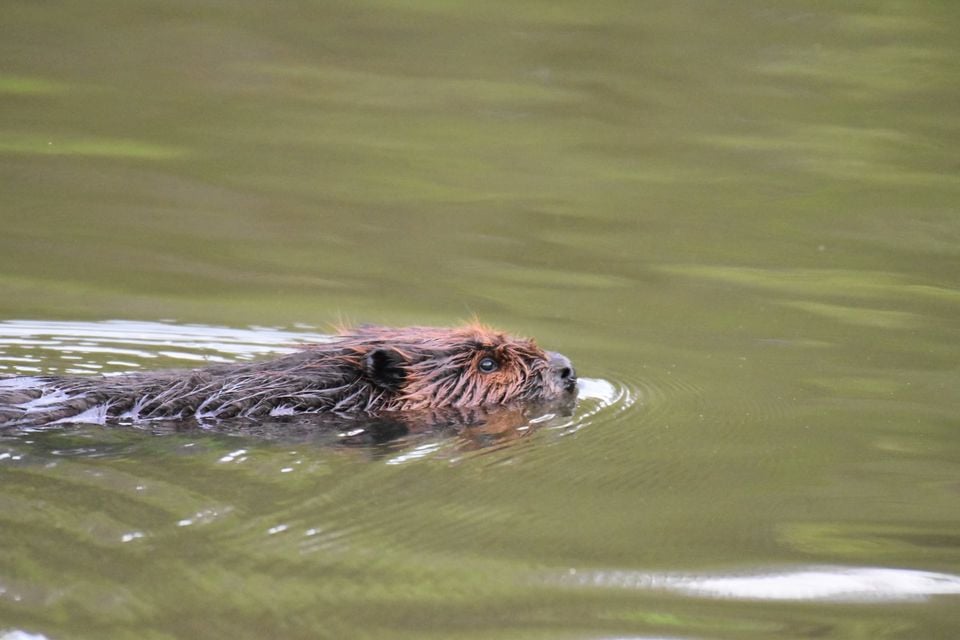
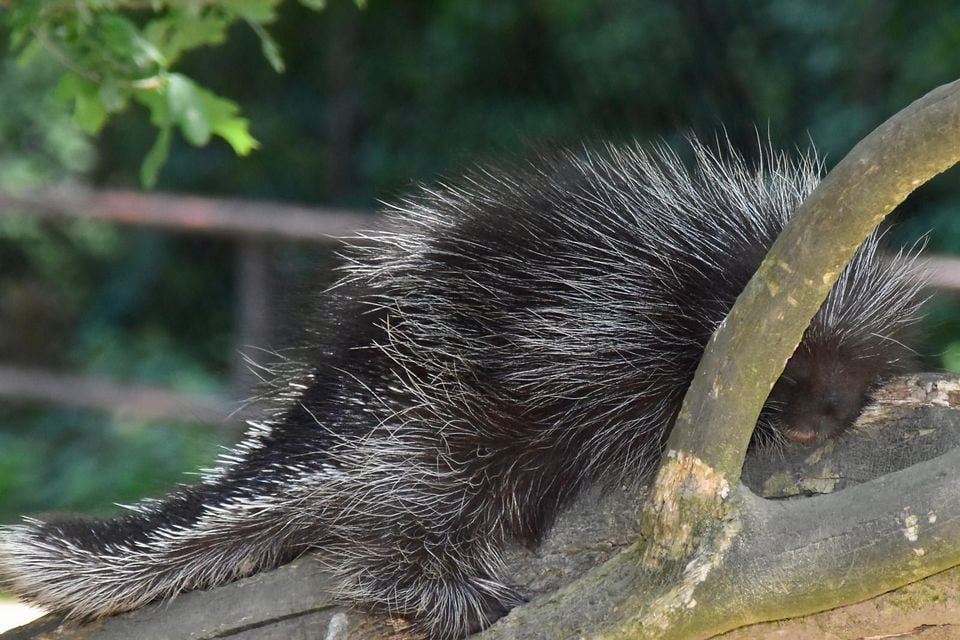
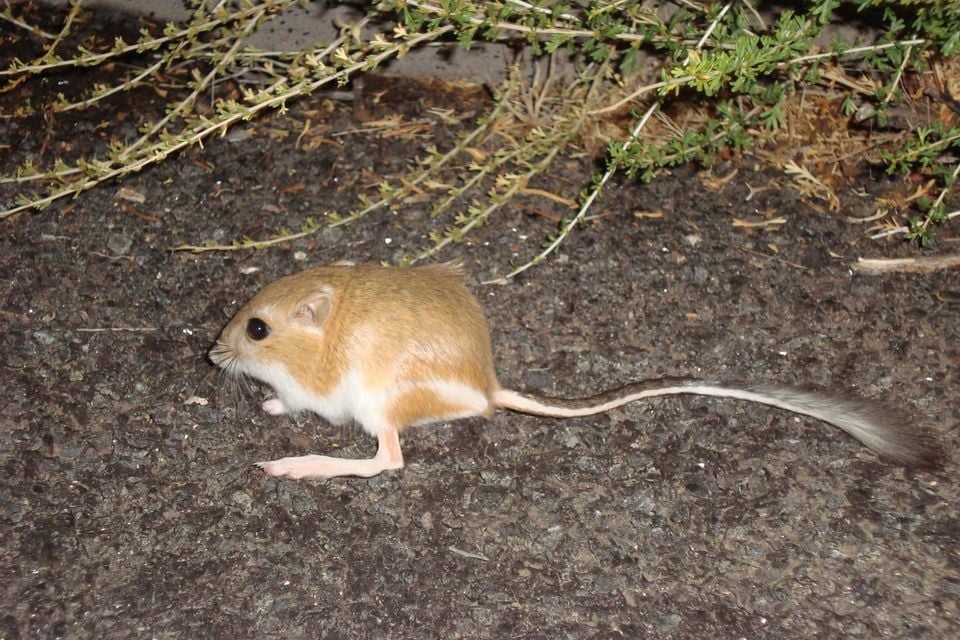
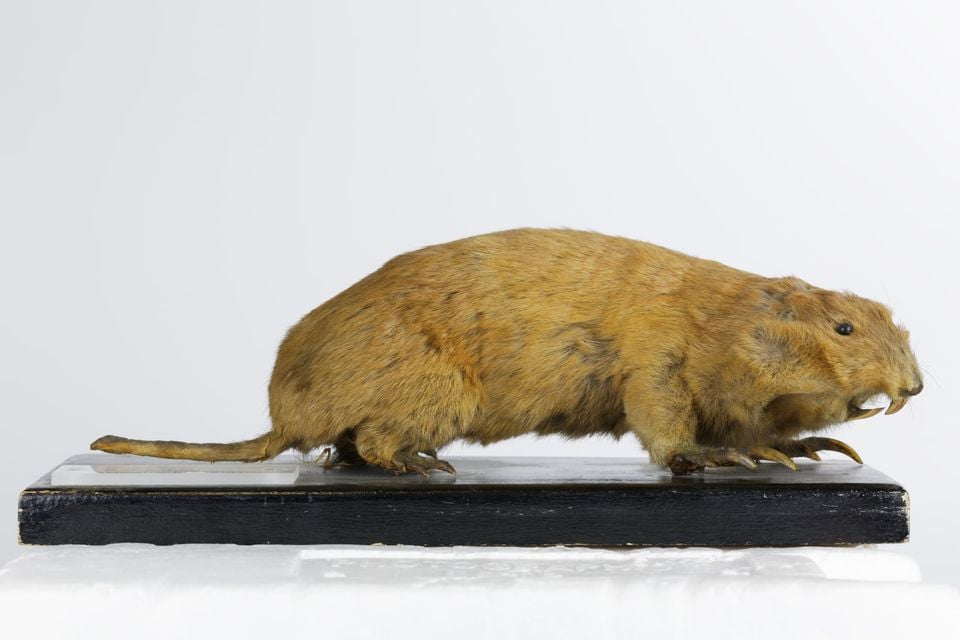
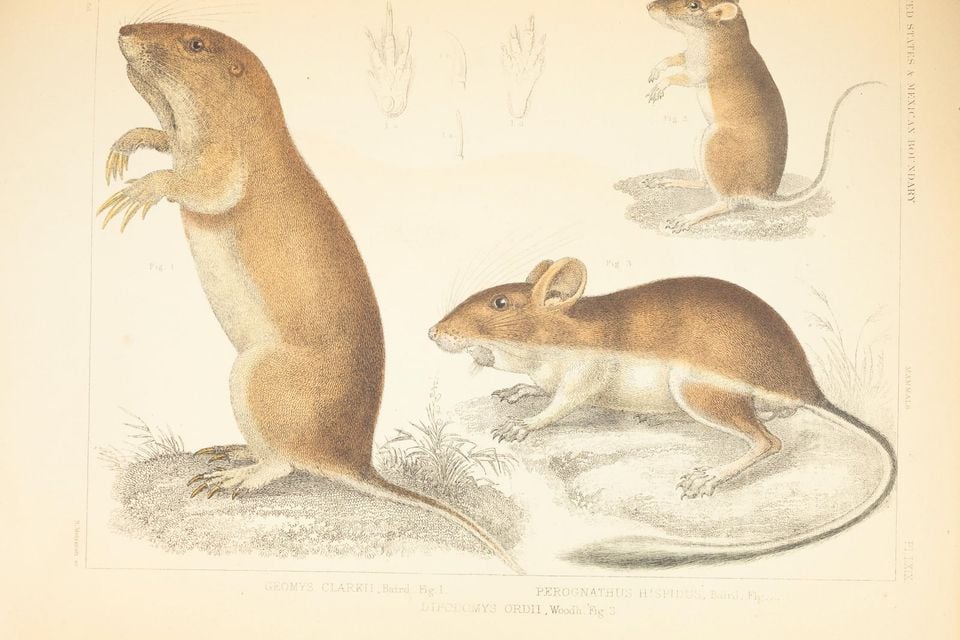
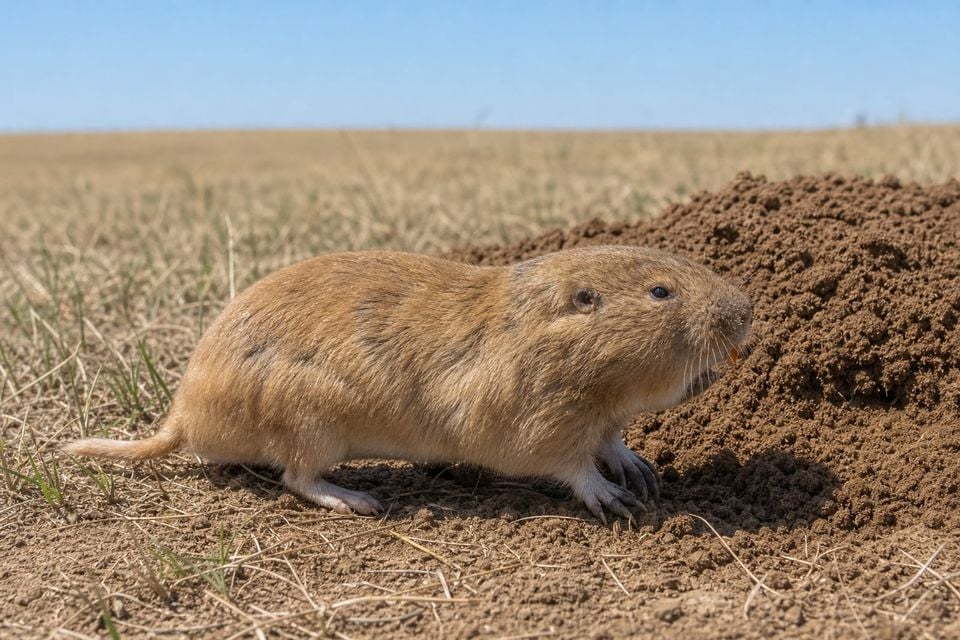
Pocket gophers, pocket mice, and kangaroo rats of Kansas (7)
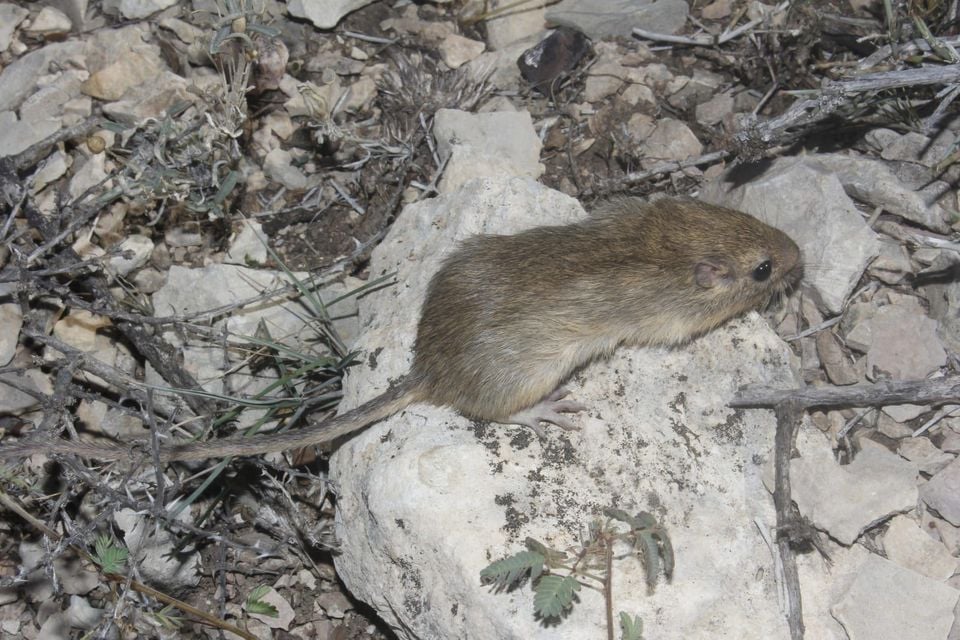
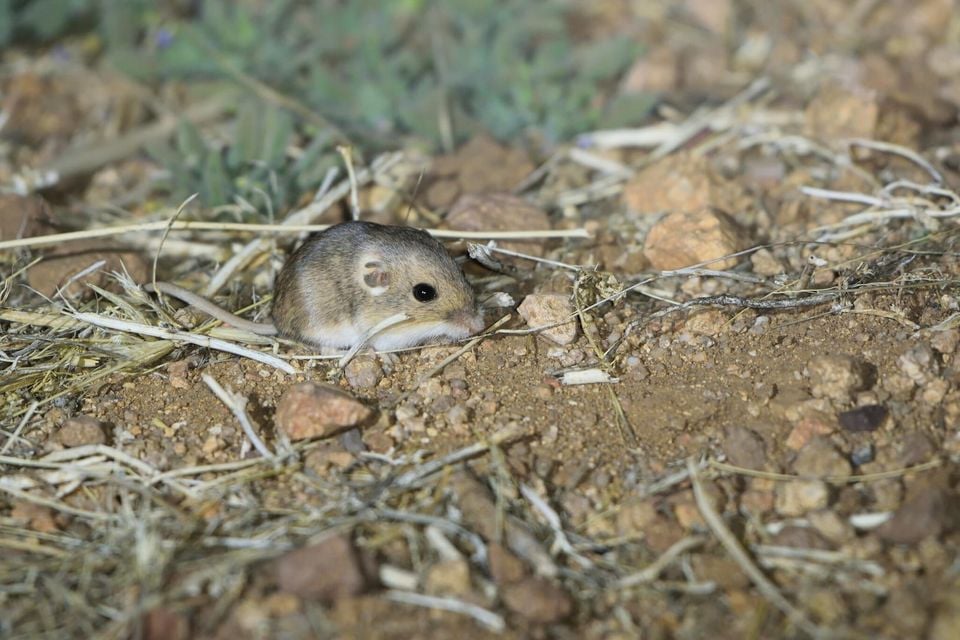
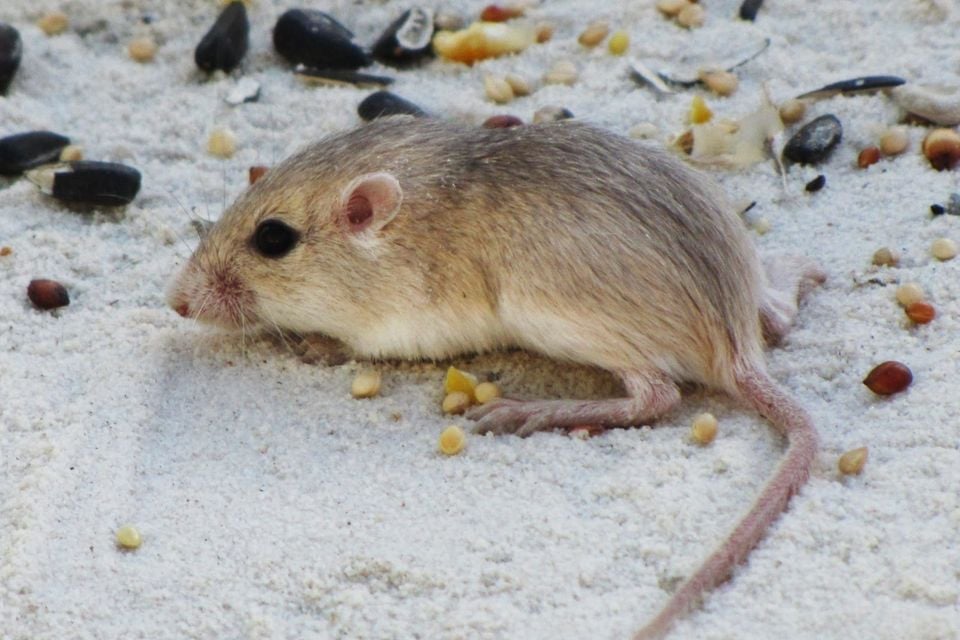
Mice, rats, voles, and relatives of Kansas (20)
-
North American Deermouse
Peromyscus maniculatus -
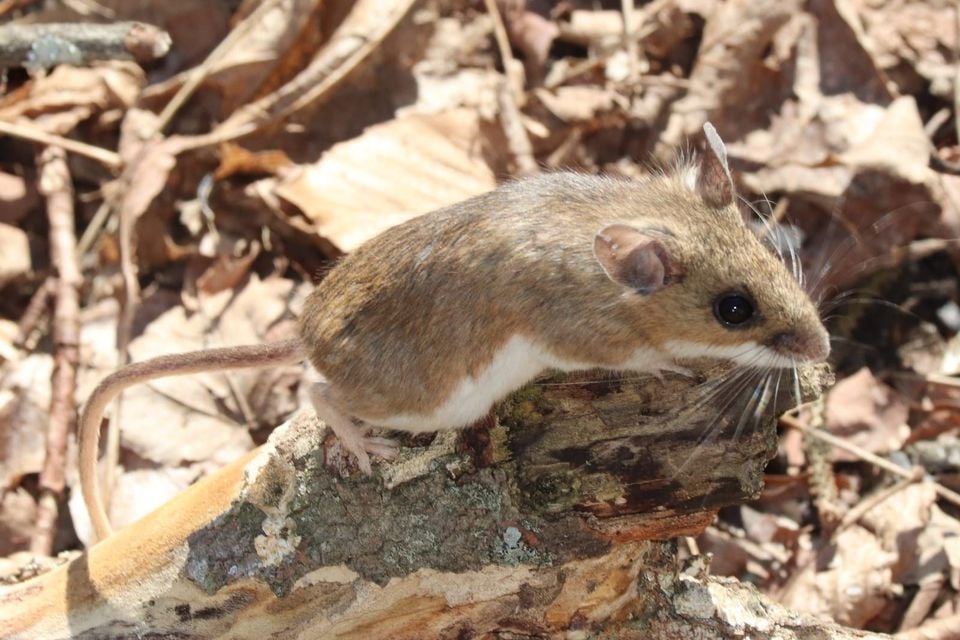
White-footed Mouse
Peromyscus leucopus -
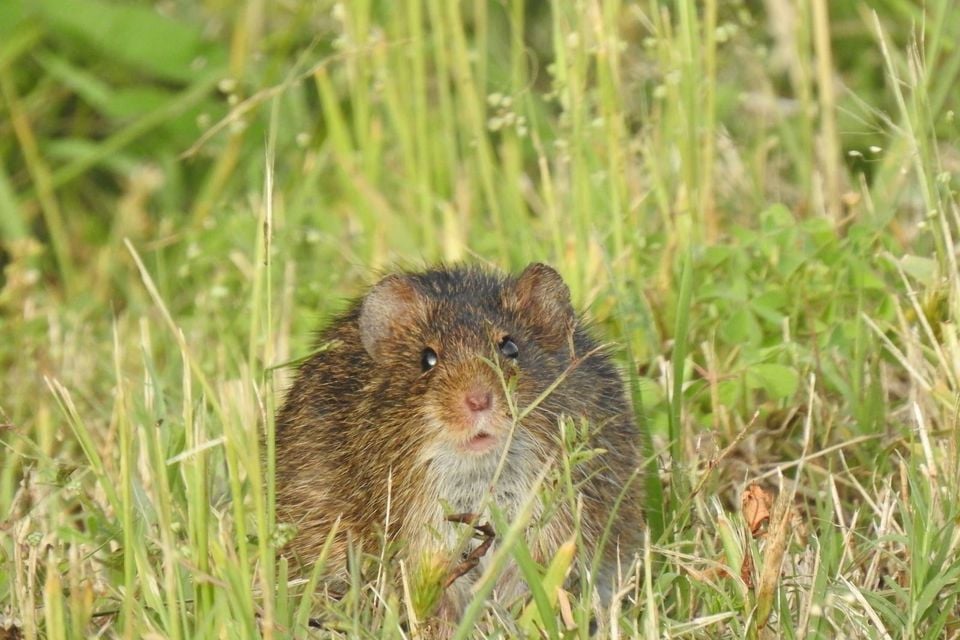
Hispid cotton rat
Sigmodon hispidus -
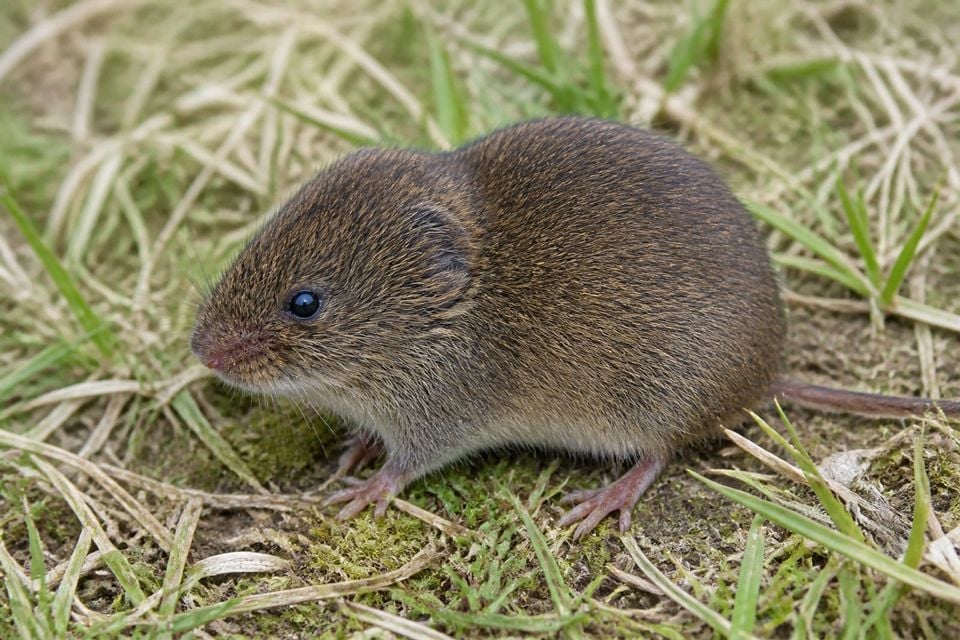
Prairie Vole
Microtus ochrogaster -
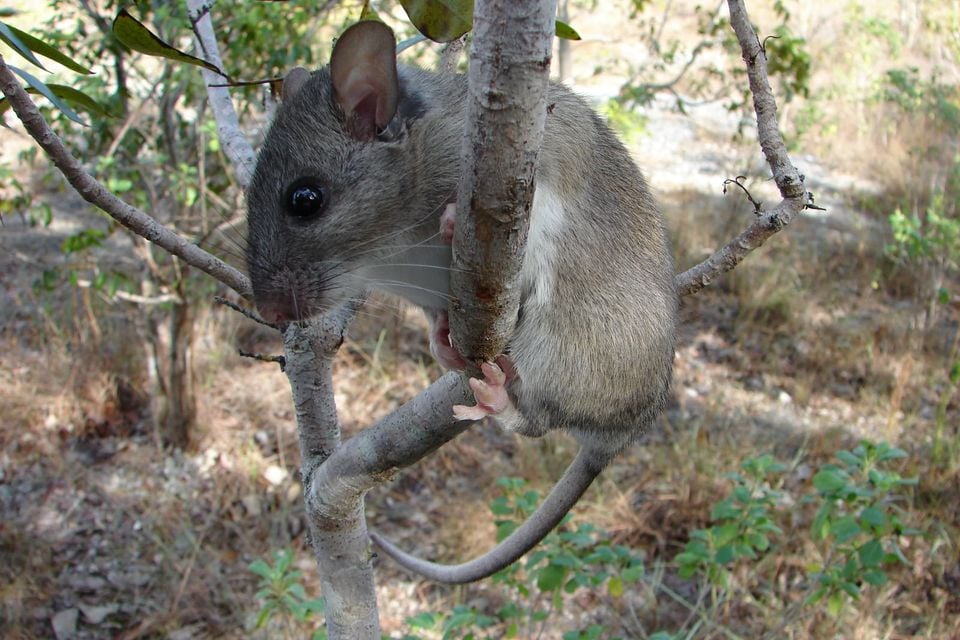
Eastern Woodrat
Neotoma floridana -
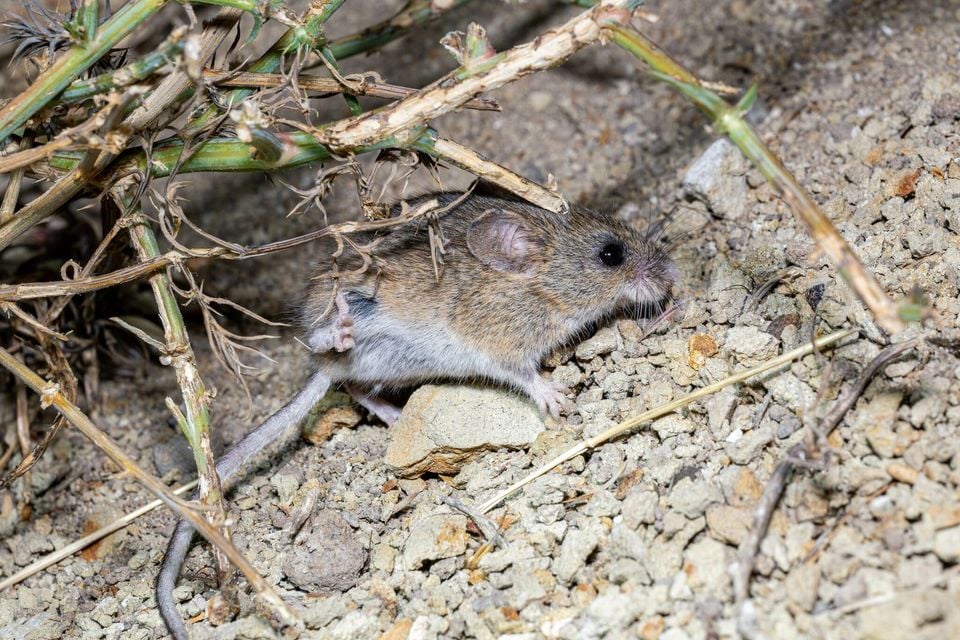
Western Harvest Mouse
Reithrodontomys megalotis -
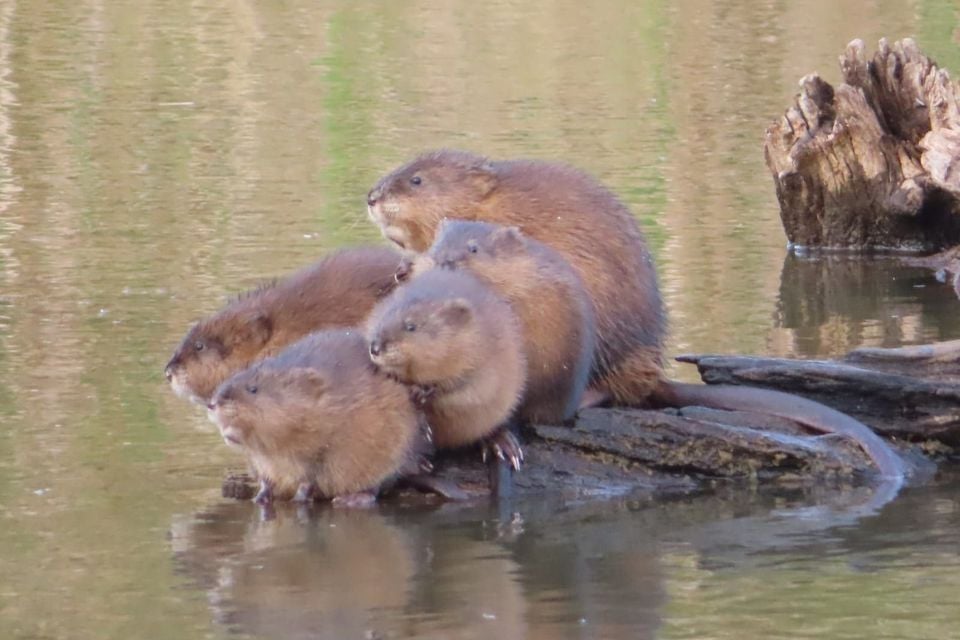
Muskrat
Ondatra zibethicus -
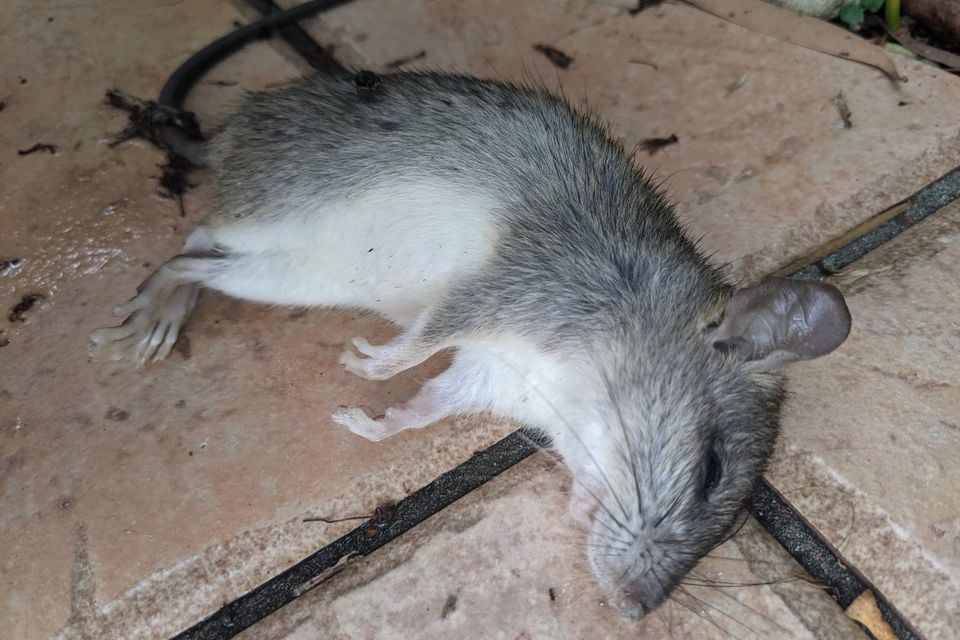
House Mouse
Mus musculus -
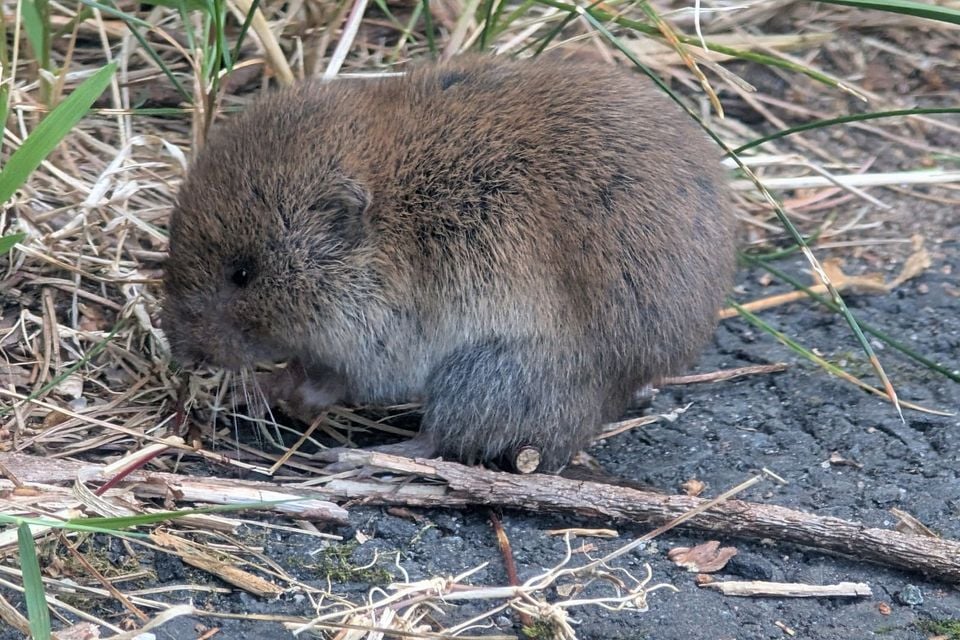
Woodland Vole
Microtus pinetorum -
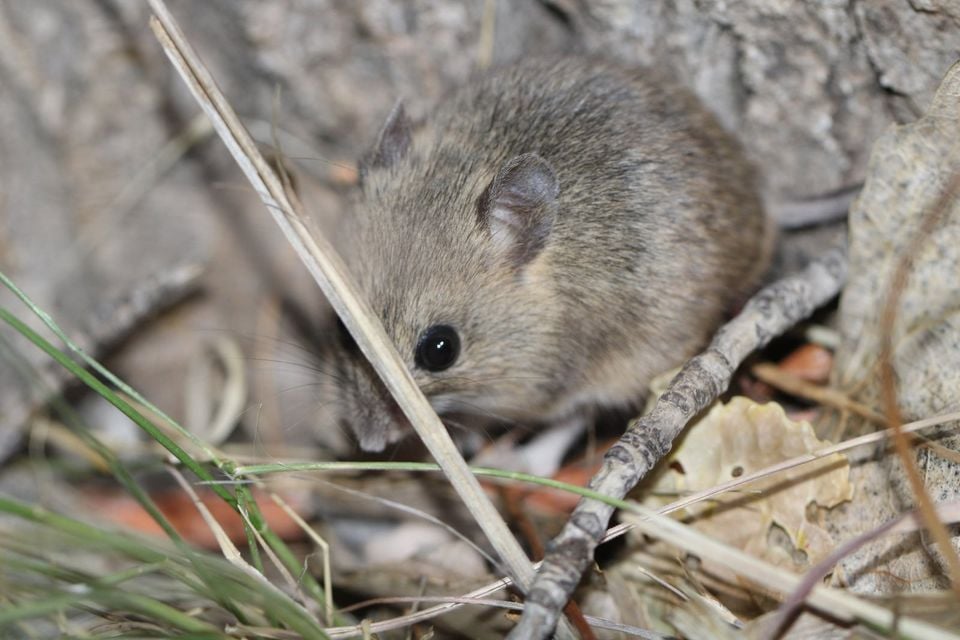
Plains Harvest Mouse
Reithrodontomys montanus -
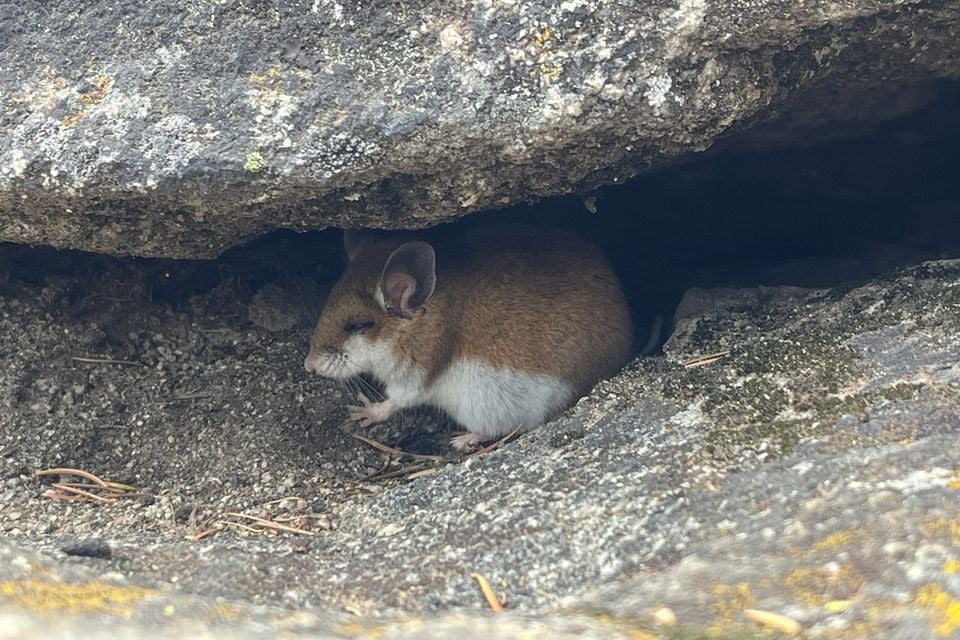
Western Deer Mouse
Peromyscus sonoriensis -
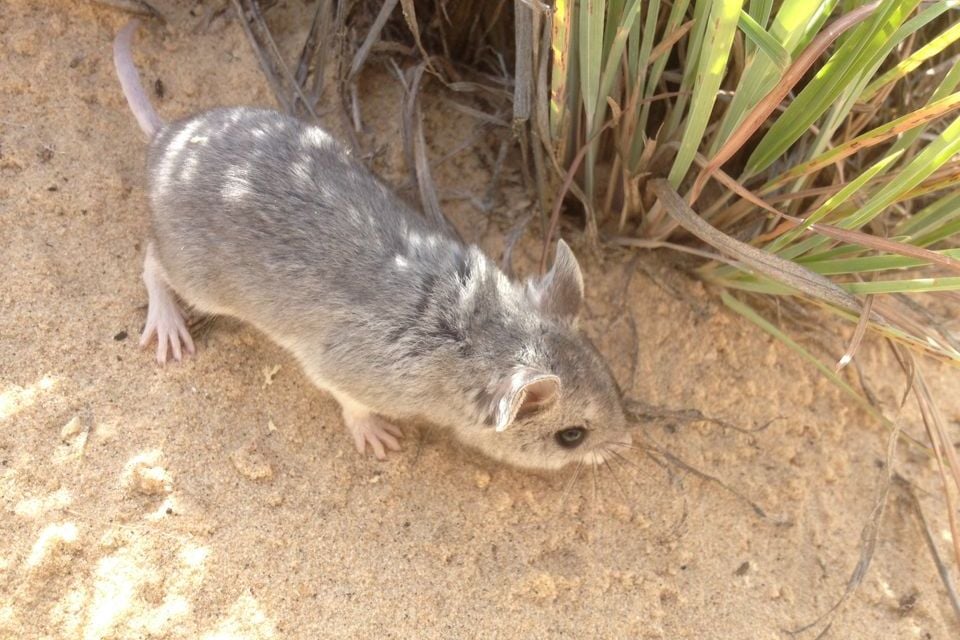
Northern Grasshopper Mouse
Onychomys leucogaster -
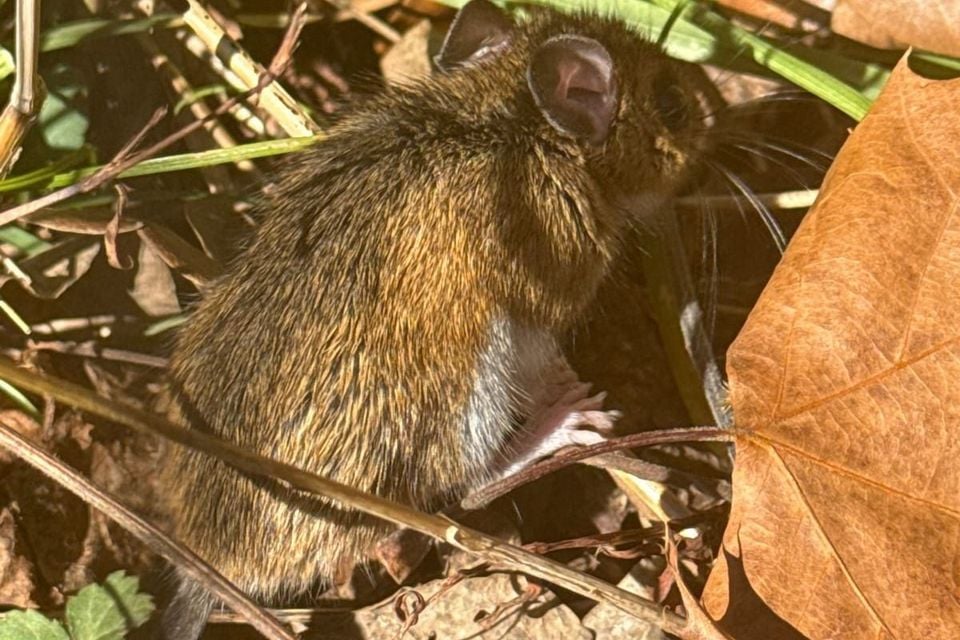
Southern Meadow Jumping Mouse
Zapus luteus -
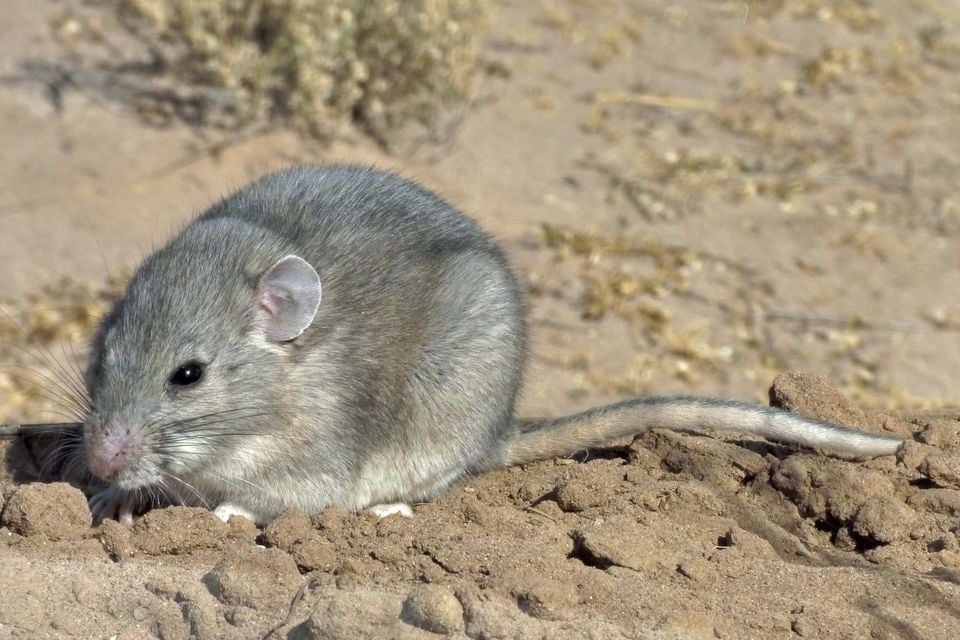
Southern Plains Woodrat
Neotoma micropus -
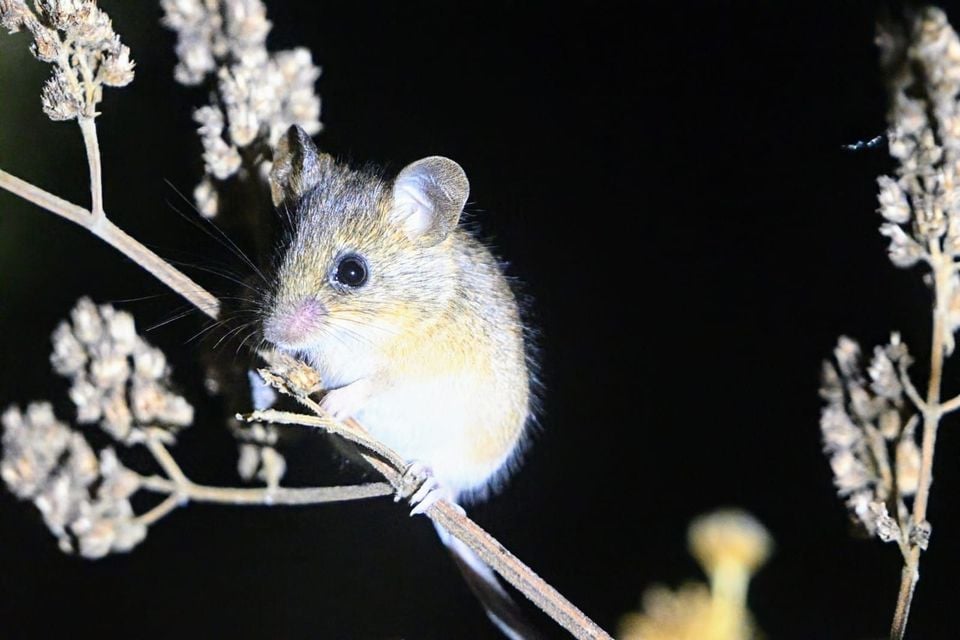
Fulvous harvest mouse
Reithrodontomys fulvescens -
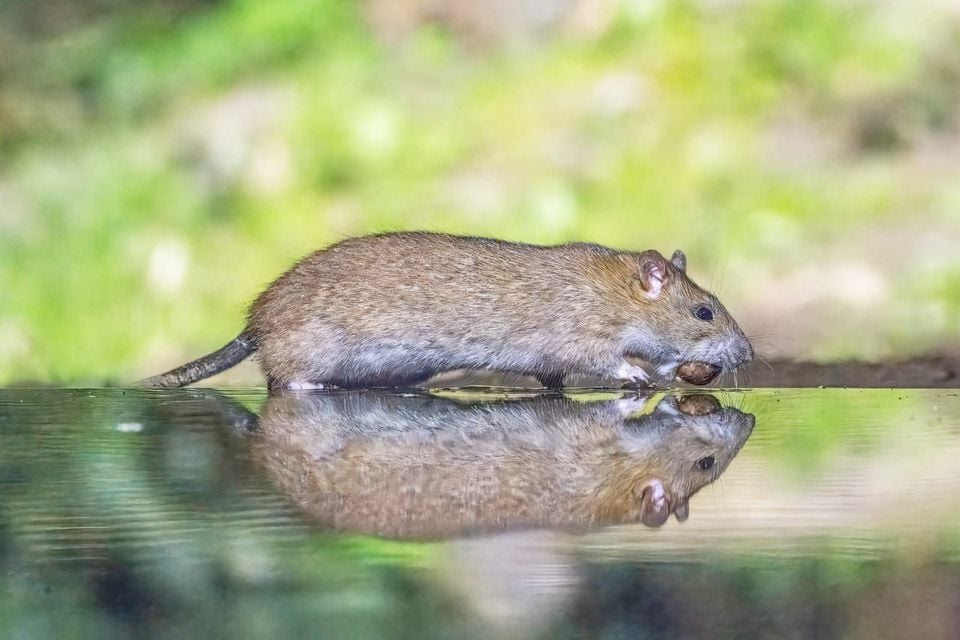
Norway Rat
Rattus norvegicus -
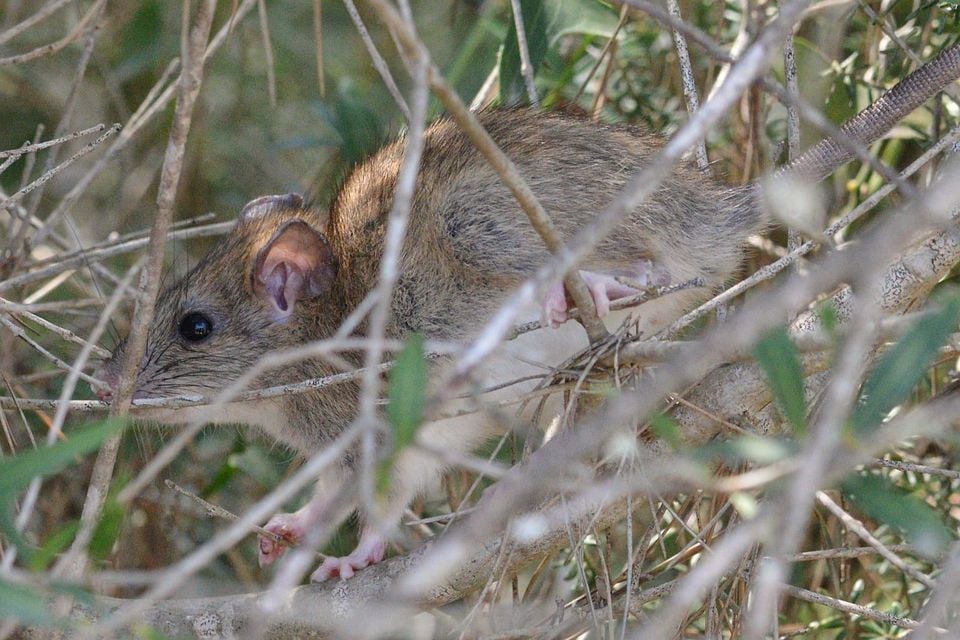
Black Rat
Rattus rattus -
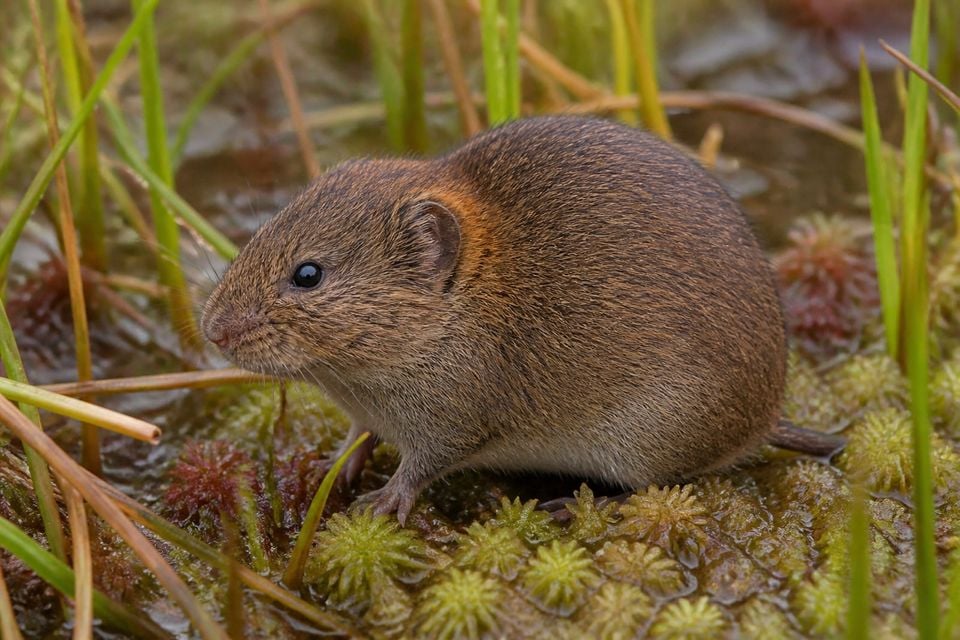
Southern Bog Lemming
Synaptomys cooperi -
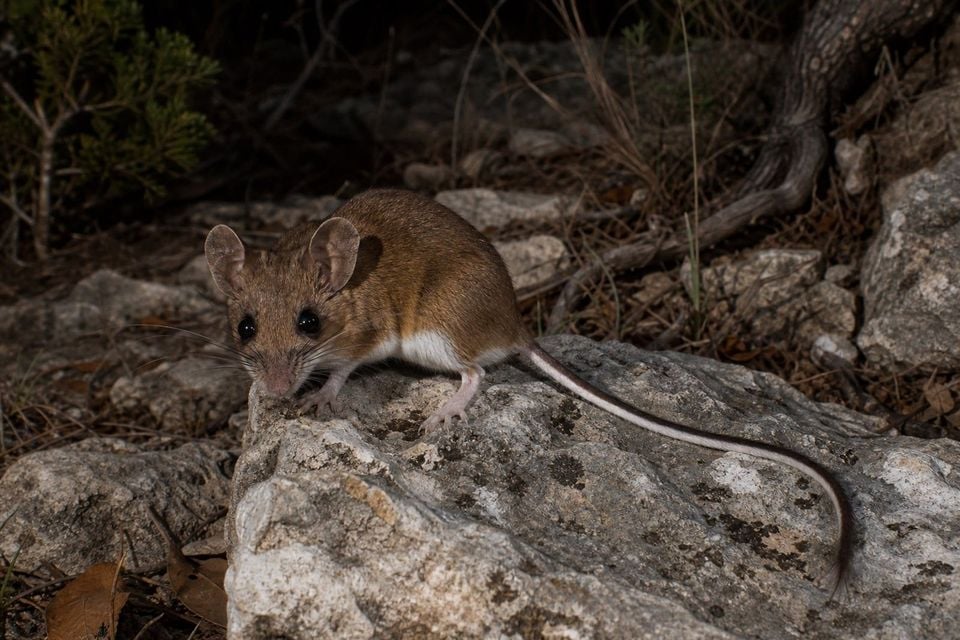
Texas Deermouse
Peromyscus attwateri -
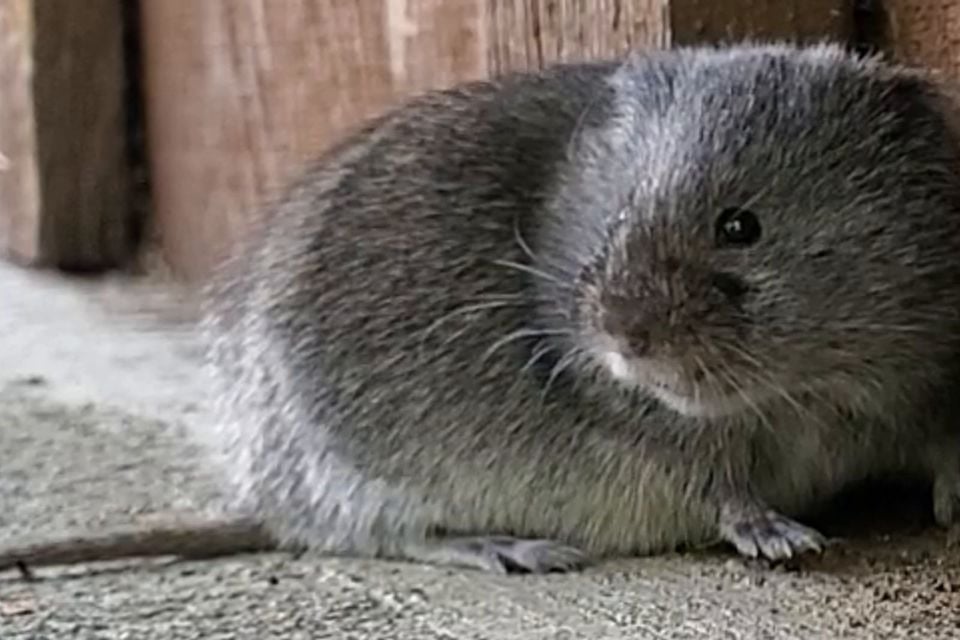
Western Meadow Vole
Microtus drummondii
Bats of Kansas (16)
-
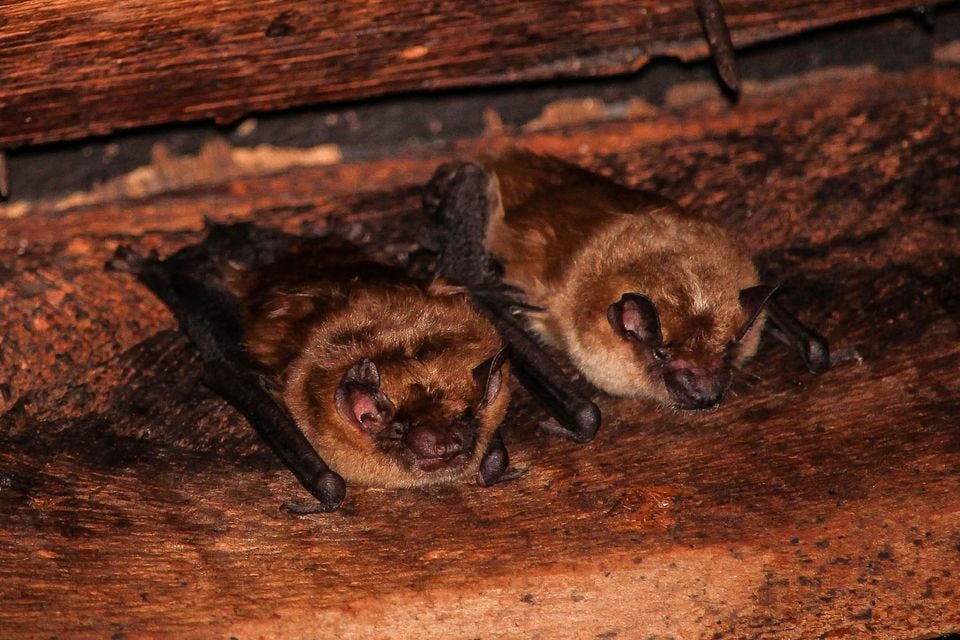
Big Brown Bat
Eptesicus fuscus -
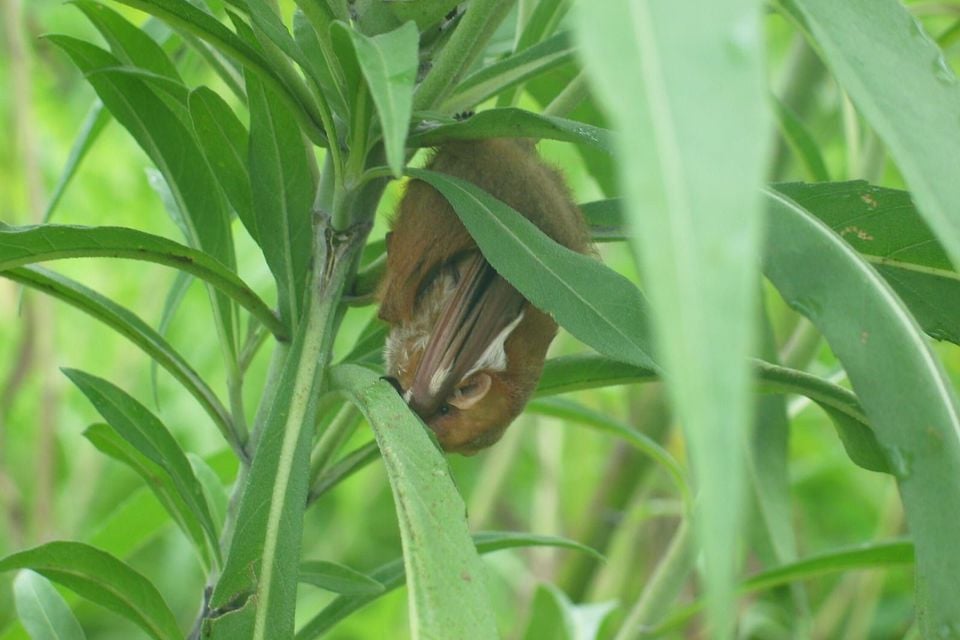
Eastern Red Bat
Lasiurus borealis -
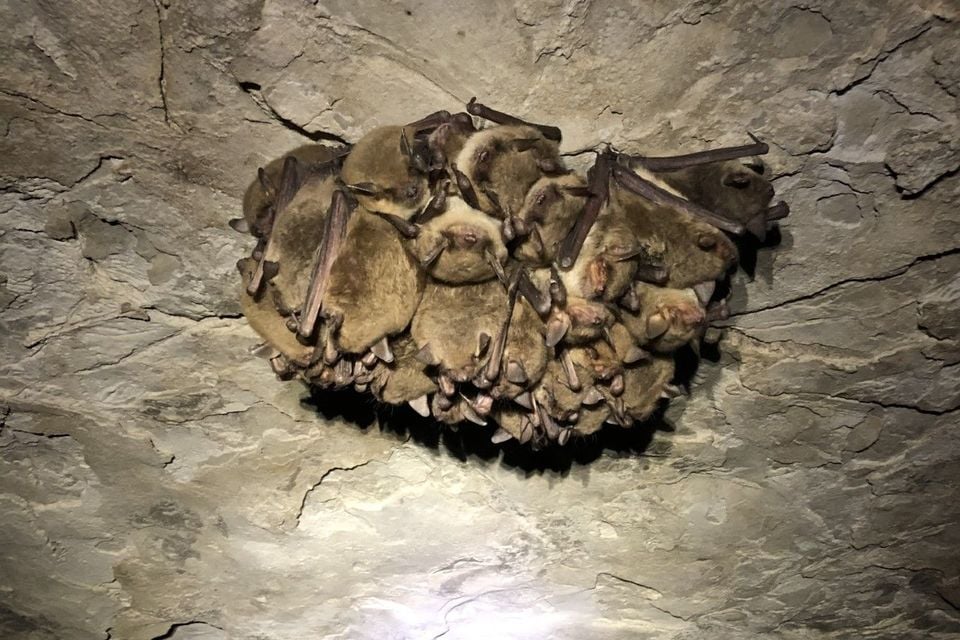
Cave Myotis
Myotis velifer -
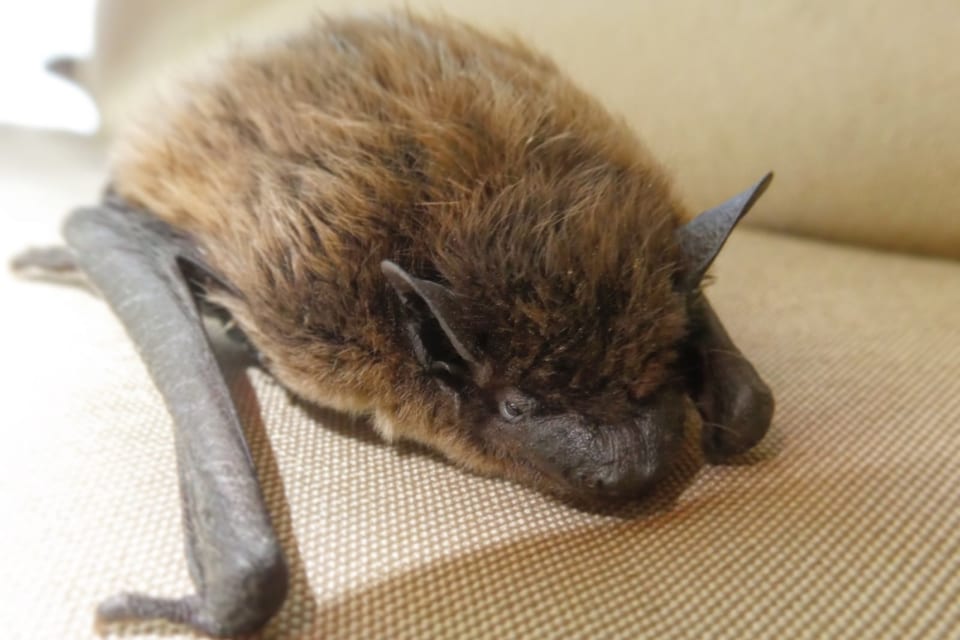
Evening Bat
Nycticeius humeralis -
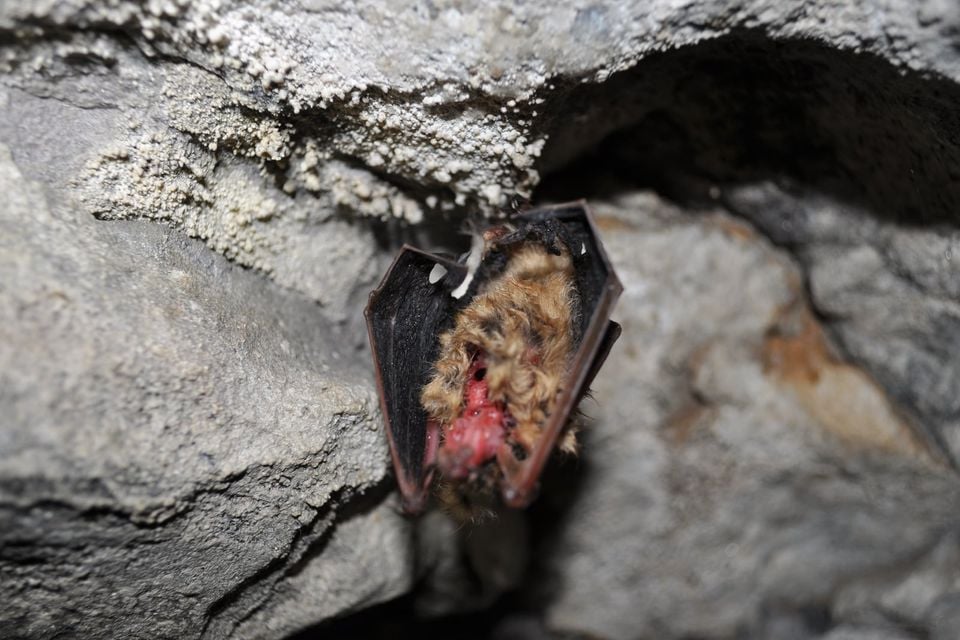
Tricolored Bat
Perimyotis subflavus -
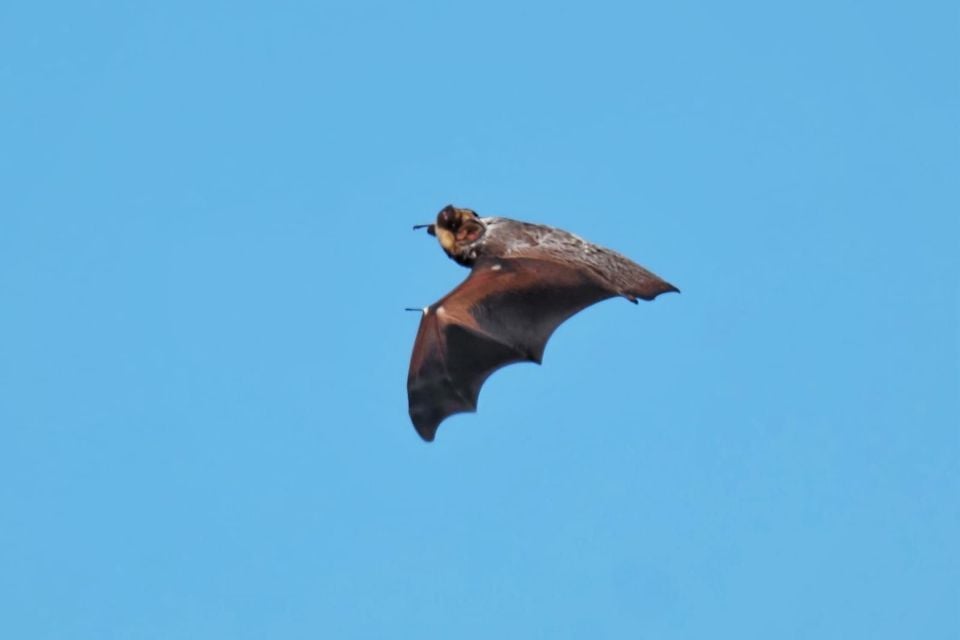
Northern Hoary Bat
Lasiurus cinereus -
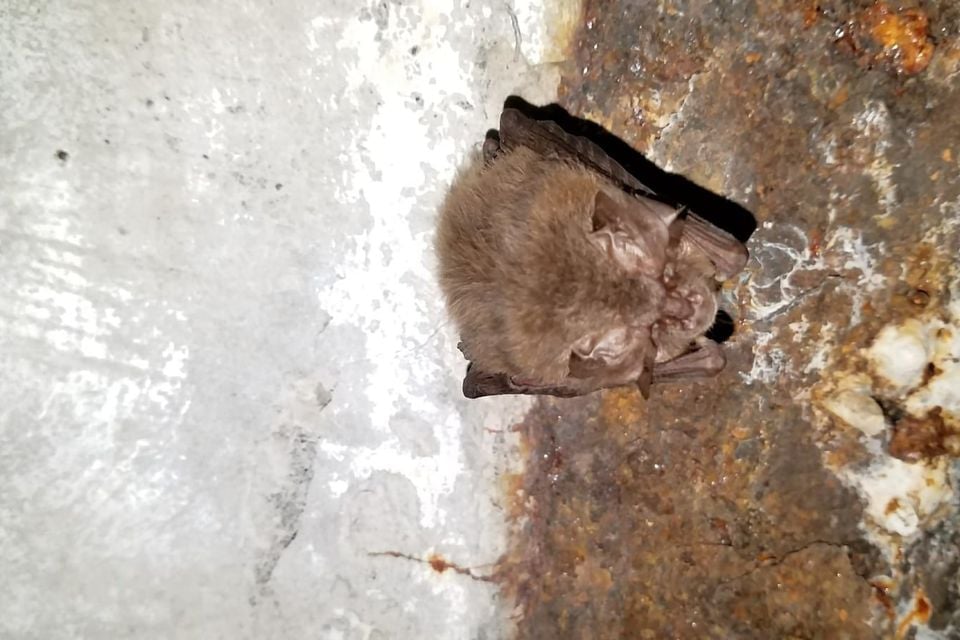
Townsend's Big-eared Bat
Corynorhinus townsendii -
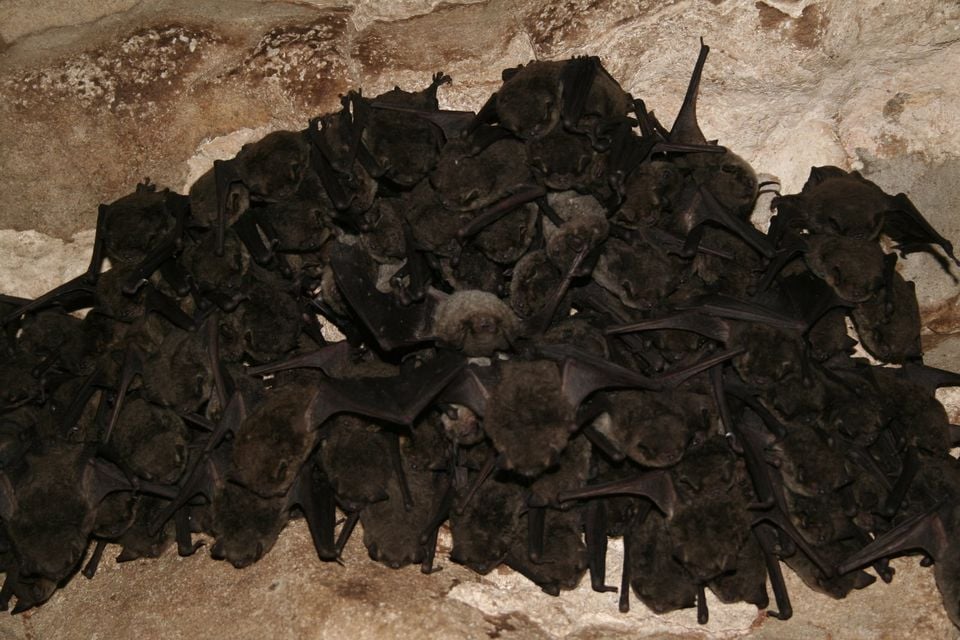
Gray Bat
Myotis grisescens -
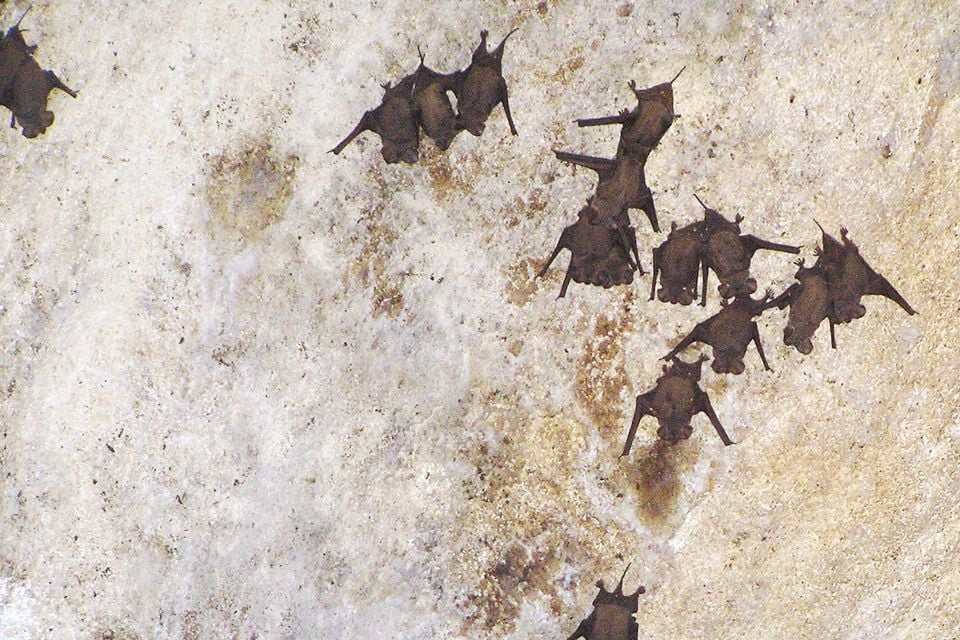
Mexican Free-tailed Bat
Tadarida brasiliensis -
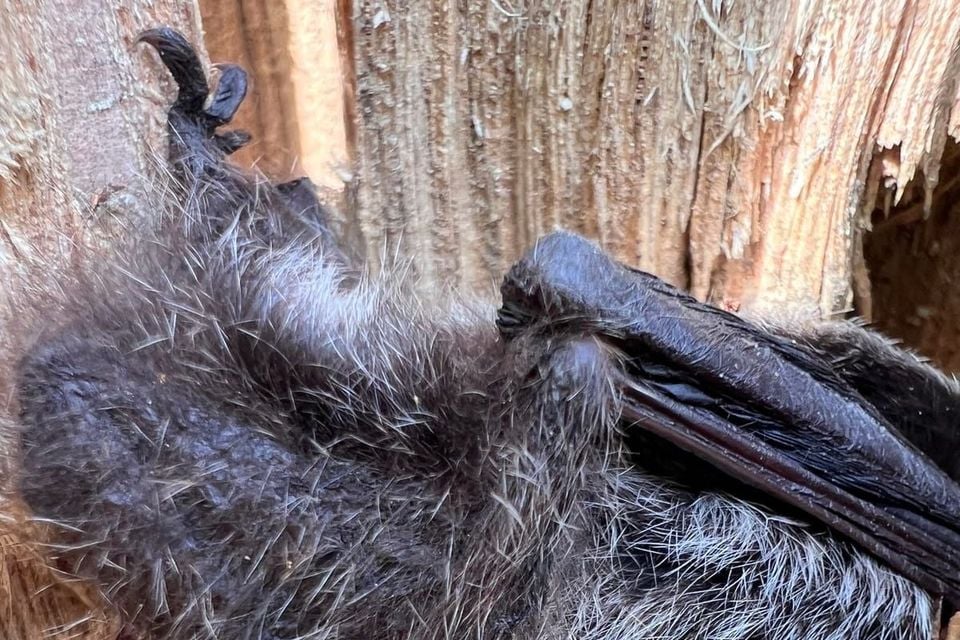
Silver-haired Bat
Lasionycteris noctivagans -
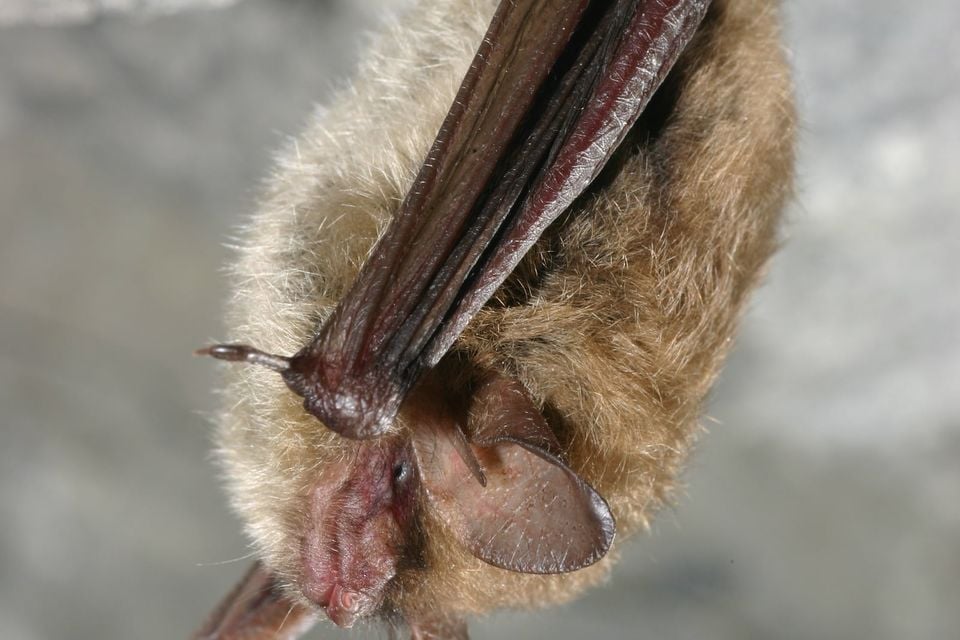
Northern Myotis
Myotis septentrionalis -
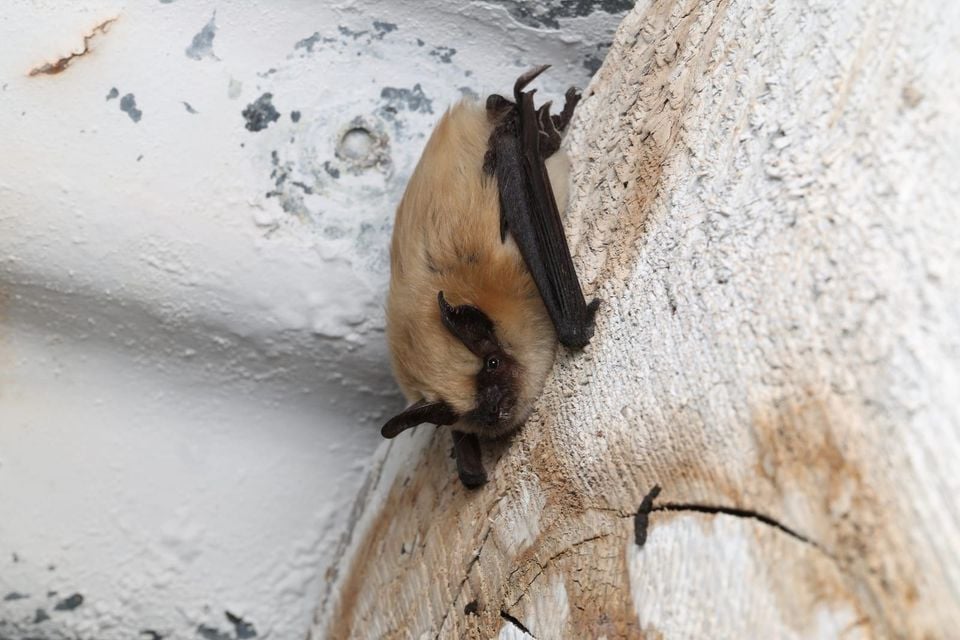
Western Small-footed Myotis
Myotis ciliolabrum -
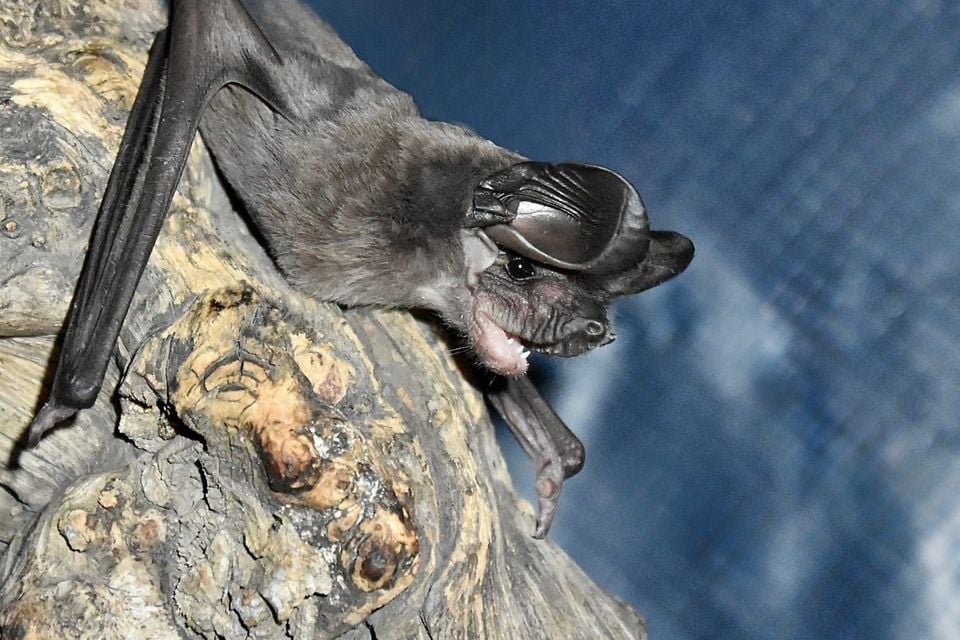
Big Free-tailed Bat
Nyctinomops macrotis -
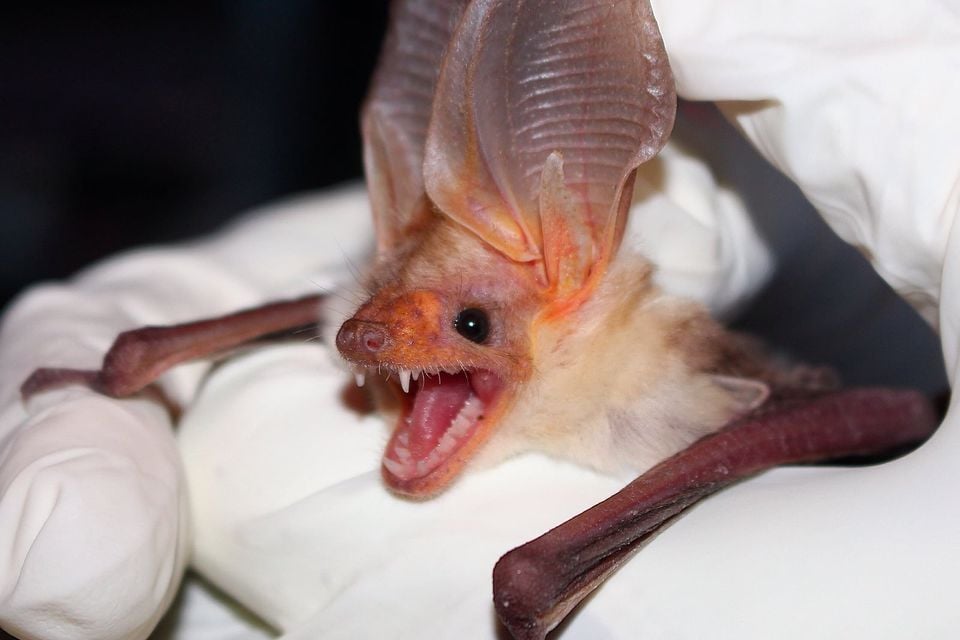
Pallid Bat
Antrozous pallidus -
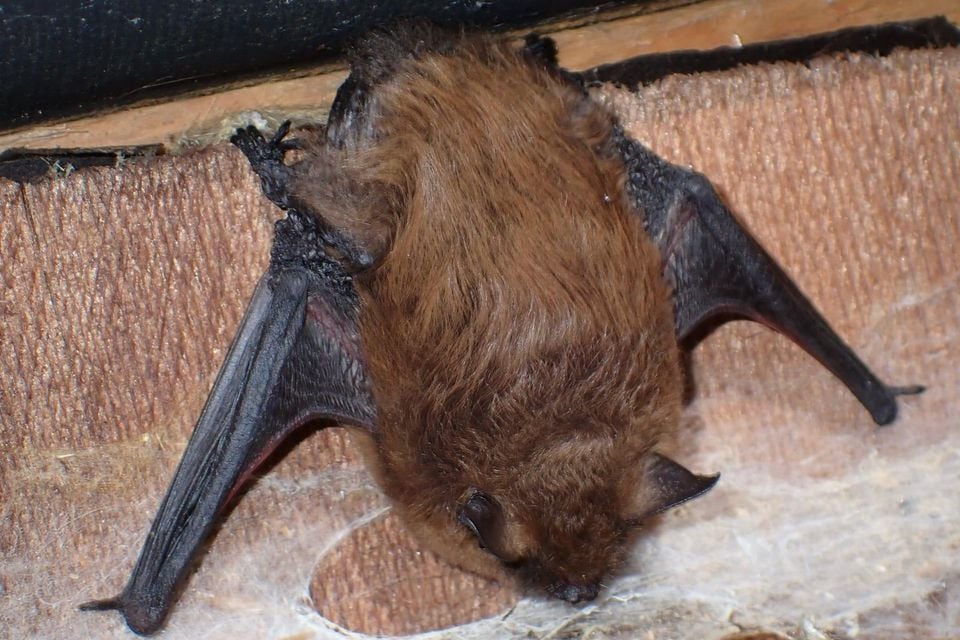
Western Little Brown Myotis
Myotis lucifugus -
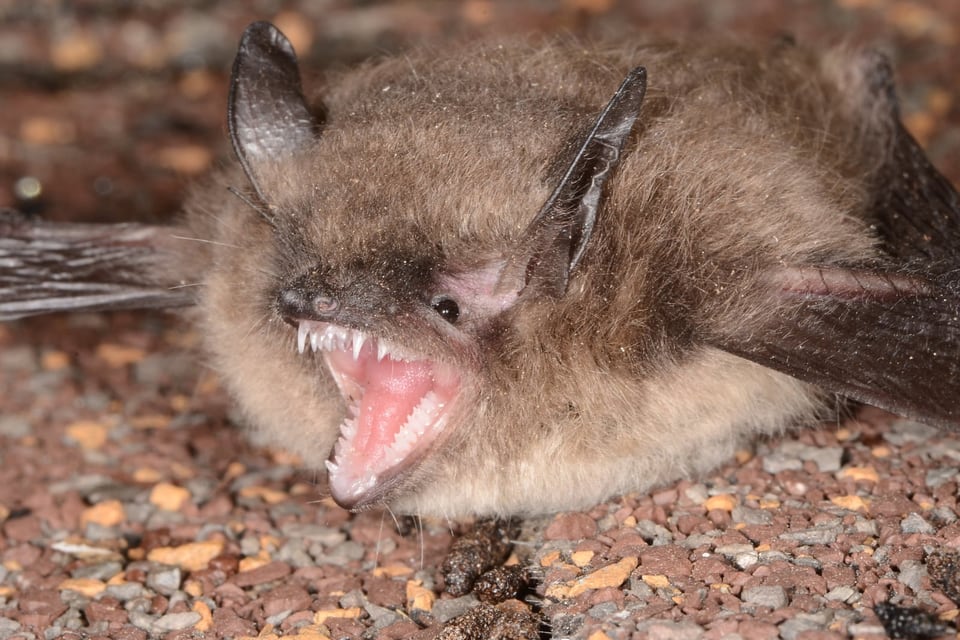
Yuma Myotis
Myotis yumanensis
Shrews and moles of Kansas (5)
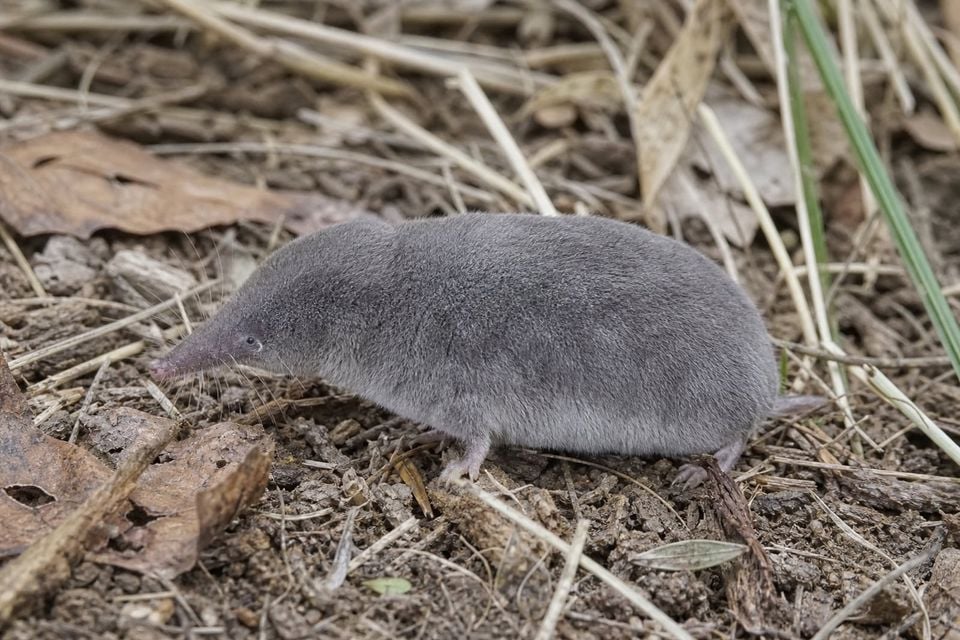
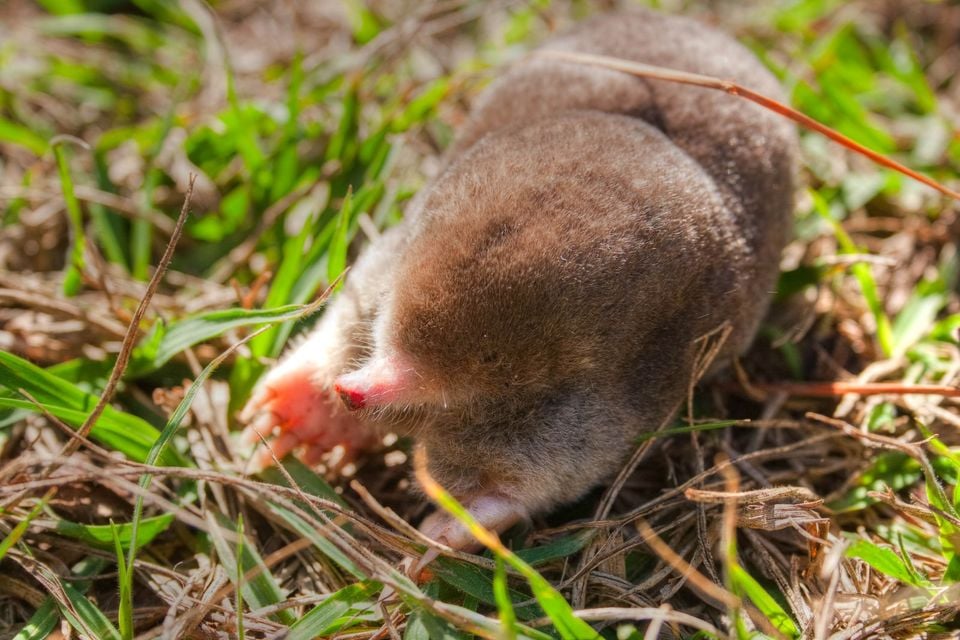
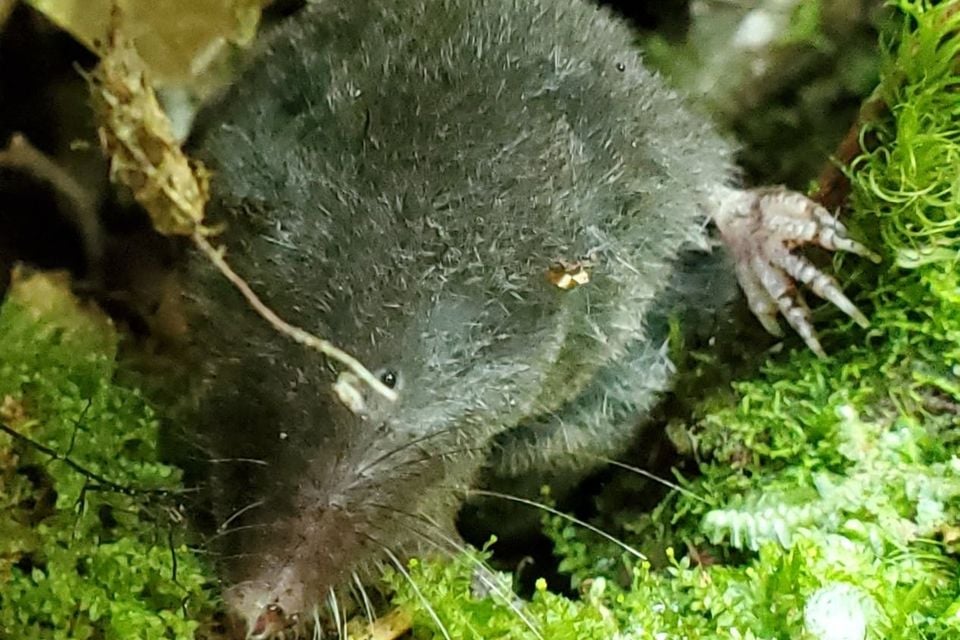
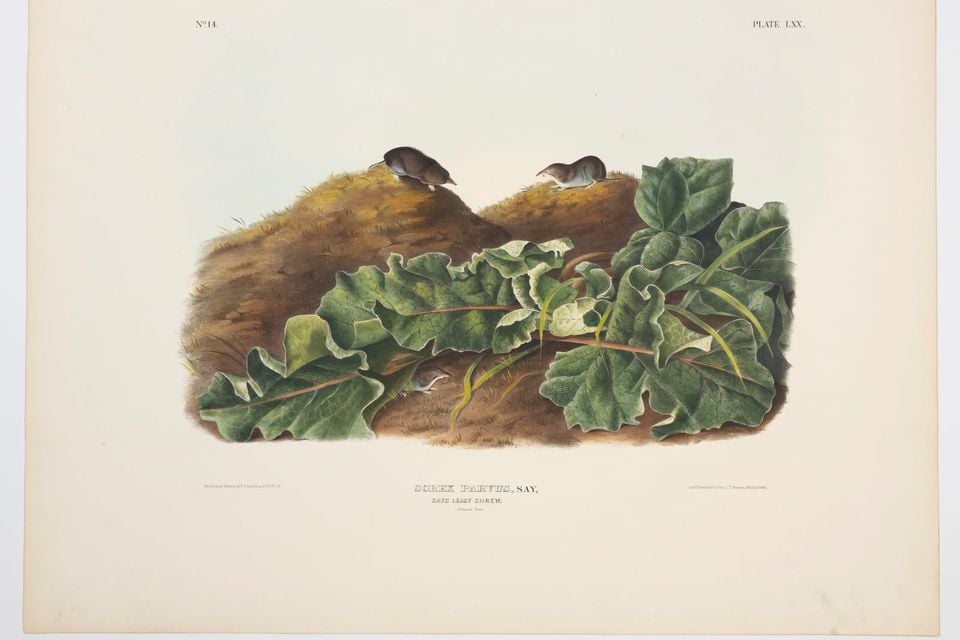
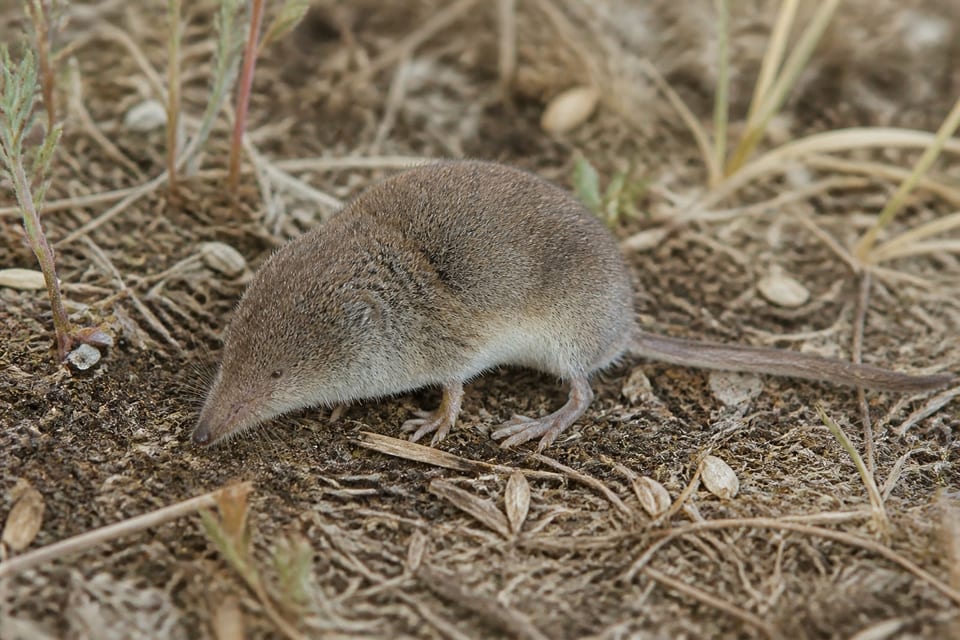
Opossums and armadillos of Kansas (2)
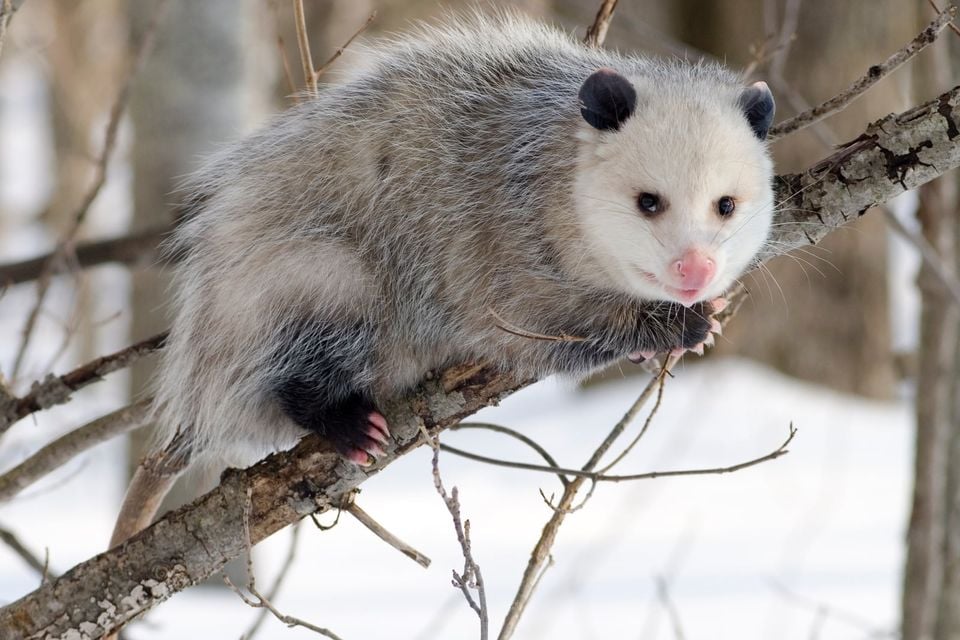
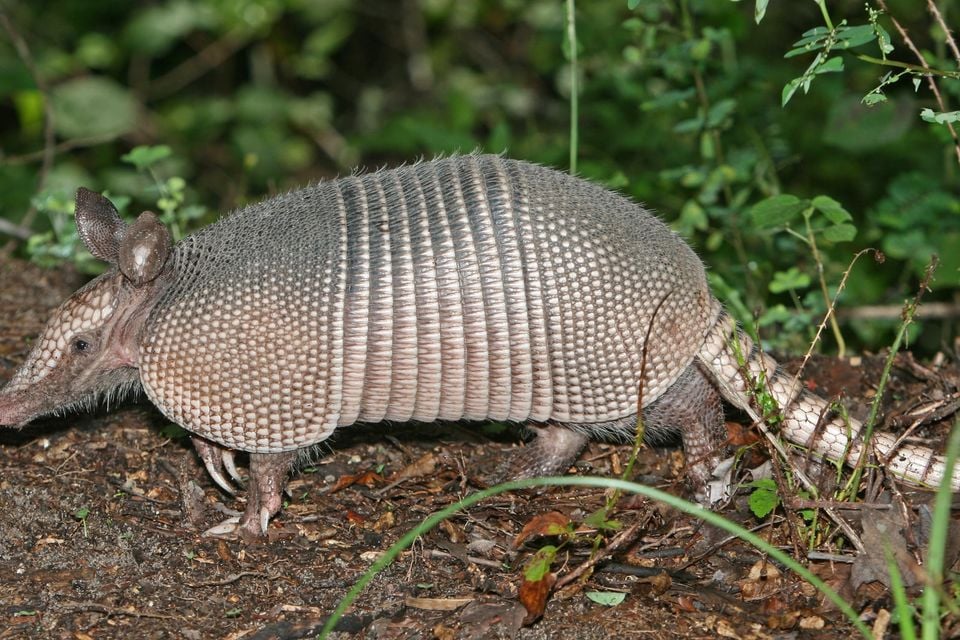
Kansas mammal questions
How many mammals live in Kansas?
Kansas has 80 wild mammal species with an established range in the state, including 37 rodents, 15 bats, and 14 land carnivores. People brought two of them, the house mouse and the Norway rat. Another four are known only from occasional records.
What is the most common wild mammal in Kansas?
Record counts follow where people look as well as where animals live, so they are not a population count. The North American deermouse is the most often recorded wild mammal in Kansas, with 5,555 records, followed by the white-footed mouse (4,999) and the hispid cotton rat (3,279).
Are there mountain lions in Kansas?
No. Mountain lions once lived in Kansas and are now extirpated there. Kansas has confirmed occasional cougars since 2007, most likely young animals dispersing from populations to the west and north.
Are there wolves in Kansas?
No. Gray wolves once lived in Kansas and are now extirpated there. The state has 23 wolf records, but no established population.
Are there bears in Kansas?
No. American black bears and brown bears once lived in Kansas and are now extirpated there. The state has one bear record, but no established population.
Which mammals have disappeared from Kansas?
NatureServe ranks eight mammal species as extirpated or possibly extirpated in Kansas: the American bison, the American black bear, the brown bear, the gray wolf, the mountain lion, the ringtail, the swamp rabbit, and the white-tailed jackrabbit.
All 88 Kansas mammals in one table
Most-recorded first. Records are occurrence reports, so they follow where people look as well as where animals live.
Show the table
| Species | Type | Status in Kansas | Records |
|---|---|---|---|
| North American Deermouse | Mouse | Native, established | 5,555 |
| White-footed Mouse | Mouse | Native, established | 4,999 |
| Hispid cotton rat | Rat | Native, established | 3,279 |
| Prairie Vole | Vole | Native, established | 1,762 |
| White-tailed Deer | Deer family | Native, established | 1,609 |
| Eastern Cottontail | Rabbit | Native, established | 1,328 |
| Fox Squirrel | Squirrel | Native, established | 1,309 |
| Eastern Woodrat | Rat | Native, established | 1,087 |
| Eastern Gray Squirrel | Squirrel | Native, established | 944 |
| Common Raccoon | Raccoon family | Native, established | 674 |
| Virginia Opossum | Opossum | Native, established | 533 |
| Western Harvest Mouse | Mouse | Native, established | 503 |
| Hispid Pocket Mouse | Pocket mouse | Native, established | 372 |
| Nine-banded Armadillo | Armadillo | Native, established | 358 |
| Coyote | Dog family | Native, established | 283 |
| Red Fox | Dog family | Native, established | 282 |
| American Beaver | Beaver | Native, established | 279 |
| Ord's Kangaroo Rat | Kangaroo rat | Native, established | 256 |
| Elliot's Short-tailed Shrew | Shrew | Native, established | 255 |
| Black-tailed Prairie Dog | Prairie dog | Native, established | 227 |
| Muskrat | Muskrat | Native, established | 222 |
| American Bison | Hoofed mammal | Extirpated (former range) | 209 |
| Striped Skunk | Skunk | Native, established | 208 |
| Groundhog | Groundhog | Native, established | 192 |
| House Mouse | Mouse | Introduced, established | 178 |
| Plains Pocket Gopher | Pocket gopher | Native, established | 170 |
| Big Brown Bat | Bat | Native, established | 132 |
| Woodland Vole | Vole | Native, established | 123 |
| Bobcat | Cat family | Native, established | 116 |
| Eastern Mole | Mole | Native, established | 105 |
| Thirteen-lined ground squirrel | Squirrel | Native, established | 98 |
| Eastern Chipmunk | Chipmunk | Native, established | 93 |
| Pronghorn | Pronghorn | Native, established | 88 |
| American Badger | Weasel family | Native, established | 87 |
| Mule Deer | Deer family | Native, established | 85 |
| Black-tailed Jackrabbit | Hare | Native, established | 83 |
| Plains Harvest Mouse | Mouse | Native, established | 74 |
| Eastern Red Bat | Bat | Native, established | 72 |
| Northern Short-tailed Shrew | Shrew | Native, established | 72 |
| Western Deer Mouse | Mouse | Native, established | 70 |
| North American Porcupine | Porcupine | Native, established | 69 |
| North American Least Shrew | Shrew | Native, established | 68 |
| Northern Grasshopper Mouse | Mouse | Native, established | 60 |
| Cave Myotis | Bat | Native, established | 55 |
| American Mink | Weasel family | Native, established | 54 |
| Southern Meadow Jumping Mouse | Mouse | Native, established | 54 |
| Evening Bat | Bat | Native, established | 51 |
| Swift Fox | Dog family | Native, established | 35 |
| North American River Otter | Weasel family | Native, established | 32 |
| Southern Plains Woodrat | Rat | Native, established | 29 |
| Yellow-faced Pocket Gopher | Pocket gopher | Native, established | 24 |
| Elk | Deer family | Native, established | 23 |
| Gray Wolf | Dog family | Extirpated (former range) | 23 |
| Hall's Pocket Gopher | Pocket gopher | Native, established | 18 |
| Spotted Ground Squirrel | Squirrel | Native, established | 17 |
| Silky Pocket Mouse | Pocket mouse | Native, established | 14 |
| Tricolored Bat | Bat | Native, established | 14 |
| Fulvous harvest mouse | Mouse | Native, established | 12 |
| Least Weasel | Weasel family | Native, established | 11 |
| Northern Hoary Bat | Bat | Native, established | 10 |
| Desert Cottontail | Rabbit | Native, established | 9 |
| Prairie Shrew | Shrew | Native, established | 9 |
| Townsend's Big-eared Bat | Bat | Native, established | 9 |
| Black-footed Ferret | Weasel family | Native, established | 7 |
| Gray Bat | Bat | Native, established | 7 |
| Gray Fox | Dog family | Native, established | 7 |
| Southern Flying Squirrel | Squirrel | Native, established | 6 |
| Mexican Free-tailed Bat | Bat | Native, established | 5 |
| Norway Rat | Rat | Introduced, established | 5 |
| European Rabbit | Rabbit | Occasional records only | 4 |
| Wild Boar | Wild pig | Occasional records only | 4 |
| Plains pocket mouse | Pocket mouse | Native, established | 3 |
| Ringtail | Raccoon family | Extirpated (former range) | 3 |
| Silver-haired Bat | Bat | Native, established | 3 |
| Black Rat | Rat | Occasional records only | 2 |
| Northern Myotis | Bat | Native, established | 2 |
| Southern Bog Lemming | Lemming | Native, established | 2 |
| Texas Deermouse | Mouse | Native, established | 2 |
| Western Small-footed Myotis | Bat | Native, established | 2 |
| Big Free-tailed Bat | Bat | Occasional records only | 1 |
| Pallid Bat | Bat | Native, established | 1 |
| Plains Spotted Skunk | Skunk | Native, established | 1 |
| Swamp Rabbit | Rabbit | Extirpated (former range) | 1 |
| Western Little Brown Myotis | Bat | Native, established | 1 |
| Franklin's Ground Squirrel | Squirrel | Native, established | 0 |
| Long-tailed Weasel | Weasel family | Native, established | 0 |
| Western Meadow Vole | Vole | Native, established | 0 |
| Yuma Myotis | Bat | Native, established | 0 |
Data & sources
The species list, statuses, and record counts draw on these open sources:
- GBIF CC-BY 4.0 occurrence records behind the record counts
- iNaturalist CC0 / CC-BY / CC-BY-SA observations behind the record counts and the species photos
- NatureServe Explorer CC-BY state ranks behind each established, occasional, or extirpated status
- USGS NAS public domain native or introduced status
Photo credits for every species are on its own page.




