Texas mammals

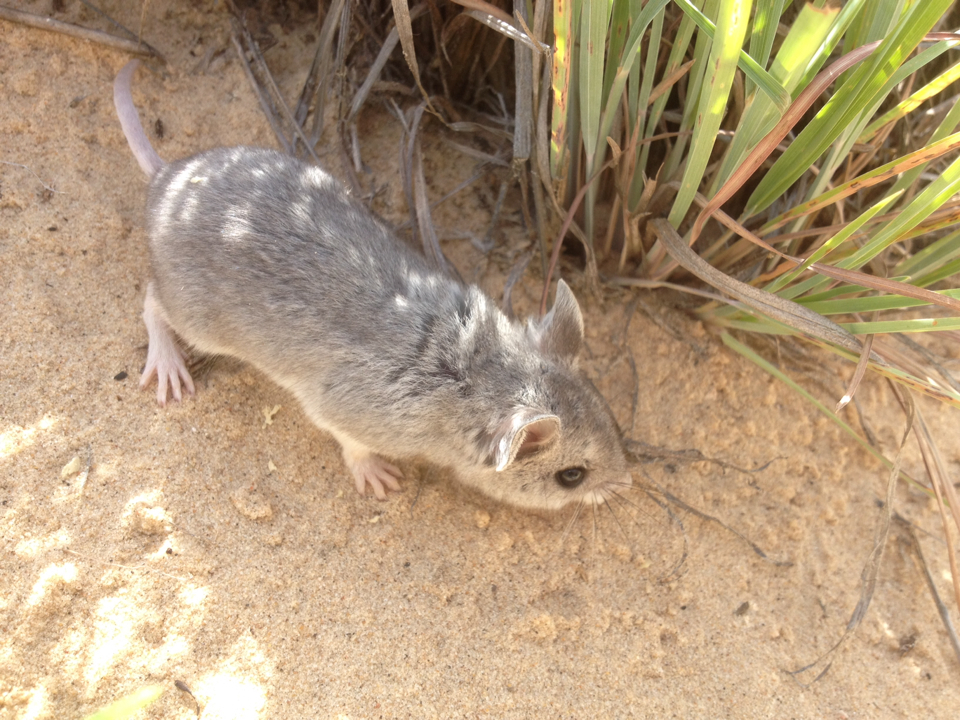
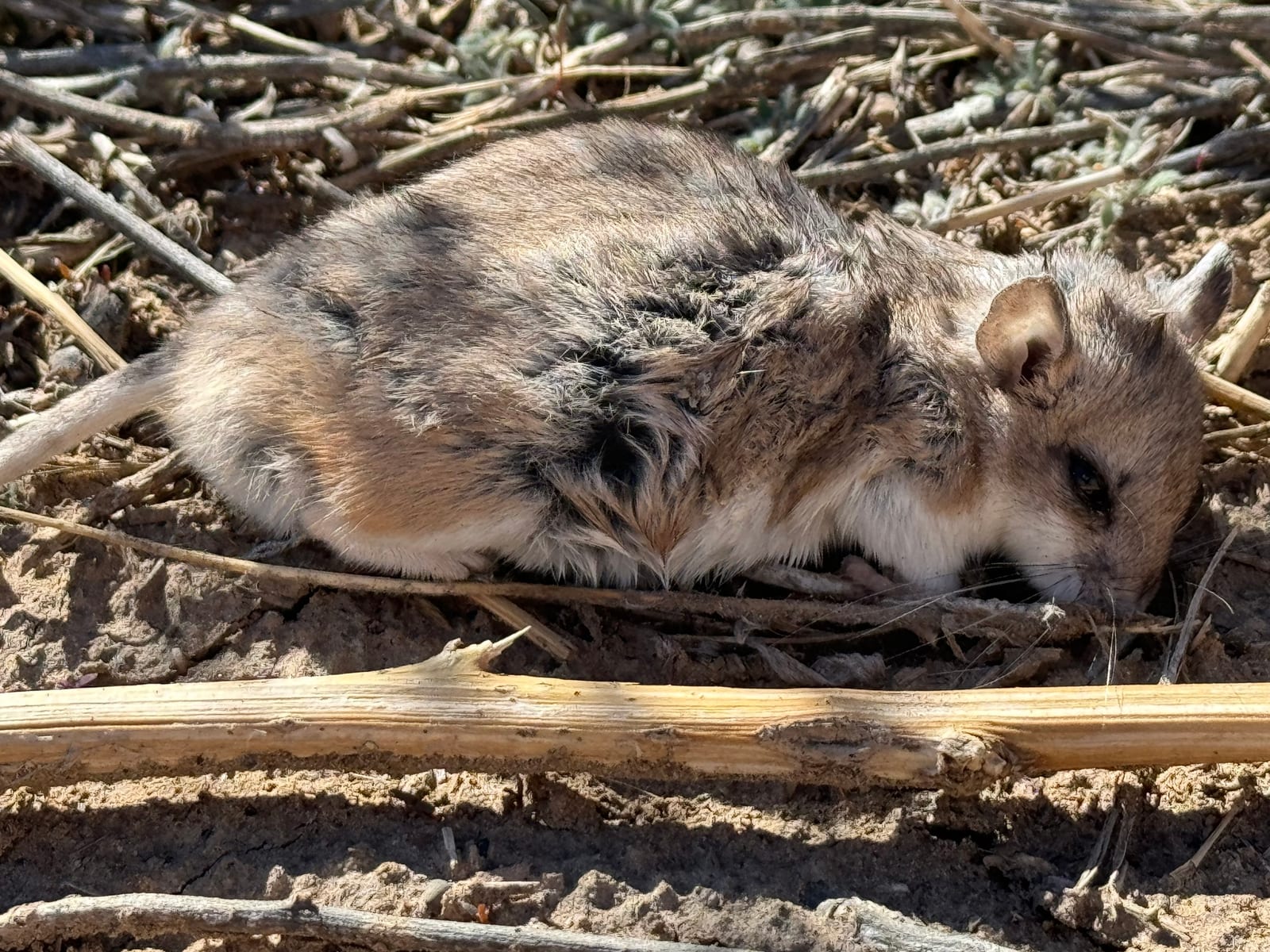
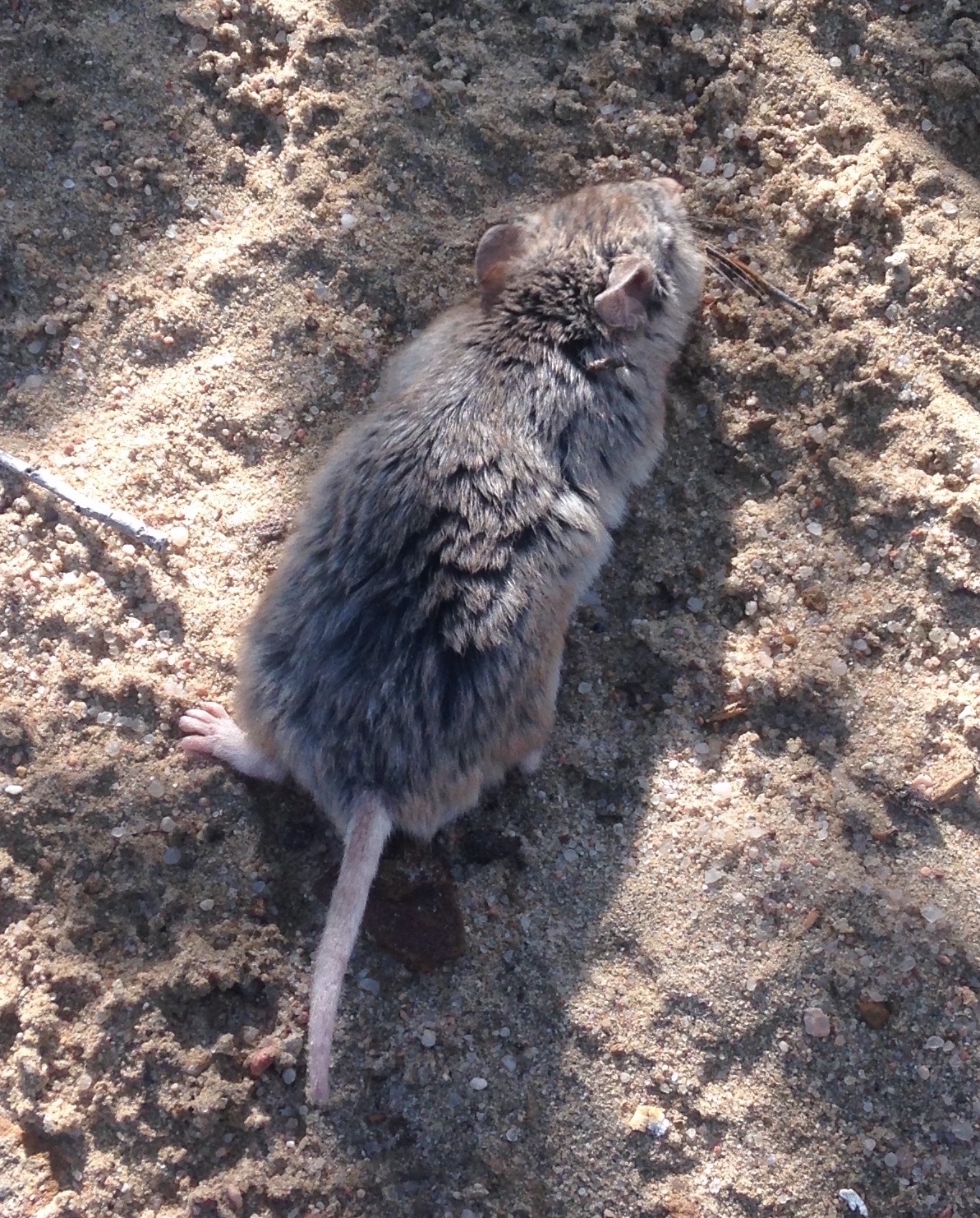
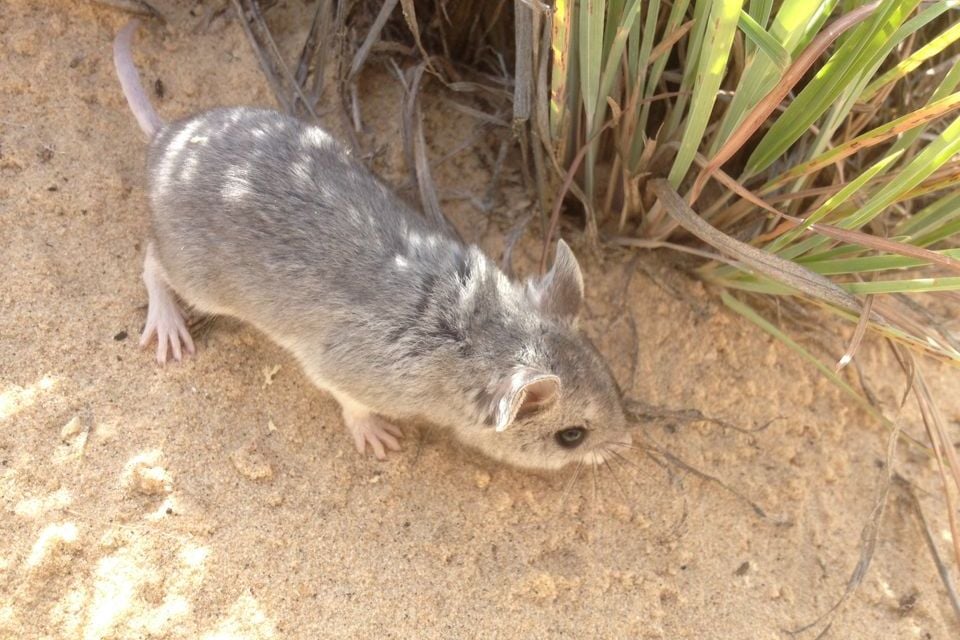
Northern Grasshopper Mouse in Texas

Onychomys leucogaster

Native to Texas S5 Secure in Texas

Not listed as nonindigenous in Texas by USGS NAS; native to its Texas range.

IUCN Red List status

  1. LC
  2. NT
  3. VU
  4. EN
  5. CR
  6. EW
  7. EX

LC – Least Concern

Widespread and abundant; not at risk.

Northern Grasshopper Mouse in Texas, by the numbers

Occasional in Texas 77th most recorded of 197 mammals logged in Texas

154 occurrence records
12 with iNaturalist photos
Dec 27, 2024 Last seen in Texas

Records from 2000–2026.

154 total records count every Texas occurrence from GBIF and iNaturalist; the map plots a georeferenced sample of 152; the monthly chart covers the 152 records with a full observation date.

When to look for the Northern Grasshopper Mouse in Texas

Most sightings fall in February to March.

152 Texas occurrence records (iNaturalist and GBIF) by month of year, 2000–2026. Shows when the species is recorded, not a guarantee of presence.

Monthly Texas records (table)
MonthRecords
January2
February39
March36
April4
May6
June17
July17
August4
September1
October20
November3
December3

Monthly northern grasshopper mouse occurrence records (iNaturalist and GBIF) in Texas, 2000–2026.

Seasonality

Year-round in Texas, with recorded sightings peaking in February–March.

Occurrence map

Where Northern Grasshopper Mouse has been recorded in Texas

152 records mapped · zoom and drag to explore

152 Texas records mapped

Notable places to look

Park, forest, or monumentiNaturalist records
Falcon State Park 1
Caprock Canyons State Park 1

Protected places with the most northern grasshopper mouse sightings, from the USGS Protected Areas Database plus named mountain ranges, good spots to look, not a full breakdown, so they don't sum to the total.

Where it's recorded in Texas

CountyRecords
Jim Hogg County 37
Wilbarger County 20
Willacy County 16
Cottle County 13
Kenedy County 11
Bailey County 10
Starr County 7
Dickens County 7
Presidio County 7
Webb County 4
Andrews County 3
Foard County 2
12 other counties 17

The complete county distribution, spread across 24 Texas counties. Every occurrence record falls in one county, so these sum to the total. Counties from GBIF and US Census boundaries.

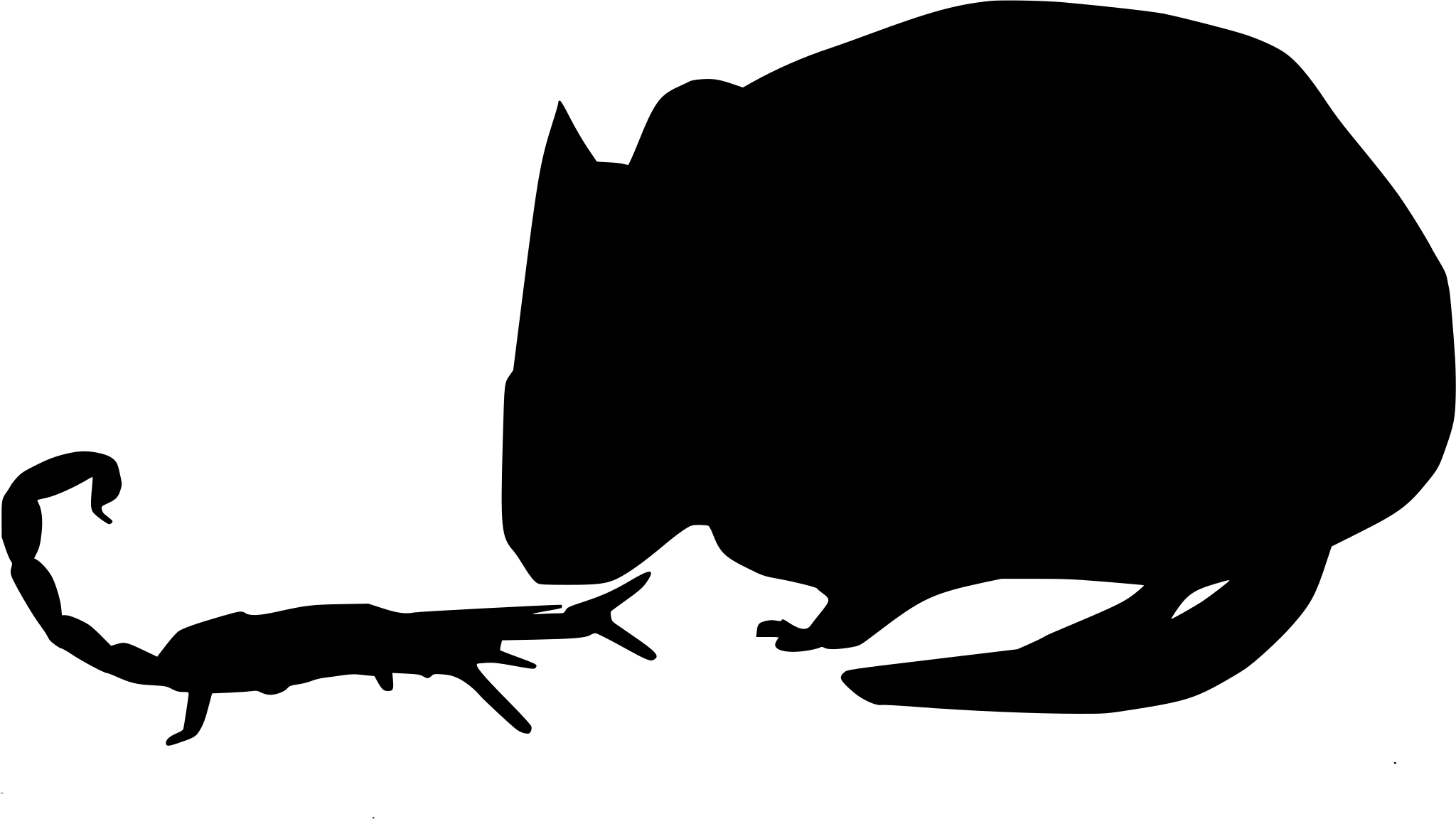
Northern grasshopper mice are unusual among rodents: this small predator hunts insects, scorpions, and even other mice across the open desert grassland and Trans-Pecos scrub around Big Bend, Guadalupe Mountains National Park, and the Davis Mountains. Males are known to stand on their hind legs and give a thin, high-pitched call, a habit that earned them the nickname “wolf mouse.”

Nearly all of the 154 Texas records come through GBIF rather than iNaturalist, which suggests specimen and survey data are doing most of the documenting here rather than casual sightings, a pattern that fits a nocturnal, hard-to-photograph hunter. Records cluster hardest in March, with a smaller rise in November. With a mostly desert range and no special state listing, that swing likely tracks fieldwork timing as much as anything the mouse itself is doing.
Occurrence data from iNaturalist and GBIF.

More mammals in Texas in the atlas

Data & sources

The data and visualizations on this page draw on these open sources:

  • GBIFCC-BY 4.0occurrence records behind the range map, elevation, and record counts
  • iNaturalistCC0 / CC-BY / CC-BY-SAobservations, photos, and audio recordings
  • NatureServe ExplorerCC-BYthe state conservation rank
  • IUCN Red Listattributed factthe global conservation status
  • USGS NASpublic domainnative / introduced status
  • Natural Earthpublic domainthe relief basemap
  • USFSpublic domainnational-forest boundaries
  • USGS Protected Areas Databasepublic domainthe named parks, forests, and refuges behind "notable places to look"




