California mammals

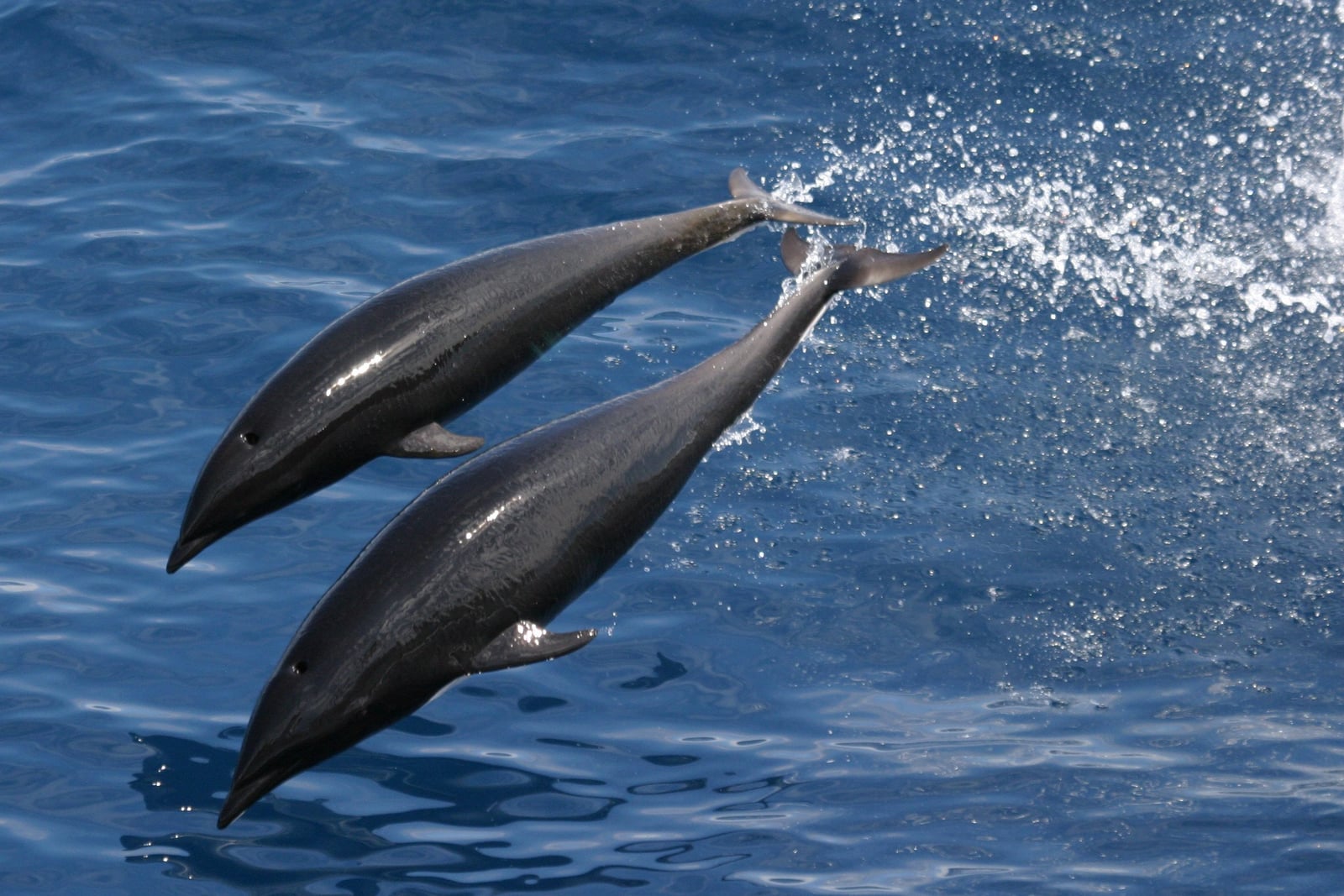
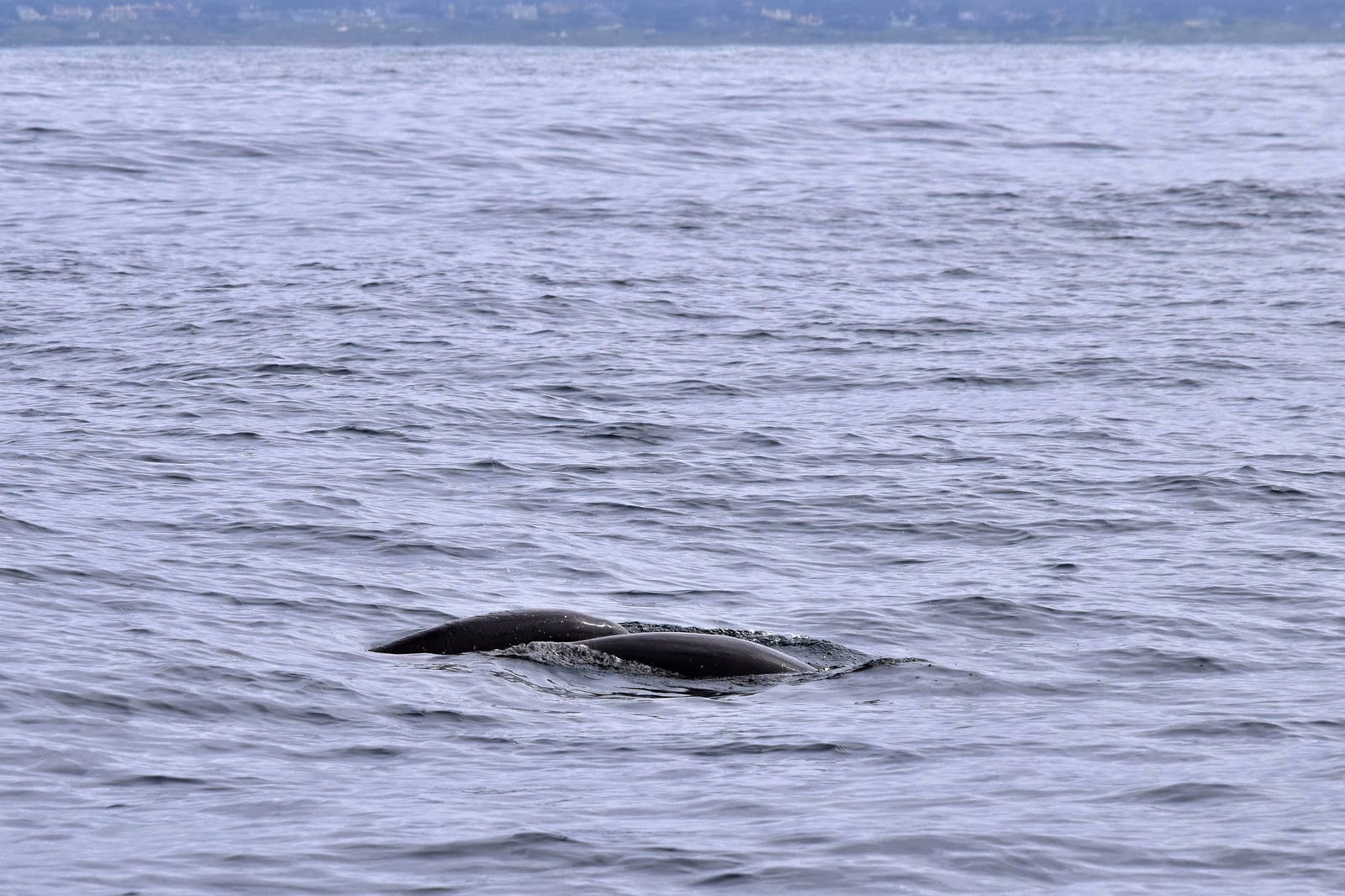
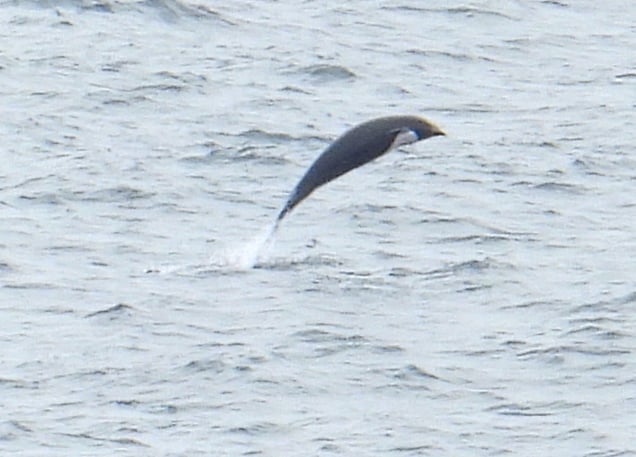
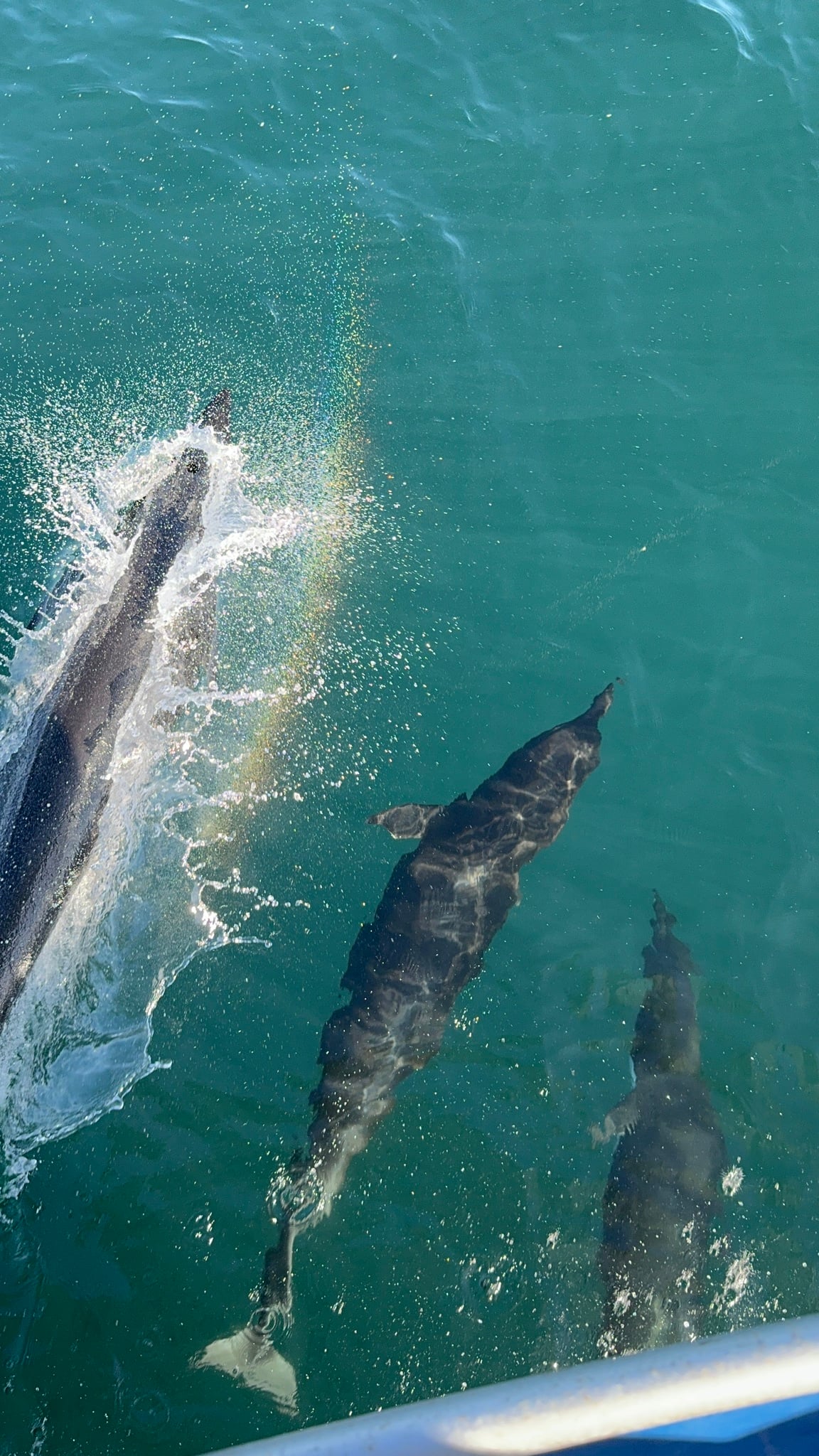
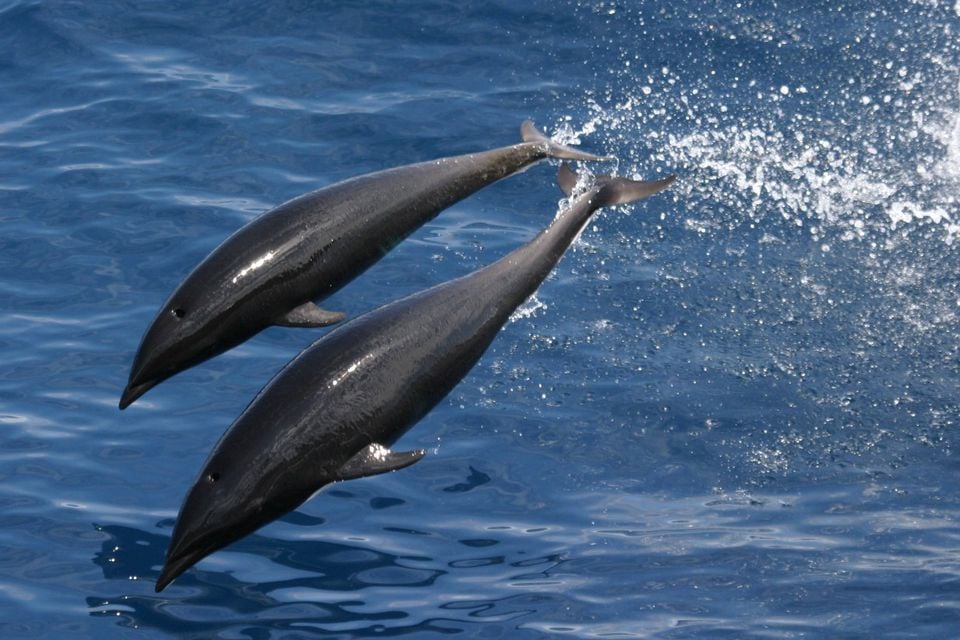
Northern Right Whale Dolphin in California

Lissodelphis borealis

Native to California SNR Unranked in California

Not listed as nonindigenous in California by USGS NAS; native to its California range.

IUCN Red List status

  1. LC
  2. NT
  3. VU
  4. EN
  5. CR
  6. EW
  7. EX

LC – Least Concern

Widespread and abundant; not at risk.

Northern Right Whale Dolphin in California, by the numbers

Occasional in California 126th most recorded of 233 mammals logged in California

139 occurrence records
120 with iNaturalist photos

Records from 2000–2026.

139 total records count every California occurrence from GBIF and iNaturalist; the map plots a georeferenced sample of 137; the monthly chart covers the 137 records with a full observation date.

When to look for the Northern Right Whale Dolphin in California

Most sightings fall in May.

137 California occurrence records (iNaturalist and GBIF) by month of year, 2000–2026. Shows when the species is recorded, not a guarantee of presence.

Monthly California records (table)
MonthRecords
January5
February5
March22
April9
May33
June19
July6
August12
September5
October16
November1
December4

Monthly northern right whale dolphin occurrence records (iNaturalist and GBIF) in California, 2000–2026.

Seasonality

Year-round in California, with recorded sightings peaking in May, with a smaller rise in March.

Occurrence map

Where Northern Right Whale Dolphin has been recorded in California

137 records mapped · zoom and drag to explore

136 California records mapped

Where it's recorded in California

CountyRecords
Santa Barbara County 5
Los Angeles County 3
Humboldt County 3
San Diego County 3
Ventura County 2
San Mateo County 2
San Francisco County 1
Santa Cruz County 1
Orange County 1
Marin County 1
Other localities 117

The complete county distribution, spread across 10 California counties. Every occurrence record falls in one county, so these sum to the total. Counties from GBIF and US Census boundaries.

Northern Right Whale Dolphin records belong offshore or along California’s Pacific coast, not in the state’s inland forests and deserts. Reports often follow the productive waters shaped by coastal upwelling, but they also reflect where boats and shore watchers spend time.

The deep Monterey Canyon, the continental shelf edge, and waters around the Channel Islands give observers access to very different marine habitats. Sightings don’t measure offshore population size, because effort concentrates near ports, whale-watching routes, and visible migration corridors.

The California record set combines 120 research-grade community observations with 91 museum and survey records. Monthly patterns can also reflect weather and observer activity, so they shouldn’t be treated as a direct count of animals.
Occurrence data from iNaturalist and GBIF.

More mammals in California in the atlas

Data & sources

The data and visualizations on this page draw on these open sources:

  • GBIFCC-BY 4.0occurrence records behind the range map, elevation, and record counts
  • iNaturalistCC0 / CC-BY / CC-BY-SAobservations, photos, and audio recordings
  • NatureServe ExplorerCC-BYthe state conservation rank
  • IUCN Red Listattributed factthe global conservation status
  • USGS NASpublic domainnative / introduced status
  • Natural Earthpublic domainthe relief basemap
  • USFSpublic domainnational-forest boundaries




