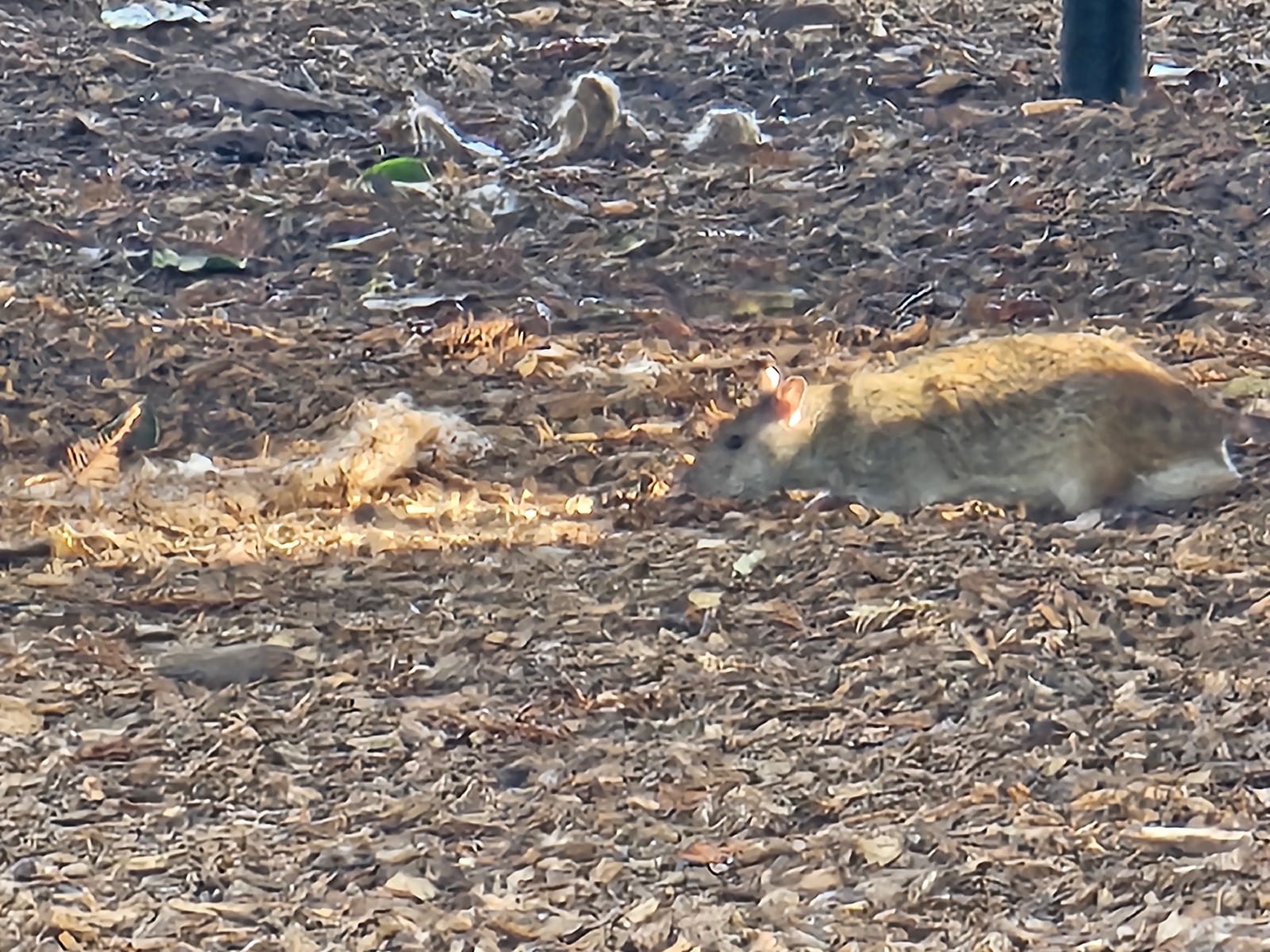
Michigan mammals

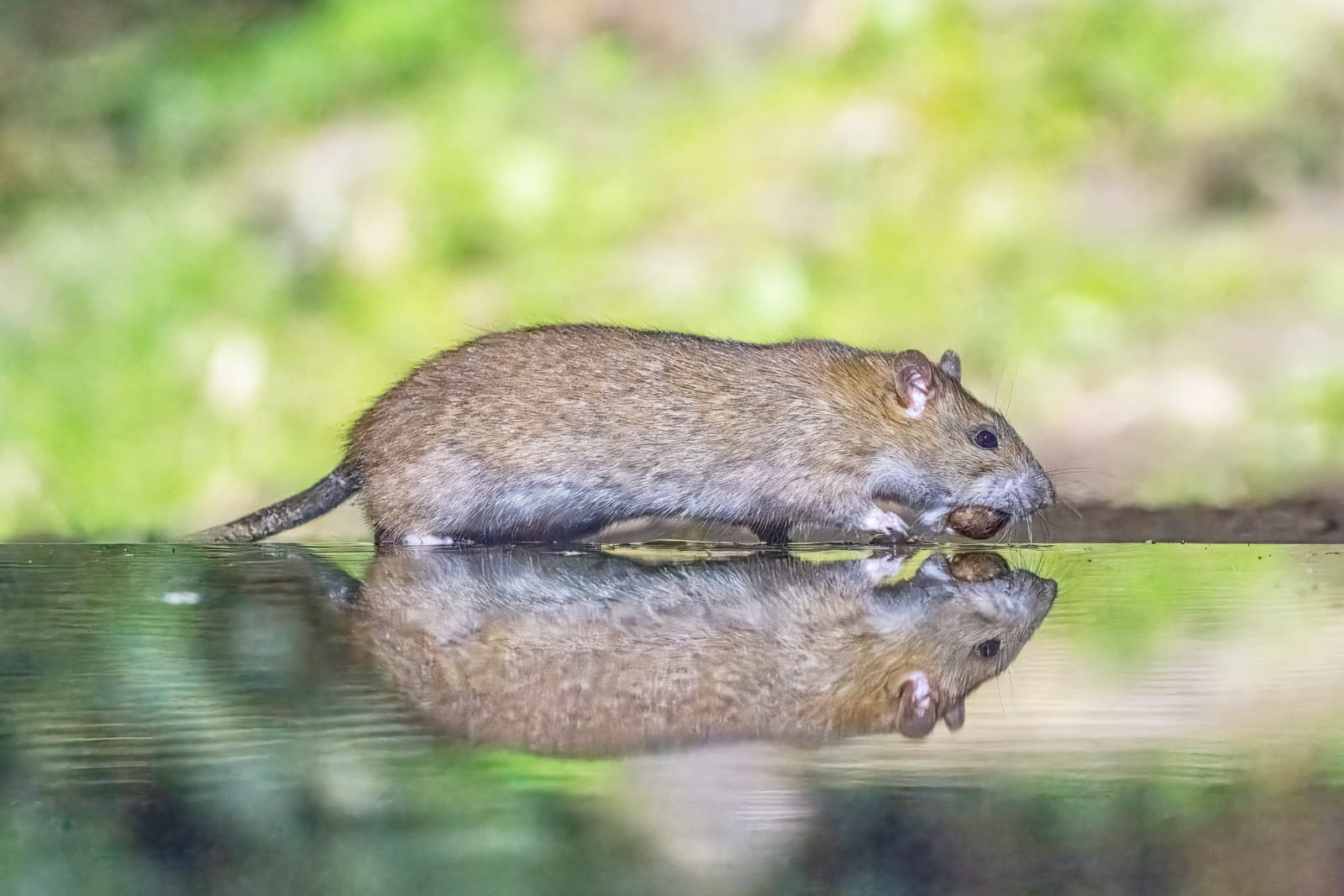
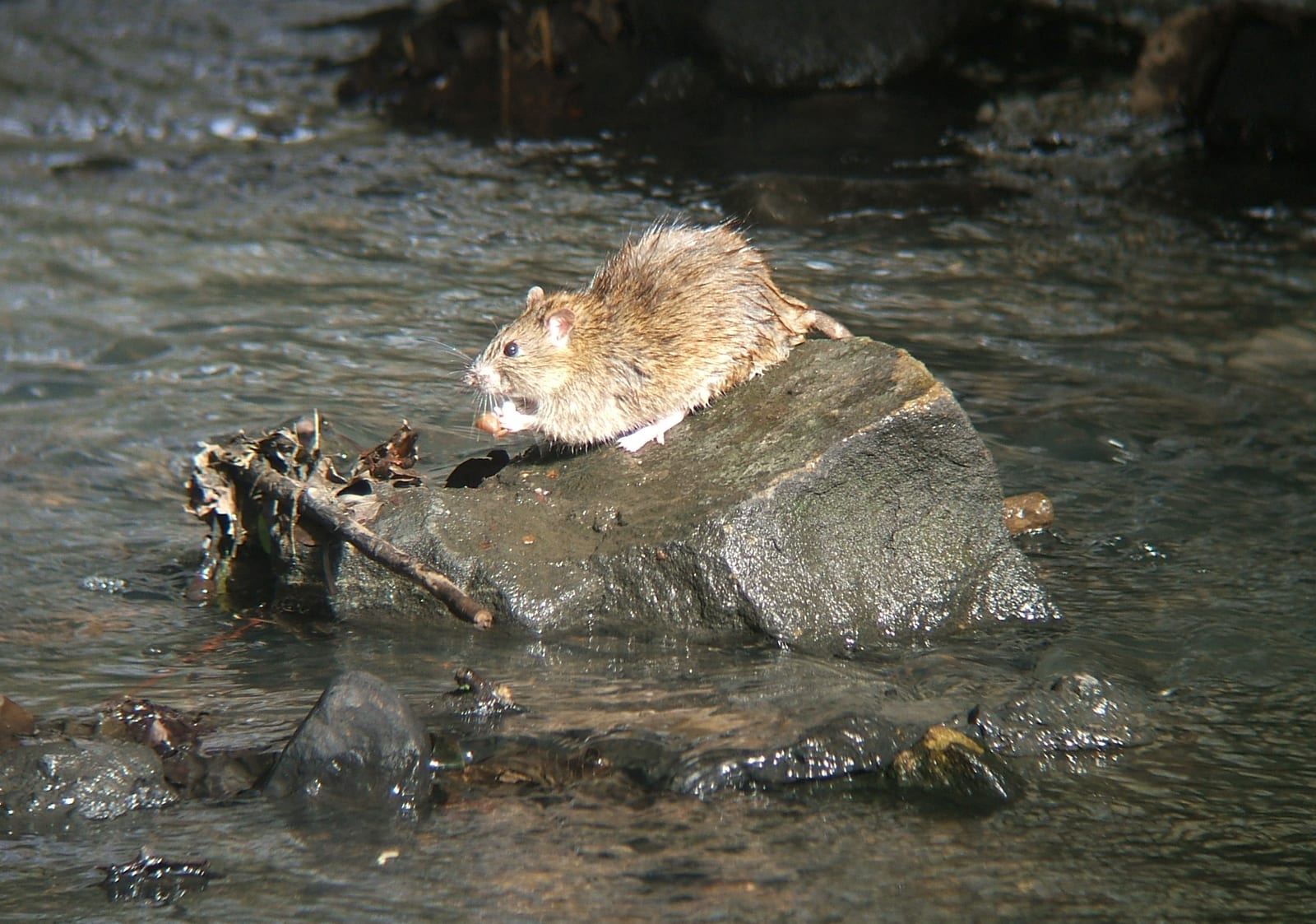
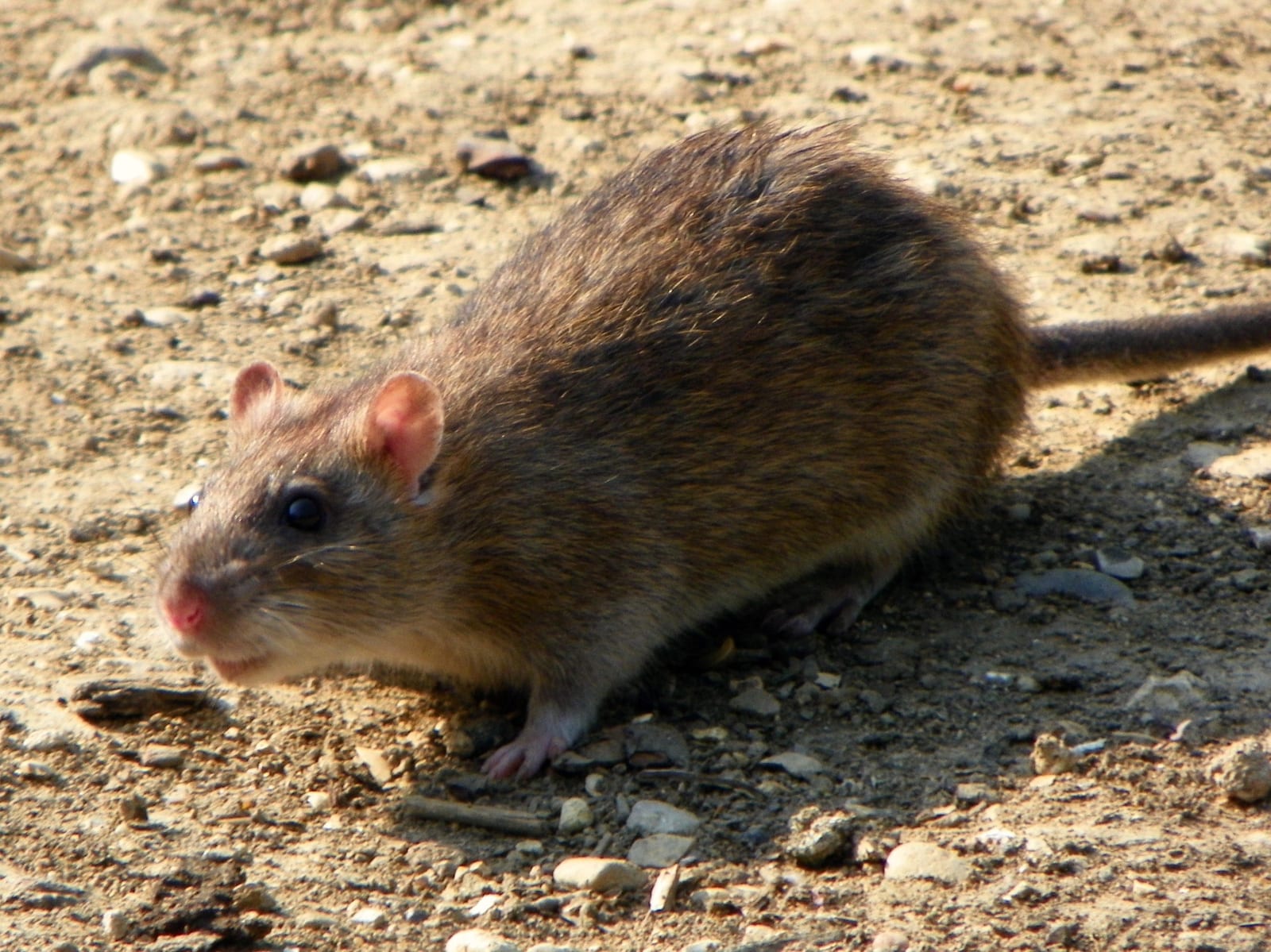
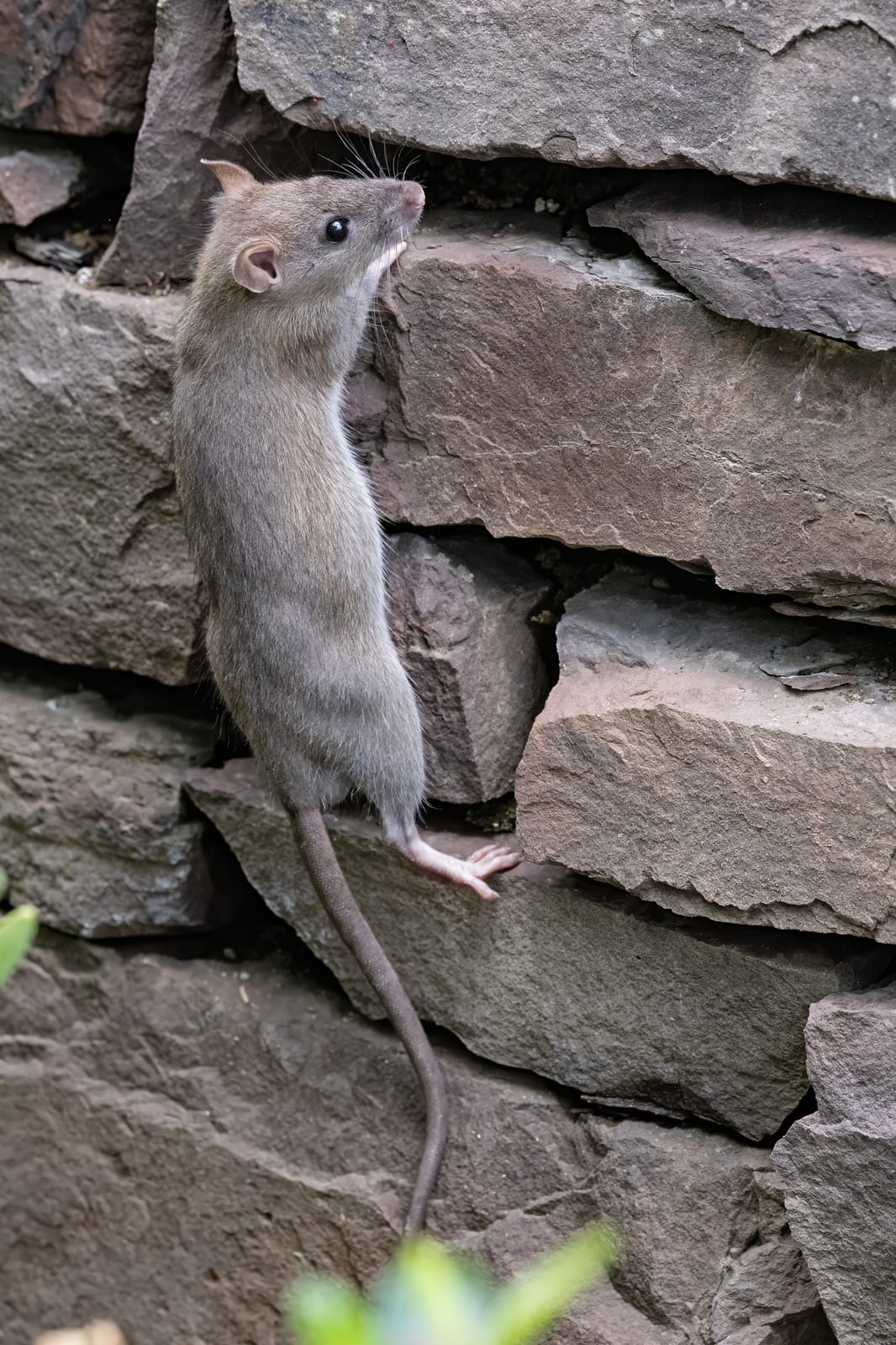
Norway Rat in Michigan

Rattus norvegicus

Introduced to Michigan

Michigan's Rattus norvegicus records are of an introduced species; it does not occur here as a wild native population.

IUCN Red List status

  1. LC
  2. NT
  3. VU
  4. EN
  5. CR
  6. EW
  7. EX

LC – Least Concern

Widespread and abundant; not at risk.

Norway Rat in Michigan, by the numbers

Occasional in Michigan 44th most recorded of 75 mammals logged in Michigan

69 occurrence records
69 with iNaturalist photos
Apr 16, 2026 Last seen in Michigan

Records from 2000–2026.

69 total records count every Michigan occurrence from GBIF and iNaturalist; the map plots a georeferenced sample of 68; the monthly chart covers the 68 records with a full observation date.

When to look for the Norway Rat in Michigan

Most sightings fall in April to May.

68 Michigan occurrence records (iNaturalist and GBIF) by month of year, 2000–2026. Shows when the species is recorded, not a guarantee of presence.

Monthly Michigan records (table)
MonthRecords
January3
February1
March6
April12
May8
June7
July6
August5
September7
October4
November4
December5

Monthly norway rat occurrence records (iNaturalist and GBIF) in Michigan, 2000–2026.

Seasonality

Year-round in Michigan, with recorded sightings peaking in April–May.

Occurrence map

Where Norway Rat has been recorded in Michigan

68 records mapped · zoom and drag to explore

68 Michigan records mapped

Where it's recorded in Michigan

CountyRecords
Wayne County 31
Oakland County 12
Macomb County 7
Washtenaw County 5
St. Clair County 4
Eaton County 2
Ionia County 1
Ingham County 1
Clinton County 1
Genesee County 1
Kent County 1
Other localities 3

The complete county distribution, spread across 11 Michigan counties. Every occurrence record falls in one county, so these sum to the total. Counties from GBIF and US Census boundaries.

Norway rat records in Michigan follow human settlement, from Shiawassee National Wildlife Refuge and Waterloo State Recreation Area in the farm-and-suburb south to Huron-Manistee National Forests, where records likely trace back to buildings and campgrounds rather than deep woods. NatureServe flags the species as exotic, not a native part of Michigan’s fauna.

Reports rise in April and May and again in September, spikes that likely track seasonal movement between outdoor foraging and structures as temperatures shift. With 51 GBIF records against 69 from iNaturalist, much of the documentation probably comes from pest-control and trapping data rather than casual sightings of this widespread introduced species.
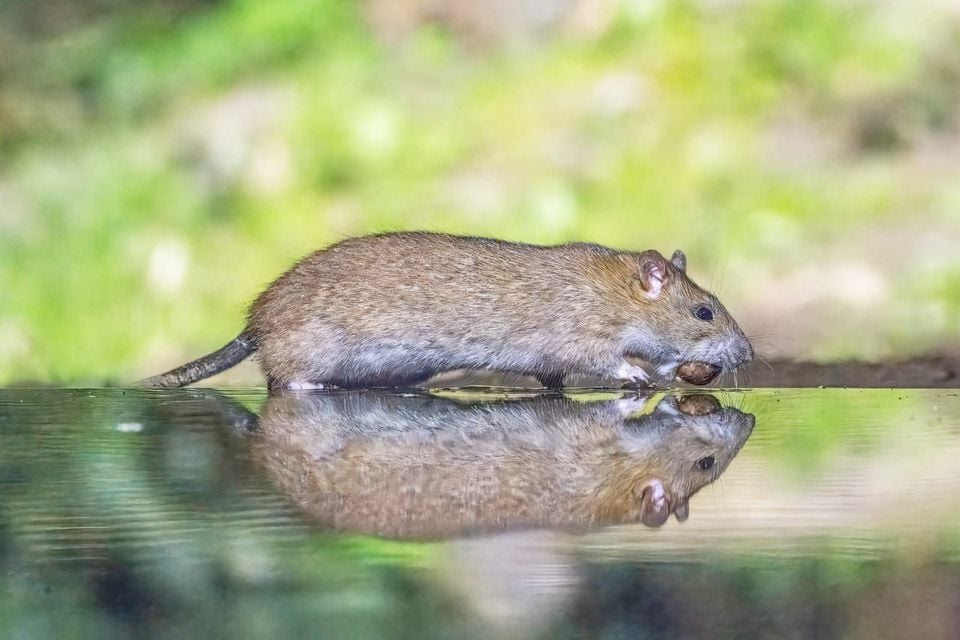

Occurrence data from iNaturalist and GBIF.

More mammals in Michigan in the atlas

Data & sources

The data and visualizations on this page draw on these open sources:

  • GBIFCC-BY 4.0occurrence records behind the range map, elevation, and record counts
  • iNaturalistCC0 / CC-BY / CC-BY-SAobservations, photos, and audio recordings
  • NatureServe ExplorerCC-BYthe state conservation rank
  • IUCN Red Listattributed factthe global conservation status
  • USGS NASpublic domainnative / introduced status
  • Natural Earthpublic domainthe relief basemap
  • USFSpublic domainnational-forest boundaries




