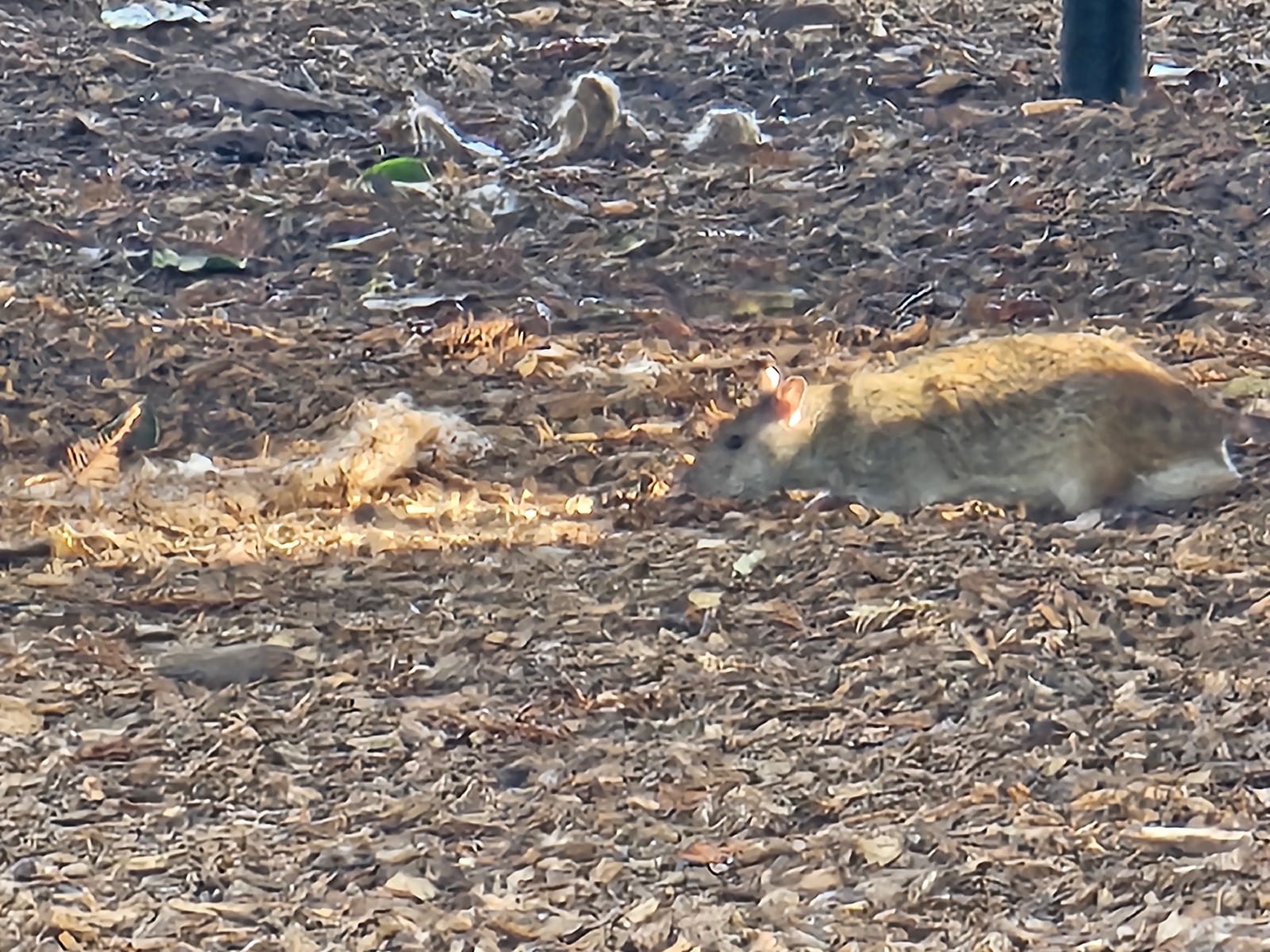
Washington mammals

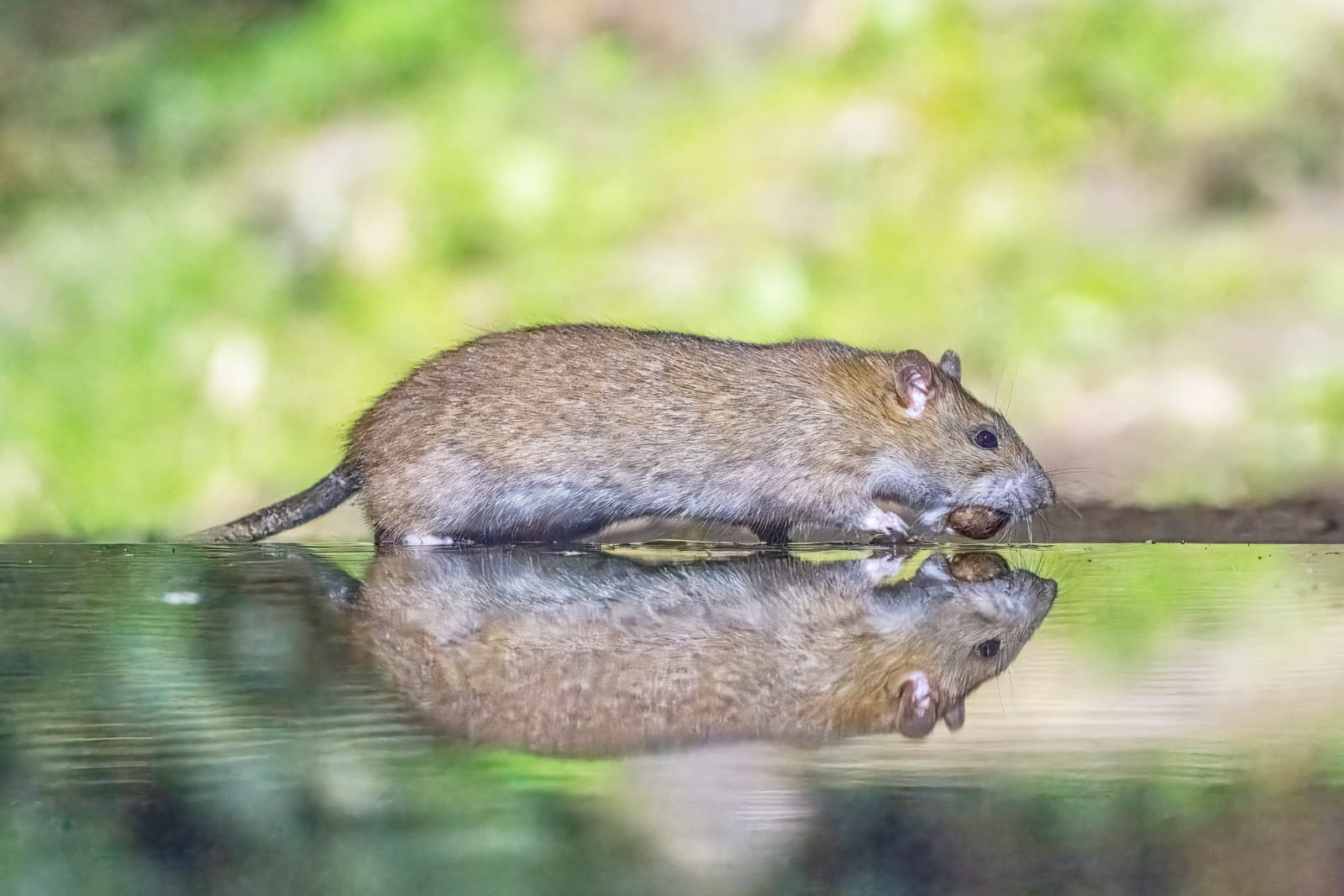
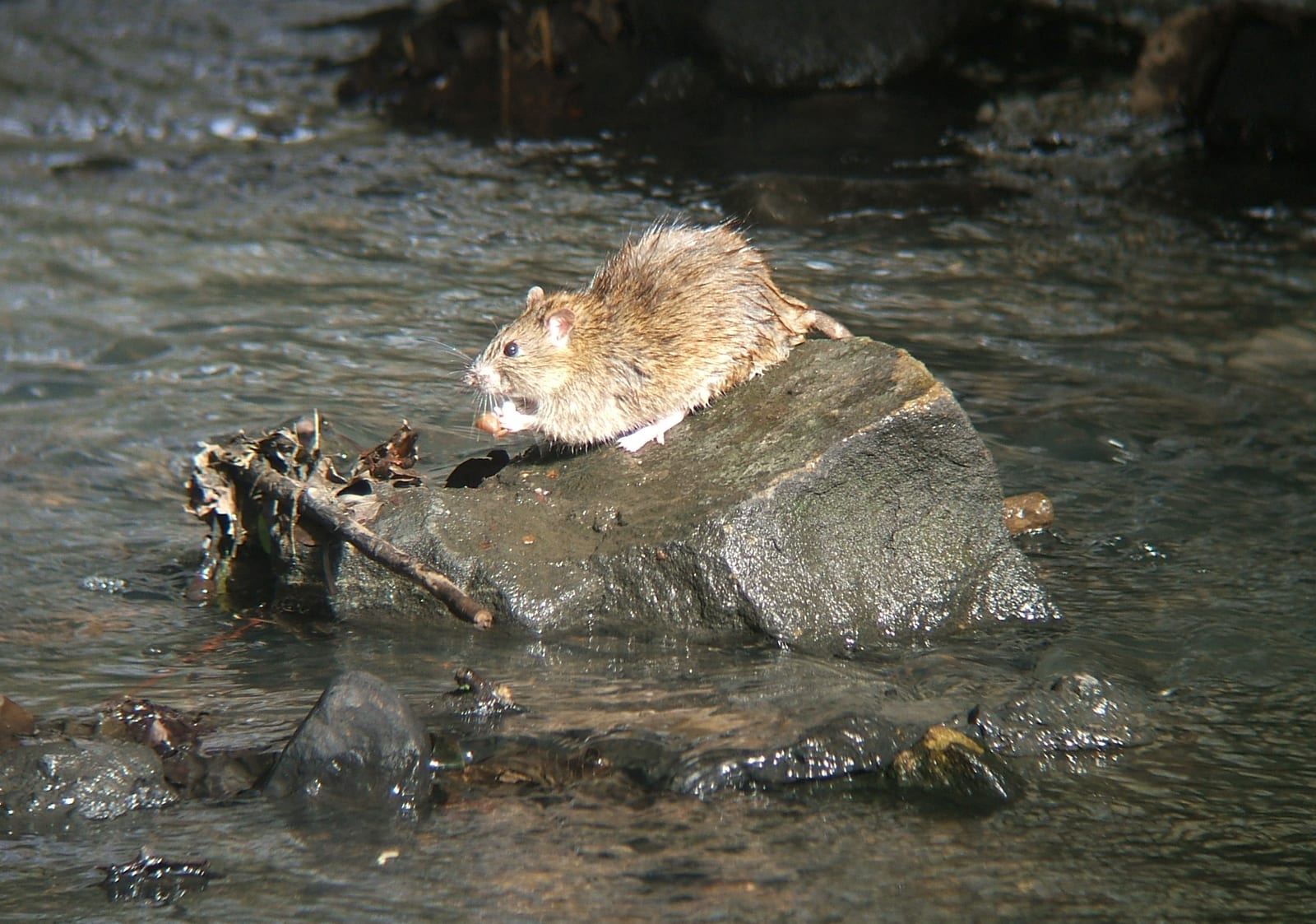
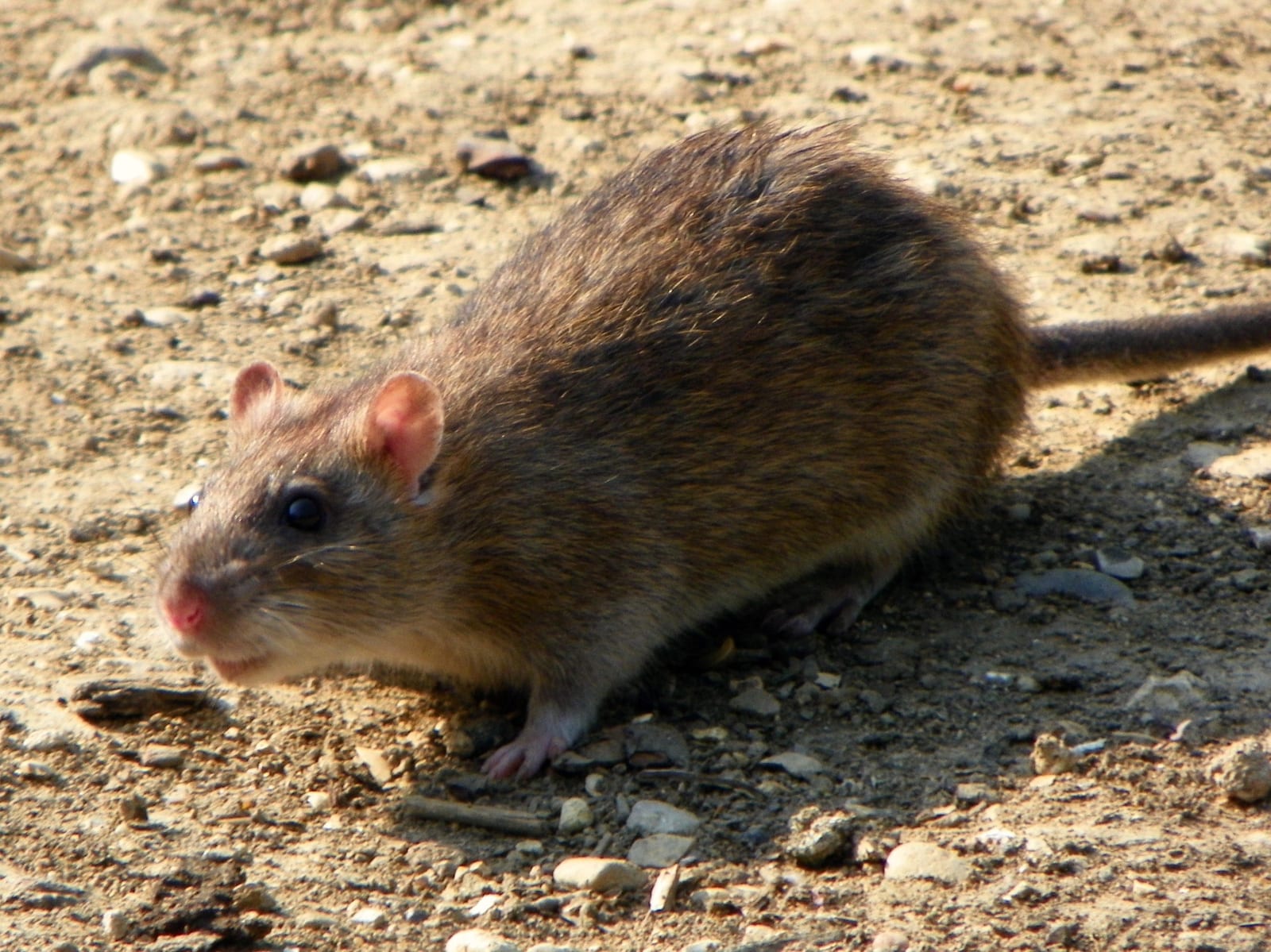
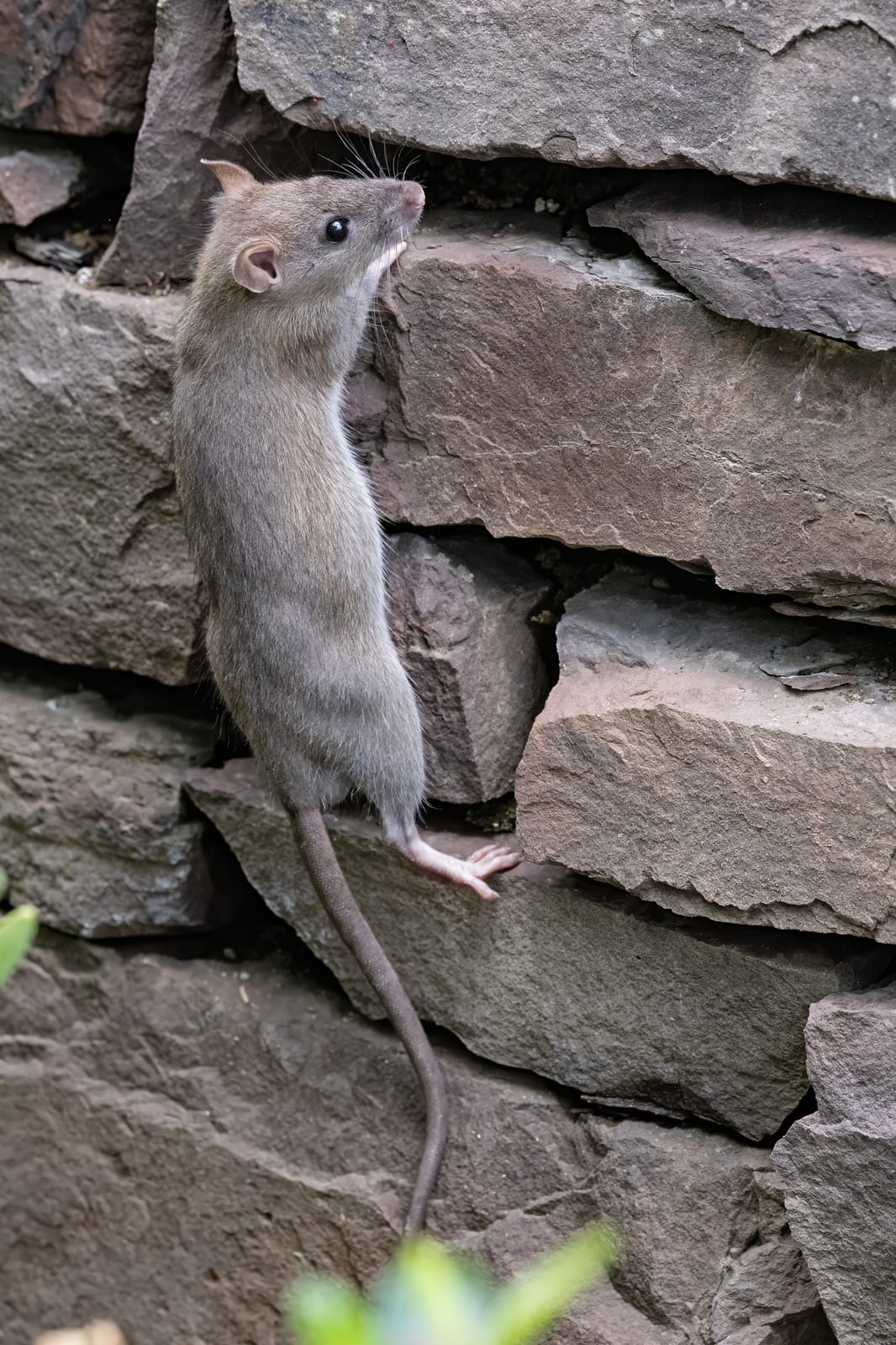
Norway Rat in Washington

Rattus norvegicus

Introduced to Washington

Washington's Rattus norvegicus records are of an introduced species; it does not occur here as a wild native population.

IUCN Red List status

  1. LC
  2. NT
  3. VU
  4. EN
  5. CR
  6. EW
  7. EX

LC – Least Concern

Widespread and abundant; not at risk.

Norway Rat in Washington, by the numbers

Common in Washington 43rd most recorded of 145 mammals logged in Washington

475 occurrence records
467 with iNaturalist photos
Jul 8, 2026 Last seen in Washington

Records from 2000–2026.

475 total records count every Washington occurrence from GBIF and iNaturalist; the map plots a georeferenced sample of 300; the monthly chart covers the 407 records with a full observation date.

When to look for the Norway Rat in Washington

Most sightings fall in February to October.

407 Washington occurrence records (iNaturalist and GBIF) by month of year, 2000–2026. Shows when the species is recorded, not a guarantee of presence.

Monthly Washington records (table)
MonthRecords
January24
February28
March27
April45
May43
June43
July41
August42
September31
October36
November25
December22

Monthly norway rat occurrence records (iNaturalist and GBIF) in Washington, 2000–2026.

Seasonality

Year-round in Washington, with recorded sightings peaking in February–October.

Occurrence map

Where Norway Rat has been recorded in Washington

300 records mapped · zoom and drag to explore

300 Washington records mapped

Notable places to look

Park, forest, or monumentiNaturalist records
Saltwater 1

Protected places with the most norway rat sightings, from the USGS Protected Areas Database plus named mountain ranges, good spots to look, not a full breakdown, so they don't sum to the total.

Where it's recorded in Washington

CountyRecords
King County 304
Pierce County 28
Snohomish County 28
Kitsap County 12
Whatcom County 8
Thurston County 4
Clark County 3
Mason County 1
Jefferson County 1
Whitman County 1
San Juan County 1
Other localities 84

The complete county distribution, spread across 11 Washington counties. Every occurrence record falls in one county, so these sum to the total. Counties from GBIF and US Census boundaries.

The Norway rat is not Washington wildlife in the usual sense. An Old World species carried around the globe on ships, it reached the Pacific Northwest with European settlement and has lived alongside people here ever since. Its 475 records map that dependence precisely: 304 sit in King County alone, with Pierce and Snohomish a distant second at 28 apiece and the other Puget Sound population centers further back.

A commensal, tied to people

Norway rats live where people store, spill, or discard food: under buildings and sidewalks, around docks, wharves, and feed stores, and through sewers and waterfront burrows. They are strong swimmers and capable burrowers, omnivores that take grain, garbage, eggs, or carrion with equal readiness. The record’s only named place, Saltwater State Park on Puget Sound, fits the pattern of rats established around boat landings and developed shorelines.

Active in every month

Rats do not hibernate, and Washington reports run year-round with no deep seasonal trough. Counts run fairly level from April through August and ease only modestly over the winter months. Indoors and along heated waterfronts, a Washington winter barely slows them.

Status in Washington

The Norway rat is an introduced species in Washington, and its records here do not represent a wild native population. NatureServe assigns it SNA, Not Applicable, the rank reserved for species established outside their native range.
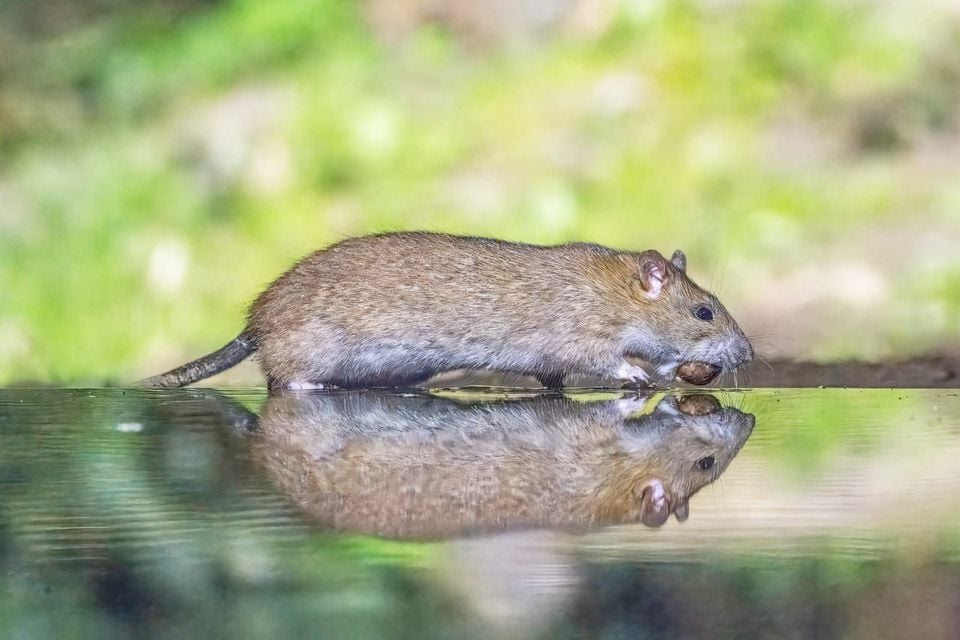

Occurrence data from iNaturalist and GBIF.

More mammals in Washington in the atlas

Data & sources

The data and visualizations on this page draw on these open sources:

  • GBIFCC-BY 4.0occurrence records behind the range map, elevation, and record counts
  • iNaturalistCC0 / CC-BY / CC-BY-SAobservations, photos, and audio recordings
  • NatureServe ExplorerCC-BYthe state conservation rank
  • IUCN Red Listattributed factthe global conservation status
  • USGS NASpublic domainnative / introduced status
  • Natural Earthpublic domainthe relief basemap
  • USFSpublic domainnational-forest boundaries
  • USGS Protected Areas Databasepublic domainthe named parks, forests, and refuges behind "notable places to look"




