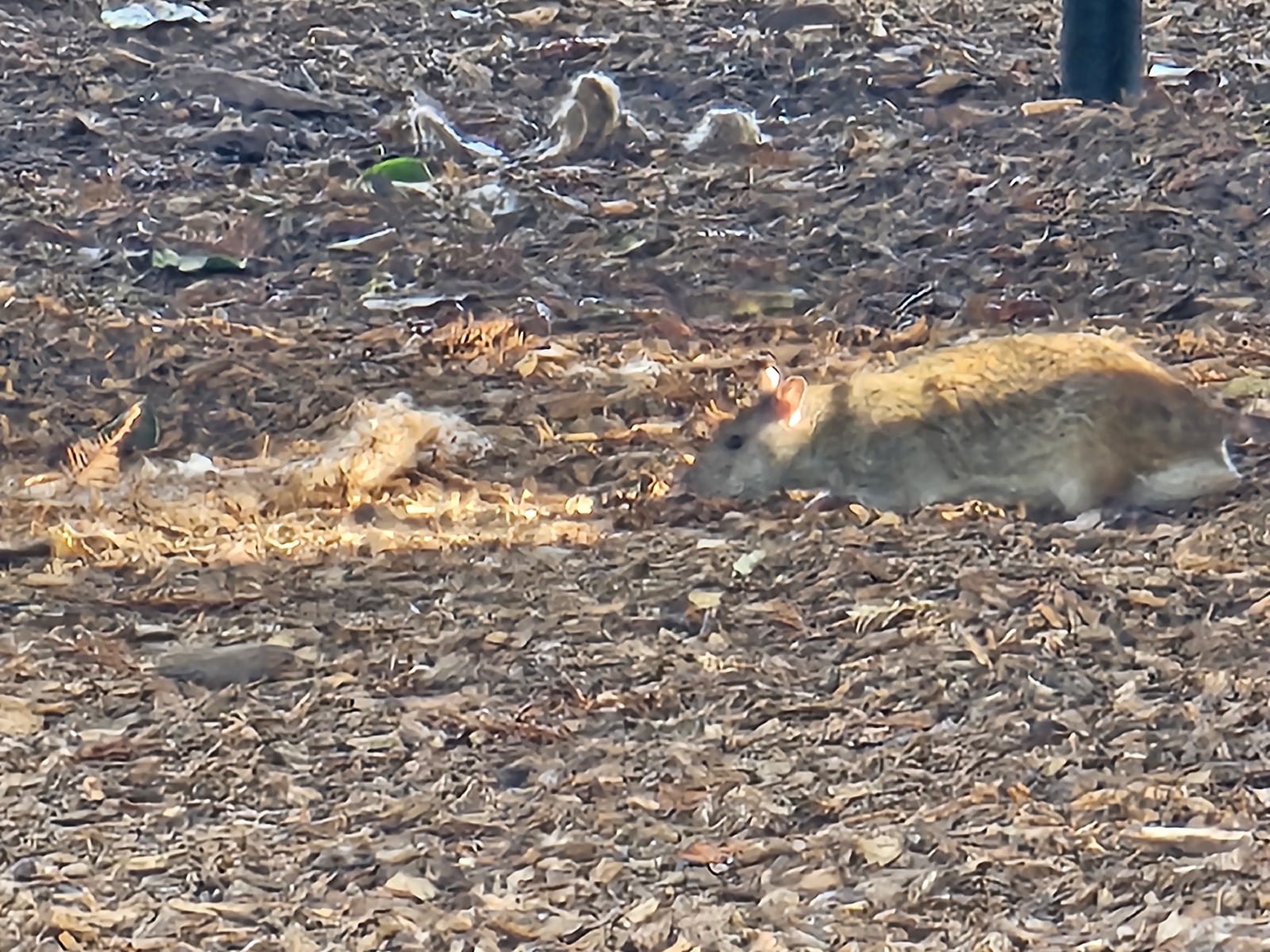
Wisconsin mammals

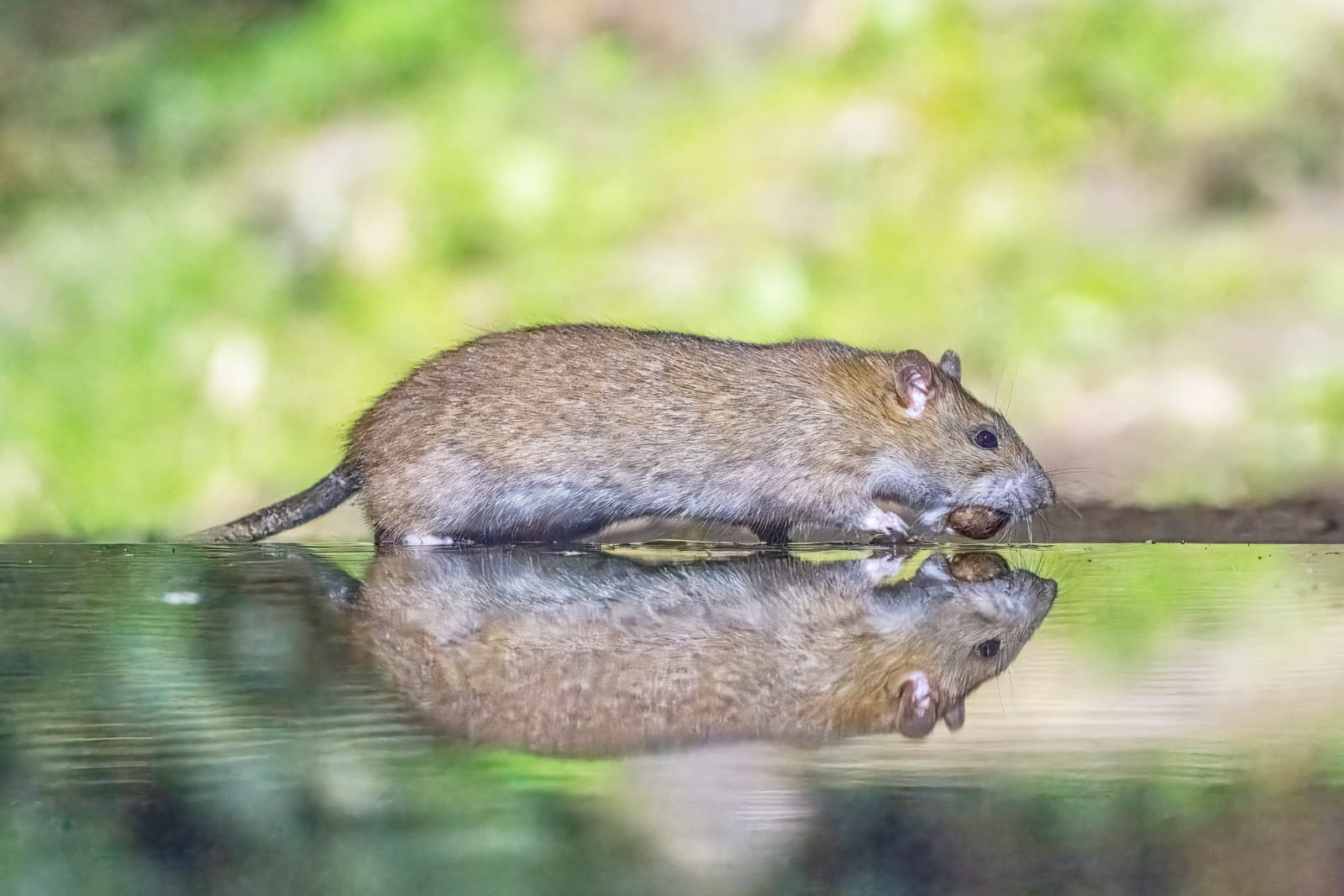
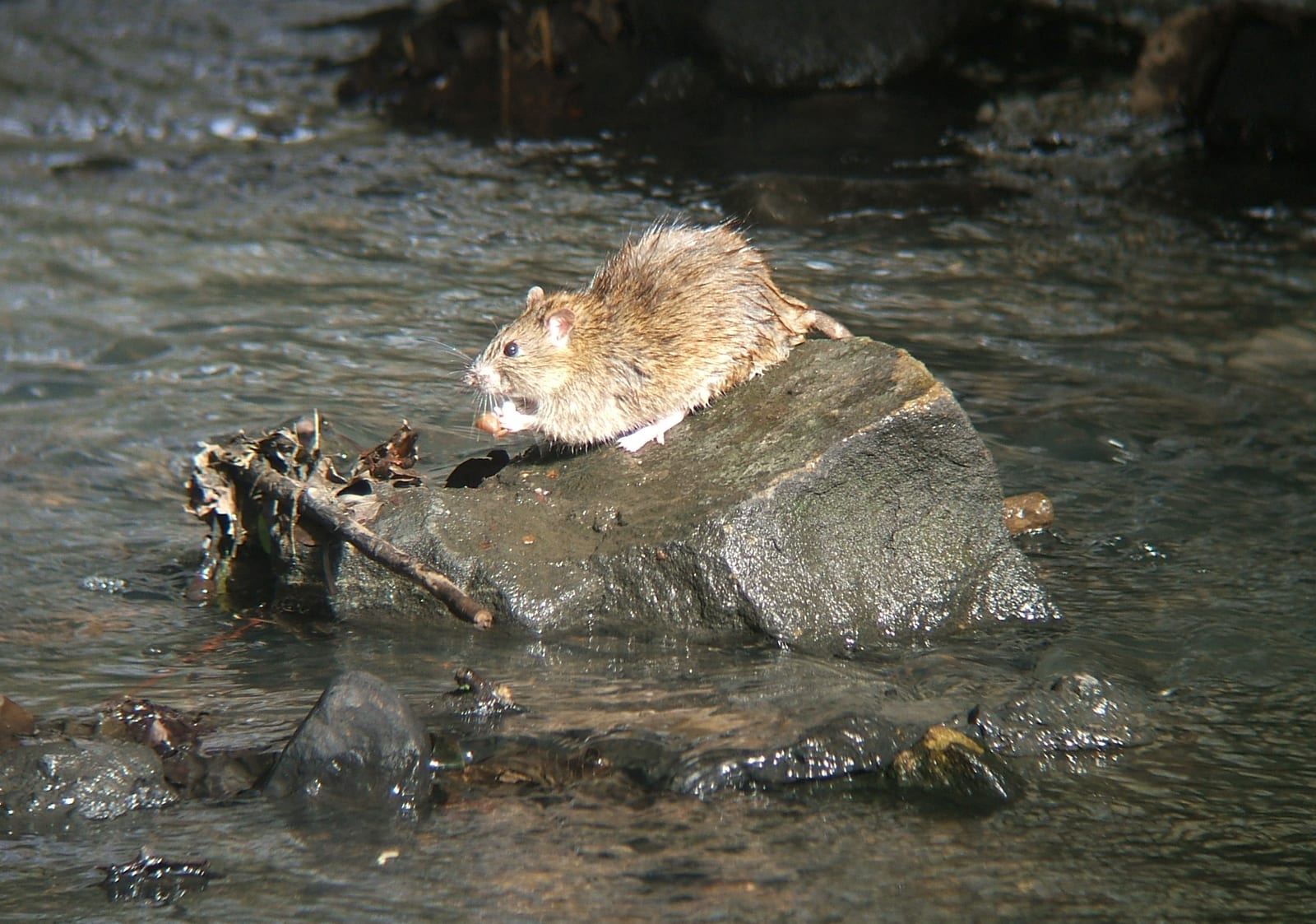
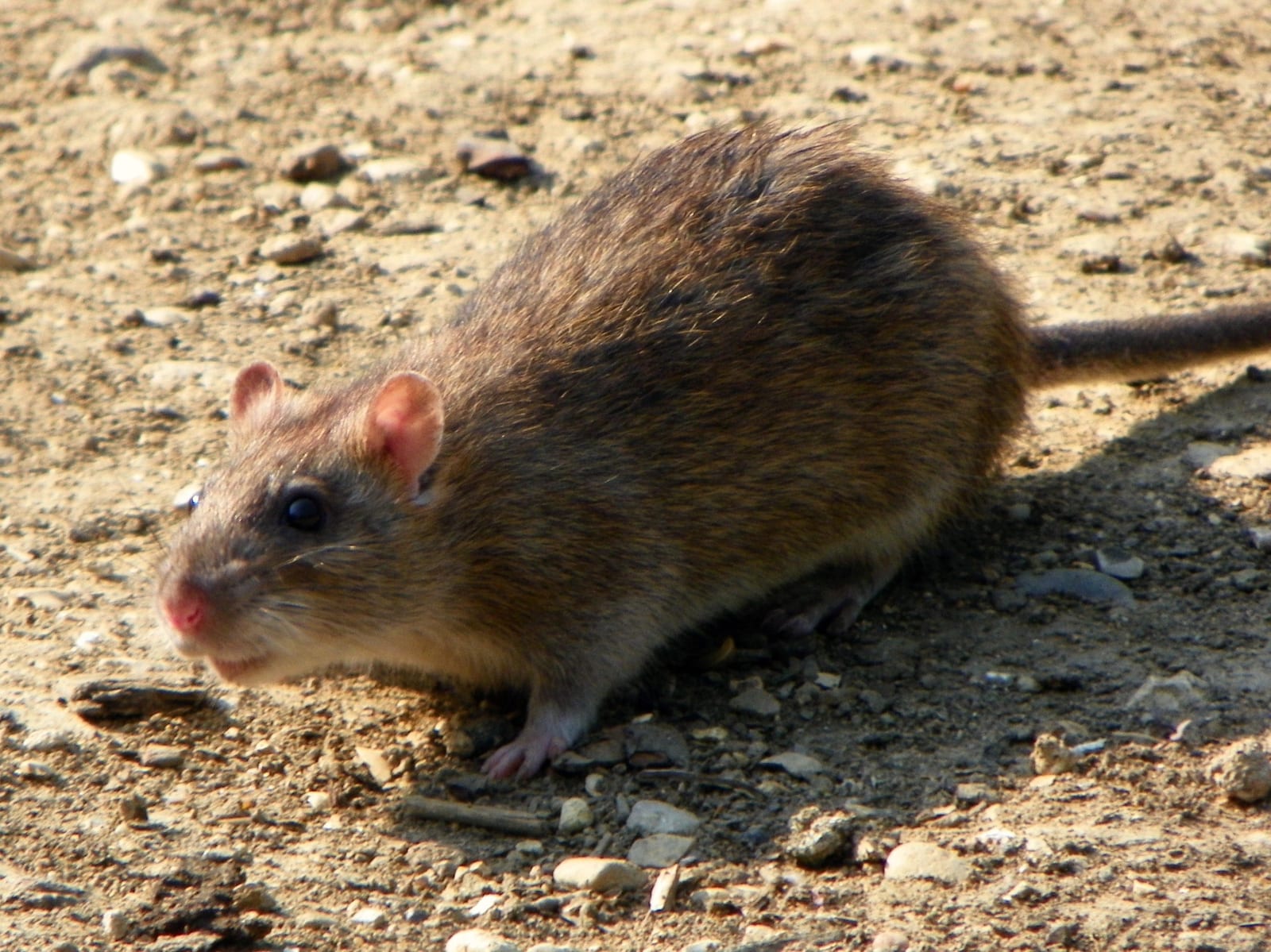
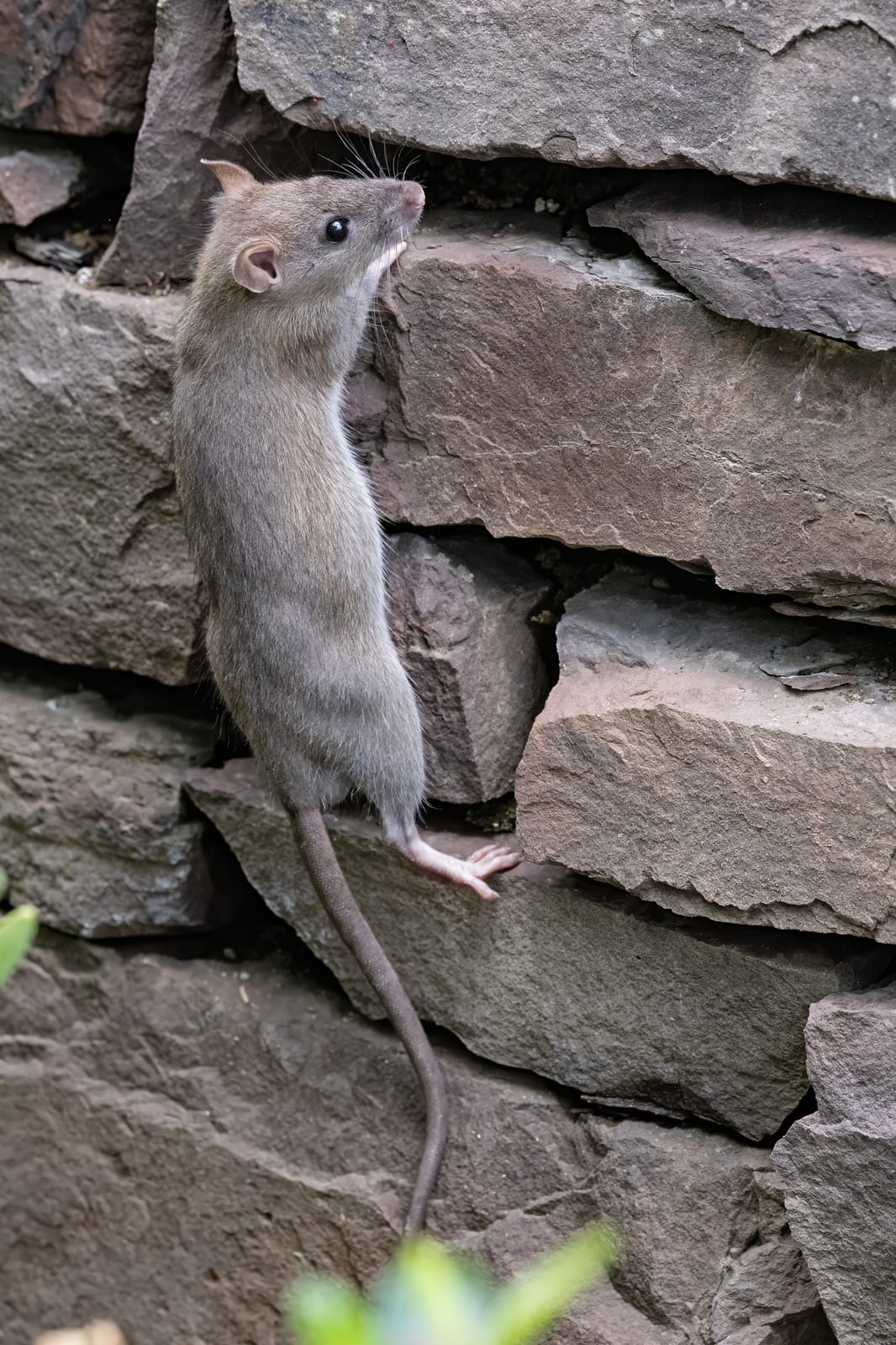
Norway Rat in Wisconsin

Rattus norvegicus

Introduced to Wisconsin

Wisconsin's Rattus norvegicus records are of an introduced species; it does not occur here as a wild native population.

IUCN Red List status

  1. LC
  2. NT
  3. VU
  4. EN
  5. CR
  6. EW
  7. EX

LC – Least Concern

Widespread and abundant; not at risk.

Norway Rat in Wisconsin, by the numbers

Occasional in Wisconsin 45th most recorded of 75 mammals logged in Wisconsin

44 occurrence records
44 with iNaturalist photos
Dec 10, 2025 Last seen in Wisconsin

Records from 2000–2026.

44 total records count every Wisconsin occurrence from GBIF and iNaturalist; the map plots a georeferenced sample of 43; the monthly chart covers the 43 records with a full observation date.

When to look for the Norway Rat in Wisconsin

Most sightings fall in July to August.

43 Wisconsin occurrence records (iNaturalist and GBIF) by month of year, 2000–2026. Shows when the species is recorded, not a guarantee of presence.

Monthly Wisconsin records (table)
MonthRecords
January2
February0
March5
April2
May1
June5
July7
August9
September2
October4
November5
December1

Monthly norway rat occurrence records (iNaturalist and GBIF) in Wisconsin, 2000–2026.

Seasonality

Year-round in Wisconsin, with recorded sightings peaking in July–August.

Occurrence map

Where Norway Rat has been recorded in Wisconsin

43 records mapped · zoom and drag to explore

42 Wisconsin records mapped

Where it's recorded in Wisconsin

CountyRecords
Milwaukee County 19
Dane County 13
Outagamie County 3
Waukesha County 2
Lafayette County 1
Sauk County 1
Portage County 1
Dodge County 1
Rock County 1
Other localities 2

The complete county distribution, spread across 9 Wisconsin counties. Every occurrence record falls in one county, so these sum to the total. Counties from GBIF and US Census boundaries.

Wisconsin Norway Rat records center on Milwaukee and Dane counties, with a few from Outagamie and Waukesha, and should be read through nearby ports, towns, farms, campgrounds, and waste infrastructure, not as a preference for natural shoreline or refuge habitat. A small rise from June through August may reflect building encounters, control activity, and observer opportunity rather than a biological statewide cycle.

The 44 iNaturalist reports are submissions, not a measure of Norway Rat abundance. People rarely document this widespread commensal unless it is unusually visible, and repeated records around accessible urban sites can dominate a map that substantially underrecords farms and buildings.
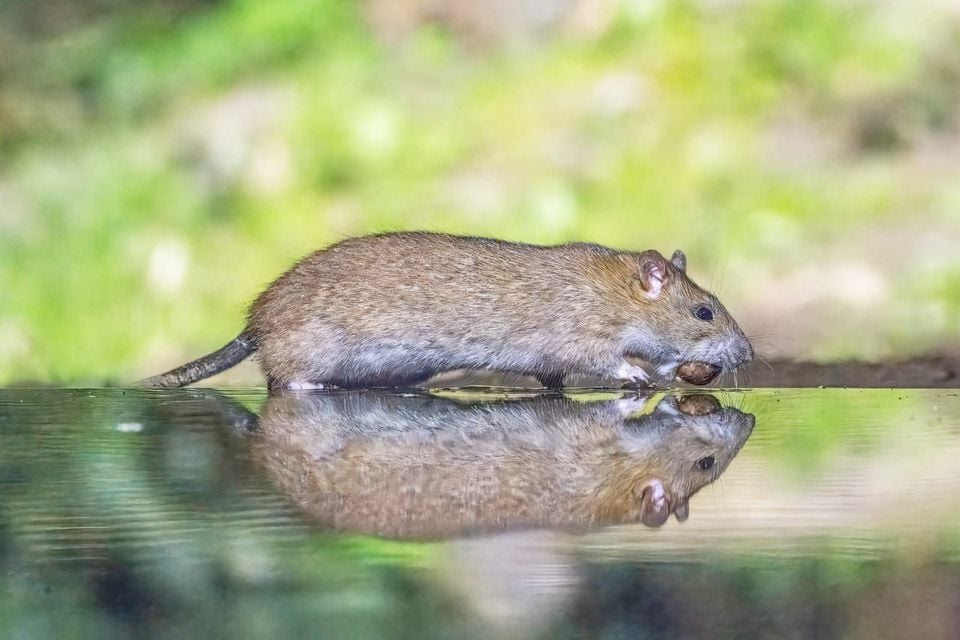

Occurrence data from iNaturalist and GBIF.

More mammals in Wisconsin in the atlas

Data & sources

The data and visualizations on this page draw on these open sources:

  • GBIFCC-BY 4.0occurrence records behind the range map, elevation, and record counts
  • iNaturalistCC0 / CC-BY / CC-BY-SAobservations, photos, and audio recordings
  • NatureServe ExplorerCC-BYthe state conservation rank
  • IUCN Red Listattributed factthe global conservation status
  • USGS NASpublic domainnative / introduced status
  • Natural Earthpublic domainthe relief basemap
  • USFSpublic domainnational-forest boundaries




