
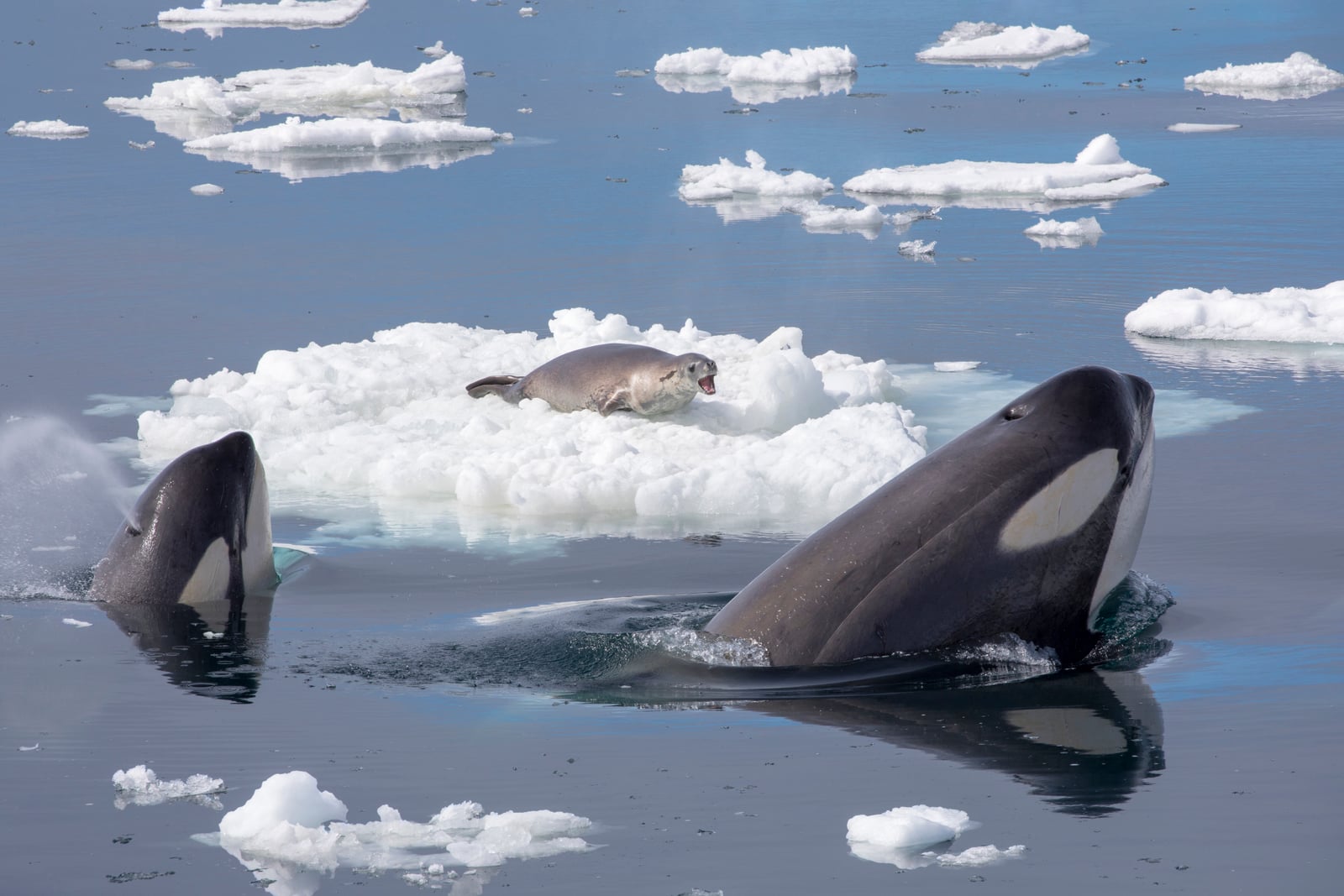
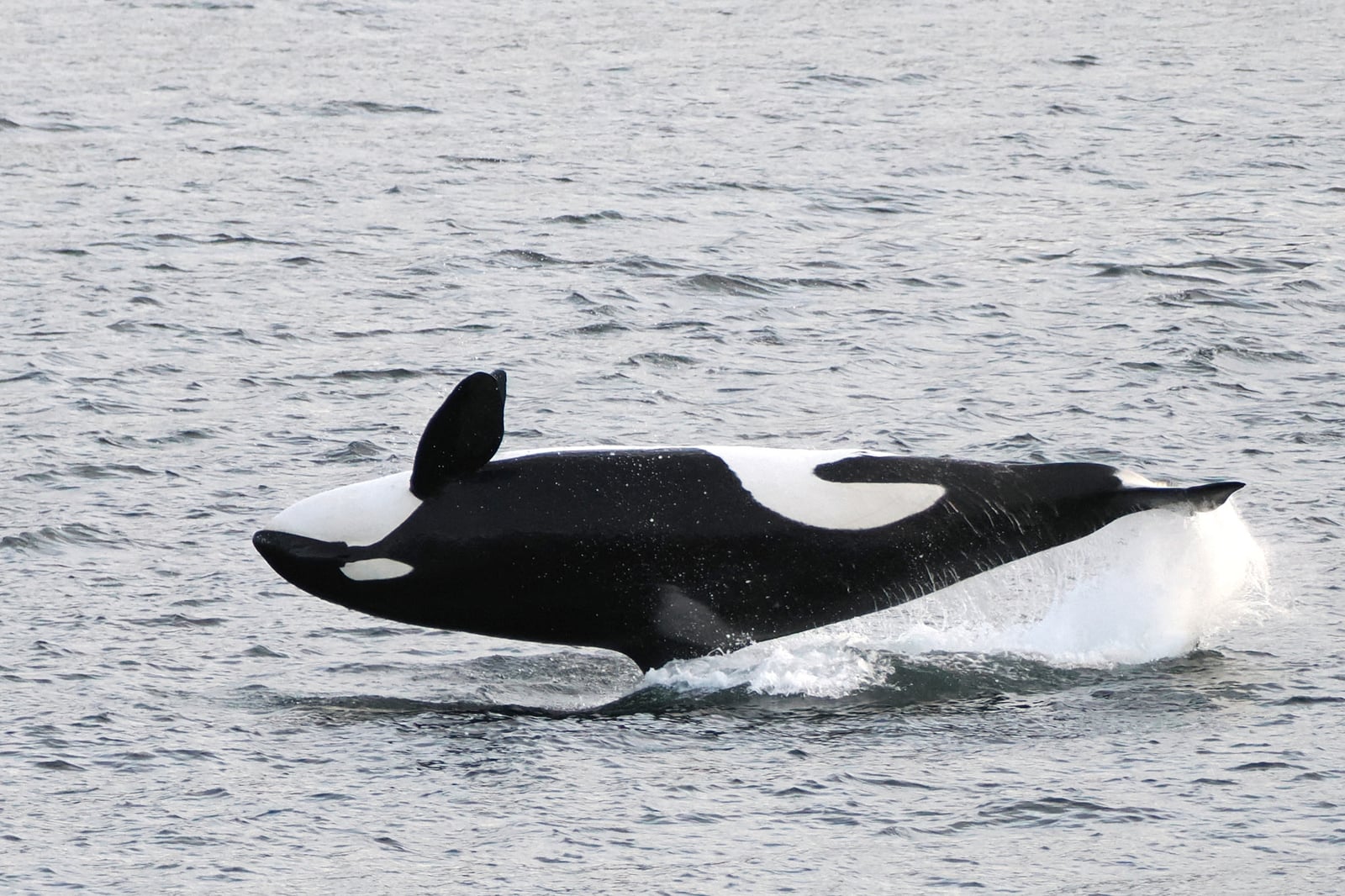
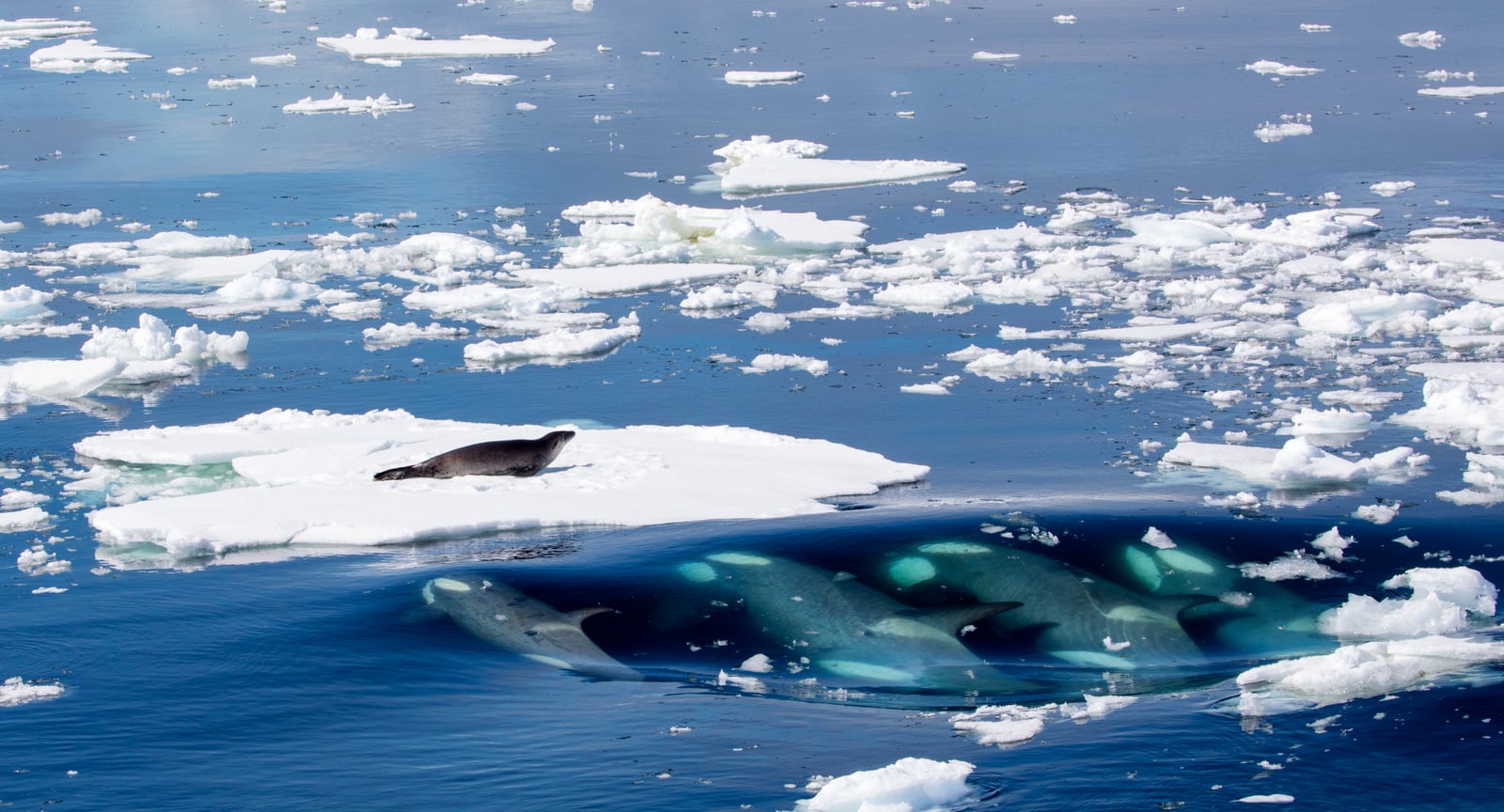
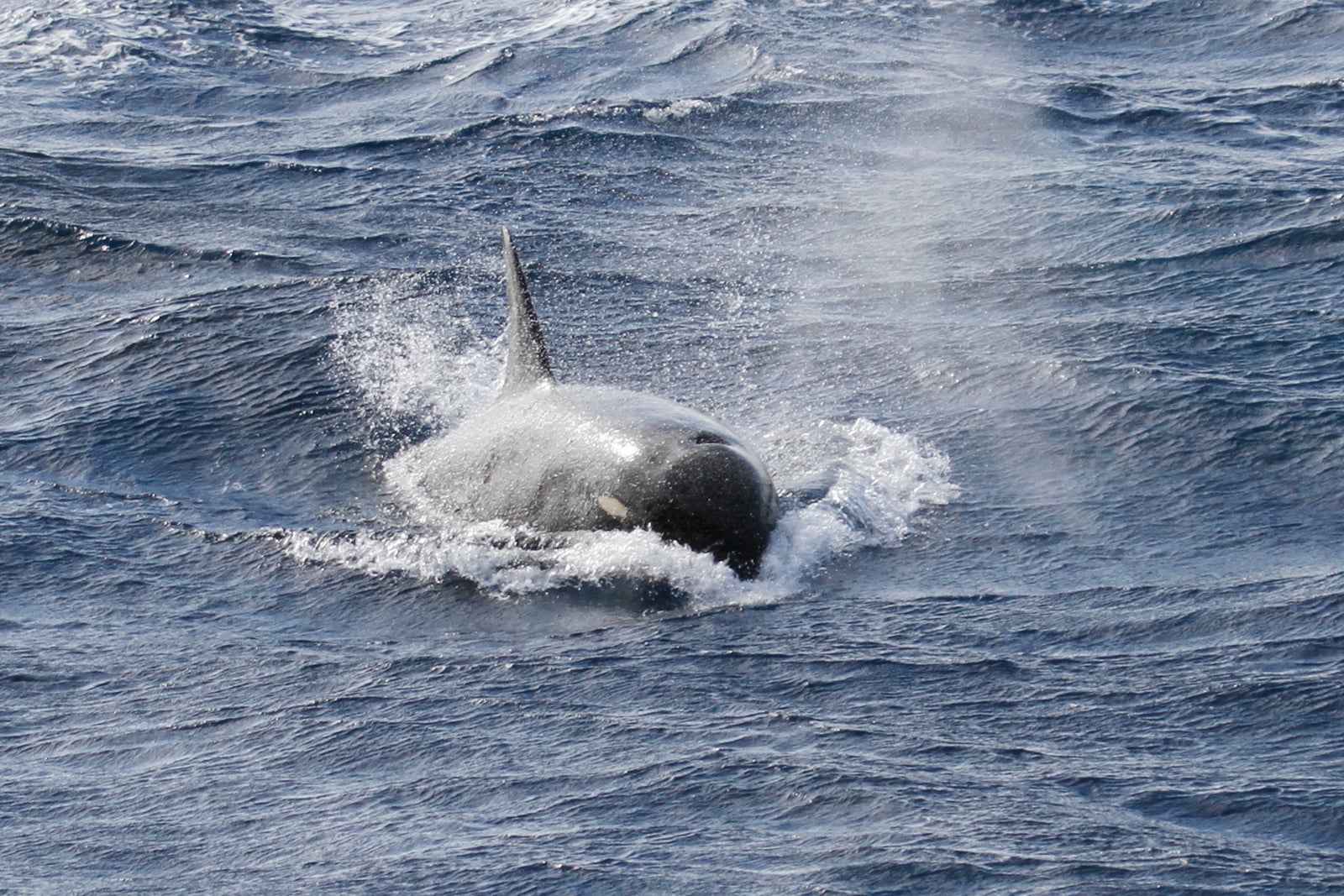
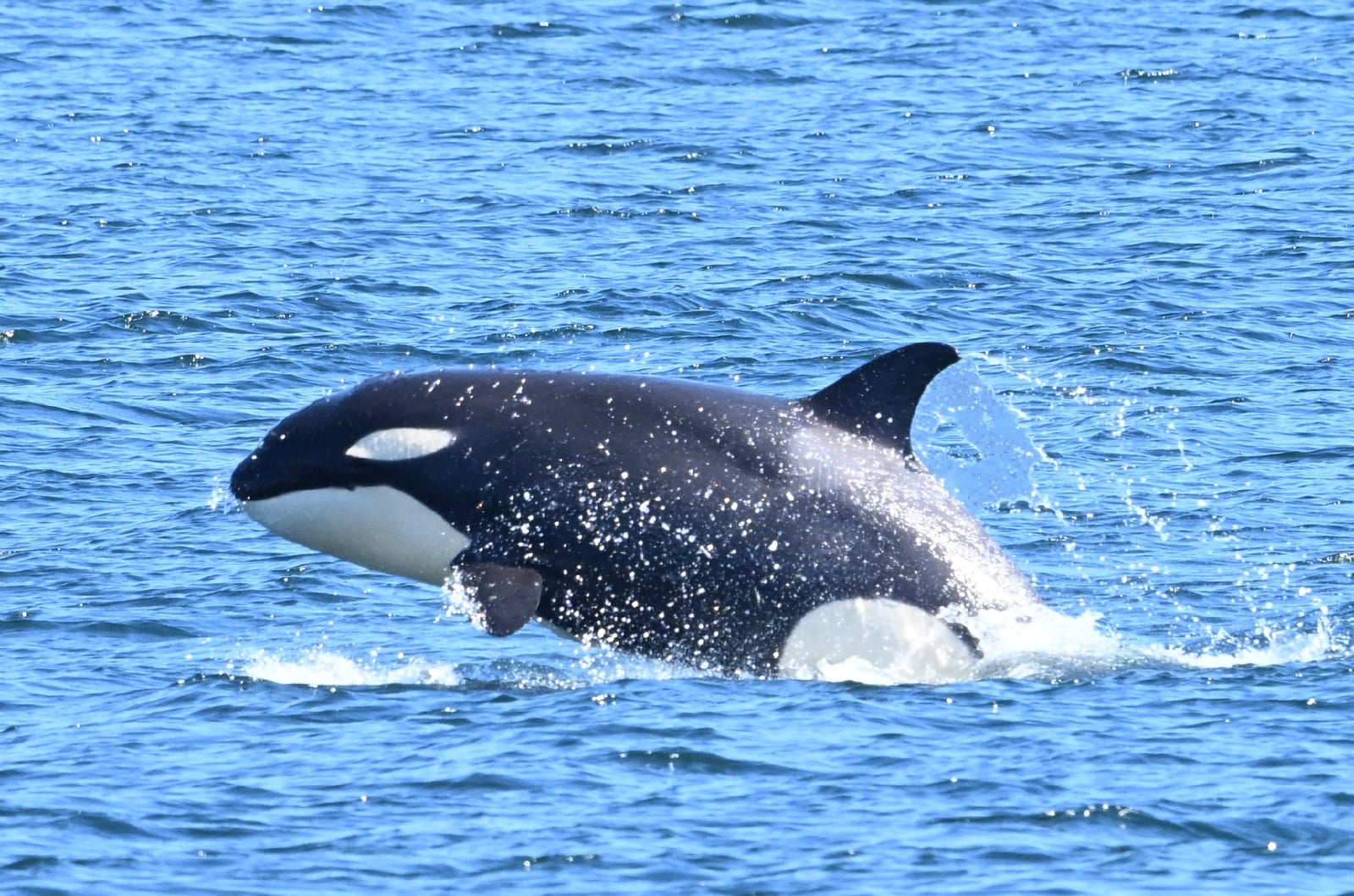
Alaska records for orcas concentrate in three of the state’s most productive marine gateways: Glacier Bay National Park and Preserve, Prince William Sound, and Kenai Fjords National Park. All three are deep, food-rich fjord systems along the Gulf of Alaska and the Inside Passage, where salmon runs, herring, and marine mammals draw both hunting orcas and the boat traffic that reports them.
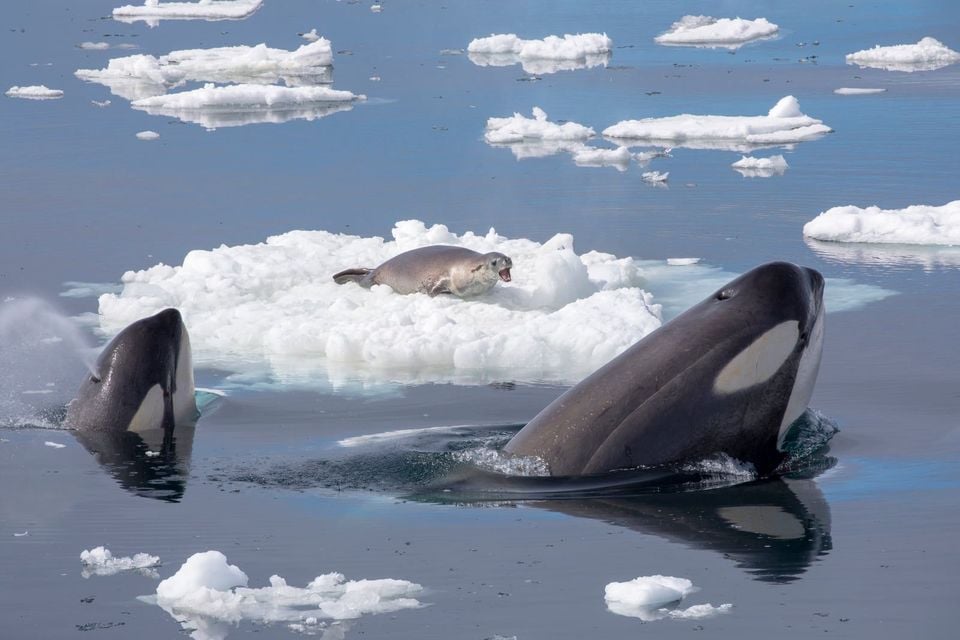
Southeast and Southcentral Alaska hold both the state’s fish-eating resident pods and the mammal-hunting Bigg’s orcas that specialize in seals and porpoises, and the two rarely mix or share prey habits even when they cross paths in the same waters. Prince William Sound is also home to one of the best-documented orca losses in US waters: its small AT1 group of mammal-eating orcas was hit hard by the 1989 Exxon Valdez oil spill and has never recovered its numbers.
Records climb sharply from May through August, tracking the same salmon and herring runs that pull orcas into these fjords each summer, and fall off through the darker months when whales range farther offshore and fewer boats are out watching for them.
 Full species profile




