California mammals

Orca in California

Orcinus orca

Native to California SNR Unranked in California

Not listed as nonindigenous in California by USGS NAS; native to its California range.

IUCN Red List status

DD – Data Deficient

Not enough information to assess extinction risk.

Orca in California, by the numbers

Common in California 76th most recorded of 233 mammals logged in California

613 occurrence records
606 with iNaturalist photos

Records from 2000–2026.

613 total records count every California occurrence from GBIF and iNaturalist; the map plots a georeferenced sample of 300; the monthly chart covers the 601 records with a full observation date.

When to look for the Orca in California

Most sightings fall in September to October.

601 California occurrence records (iNaturalist and GBIF) by month of year, 2000–2026. Shows when the species is recorded, not a guarantee of presence.

Monthly California records (table)
MonthRecords
January23
February6
March50
April82
May69
June42
July16
August40
September74
October119
November24
December56

Monthly orca occurrence records (iNaturalist and GBIF) in California, 2000–2026.

Seasonality

Year-round in California, with recorded sightings peaking in September–October, with a smaller rise in April.

Occurrence map

Where Orca has been recorded in California

300 records mapped · zoom and drag to explore

300 California records mapped

Notable places to look

Park, forest, or monumentiNaturalist records
Channel Islands National Park 5
Phillip Burton Wilderness Area 2
Garrapata State Park 1
Golden Gate National Recreation Area 1
Torrey Pines State Reserve 1

Protected places with the most orca sightings, from the USGS Protected Areas Database plus named mountain ranges, good spots to look, not a full breakdown, so they don't sum to the total.

Where it's recorded in California

CountyRecords
Humboldt County 17
San Francisco County 5
Monterey County 4
Los Angeles County 3
Santa Cruz County 3
Santa Barbara County 2
San Diego County 2
Orange County 2
Del Norte County 1
Ventura County 1
San Mateo County 1
Marin County 1
Mendocino County 1
Other localities 570

The complete county distribution, spread across 13 California counties. Every occurrence record falls in one county, so these sum to the total. Counties from GBIF and US Census boundaries.

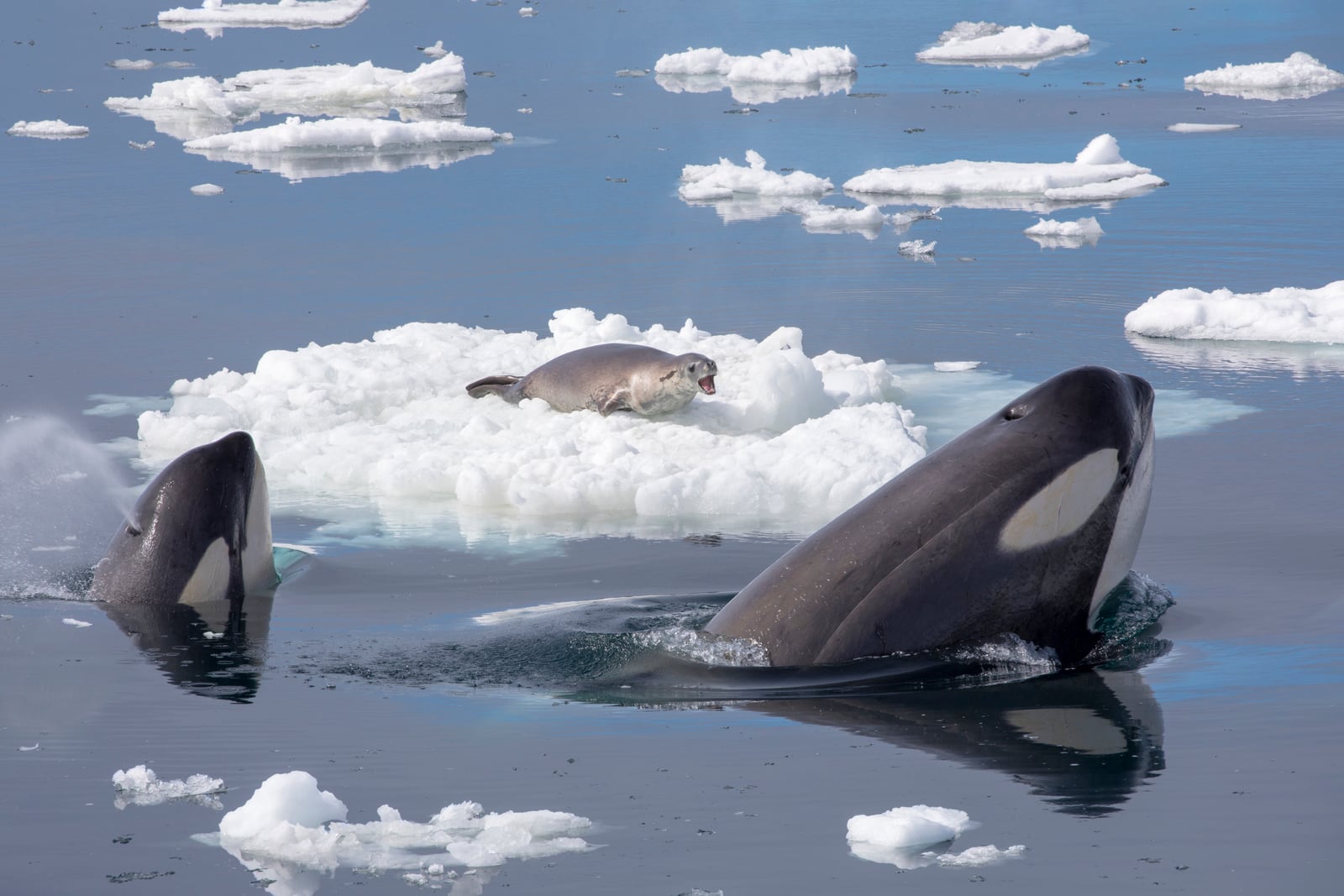
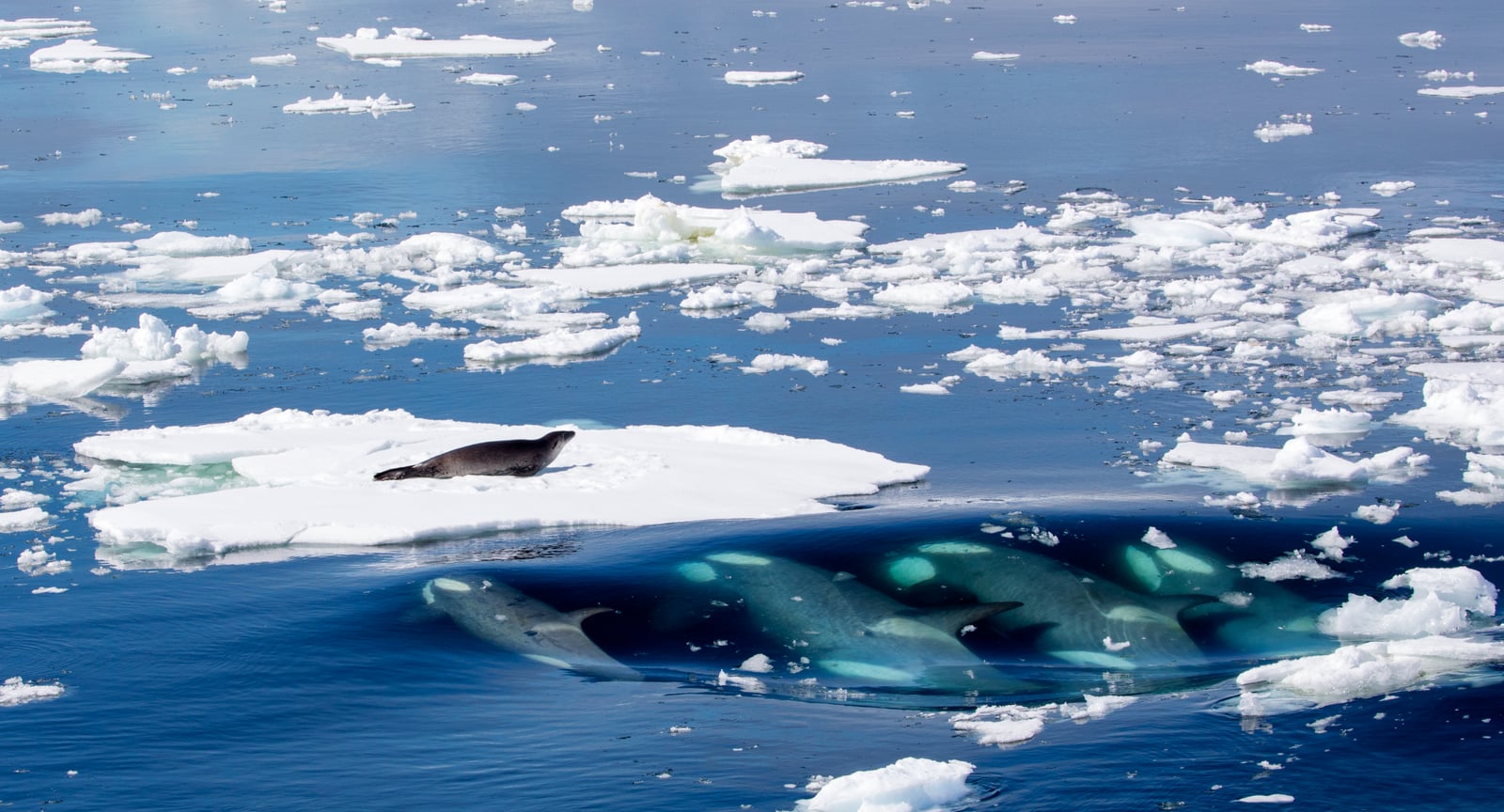
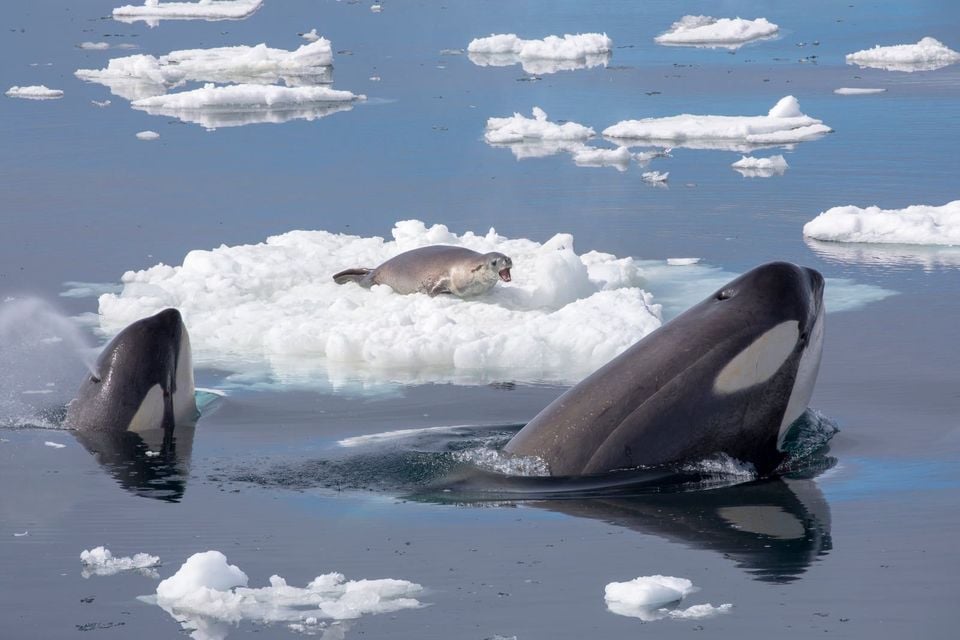
Orcas off California turn up in two seasonal pulses rather than one long summer. Reports build through March to an April high of 82 and stay strong in May, the weeks when gray whale mothers and calves travel north past the coast and mammal-hunting orcas often shadow them. October is busier still, with 119, the single biggest month. Calm fall seas and late-season boat trips can put extra eyes on the water then, so that peak likely mixes whale movements with human ones. February and July are the quietest months.

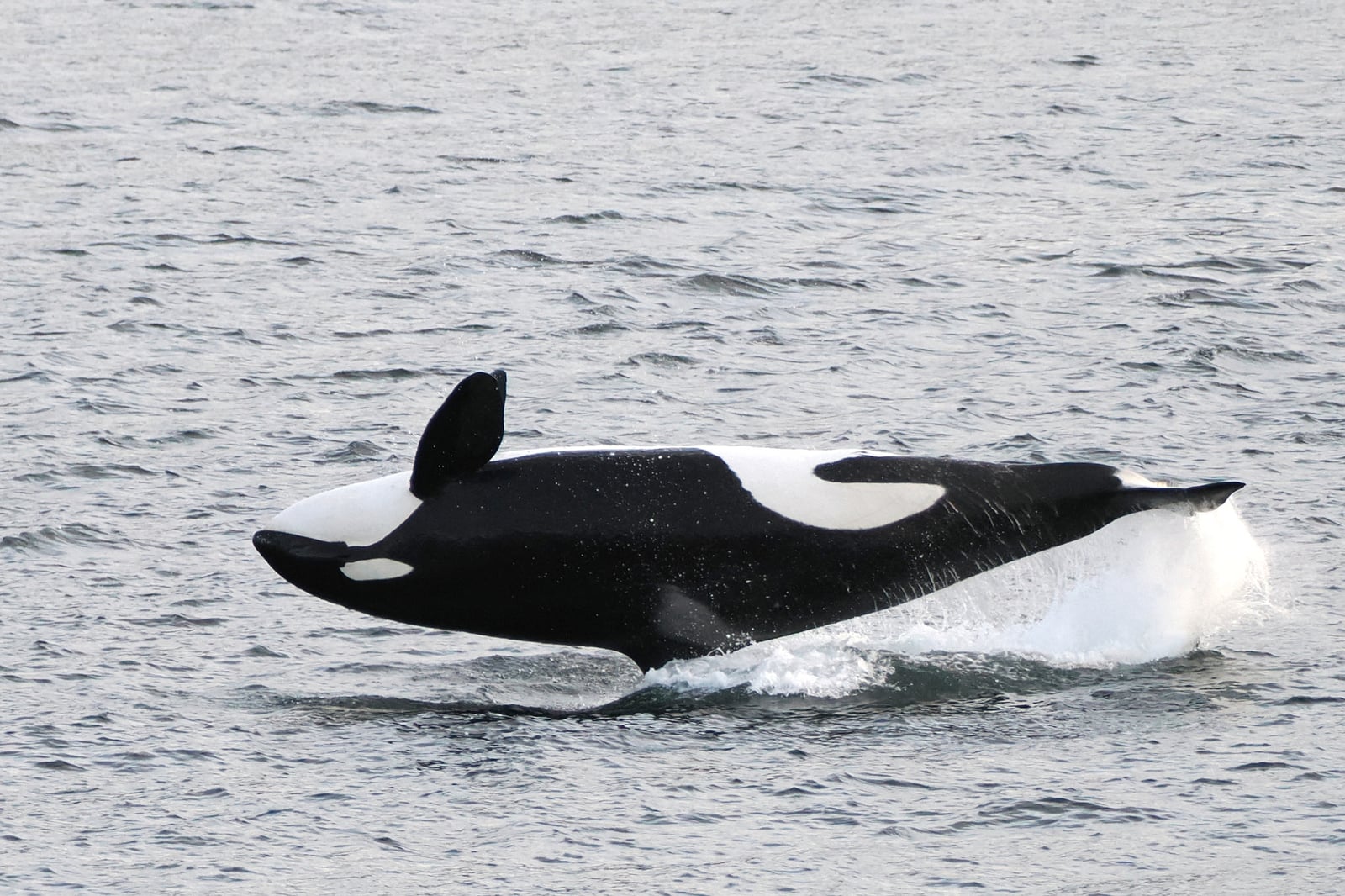
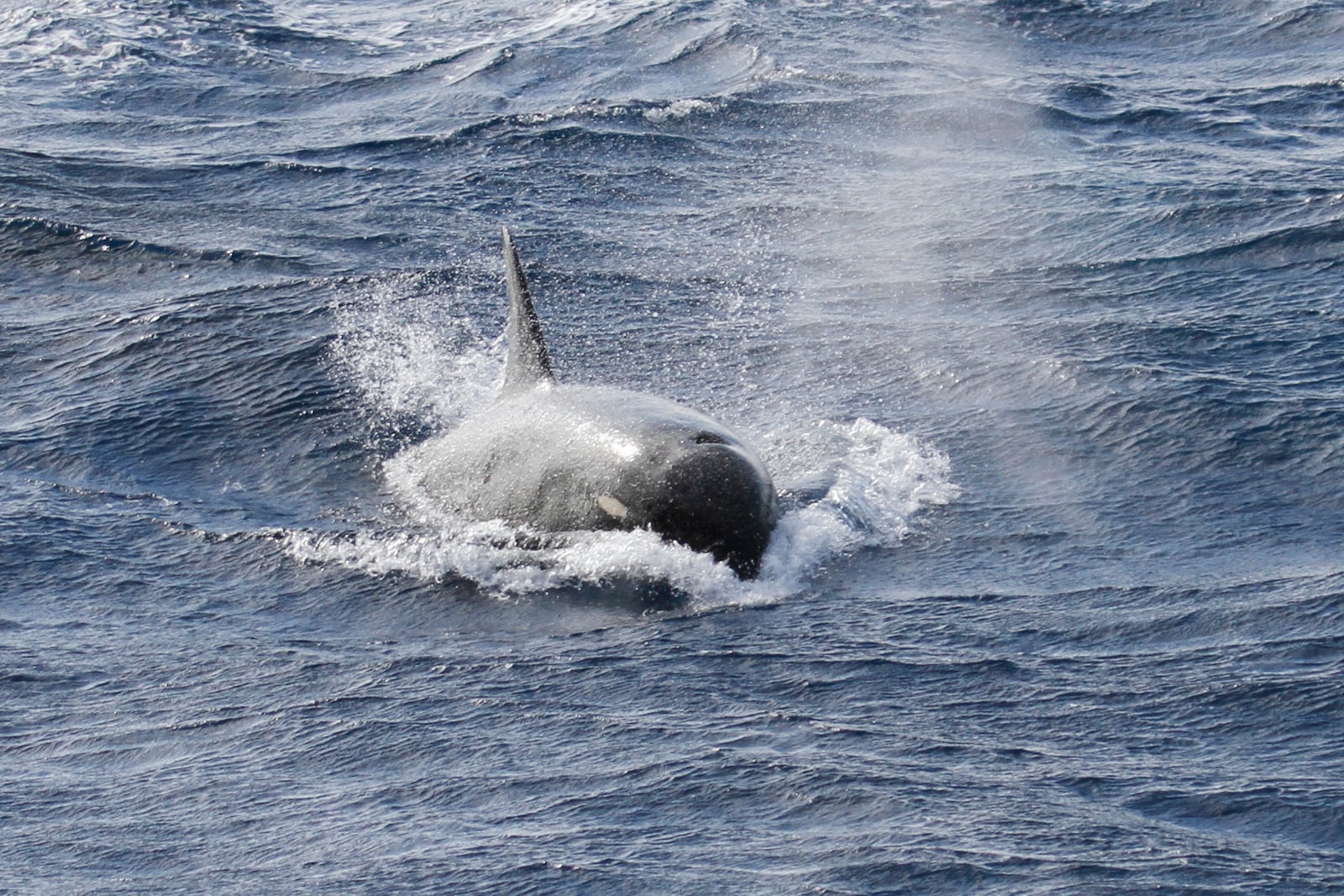
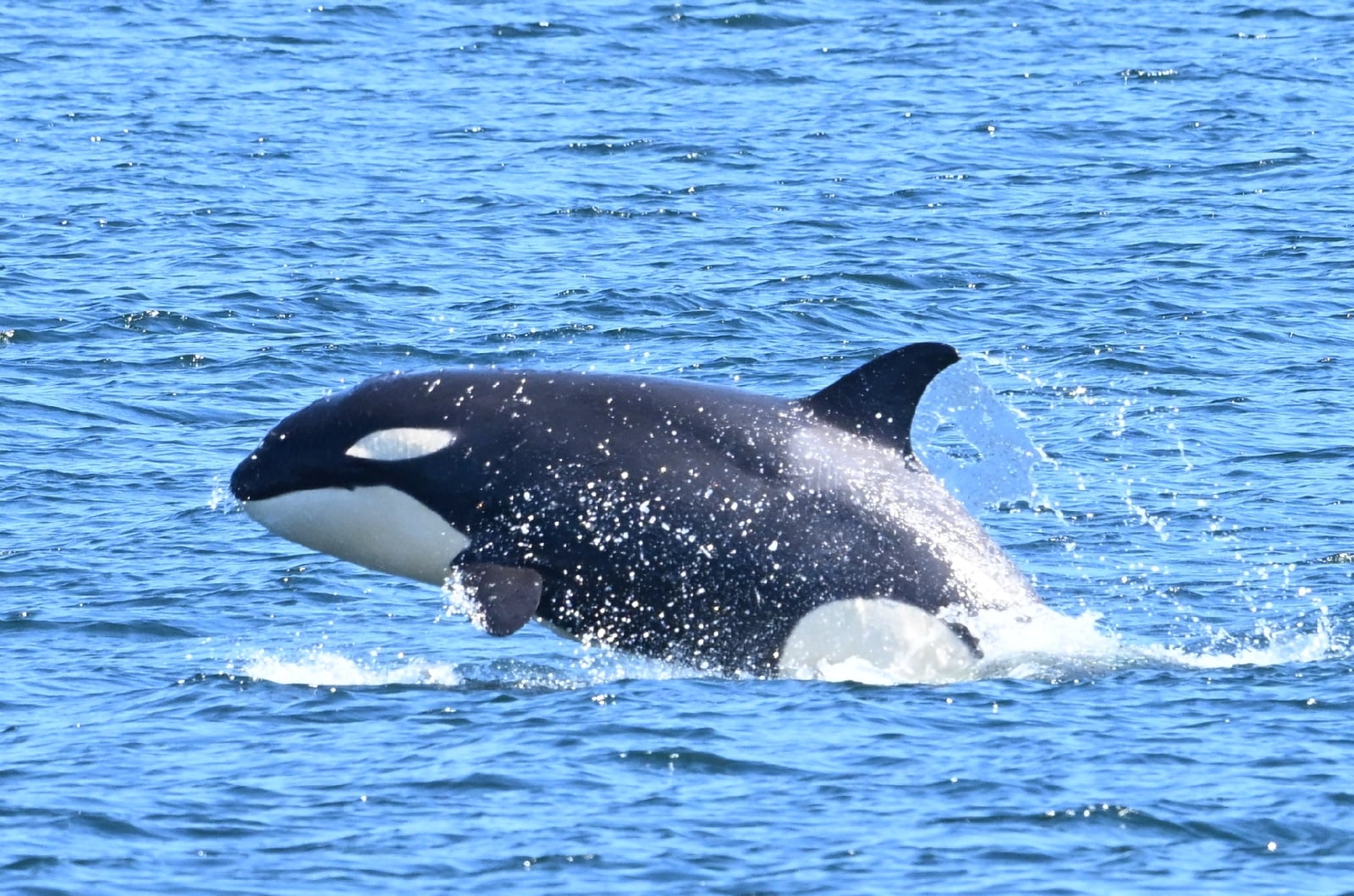
Nearly every one of the state’s 613 records is backed by a photo, with 606 coming from iNaturalist. A tall black dorsal fin and pale saddle patch make a killer whale easy to confirm from a picture, even one taken at a distance from a rocking deck.

From Humboldt to the Channel Islands

Most records sit offshore, but among those that land in a county, Humboldt leads with 17. That’s a strong showing for the far north coast, where high headlands give shore watchers a long view over open water. San Francisco has 5, Monterey 4, and Los Angeles and Santa Cruz 3 each. Channel Islands National Park is the most often named place, and the Phillip Burton Wilderness on the Point Reyes coast adds 2.

Native to California’s waters, the orca carries no NatureServe state rank, and the IUCN lists the species as Data Deficient worldwide.
Occurrence data from iNaturalist and GBIF.

Orca in other states

More mammals in California in the atlas

Data & sources

The data and visualizations on this page draw on these open sources:

  • GBIFCC-BY 4.0occurrence records behind the range map, elevation, and record counts
  • iNaturalistCC0 / CC-BY / CC-BY-SAobservations, photos, and audio recordings
  • NatureServe ExplorerCC-BYthe state conservation rank
  • IUCN Red Listattributed factthe global conservation status
  • USGS NASpublic domainnative / introduced status
  • Natural Earthpublic domainthe relief basemap
  • USFSpublic domainnational-forest boundaries
  • USGS Protected Areas Databasepublic domainthe named parks, forests, and refuges behind "notable places to look"




