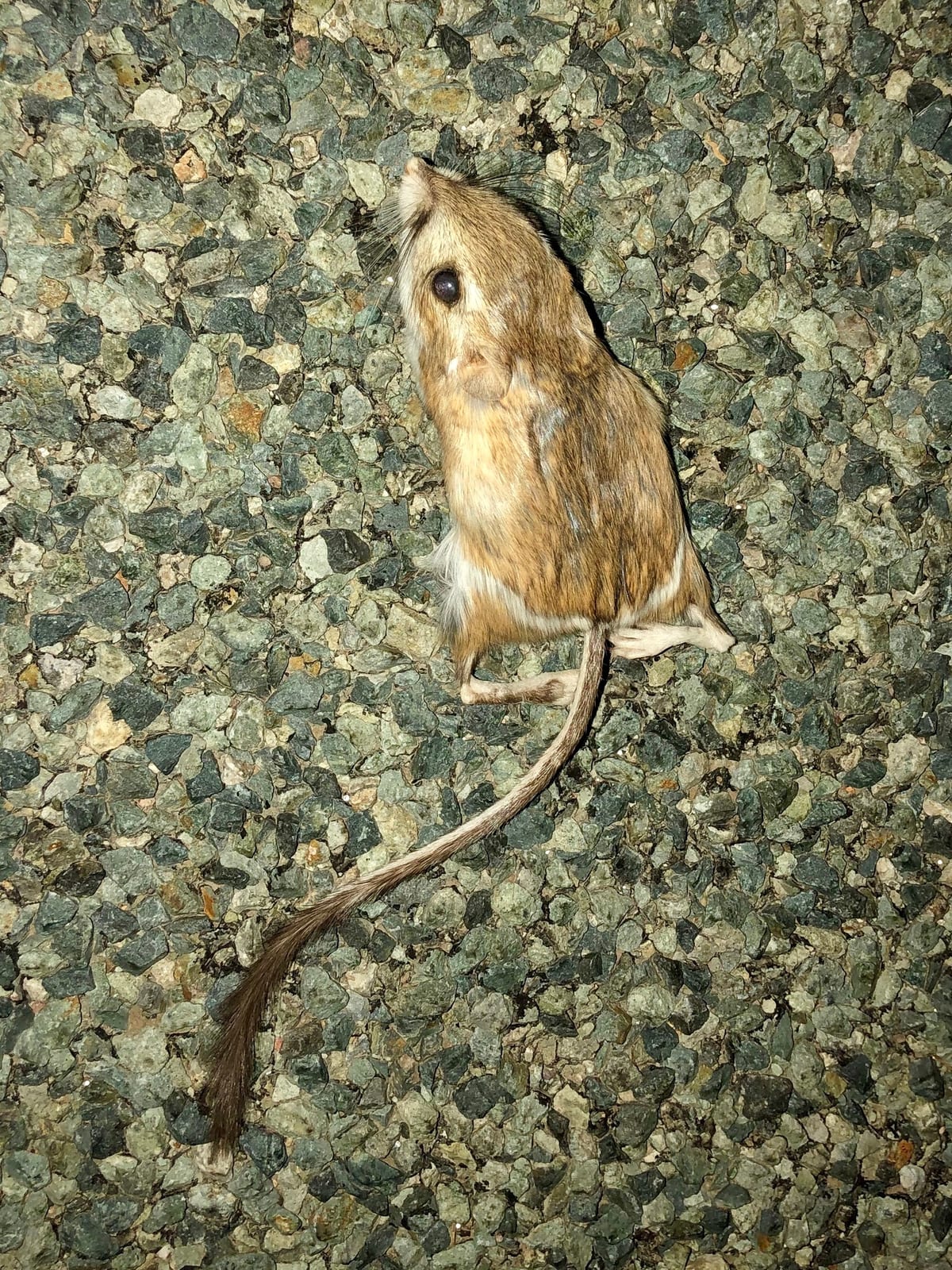
Oregon mammals

Ord's Kangaroo Rat in Oregon

Dipodomys ordii

Native to Oregon S4 Apparently Secure in Oregon

Not listed as nonindigenous in Oregon by USGS NAS; native to its Oregon range.

IUCN Red List status

  1. LC
  2. NT
  3. VU
  4. EN
  5. CR
  6. EW
  7. EX

LC – Least Concern

Widespread and abundant; not at risk.

Ord's Kangaroo Rat in Oregon, by the numbers

Occasional in Oregon 84th most recorded of 178 mammals logged in Oregon

56 occurrence records
50 with iNaturalist photos
May 10, 2026 Last seen in Oregon

Records from 2000–2026.

56 total records count every Oregon occurrence from GBIF and iNaturalist; the map plots a georeferenced sample of 53; the monthly chart covers the 53 records with a full observation date.

When to look for the Ord's Kangaroo Rat in Oregon

Most sightings fall in July.

53 Oregon occurrence records (iNaturalist and GBIF) by month of year, 2000–2026. Shows when the species is recorded, not a guarantee of presence.

Monthly Oregon records (table)
MonthRecords
January1
February0
March2
April4
May7
June7
July18
August1
September6
October5
November2
December0

Monthly ord's kangaroo rat occurrence records (iNaturalist and GBIF) in Oregon, 2000–2026.

Seasonality

Year-round in Oregon, with recorded sightings peaking in July.

Occurrence map

Where Ord's Kangaroo Rat has been recorded in Oregon

53 records mapped · zoom and drag to explore

53 Oregon records mapped

Notable places to look

Park, forest, or monumentiNaturalist records
Oregon Badlands Wilderness Area 1

Protected places with the most ord's kangaroo rat sightings, from the USGS Protected Areas Database plus named mountain ranges, good spots to look, not a full breakdown, so they don't sum to the total.

Where it's recorded in Oregon

CountyRecords
Harney County 17
Deschutes County 11
Lake County 9
Crook County 4
Malheur County 3
Morrow County 3
Baker County 1
Polk County 1
Umatilla County 1
Gilliam County 1
Jefferson County 1
Other localities 4

The complete county distribution, spread across 11 Oregon counties. Every occurrence record falls in one county, so these sum to the total. Counties from GBIF and US Census boundaries.

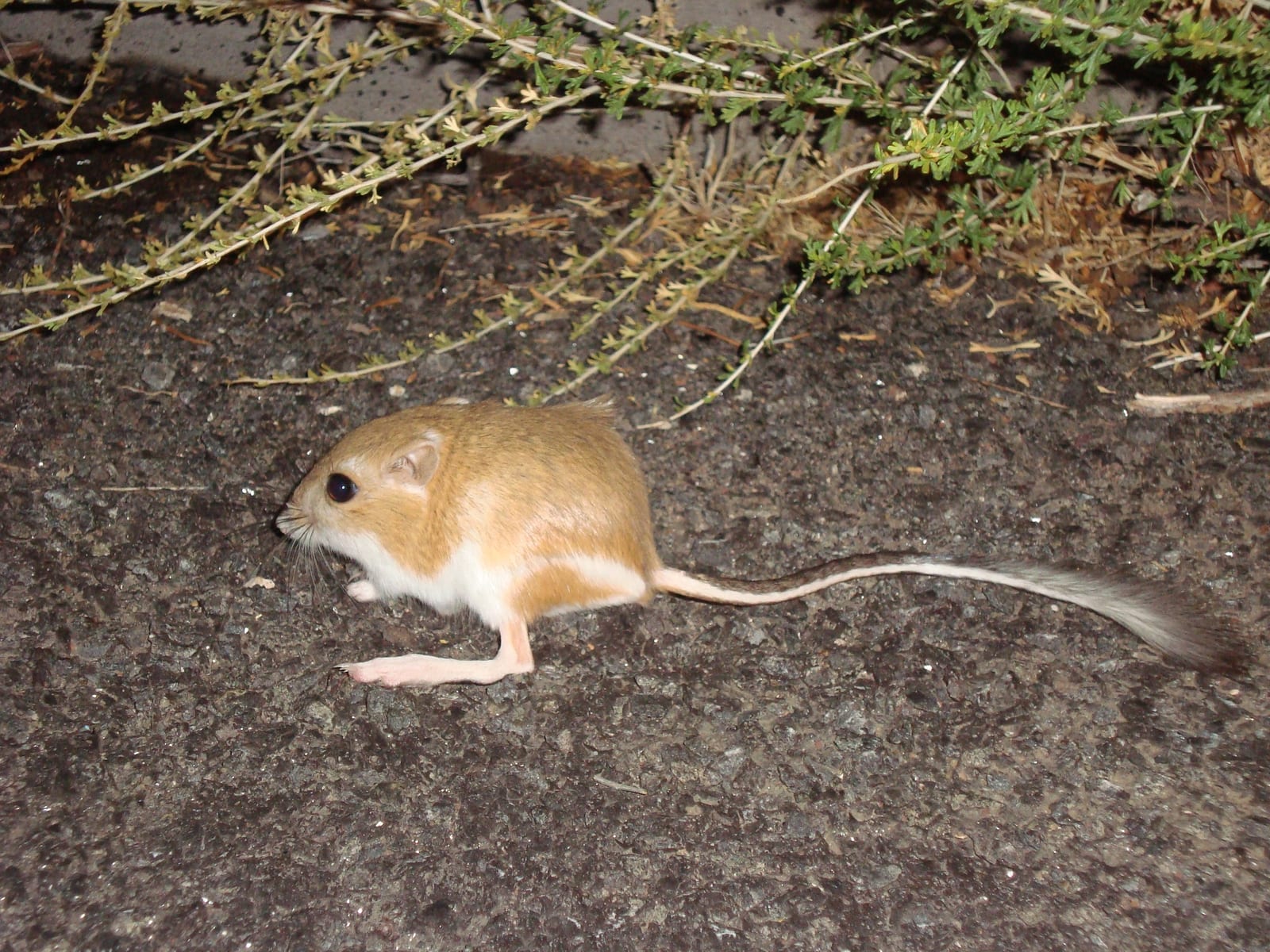
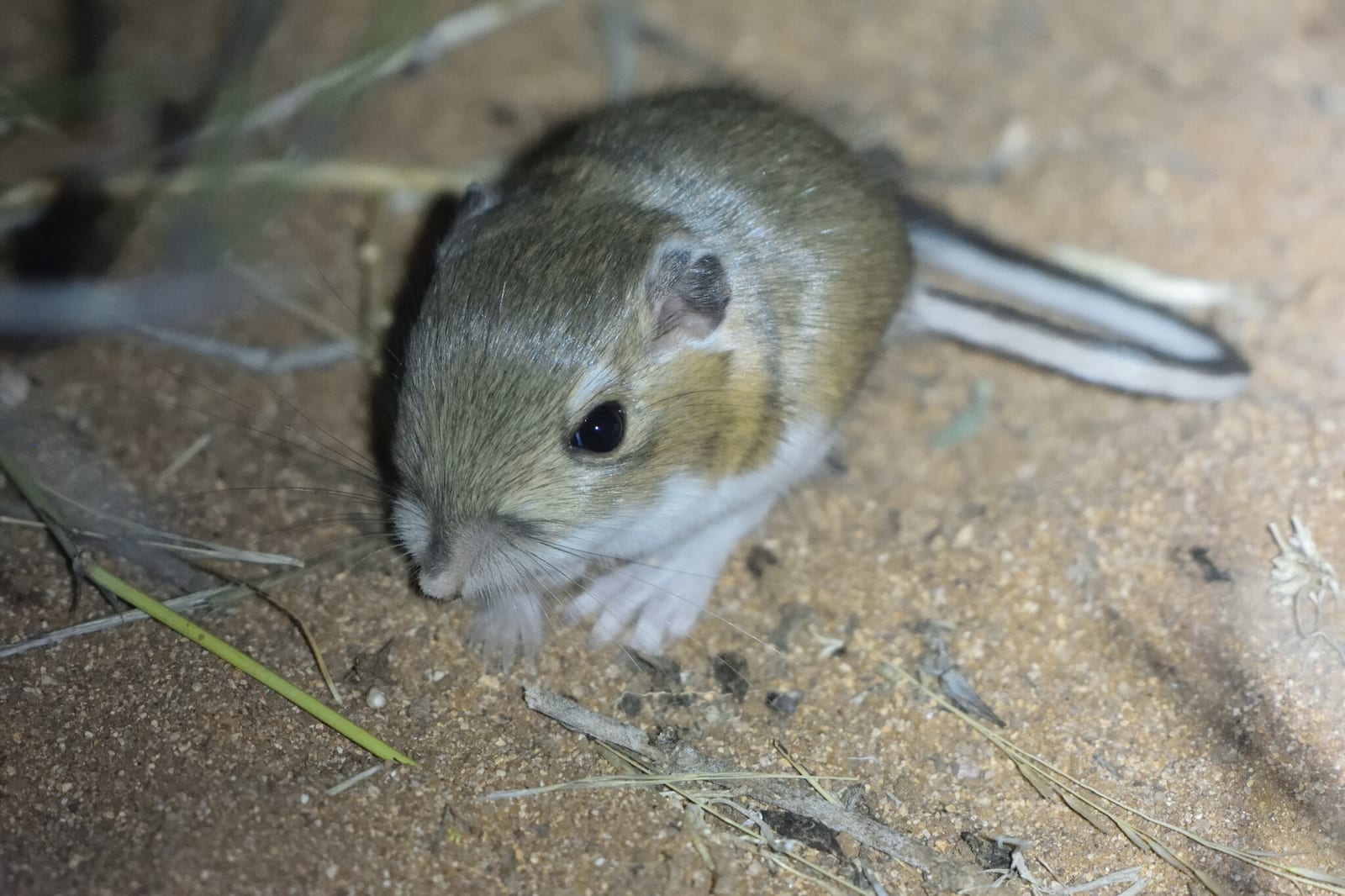
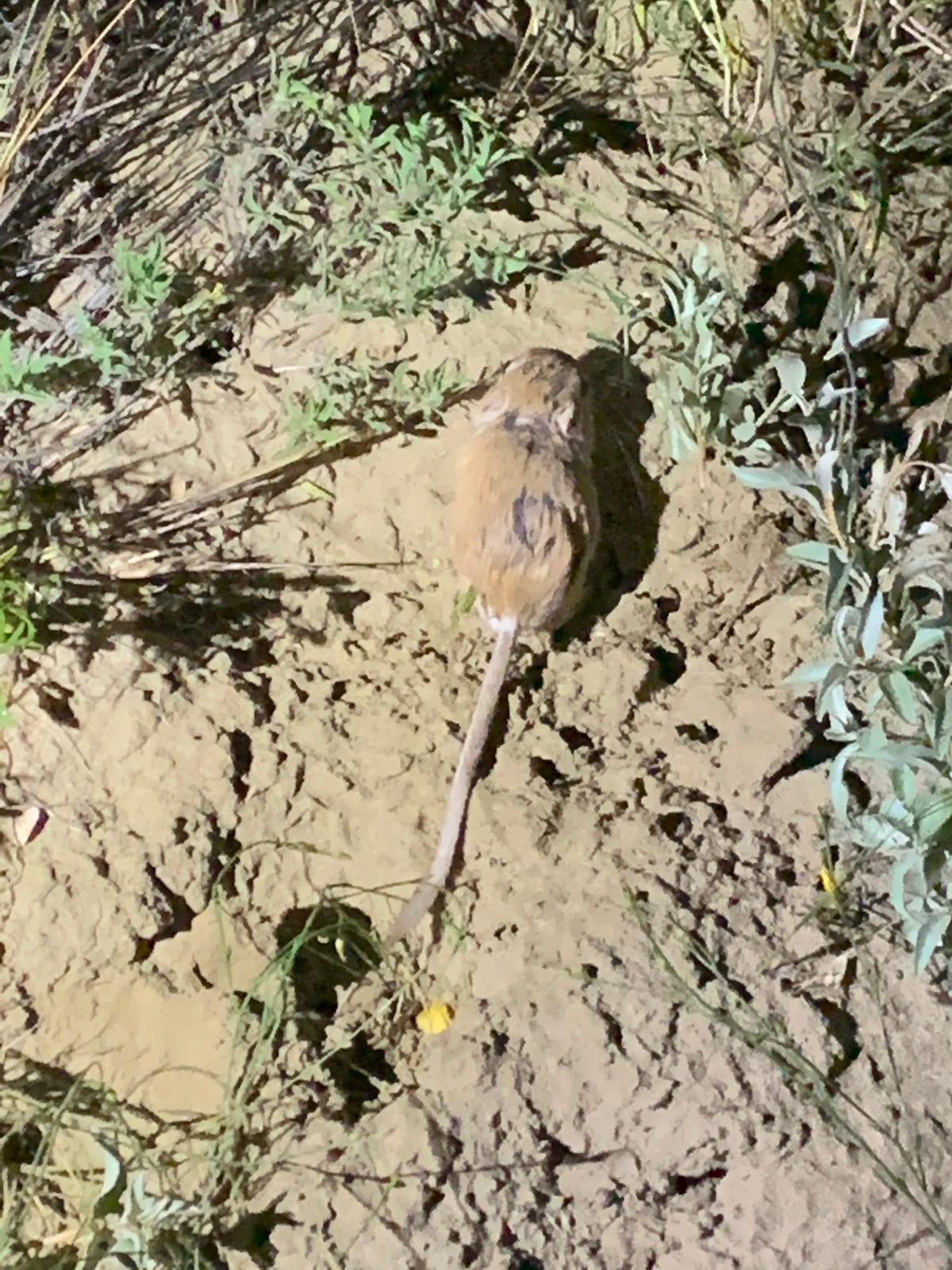
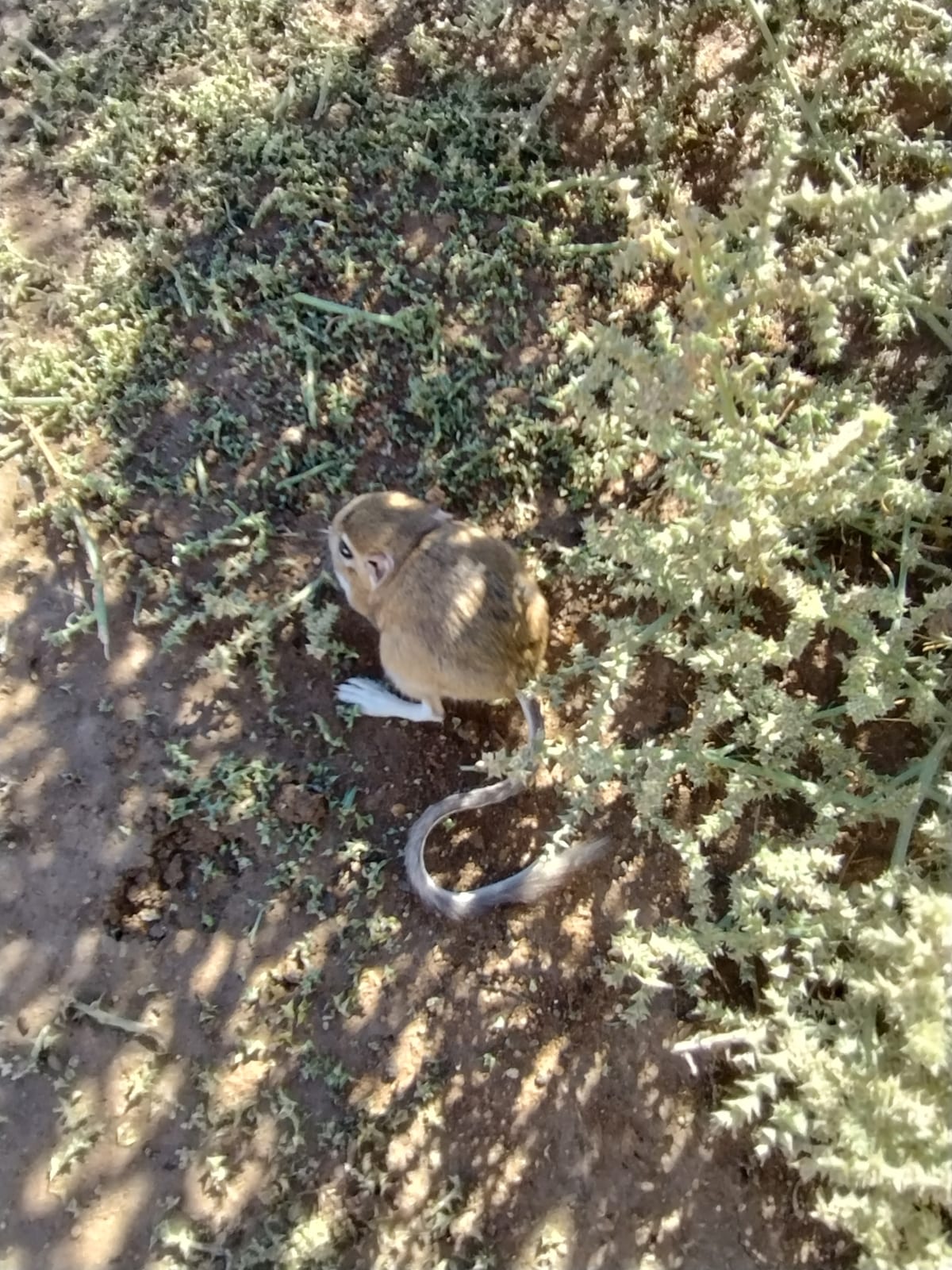
Ord’s kangaroo rats never need to drink water, pulling all the moisture they need from the seeds they eat, which lets them thrive in Oregon’s driest high-desert ground east of the Cascades. They move by hopping on their hind legs like a miniature kangaroo, and their long, tufted tail helps them balance during quick, erratic jumps that make it hard for a predator to predict where they’ll land next.

Records run mostly from April through October and peak sharply in July, a spread that fits a nocturnal, burrow-dwelling rodent active through the warmer months and largely dormant in winter. NatureServe ranks the species S4, apparently secure, in Oregon, and 50 of its 56 records are iNaturalist observations, a solid showing for an animal rarely seen above ground by day.
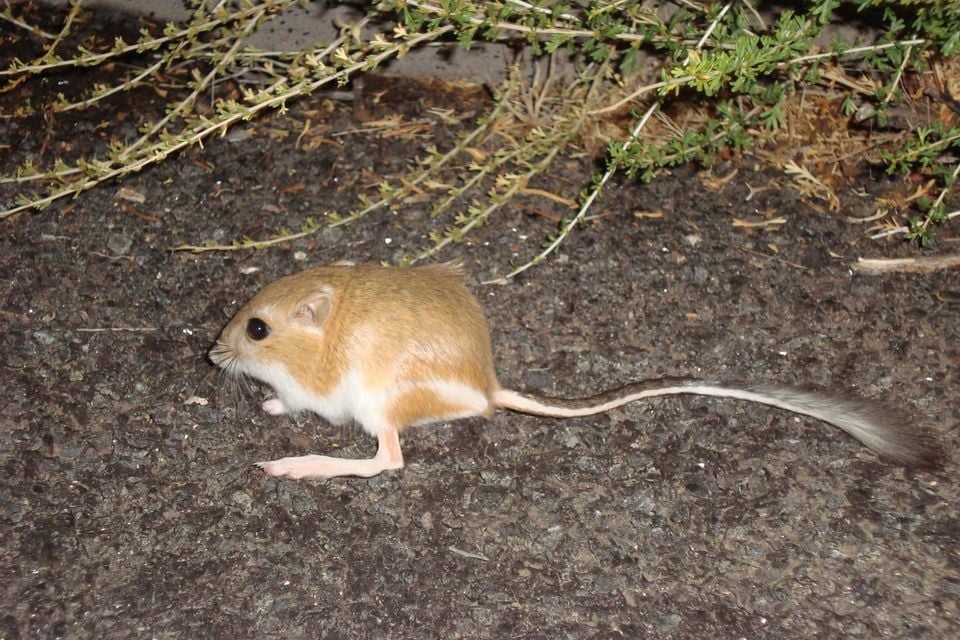

Occurrence data from iNaturalist and GBIF.

More mammals in Oregon in the atlas

Data & sources

The data and visualizations on this page draw on these open sources:

  • GBIFCC-BY 4.0occurrence records behind the range map, elevation, and record counts
  • iNaturalistCC0 / CC-BY / CC-BY-SAobservations, photos, and audio recordings
  • NatureServe ExplorerCC-BYthe state conservation rank
  • IUCN Red Listattributed factthe global conservation status
  • USGS NASpublic domainnative / introduced status
  • Natural Earthpublic domainthe relief basemap
  • USFSpublic domainnational-forest boundaries
  • USGS Protected Areas Databasepublic domainthe named parks, forests, and refuges behind "notable places to look"




