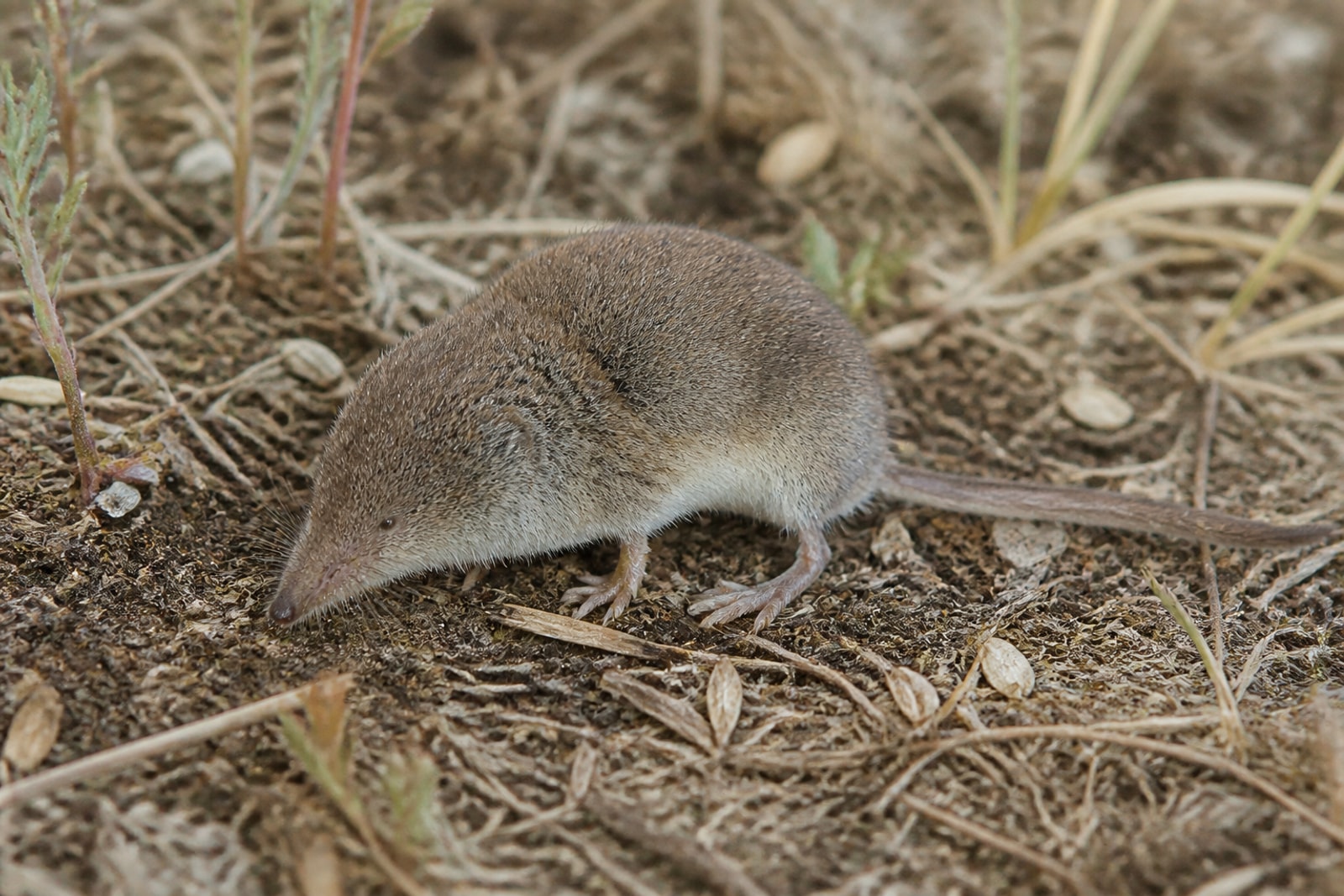
North Dakota mammals

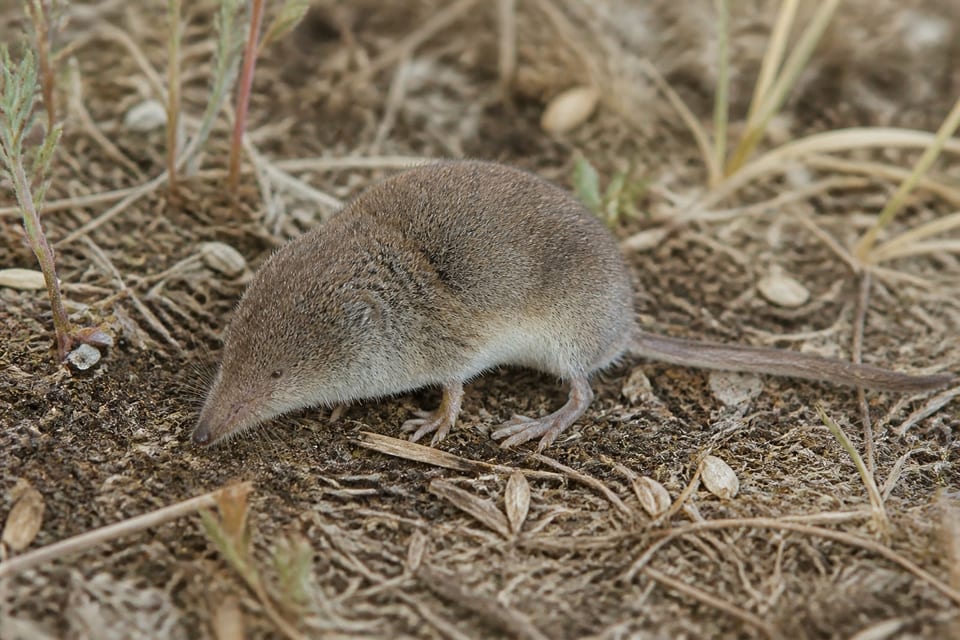
Prairie Shrew in North Dakota

Sorex haydeni

Native to North Dakota SNR Unranked in North Dakota

Not listed as nonindigenous in North Dakota by USGS NAS; native to its North Dakota range.

IUCN Red List status

  1. LC
  2. NT
  3. VU
  4. EN
  5. CR
  6. EW
  7. EX

LC – Least Concern

Widespread and abundant; not at risk.

Prairie Shrew in North Dakota, by the numbers

Occasional in North Dakota 32nd most recorded of 92 mammals logged in North Dakota

48 occurrence records

Records from 2000–2026.

When to look for the Prairie Shrew in North Dakota

Most sightings fall in July to August.

48 North Dakota occurrence records (iNaturalist and GBIF) by month of year, 2000–2026. Shows when the species is recorded, not a guarantee of presence.

Monthly North Dakota records (table)
MonthRecords
January0
February0
March0
April0
May0
June1
July14
August15
September5
October13
November0
December0

Monthly prairie shrew occurrence records (iNaturalist and GBIF) in North Dakota, 2000–2026.

Seasonality

Year-round in North Dakota, with recorded sightings peaking in July–August, with a smaller rise in October.

Occurrence map

Where Prairie Shrew has been recorded in North Dakota

48 records mapped · zoom and drag to explore

48 North Dakota records mapped

Notable places to look

Park, forest, or monumentiNaturalist records
Fort Union Trading Post National Historic Site 6

Protected places with the most prairie shrew sightings, from the USGS Protected Areas Database plus named mountain ranges, good spots to look, not a full breakdown, so they don't sum to the total.

Where it's recorded in North Dakota

CountyRecords
Stutsman County 29
Ransom County 8
Williams County 8
Bottineau County 2
Morton County 1

The complete county distribution, spread across 5 North Dakota counties. Every occurrence record falls in one county, so these sum to the total. Counties from GBIF and US Census boundaries.

North Dakota holds one of the stronger prairie shrew records in the upper Midwest. There are 48 reports, all from GBIF, led by Stutsman County with 29, then Ransom and Williams with 8 each. That spread runs from the drift prairie and pothole country of the east out to the Missouri River near the Montana line, where Fort Union Trading Post National Historic Site accounts for 6. It fits a grassland shrew at home wherever meadow cover holds moisture. By raw record count it sits in the upper tier of the state’s documented mammals. That standing reflects survey effort as much as abundance.

The calendar has a quirk. July and August produced the most dated records, 14 and 15, but October nearly matched them with 13 after a dip to 5 in September. Shrews get easier to trap as vegetation dies back in fall. That October rebound suggests autumn survey work has carried part of the documentation. NatureServe hasn’t assigned the species a state rank. North Dakota’s shrew story is written mostly by these scattered specimens, concentrated in Stutsman County and thin almost everywhere else.
Occurrence data from GBIF.

Prairie Shrew in other states

More mammals in North Dakota in the atlas

Data & sources

The data and visualizations on this page draw on these open sources:

  • GBIFCC-BY 4.0occurrence records behind the range map, elevation, and record counts
  • iNaturalistCC0 / CC-BY / CC-BY-SAobservations, photos, and audio recordings
  • NatureServe ExplorerCC-BYthe state conservation rank
  • IUCN Red Listattributed factthe global conservation status
  • USGS NASpublic domainnative / introduced status
  • Natural Earthpublic domainthe relief basemap
  • USFSpublic domainnational-forest boundaries
  • USGS Protected Areas Databasepublic domainthe named parks, forests, and refuges behind "notable places to look"




