
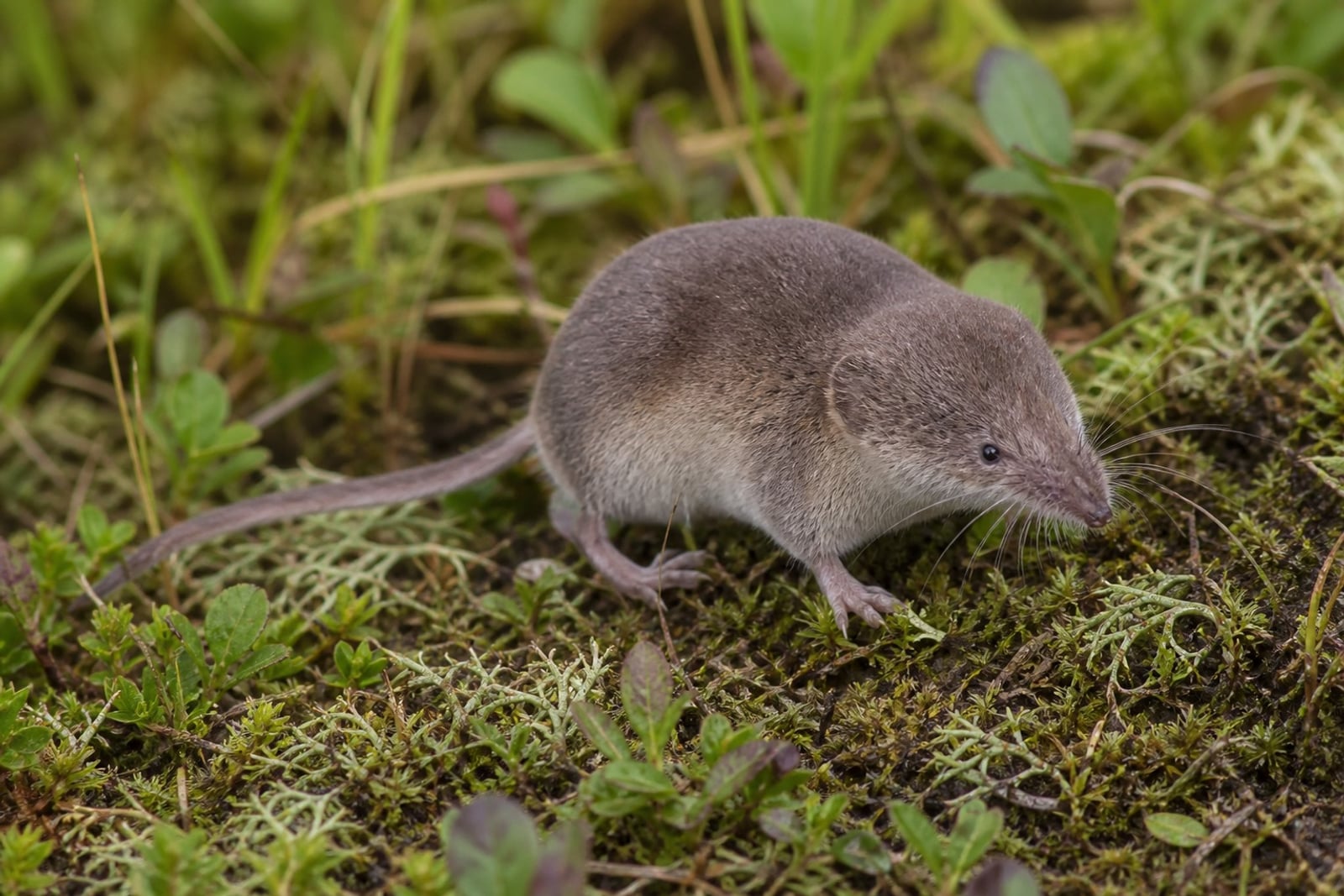
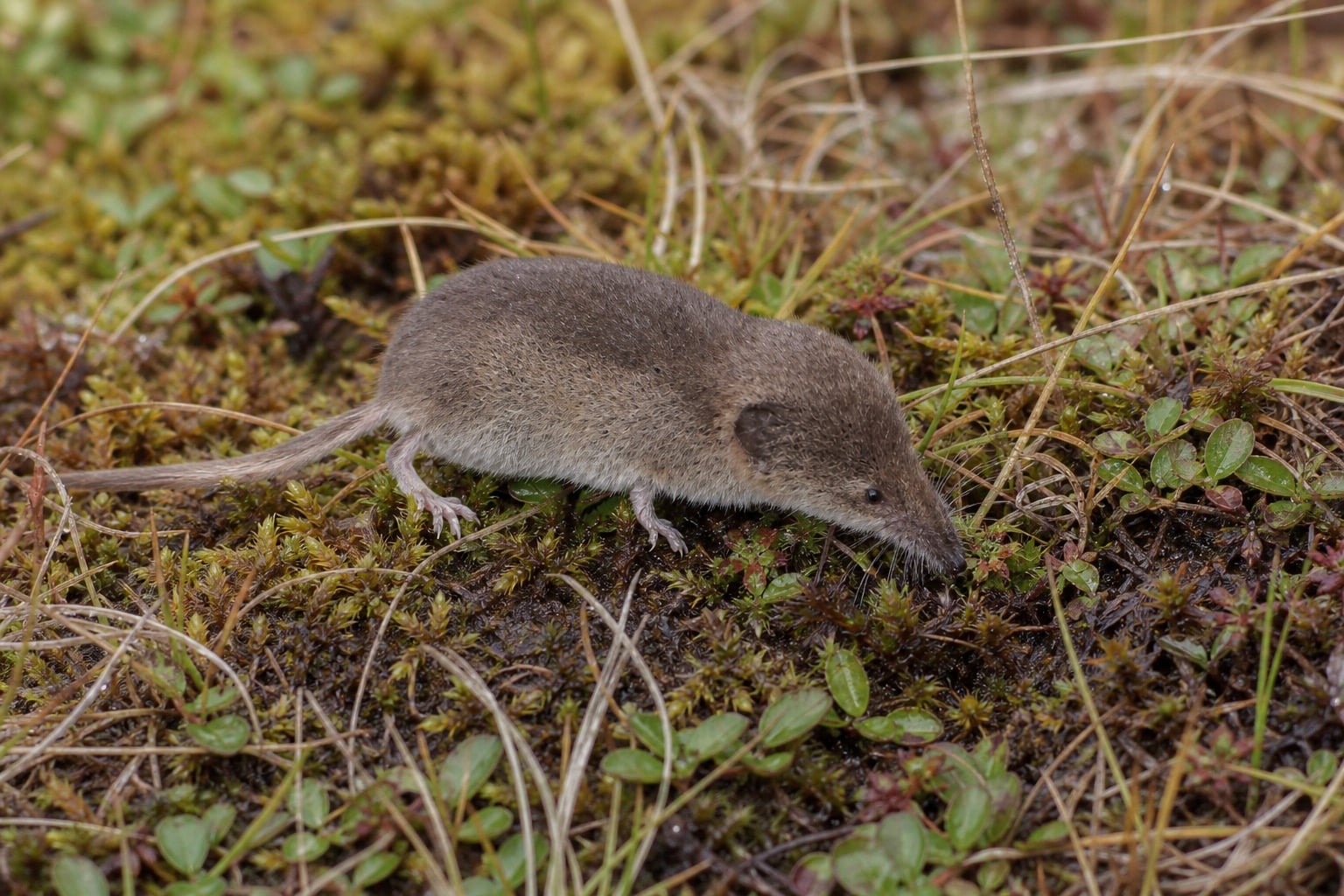
Every documented record of the Pribilof Island shrew comes from exactly where its name says: the Pribilof Islands, a small, remote group far out in the Bering Sea, hundreds of miles from Alaska’s mainland. This is Southwest Alaska’s most isolated corner, and it’s the species’ entire world; there’s no population anywhere else on Earth.
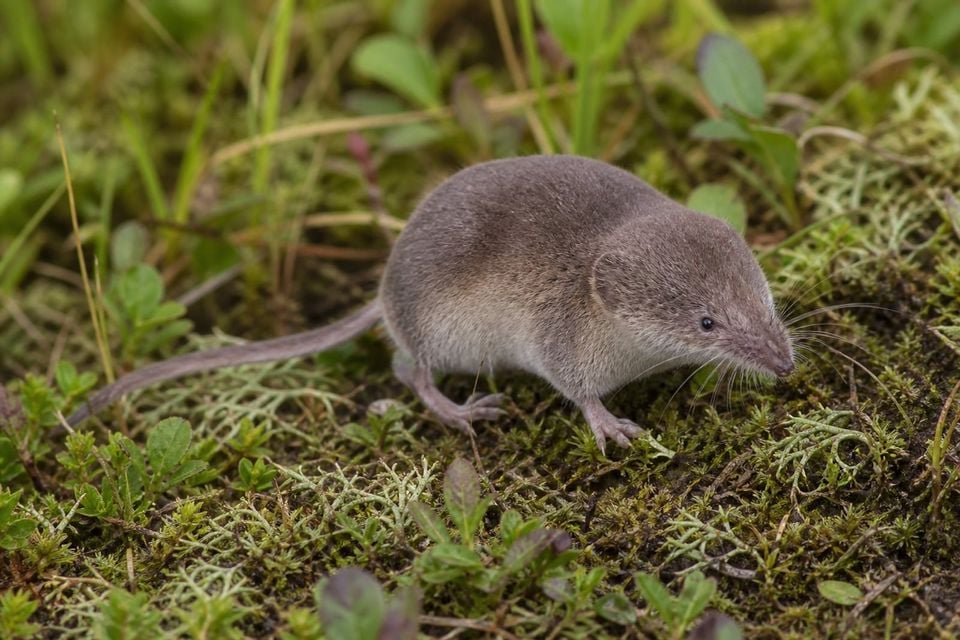
The islands themselves are wind-scoured and treeless, and nearly every record sits under 165 feet in elevation, confirming how low-lying this habitat is. The shrew lives in tundra vegetation and damp meadow rather than forest, since the Pribilofs have no trees to offer, and it eats mostly invertebrates with scavenged carrion filling out the rest of a demanding, round-the-clock diet.
Records concentrate heavily in September, with a smaller pulse in October, a pattern that likely reflects when researchers have surveyed the islands rather than any real seasonal shift in the shrew’s own activity.
Being confined to one small island group is exactly why this species carries an Endangered status despite a currently stable-looking population. An introduced predator or a disease outbreak affecting the Pribilofs would have nowhere else in Alaska, or the world, to fall back on.
 Full species profile




