
Alaska mammals

Ribbon Seal in Alaska

Histriophoca fasciata

Native to Alaska S4 Apparently Secure in Alaska

Not listed as nonindigenous in Alaska by USGS NAS; native to its Alaska range.

IUCN Red List status

  1. LC
  2. NT
  3. VU
  4. EN
  5. CR
  6. EW
  7. EX

LC – Least Concern

Widespread and abundant; not at risk.

Ribbon Seal in Alaska, by the numbers

Occasional in Alaska 66th most recorded of 108 mammals logged in Alaska

652 occurrence records
3 with iNaturalist photos
Aug 27, 2017 Last seen in Alaska

652 total records count every Alaska occurrence from GBIF and iNaturalist; the map plots a georeferenced sample of 300; the monthly chart covers the 640 records with a full observation date.

When to look for the Ribbon Seal in Alaska

Most sightings fall in May to June.

640 Alaska occurrence records (iNaturalist and GBIF) by month of year. Shows when the species is recorded, not a guarantee of presence.

Monthly Alaska records (table)
MonthRecords
January43
February10
March12
April10
May312
June205
July4
August4
September5
October9
November17
December9

Monthly ribbon seal occurrence records (iNaturalist and GBIF) in Alaska.

Seasonality

Year-round in Alaska, with recorded sightings peaking in May–June.

Occurrence map

Where Ribbon Seal has been recorded in Alaska

300 records mapped · zoom and drag to explore

300 Alaska records mapped

Where it's recorded in Alaska

CountyRecords
Nome County 587
North Slope County 10
Aleutians West County 2
Wade Hampton County 2
Bethel County 2
Prince of Wales-Hyder County 2
Yakutat County 1
Kenai Peninsula County 1
Lake and Peninsula County 1
Other localities 44

The complete county distribution, spread across 9 Alaska counties. Every occurrence record falls in one county, so these sum to the total. Counties from GBIF and US Census boundaries.

Alaska is the ribbon seal’s entire US range, and the real story sits far from Southeast Alaska’s fjords; this is a Bering and Chukchi Sea species, living on drifting pack ice well offshore rather than at any coastal park. The single Kenai Fjords National Park record in the data reflects an animal that wandered south of its usual range, not a place to expect one regularly.

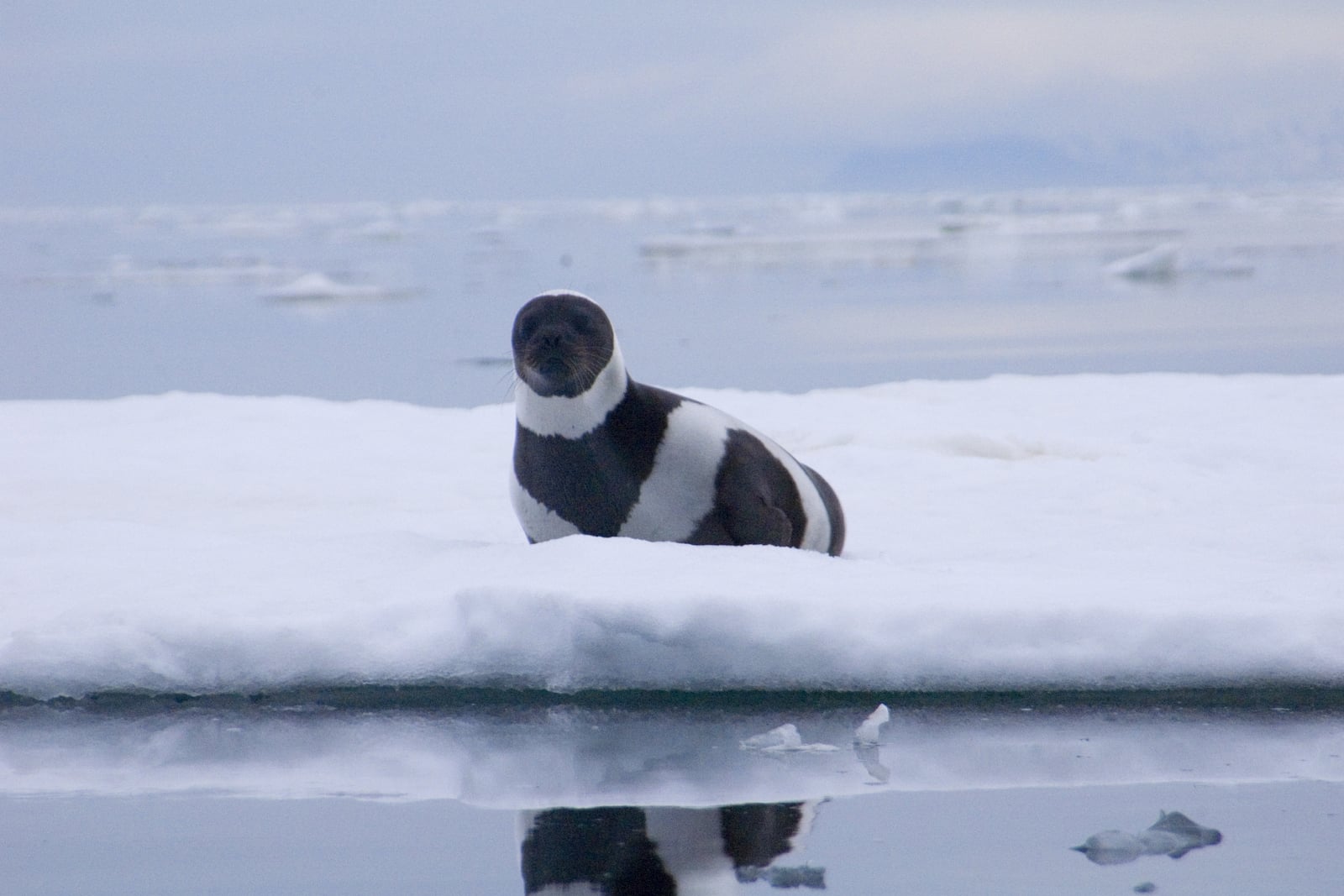
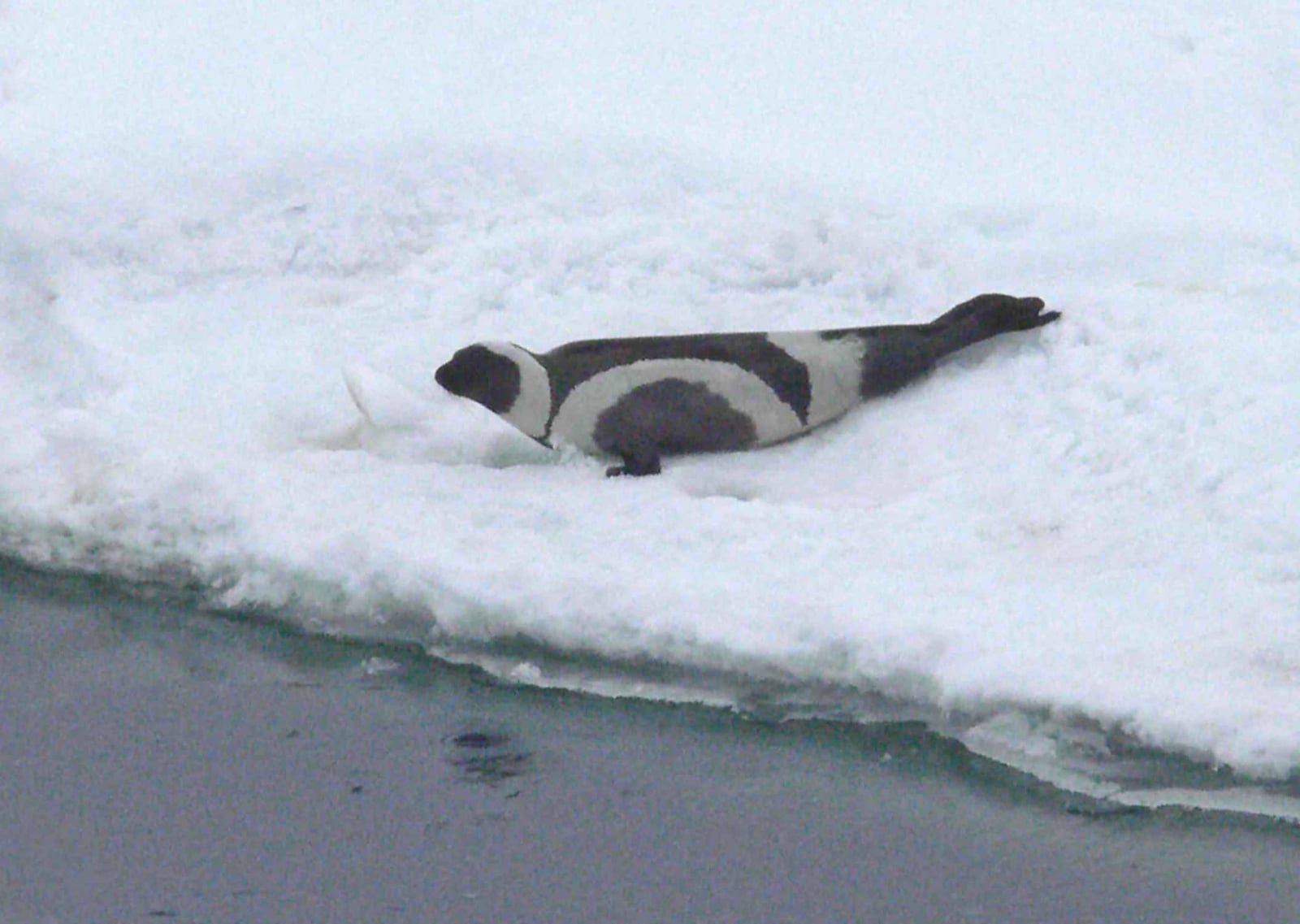
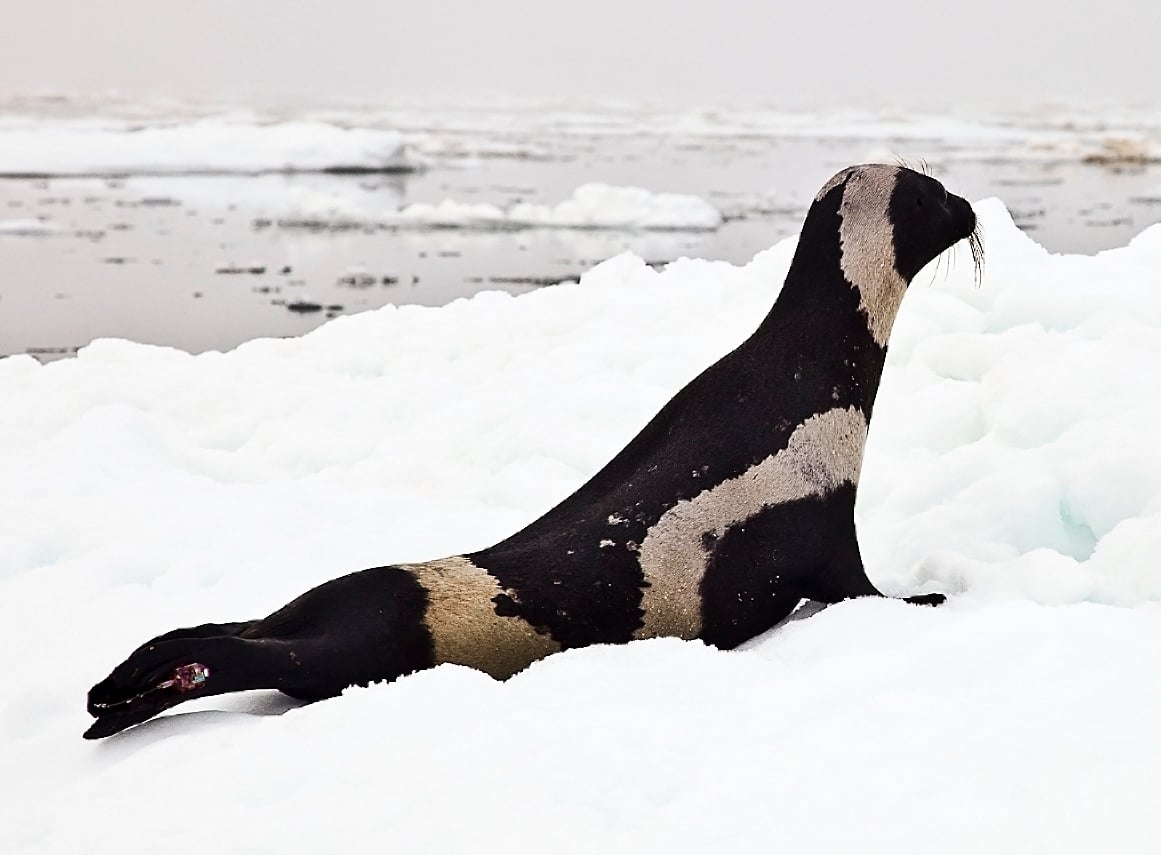
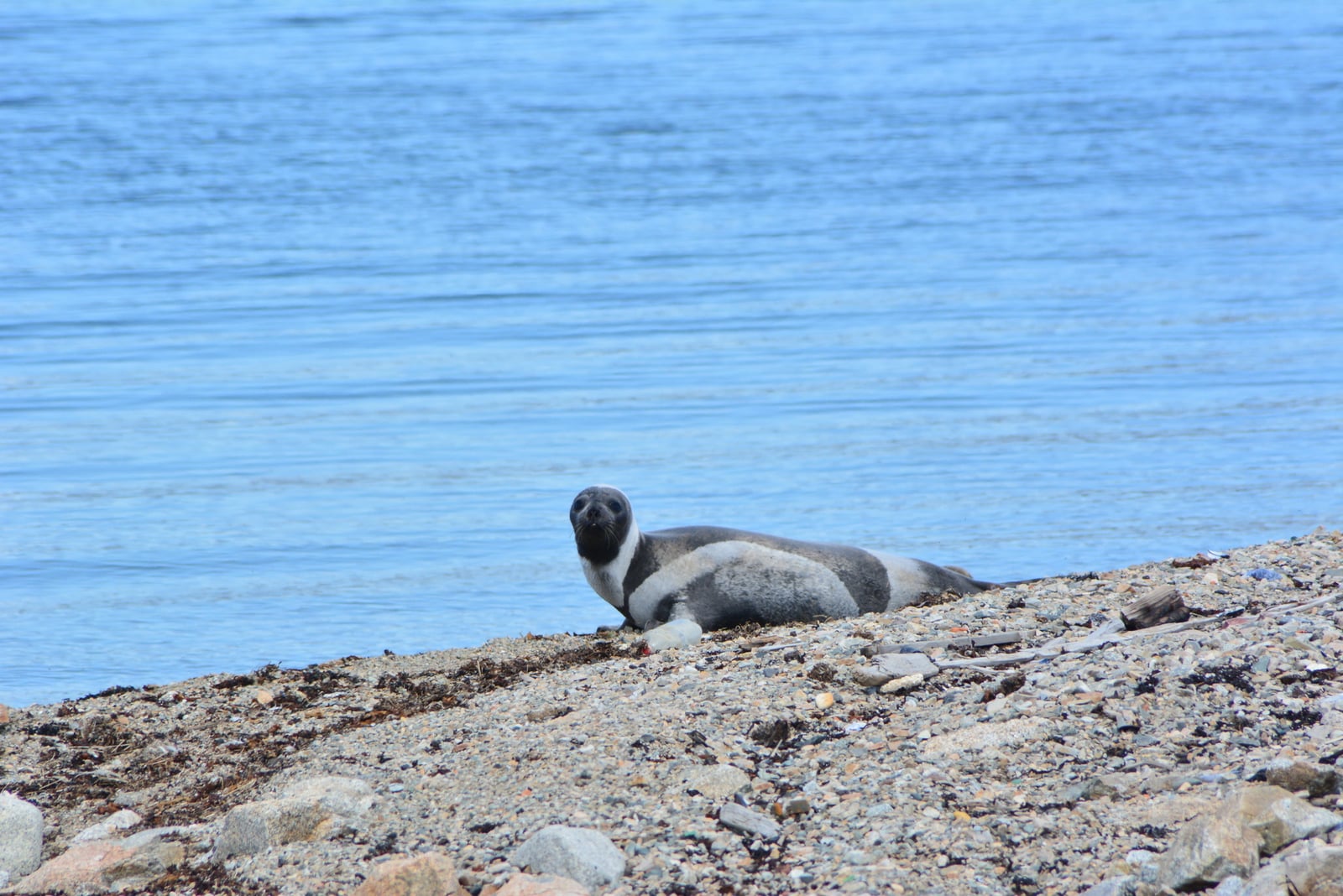
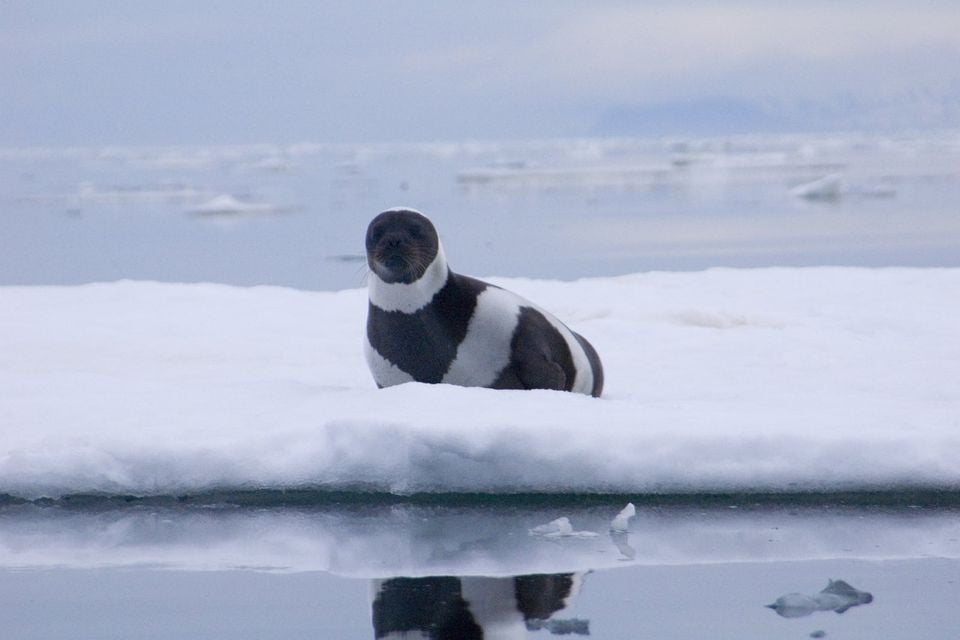
Unlike the harbor seals that crowd onto haul-outs, a ribbon seal spends most of its life alone on scattered ice floes or in open water, identifiable at a glance by the bold black and cream bands wrapping its neck, shoulders, and hips. It dives for walleye pollock, saffron cod, capelin, squid, and shrimp well below the surface, a mixed diet that may be part of why it can afford to live so spread out rather than competing at crowded haul-outs.

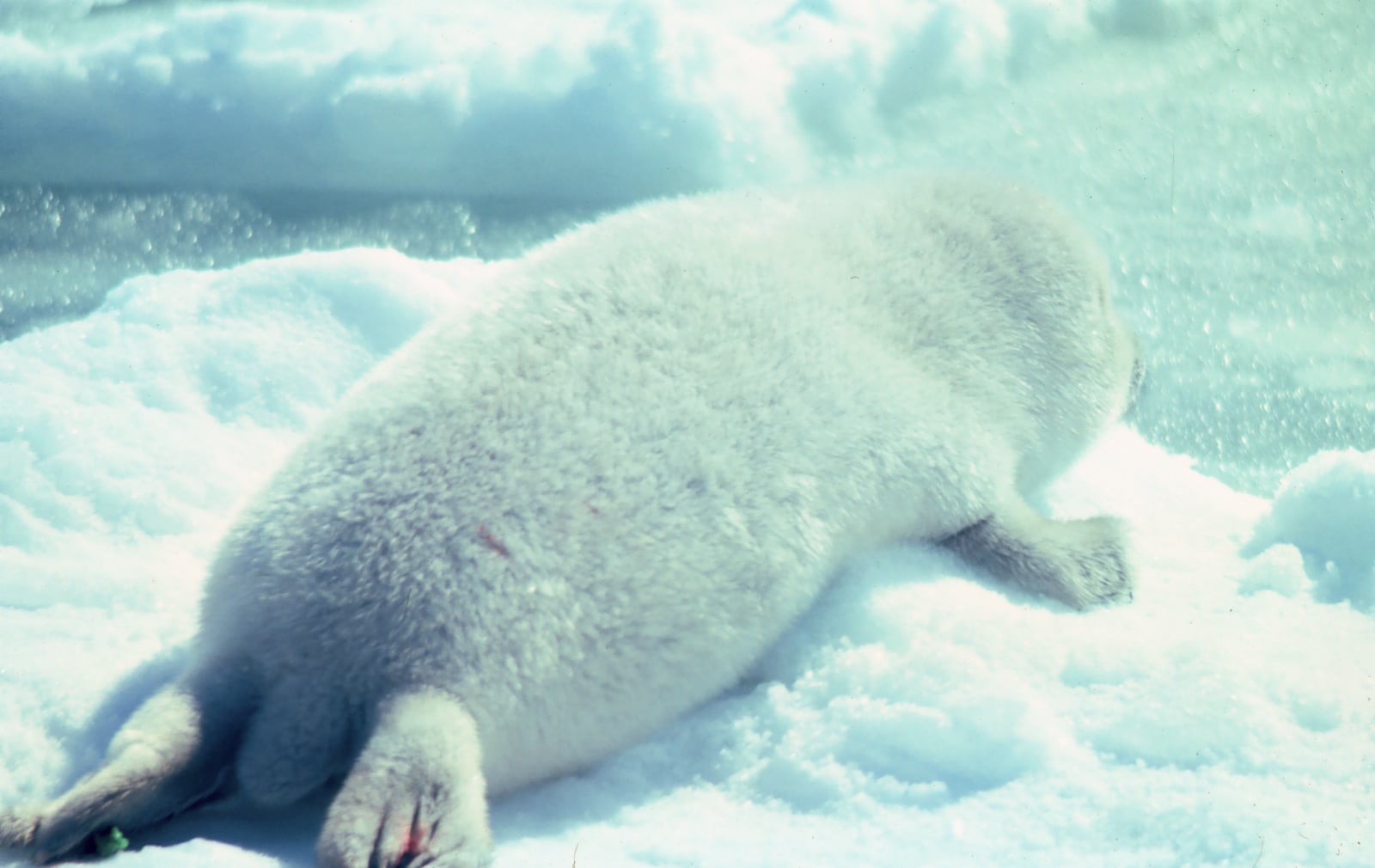
Records here cluster in June, when retreating spring ice concentrates the remaining seals onto fewer floes and gives researchers and vessels more chances to spot them. That’s also when ribbon seals pup and nurse on the ice, so the seasonal pattern likely tracks both ice conditions and the breeding season itself.

The record count for this species in Alaska stays low regardless of season; a scattered, ice-associated life far from shore means most ribbon seals simply never cross paths with anyone keeping count.

Occurrence data from iNaturalist and GBIF.

More mammals in Alaska in the atlas

Data & sources

The data and visualizations on this page draw on these open sources:

  • GBIFCC-BY 4.0occurrence records behind the range map, elevation, and record counts
  • iNaturalistCC0 / CC-BY / CC-BY-SAobservations, photos, and audio recordings
  • NatureServe ExplorerCC-BYthe state conservation rank
  • IUCN Red Listattributed factthe global conservation status
  • USGS NASpublic domainnative / introduced status
  • Natural Earthpublic domainthe relief basemap
  • USFSpublic domainnational-forest boundaries




