Arizona mammals

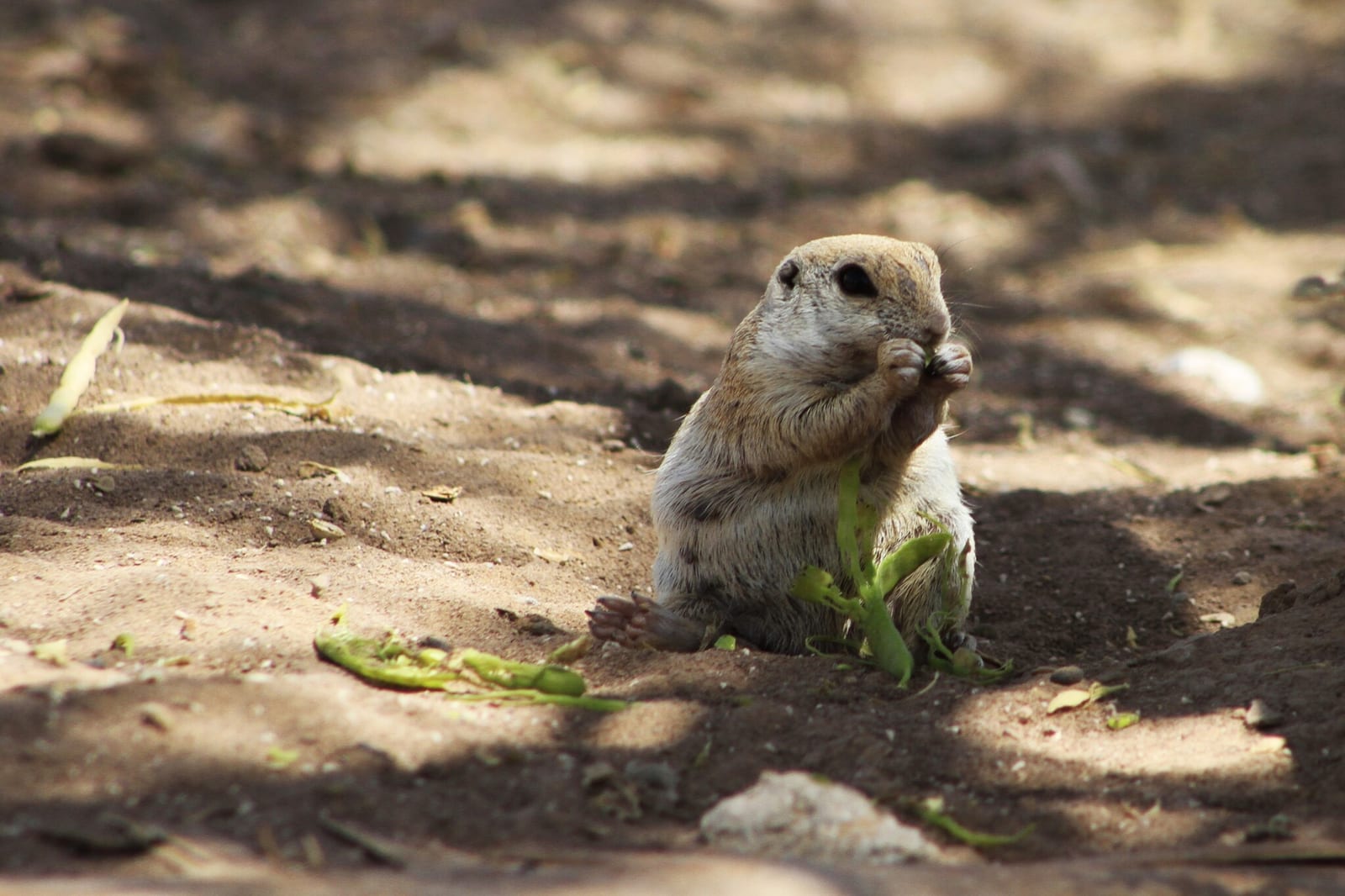
Round-tailed Ground Squirrel in Arizona

Xerospermophilus tereticaudus

Native to Arizona S5 Secure in Arizona

Not listed as nonindigenous in Arizona by USGS NAS; native to its Arizona range.

IUCN Red List status

  1. LC
  2. NT
  3. VU
  4. EN
  5. CR
  6. EW
  7. EX

LC – Least Concern

Widespread and abundant; not at risk.

Round-tailed Ground Squirrel in Arizona, by the numbers

Common in Arizona 10th most recorded of 158 mammals logged in Arizona

3,261 occurrence records
3,227 with iNaturalist photos

Records from 2000–2026.

3,261 total records count every Arizona occurrence from GBIF and iNaturalist; the map plots a georeferenced sample of 300; the monthly chart covers the 3,143 records with a full observation date.

When to look for the Round-tailed Ground Squirrel in Arizona

Most sightings fall in March to May.

3,143 Arizona occurrence records (iNaturalist and GBIF) by month of year, 2000–2026. Shows when the species is recorded, not a guarantee of presence.

Monthly Arizona records (table)
MonthRecords
January139
February295
March596
April589
May617
June317
July239
August210
September85
October26
November8
December22

Monthly round-tailed ground squirrel occurrence records (iNaturalist and GBIF) in Arizona, 2000–2026.

Seasonality

Year-round in Arizona, with recorded sightings peaking in March–May.

Occurrence map

Where Round-tailed Ground Squirrel has been recorded in Arizona

300 records mapped · zoom and drag to explore

300 Arizona records mapped

Notable places to look

Park, forest, or monumentiNaturalist records
State Trust Land 120
Organ Pipe Cactus National Monument 22
Saguaro National Park 13
Casa Grande Ruins National Monument 9
Ben Avery Shooting Facility 5
Sonoran Desert National Monument 4
Robbins Butte Wildlife Area 3
Ironwood Forest National Monument 3

Protected places with the most round-tailed ground squirrel sightings, from the USGS Protected Areas Database plus named mountain ranges, good spots to look, not a full breakdown, so they don't sum to the total.

Where it's recorded in Arizona

CountyRecords
Pima County 1,477
Maricopa County 1,324
Pinal County 195
Yuma County 97
La Paz County 20
Cochise County 18
Mohave County 3
Yavapai County 3
Santa Cruz County 2
Gila County 1
Other localities 121

The complete county distribution, spread across 10 Arizona counties. Every occurrence record falls in one county, so these sum to the total. Counties from GBIF and US Census boundaries.

The round-tailed ground squirrel is one of the most frequently recorded small mammals of Arizona’s low deserts. Open occurrence databases hold 3,261 records for it in the state, a large share of them iNaturalist photos from the Phoenix and Tucson basins.

A ground squirrel built for the desert floor

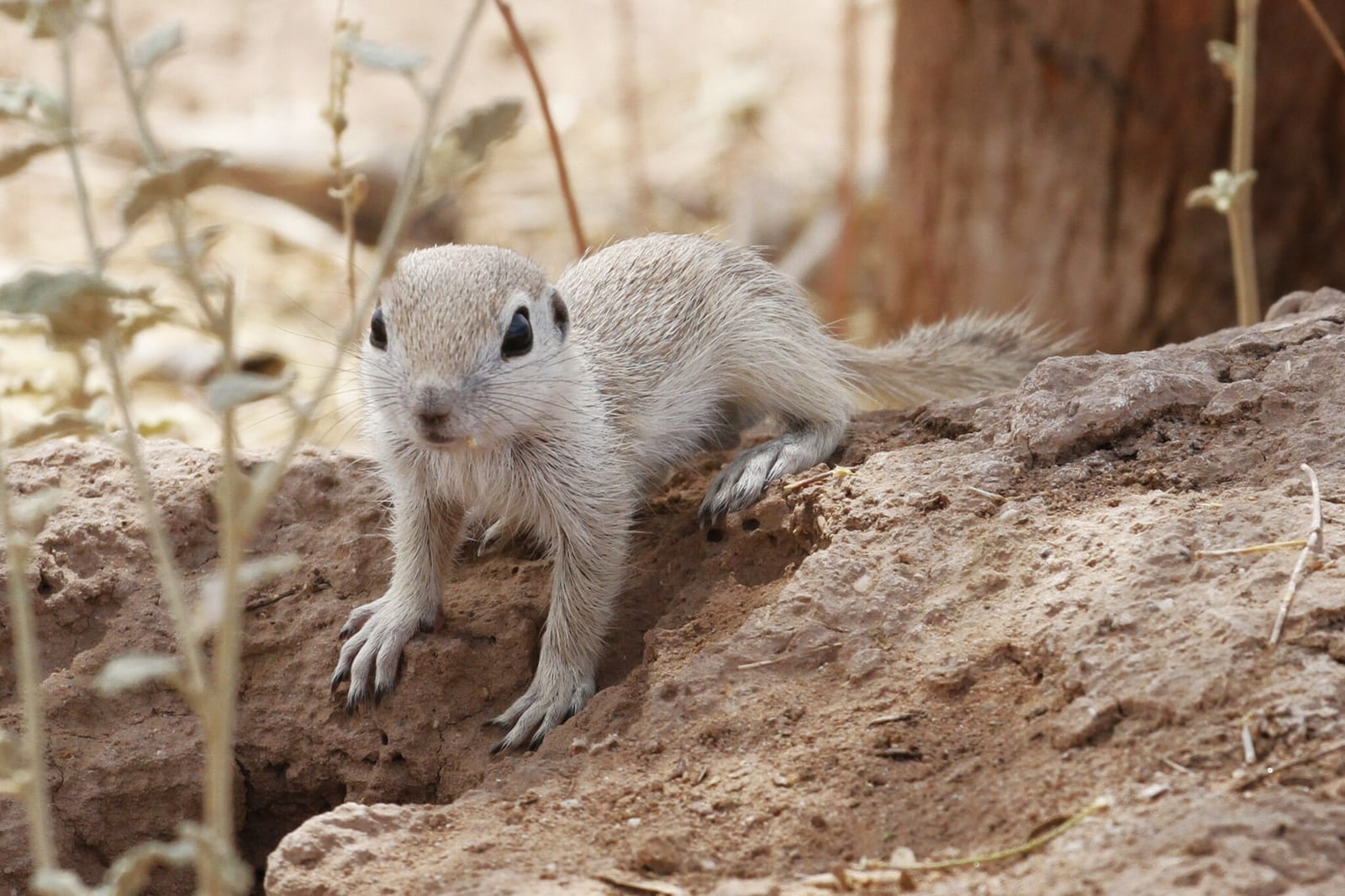
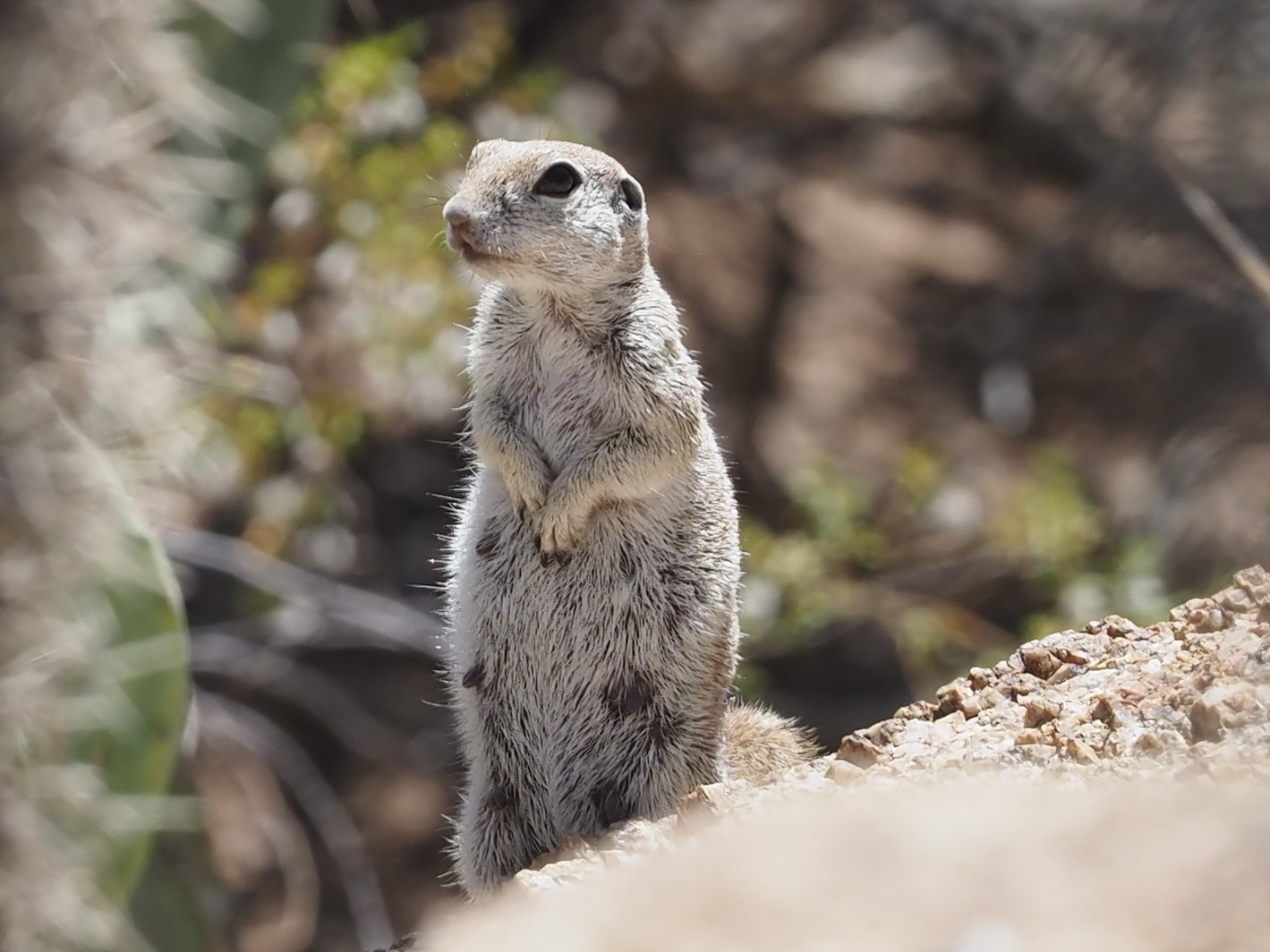
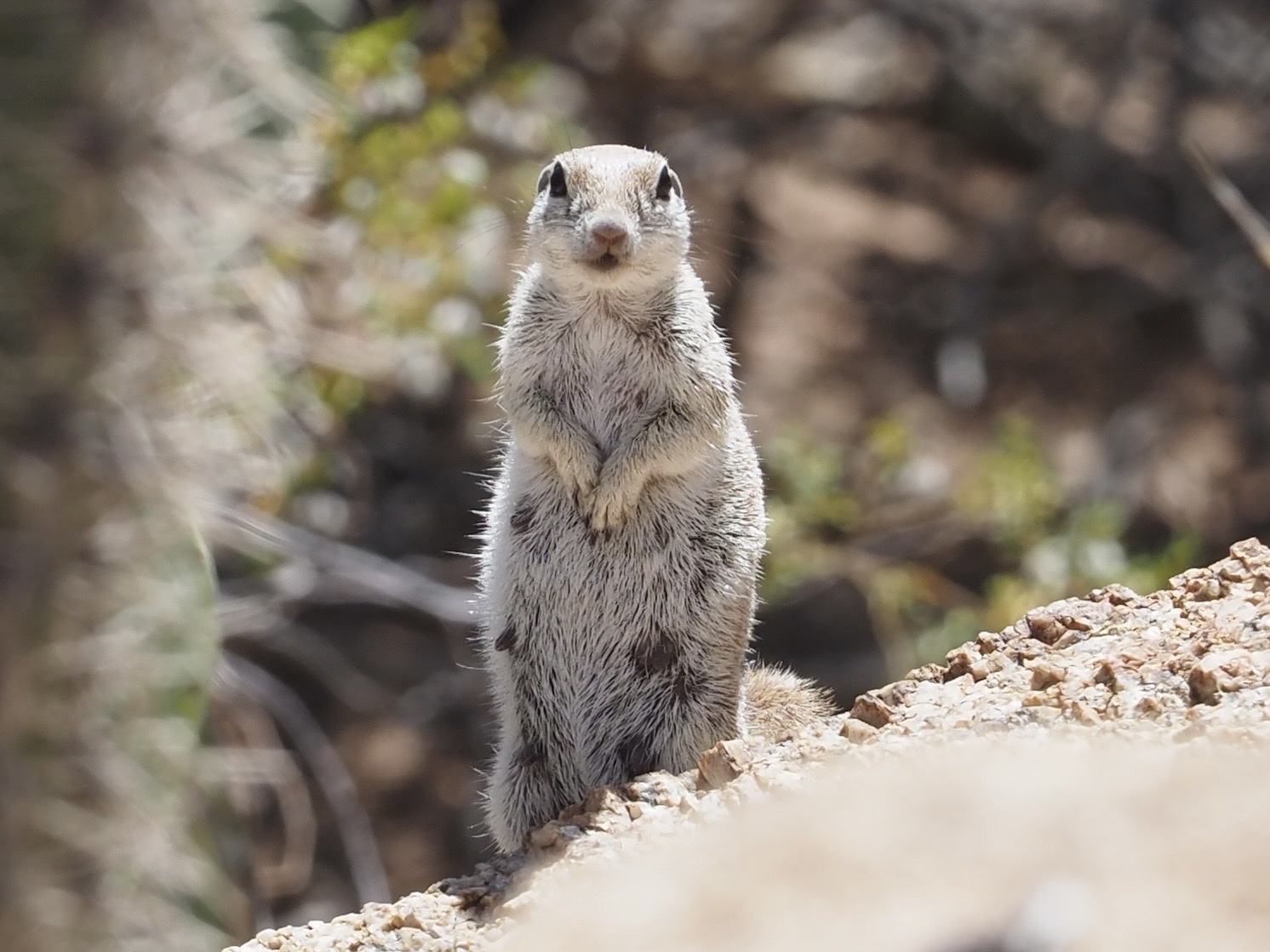
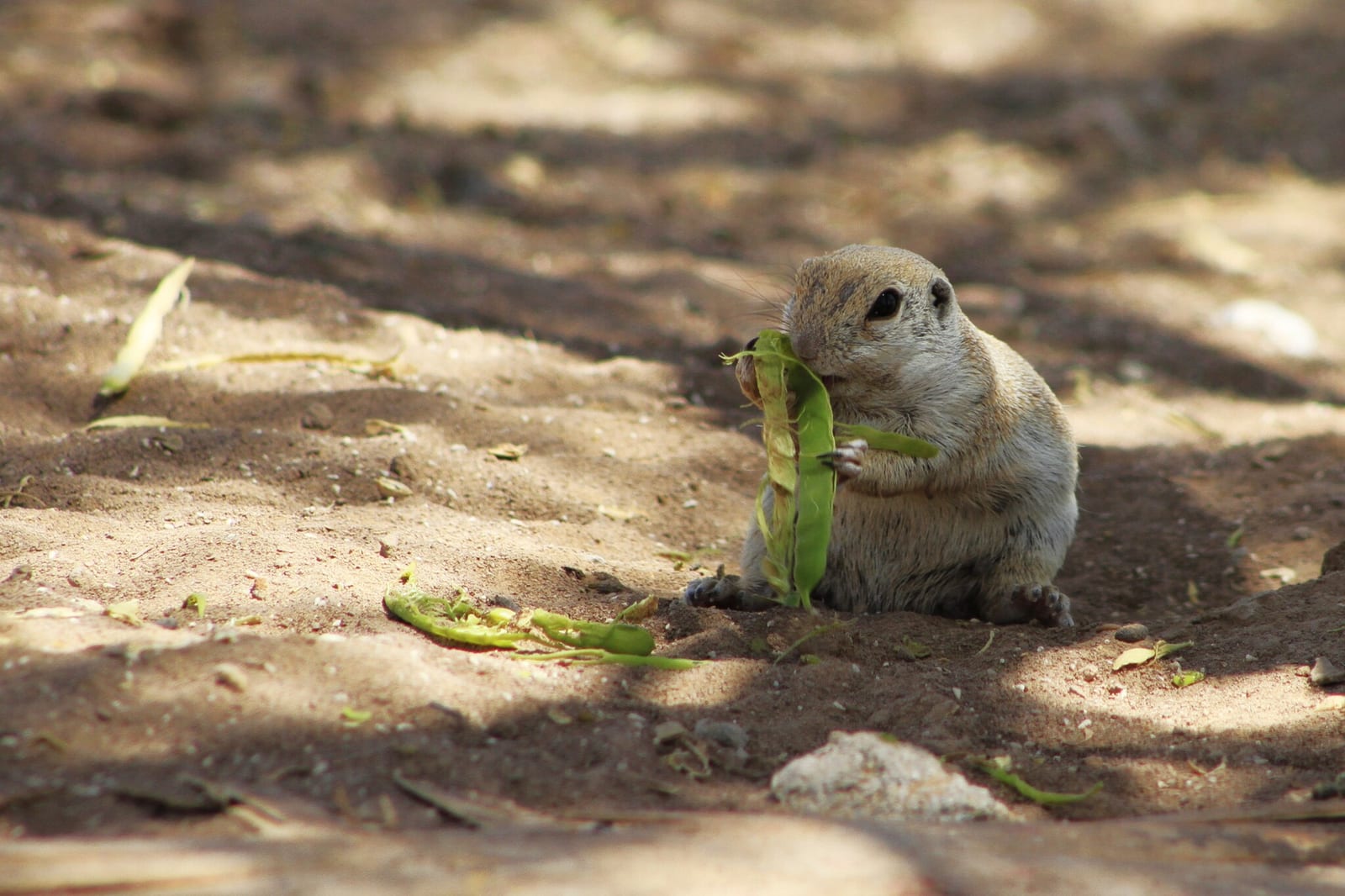
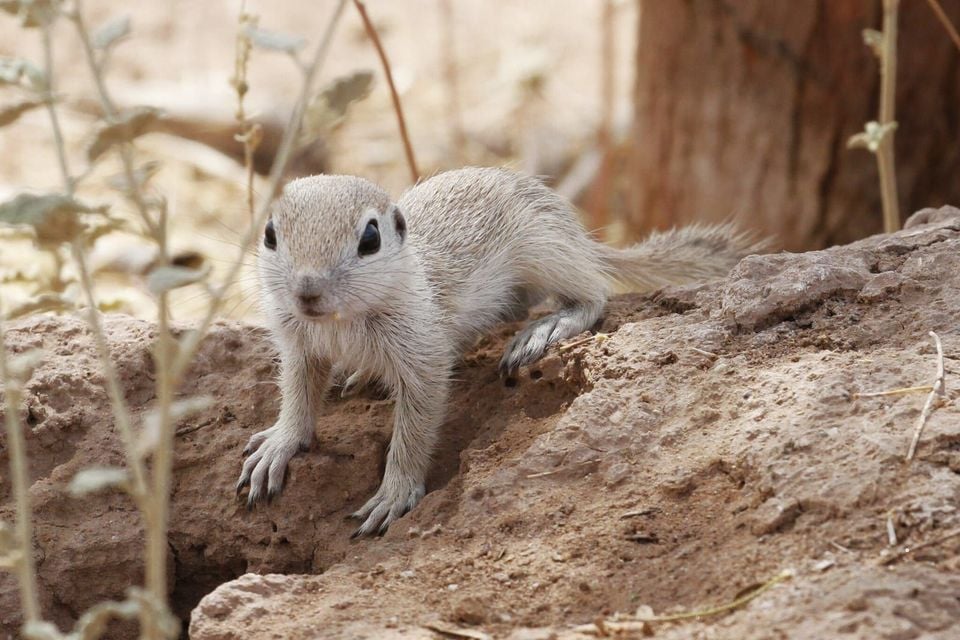
Pale, plain, and sandy-coated, this squirrel blends into bare desert ground until it moves. It lives in colonies of burrows dug into loose Sonoran Desert soils among creosote and mesquite. Reports cluster in Maricopa, Pima, and Pinal counties, the hot low country around Phoenix and Tucson. Its slender, lightly haired tail gives the animal its name and sets it apart from the region’s bushier-tailed squirrels.

Active when the desert allows

Unlike the high-country species that sleep through winter, this desert squirrel is built for heat and stays out and busy through much of the year. Even so, it retreats underground during the fiercest late-summer heat and again through the coldest winter weeks. Surface activity swells in spring, when the desert greens and colonies are at their most visible, then eases as animals spend more time below ground, so the spring surge in the record tracks visibility rather than a spring-only presence.

Common questions

Is it related to the desert’s kangaroo rats? No. It is a true ground squirrel, active by day and living in colonies, while kangaroo rats are nocturnal seed-hoarders that bound about on long hind legs.

More mammals in Arizona in the atlas

Data & sources

The data and visualizations on this page draw on these open sources:

  • GBIFCC-BY 4.0occurrence records behind the range map, elevation, and record counts
  • iNaturalistCC0 / CC-BY / CC-BY-SAobservations, photos, and audio recordings
  • NatureServe ExplorerCC-BYthe state conservation rank
  • IUCN Red Listattributed factthe global conservation status
  • USGS NASpublic domainnative / introduced status
  • Natural Earthpublic domainthe relief basemap
  • USFSpublic domainnational-forest boundaries
  • USGS Protected Areas Databasepublic domainthe named parks, forests, and refuges behind "notable places to look"




