
Alaska mammals

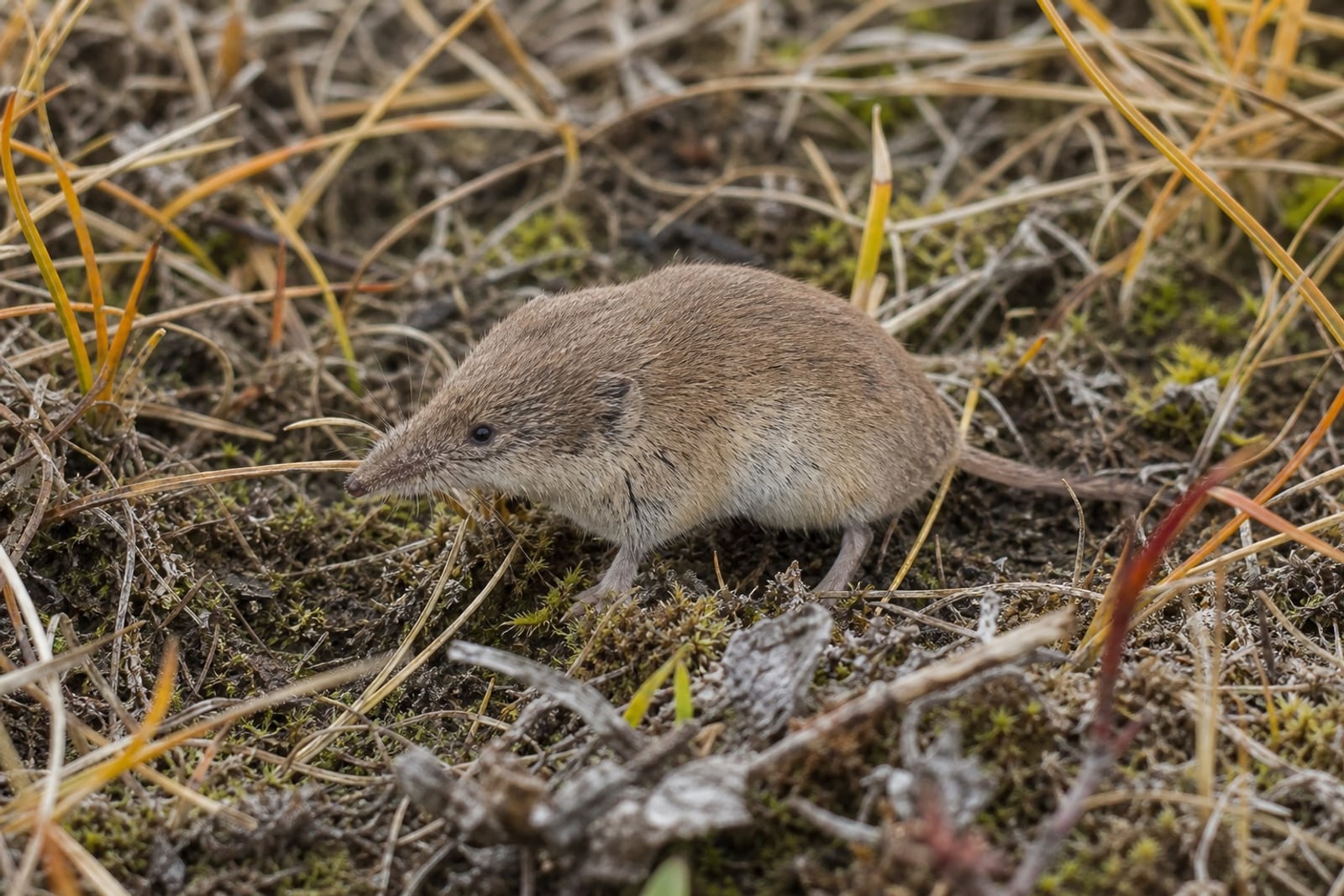
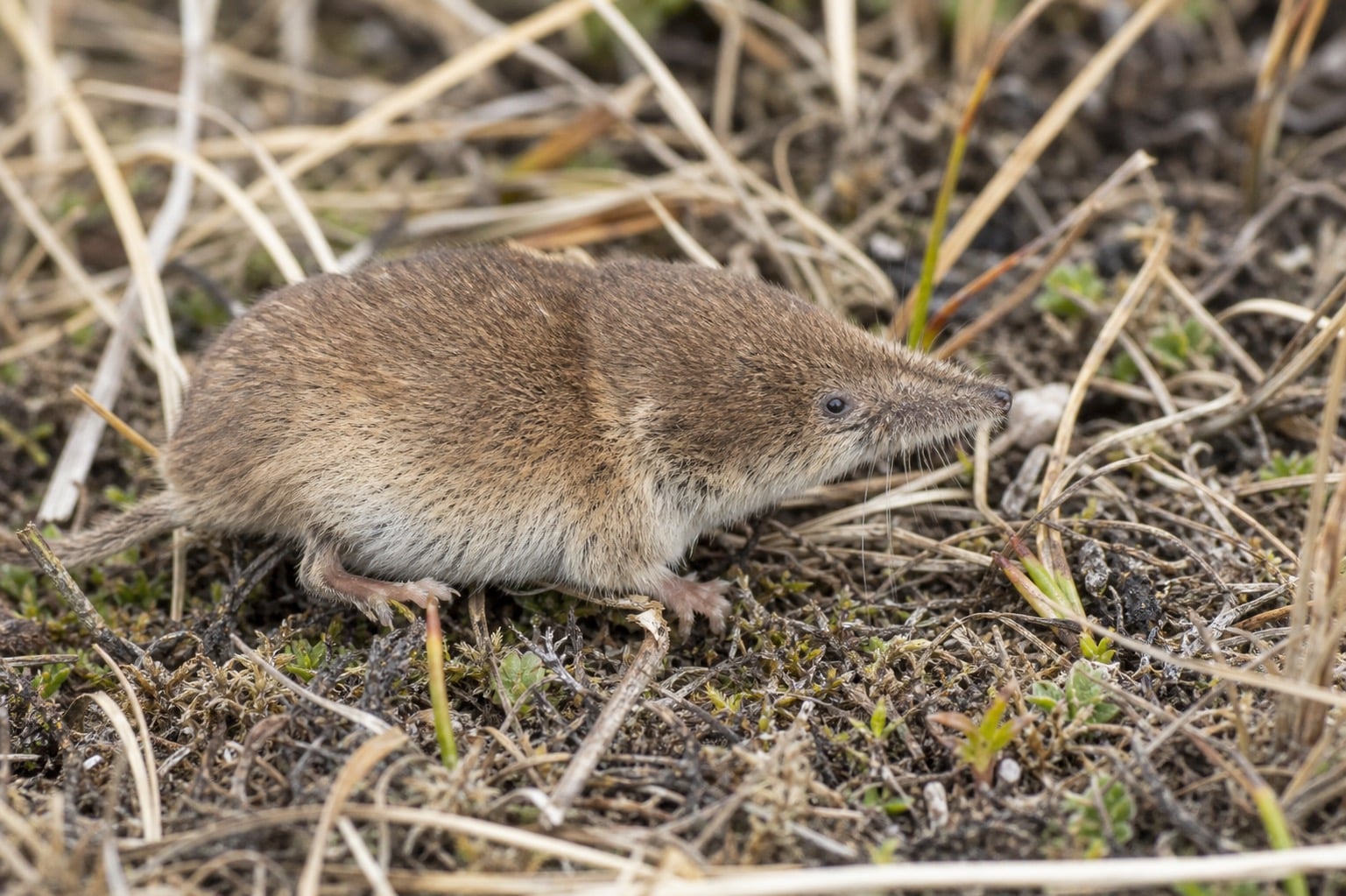
Saint Lawrence Island Shrew in Alaska

Sorex jacksoni

Native to Alaska S3 Vulnerable in Alaska

Not listed as nonindigenous in Alaska by USGS NAS; native to its Alaska range.

IUCN Red List status

  1. LC
  2. NT
  3. VU
  4. EN
  5. CR
  6. EW
  7. EX

LC – Least Concern

Widespread and abundant; not at risk.

Saint Lawrence Island Shrew in Alaska, by the numbers

Rare in Alaska 95th most recorded of 108 mammals logged in Alaska

220 occurrence records
1 with iNaturalist photos
Sep 17, 2016 Last seen in Alaska

When to look for the Saint Lawrence Island Shrew in Alaska

Most sightings fall in July to August.

220 Alaska occurrence records (iNaturalist and GBIF) by month of year. Shows when the species is recorded, not a guarantee of presence.

Monthly Alaska records (table)
MonthRecords
January12
February4
March0
April4
May1
June21
July70
August67
September8
October13
November20
December0

Monthly saint lawrence island shrew occurrence records (iNaturalist and GBIF) in Alaska.

Seasonality

Year-round in Alaska, with recorded sightings peaking in July–August.

Occurrence map

Where Saint Lawrence Island Shrew has been recorded in Alaska

220 records mapped · zoom and drag to explore

220 Alaska records mapped

Where it's recorded in Alaska

CountyRecords
Nome County 173
Other localities 47

The complete county distribution, spread across 1 Alaska counties. Every occurrence record falls in one county, so these sum to the total. Counties from GBIF and US Census boundaries.

Nearly every record of this shrew traces back to Saint Lawrence Island itself, an isolated spot in the Bering Sea that sits closer to Siberia than to mainland Alaska. It’s the only place on Earth the species is known to live, so the records here map a single island’s tundra and coastal ground rather than a broader range.

Life on that island runs on invertebrates, topped up with scavenged carrion when the chance comes up. Like every Sorex shrew, it feeds almost constantly to keep up with a fast metabolism, and a female can raise close to two litters a year, each averaging six or seven pups.

The handful of confirmed reports cluster in July through September, the short stretch when the island is reachable and researchers are actually in the field. That timing says more about fieldwork logistics than about the shrew’s real seasonal habits, and the sparse record overall reflects how hard the island is to visit, not how few shrews live there.
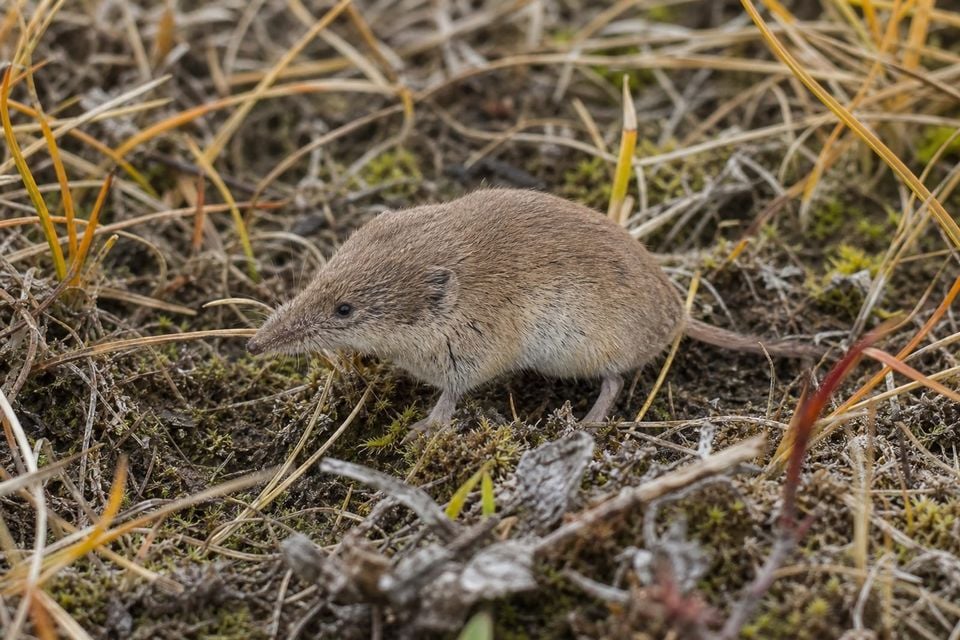

Occurrence data from iNaturalist and GBIF.

More mammals in Alaska in the atlas

Data & sources

The data and visualizations on this page draw on these open sources:

  • GBIFCC-BY 4.0occurrence records behind the range map, elevation, and record counts
  • iNaturalistCC0 / CC-BY / CC-BY-SAobservations, photos, and audio recordings
  • NatureServe ExplorerCC-BYthe state conservation rank
  • IUCN Red Listattributed factthe global conservation status
  • USGS NASpublic domainnative / introduced status
  • Natural Earthpublic domainthe relief basemap
  • USFSpublic domainnational-forest boundaries




