
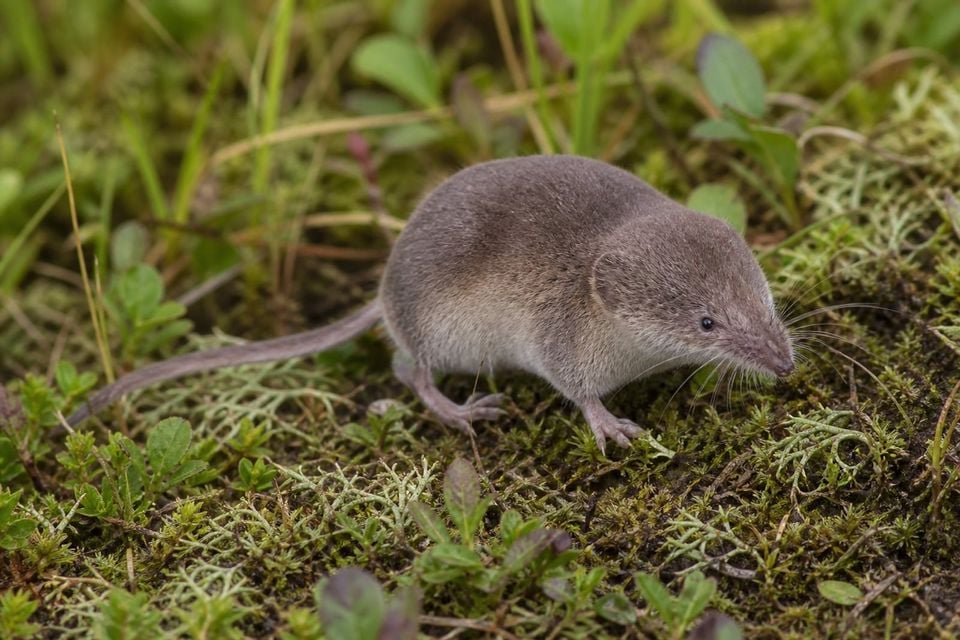
An island shrew from the edge of two continents
Saint Lawrence Island sits in the middle of the Bering Sea, closer to Siberia than to mainland Alaska, and the shrew named for it lives nowhere else. That kind of single-island endemism is common among Bering Sea mammals. Rising seas closed the land bridge that once connected Alaska and Russia, and cut these populations off from their mainland relatives. Unlike some of its island relatives, this shrew carries a Least Concern status rather than an elevated one. That likely reflects a comparatively large island and a population that has stayed put, without the added pressures smaller, more exposed islands can bring.
A remote home, rarely visited by researchers
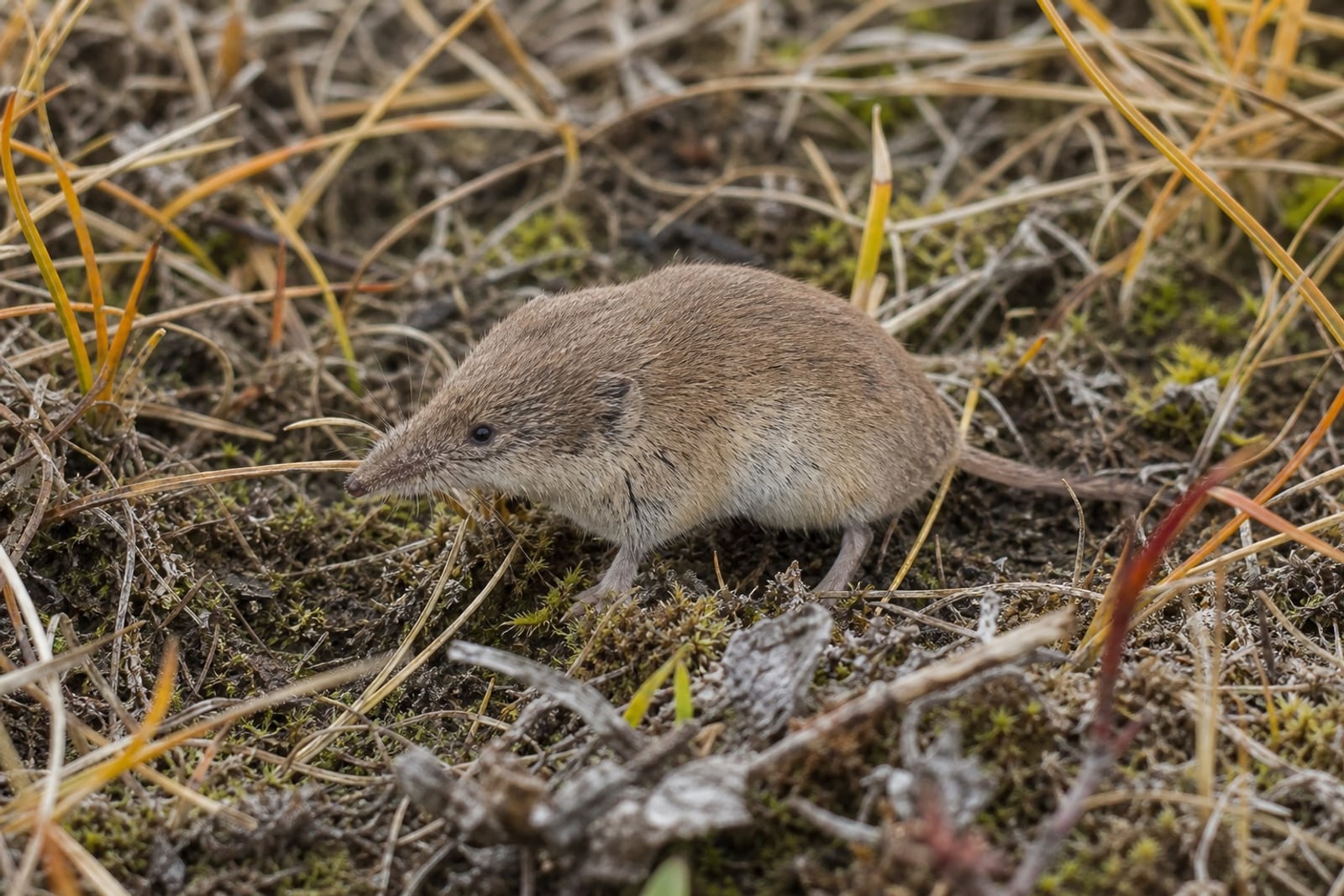
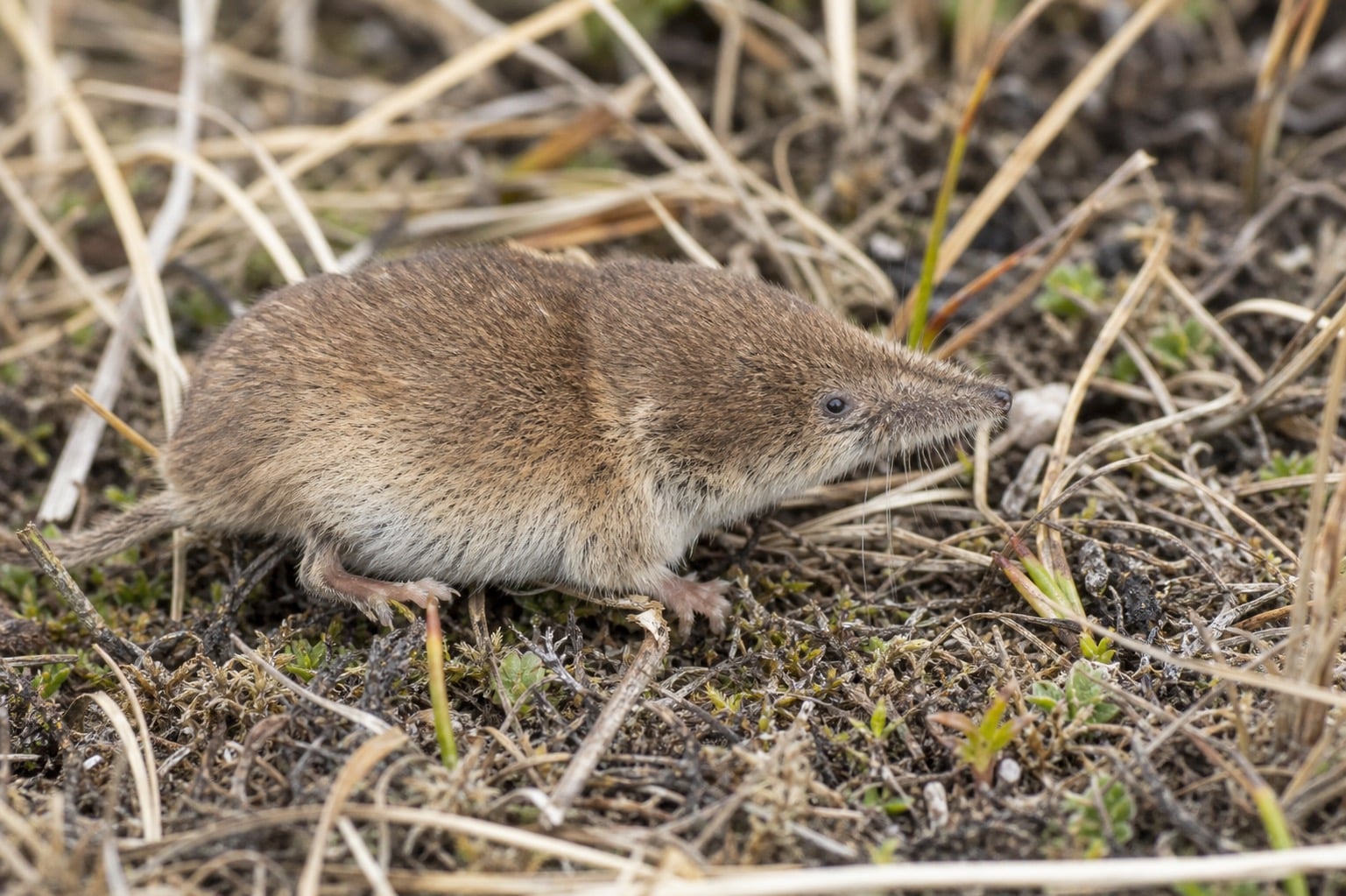
Saint Lawrence Island is genuinely hard to get to, and that isolation shows up directly in how little is documented about the shrew that lives there. What records exist cluster in July through September, the short window when the island is reachable and researchers are in the field. That timing likely reflects fieldwork logistics more than anything special about the shrew’s seasonal behavior. Its habitat runs to the island’s tundra and coastal ground, the same open, treeless terrain most Bering Sea mammals depend on. It lacks the forest or thick understory that shelters shrews farther south.
Life on the tundra, shrew-style
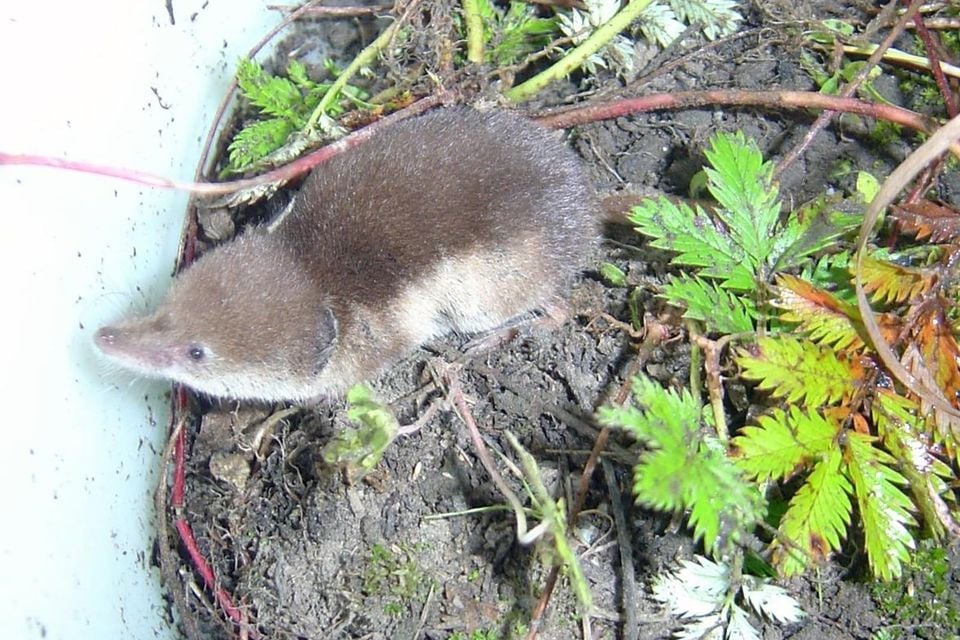
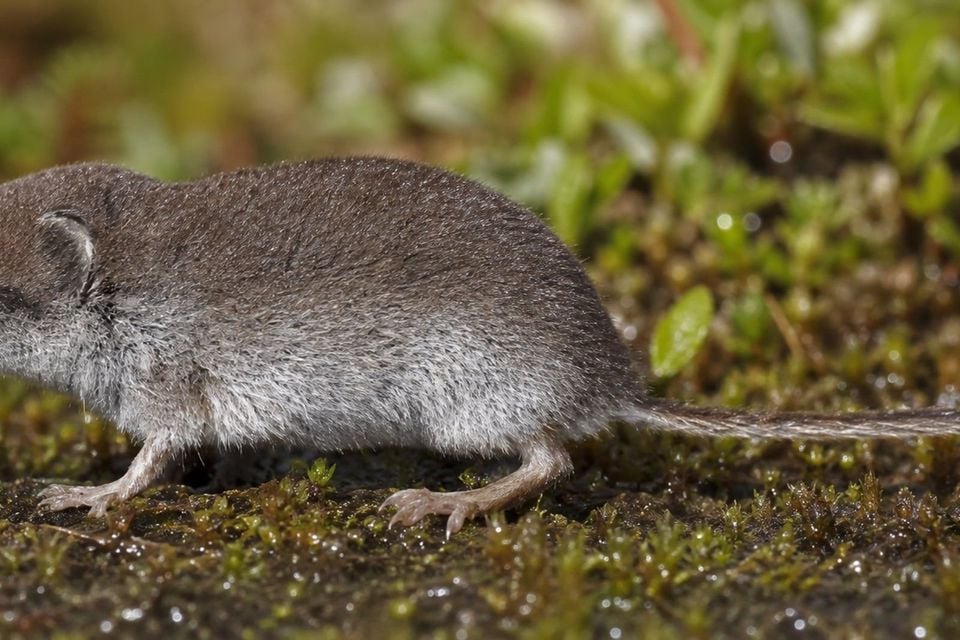
Like every Sorex shrew, this one runs hot. Constant feeding, a fast heartbeat, and no real rest from the demands of staying warm on a cold, wind-exposed island. Diet is built around invertebrates, topped up with scavenged carrion when the opportunity arises. Litters run large for such a small animal, averaging six or seven pups, and a female can produce close to two litters in a single year. That reproductive pace pairs with a lifespan rarely stretching past two or three years. It’s the same fast-turnover strategy shrews rely on everywhere, island or mainland.
A quiet, poorly counted population
Confirmed sightings of the Saint Lawrence Island shrew are few. That scarcity says more about the difficulty of studying a small mammal on a remote Bering Sea island than about its actual numbers. No invasive predators are known to have reached the island in a way that would threaten it, and its tundra habitat has remained largely unchanged. For a species this narrowly confined, though, “largely unchanged” is a status worth watching, not one to take entirely for granted.




