
Built for heat, not just for show
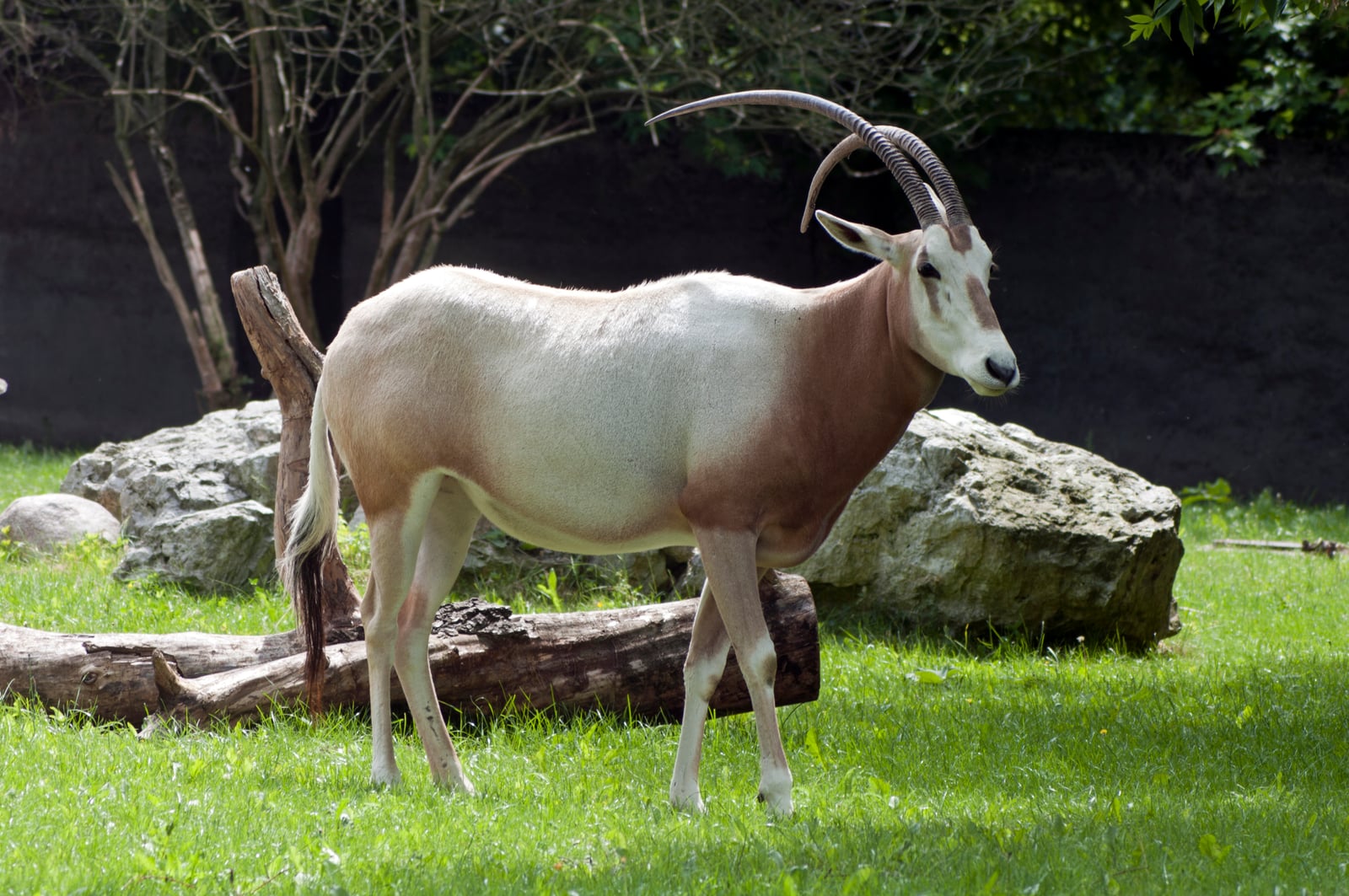
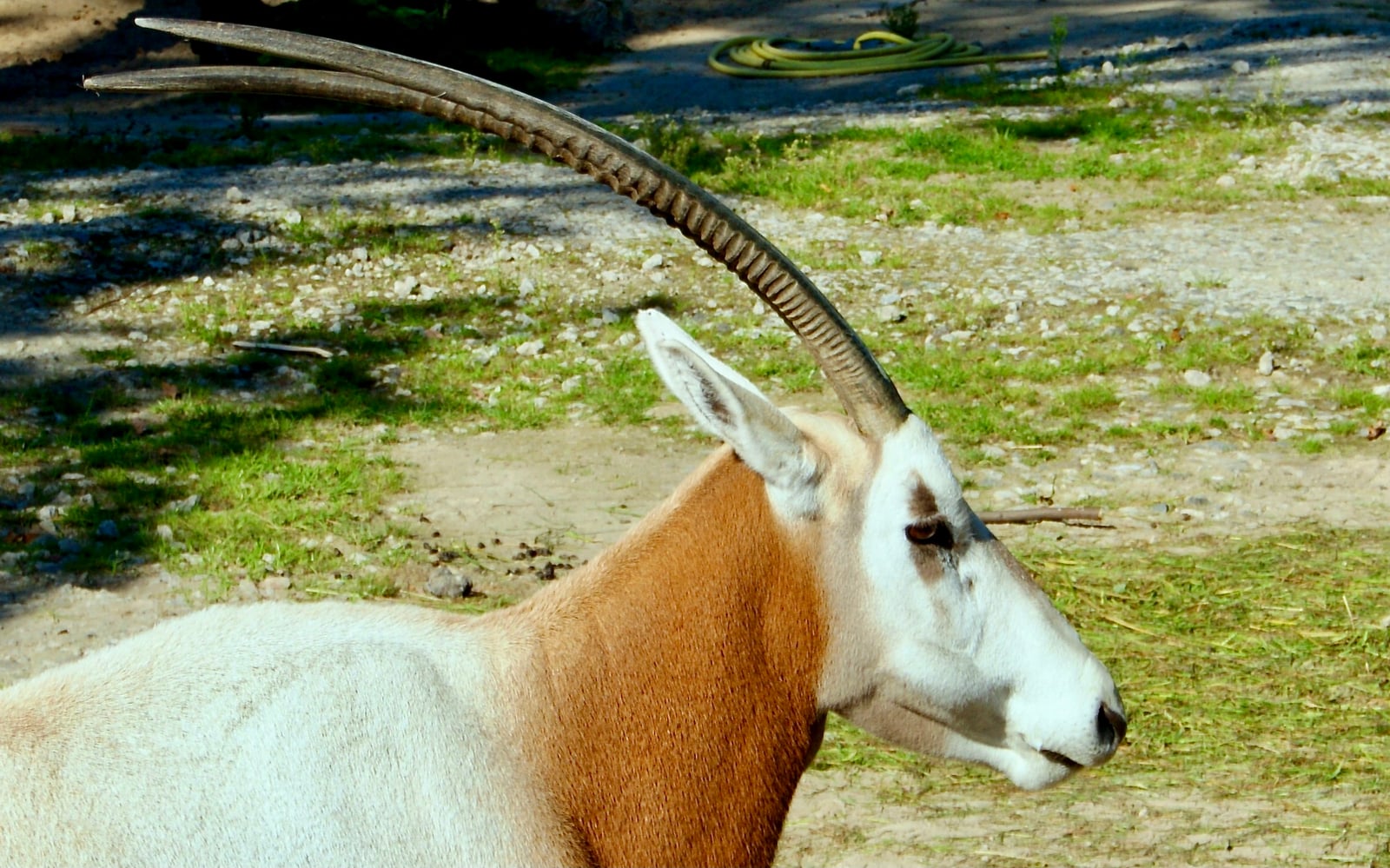
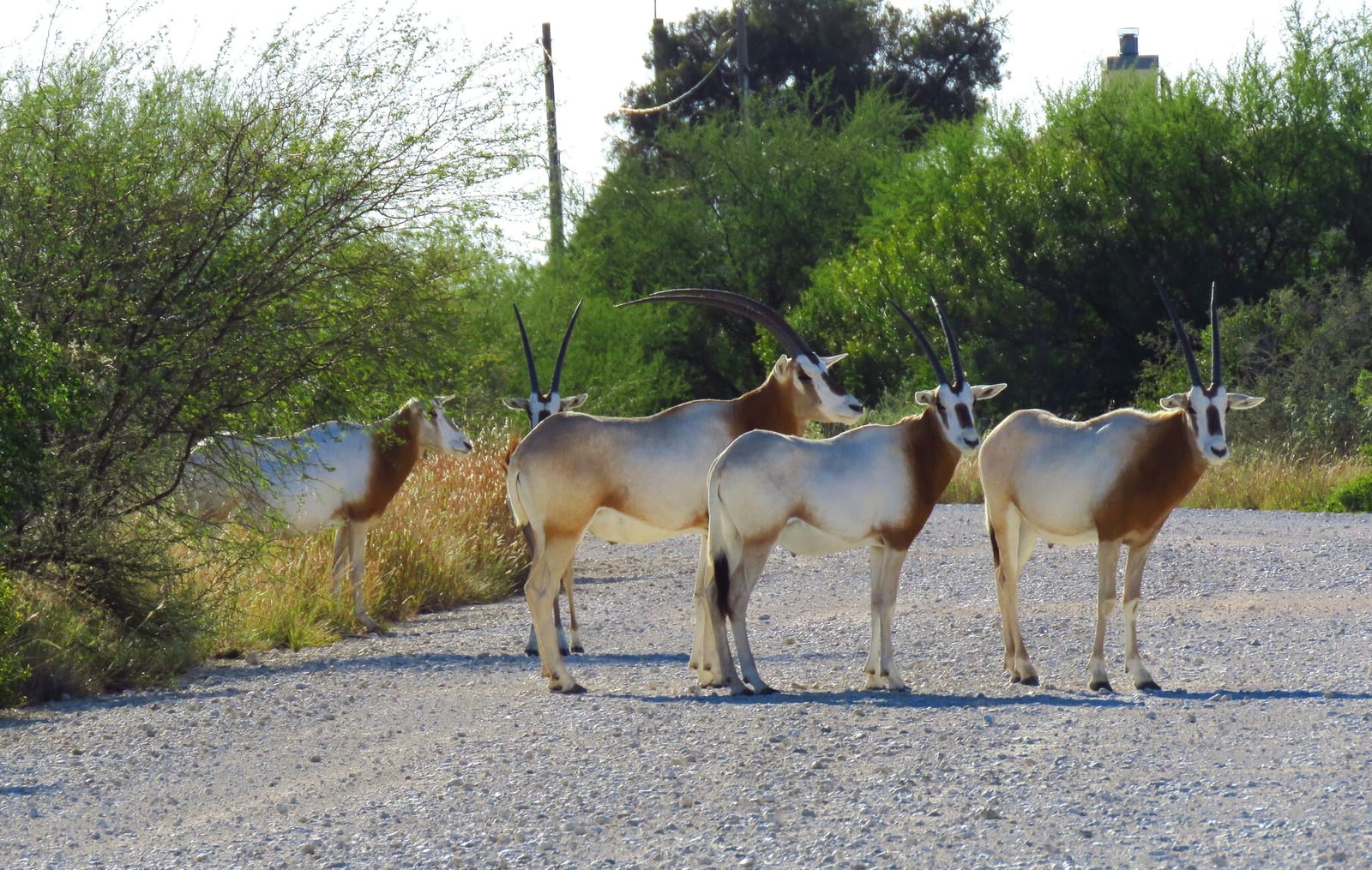
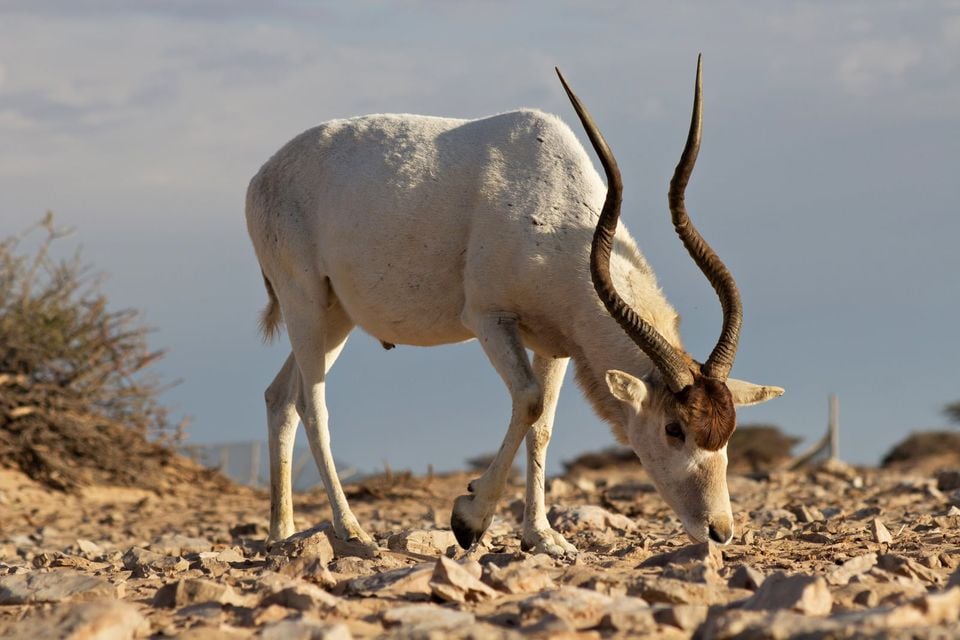
An oryx’s horns are the first thing you notice: long, thin, ringed like a corkscrew, and swept back in a shallow curve that can run past a meter on both sexes. They’re not just show. A bull uses them to fence with rivals and fend off predators, and their curve keeps a locked pair from goring either animal during a shoving match. The dark mask across the face and the rust-brown neck stand out sharply against a coat that’s otherwise pale cream to near white. That whiteness does real work: it reflects the desert sun instead of absorbing it.
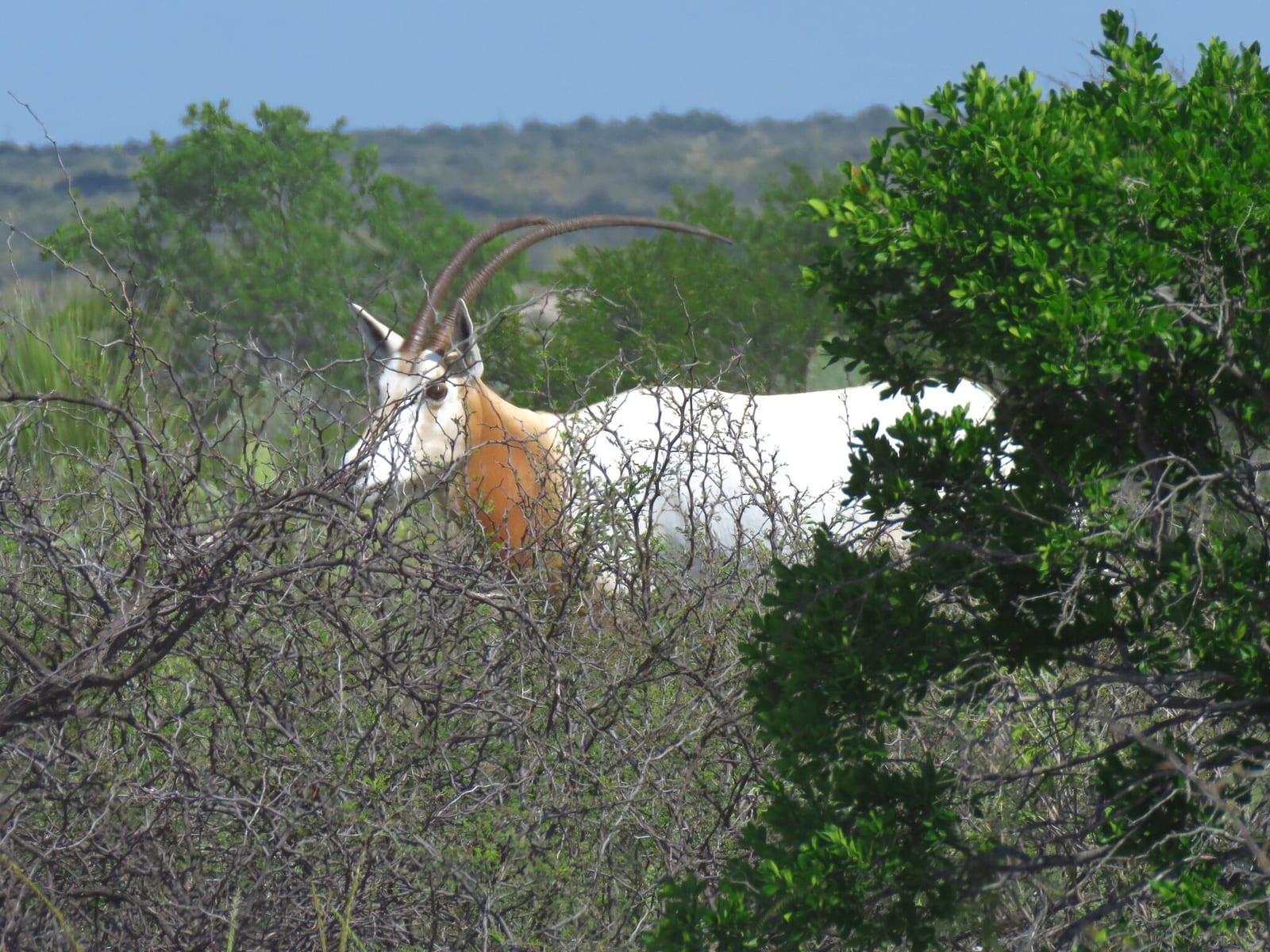
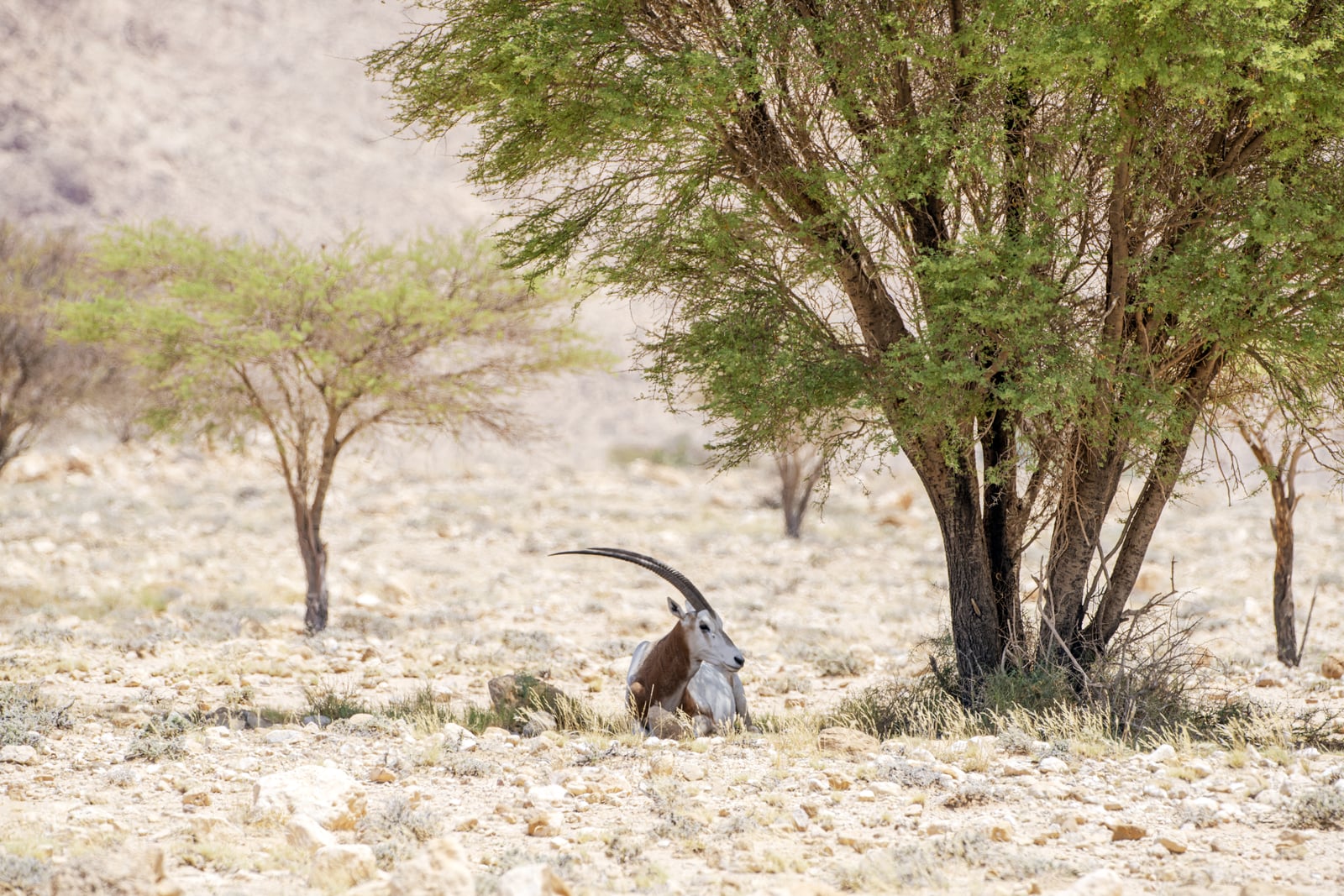
A dense mesh of blood vessels behind its nose cools blood before it reaches the brain. That lets the oryx’s core temperature climb well past what would kill most mammals, instead of sweating away water it doesn’t have to spare. Its kidneys are just as frugal, wringing enough moisture from wild melons, roots, and overnight dew that an oryx can go most of a year without drinking. None of that biology switched off when the species moved to Texas. A ranch oryx standing in July heat is running the same system its Sahelian ancestors relied on to survive the open Sahara.
Hunted to zero, saved almost by accident
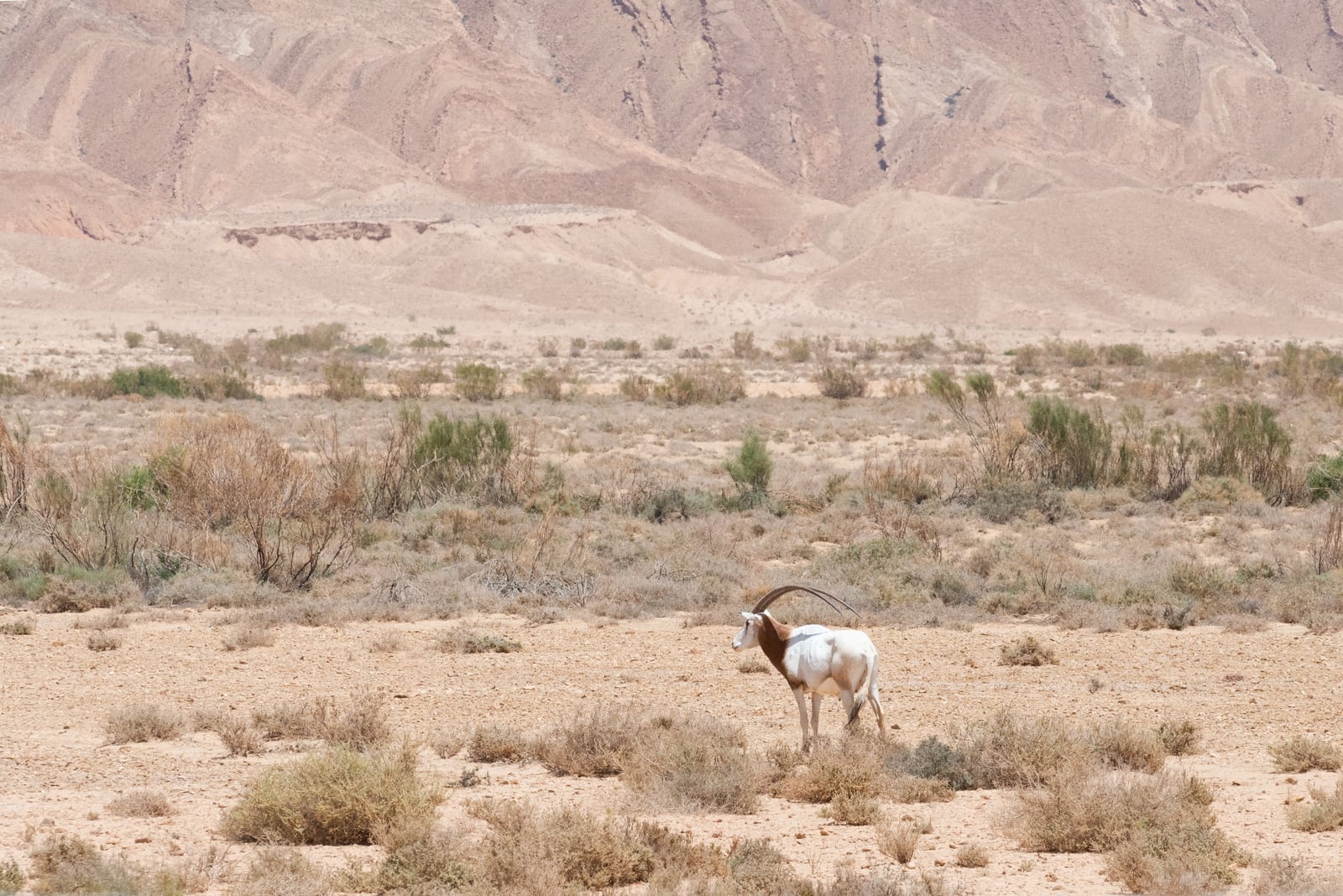
The scimitar-horned oryx once ranged the dry grass and scrub fringing the Sahara, from Morocco and Senegal east to Egypt and Sudan. A single herd counted in Chad in 1936 numbered close to 10,000 animals, and Chad still held most of the world’s population as late as the mid-1970s. Then it unraveled fast. Trucks and repeating rifles reached nomadic hunters. Demand for hides and horns grew, a long Sahelian drought shrank the grazing, and civil war pushed refugees and armed groups into what little range was left. By 2000, the IUCN had no honest choice but to list the species Extinct in the Wild, a category reserved for only a handful of large mammals ever.
What kept the oryx alive wasn’t a wildlife reserve. It was a scattering of zoos, private collectors, and exotic-game ranches that had bred the species since well before the wild population vanished. Some of that stock reached Texas as early as the late 1960s, brought in for game ranching alongside addax and dama gazelle. By the time Africa’s herds were gone, those Texas animals and a similar stock on the Arabian Peninsula were essentially all that was left of the species.
Texas ranches, not a wild Texas range
Every US record for this species traces back to a fenced Texas property, not open rangeland the animal colonized on its own. Ranchers took a handful of founder animals and had a clear financial reason to keep herds large. Texas oryx numbers went from around 32 in 1979 to more than 11,000 by the early 2010s. That growth spread across hundreds of high-fenced properties in the Hill Country and beyond.
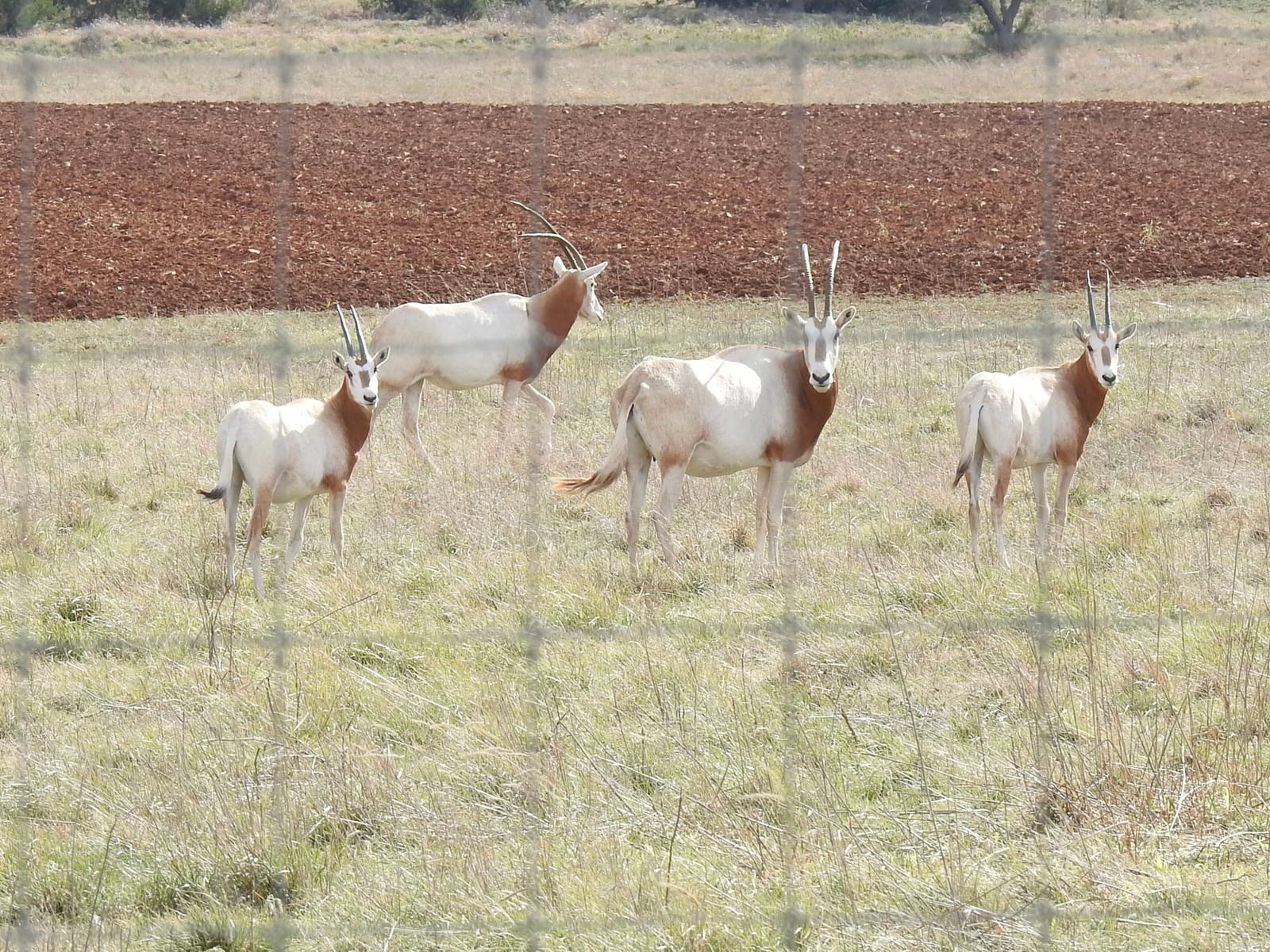
That success ran into US law in the mid-2000s, when animal-welfare groups won a petition adding the oryx, along with addax and dama gazelle, to the federal endangered species list. Ranchers suddenly needed individual permits to hunt or sell the animals, and many warned their herds would collapse without a market to fund them. Congress carved out an exemption in 2014 that let ranchers manage and hunt captive US populations of the three species with far less oversight. The argument: a working economic incentive was doing more for the species than a ban ever had. It’s still an uneasy trade: an animal gone from the wild is kept numerous partly so some of it can be shot for a fee. Critics call that a poor stand-in for real habitat conservation.
What a market-driven herd gets right, and wrong
Big numbers don’t guarantee a healthy gene pool. Of roughly 15,000 scimitar-horned oryx held in captivity worldwide, only about 1,000 sit inside coordinated, studbook-managed breeding programs, the kind accredited zoos run to deliberately avoid pairing close relatives. A 2023 genomic study compared those managed herds to unmanaged private collections, the type most common on ranches. It found the unmanaged animals carried close to three times the inbreeding load, with long inbred stretches of DNA showing up in well over half the individuals sampled. The Texas population isn’t going anywhere soon, but its genetic health is a quieter concern sitting behind the headline recovery.
Back in the Sahara, on its own
The real repair job began in 2016. The Environment Agency of Abu Dhabi and Sahara Conservation started flying zoo- and ranch-descended oryx into Chad’s Ouadi Rimé-Ouadi Achim Faunal Reserve, one of the largest protected areas on Earth. The first wild-born calf arrived that December. By 2023 the reintroduced herd had passed 600 animals, with more than 500 wild-born calves recorded, well past the project’s original goal. On the strength of that recovery, the IUCN moved the species from Extinct in the Wild to Endangered in December 2023. It’s a rare reversal for a large mammal, and a direct payoff of sending captive-bred stock back to the exact landscape it had lost.
Grazers on the move, in Texas or the Sahel
Scimitar-horned oryx live in herds from a handful of animals to several dozen, usually led by a dominant bull. Historically, they pushed north into the Sahara itself during the brief wet season, chasing fresh grazing. They’re grazers before anything else, taking grasses, acacia pods, herbs, and succulent plants as the season allows. Their schedule follows temperature more than daylight. Oryx move and feed in the cooler hours around dawn and dusk. They rest through the worst of the heat, rather than keeping to a strict day or night pattern.
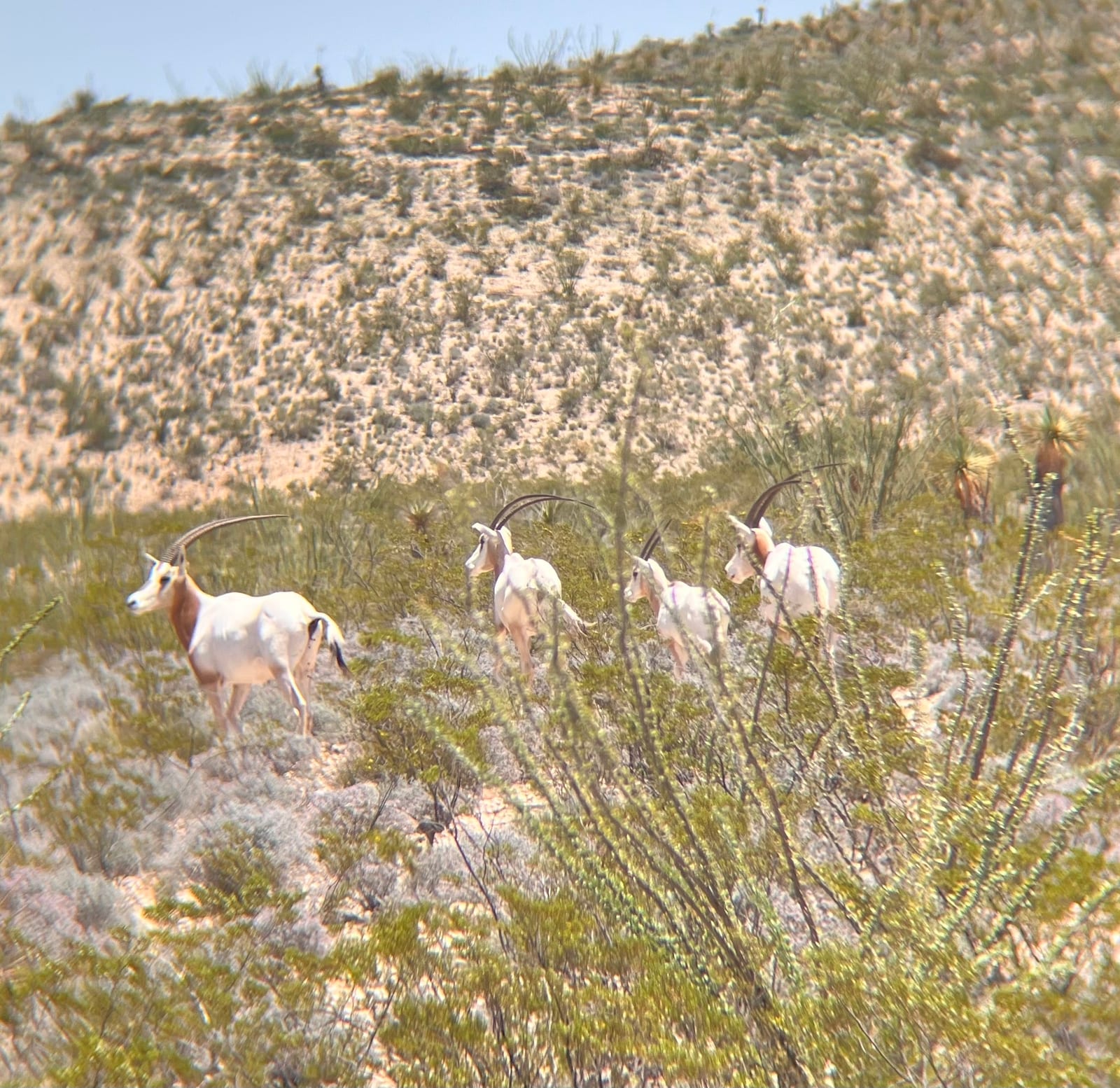
Both sexes reach breeding age around a year and a half to two years old. Calving clusters from spring through fall, in Texas and across the native range alike. A single calf is typical, born after roughly nine months. It can stand and follow the herd within hours, an old defense against predators on open ground. That trick works just as well behind a Hill Country fence as it once did on the Sahel.




