


Connecticut’s open databases hold 28 records for the smoky shrew, most from GBIF, and the most recent logged sighting dates back to November 2023.
Cool, damp forest floor in the northwest hills
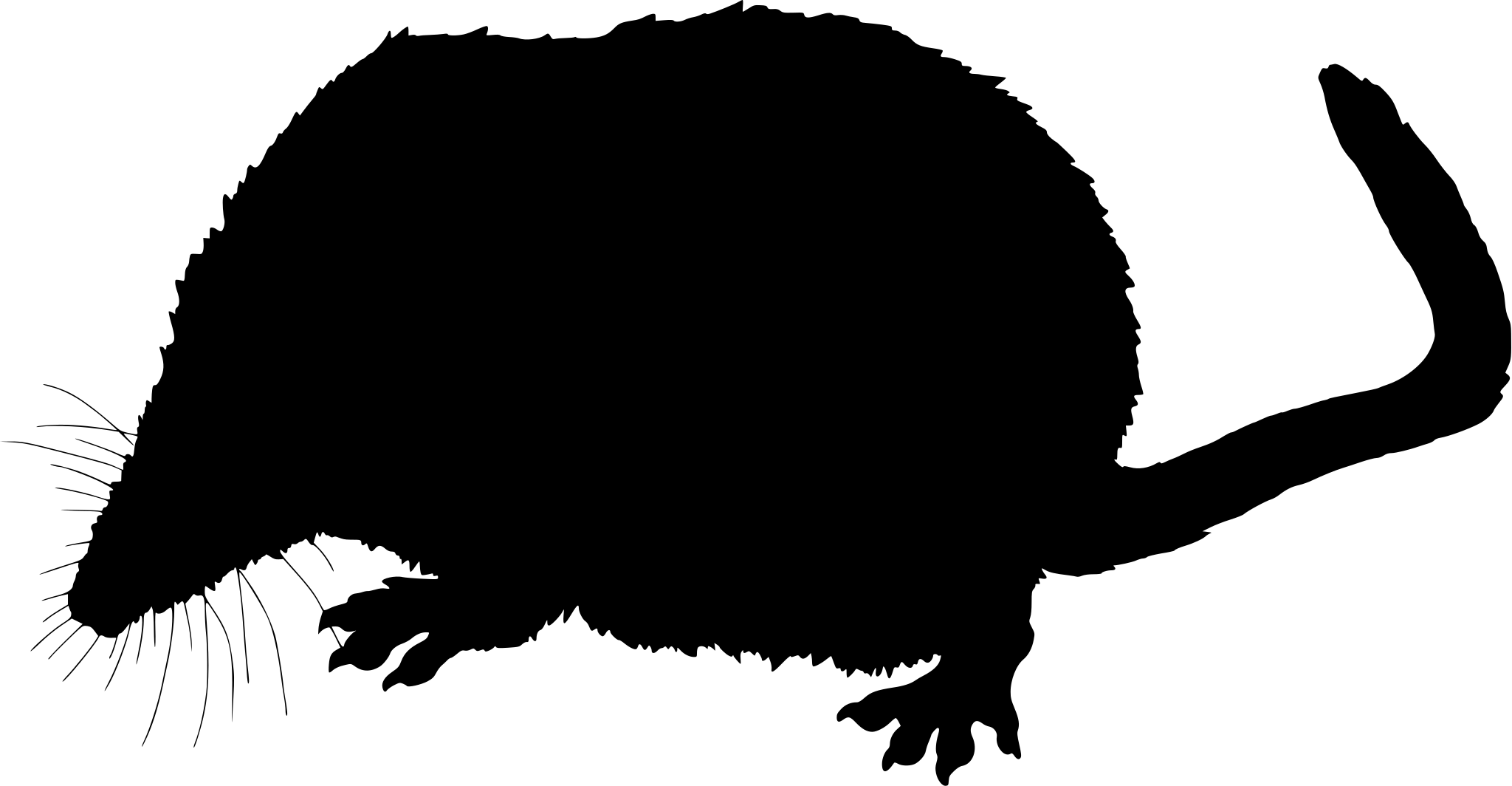
The smoky shrew needs a forest floor that stays reliably moist and shaded, deep leaf litter and rotting logs over cool soil, often close to a stream, rather than the drier or warmer ground found elsewhere in the state. That narrower requirement lines up closely with where Connecticut’s records actually fall: Macedonia Brook State Park, American Legion State Forest, and White Memorial Conservation Center, all within the cooler upland forest of the Litchfield Hills in the state’s northwest corner.
A small hunter that can’t afford to slow down
Like Connecticut’s other shrews, the smoky shrew runs on a fast metabolism that forces it to hunt insects, earthworms, and other small invertebrates in short bursts through the day and night rather than settling into one active period. Records here are thin and uneven from month to month, including gaps in months right next to a recorded peak, which says more about how rarely this small, secretive animal gets documented than about when it’s actually out and hunting.
Status in Connecticut
NatureServe ranks the smoky shrew S5, secure, and it’s native to Connecticut, most reliably recorded in the cooler, moist forest of the northwestern hills.
 Full species profile




