


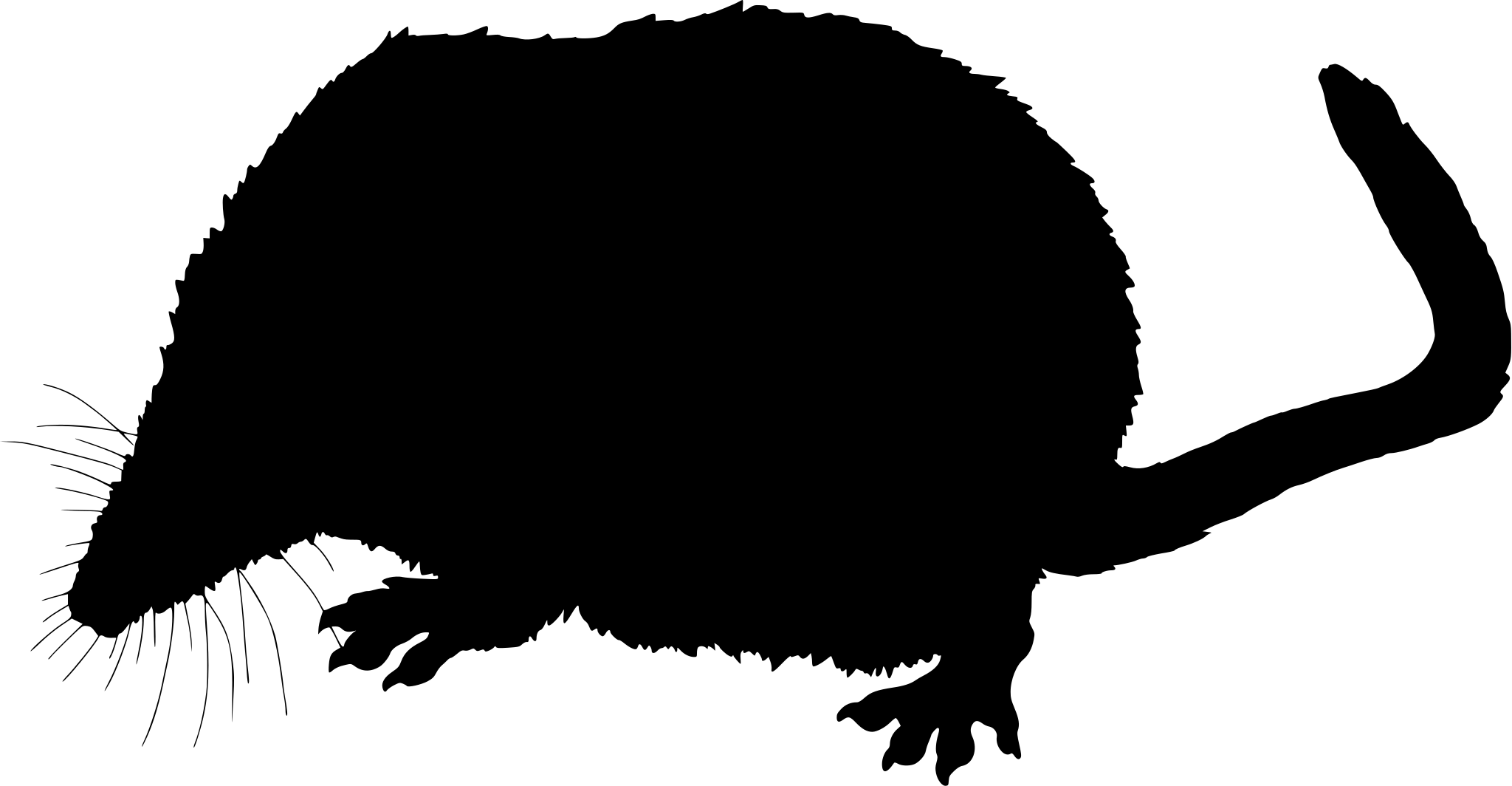
The smoky shrew shows up in Maine’s occurrence data 110 times, most of those as GBIF specimen and survey records rather than casual photos. That count reflects how hard this small, secretive shrew is to document, not how many actually share the state’s forests.
A shrew built for a mossy, damp forest floor
Smoky shrews need cool, moist forest litter with deep leaf duff and rotting logs, usually close to a stream or spring. That habitat runs through Maine’s North Woods and western mountains, where hemlock and mixed hardwood stands hold a damp, mossy floor for most of the year. Acadia’s spruce and fir groves along the coast offer a similar cool, shaded understory, even within sight of the Atlantic.
Hunting mostly by touch, not sight
Smoky shrews have poor eyesight and hunt by touch and smell, digging their own shallow tunnels or borrowing runways other small mammals have already cut through the leaf litter. Insects, centipedes, sowbugs, earthworms, and snails make up most of the diet. A shrew this size burns through energy fast, so it needs to feed almost constantly, in every season.
Status in Maine
NatureServe ranks the smoky shrew S5, secure, and it’s native to Maine. It holds on wherever cool, moss-covered forest floor and rotting wood give it enough cover and food, from the North Woods interior to the shaded groves along the coast.
 Full species profile




