
California mammals

Southern Grasshopper Mouse in California

Onychomys torridus

Native to California SNR Unranked in California

Not listed as nonindigenous in California by USGS NAS; native to its California range.

IUCN Red List status

  1. LC
  2. NT
  3. VU
  4. EN
  5. CR
  6. EW
  7. EX

LC – Least Concern

Widespread and abundant; not at risk.

Southern Grasshopper Mouse in California, by the numbers

Occasional in California 125th most recorded of 241 mammals logged in California

1,504 occurrence records
21 with iNaturalist photos

Records from 2000–2026.

1,504 total records count every California occurrence from GBIF and iNaturalist; the map plots a georeferenced sample of 300; the monthly chart covers the 1,488 records with a full observation date.

When to look for the Southern Grasshopper Mouse in California

Most sightings fall in March to June.

1,488 California occurrence records (iNaturalist and GBIF) by month of year, 2000–2026. Shows when the species is recorded, not a guarantee of presence.

Monthly California records (table)
MonthRecords
January58
February59
March149
April207
May175
June189
July95
August154
September144
October90
November118
December50

Monthly southern grasshopper mouse occurrence records (iNaturalist and GBIF) in California, 2000–2026.

Seasonality

Year-round in California, with recorded sightings peaking in March–June, with a smaller rise in August–September.

Occurrence map

Where Southern Grasshopper Mouse has been recorded in California

300 records mapped · zoom and drag to explore

300 California records mapped

Notable places to look

Park, forest, or monumentiNaturalist records
Death Valley National Park 70
Mojave National Preserve 59
Joshua Tree National Park 42
Kiavah Wilderness Area 21
Owens Peak Wilderness Area 16
Santa Rosa And San Jacinto National Monument 12
Golden Valley Wilderness Area 9
Carrizo Plain National Monument 6

Protected places with the most southern grasshopper mouse sightings, from the USGS Protected Areas Database plus named mountain ranges, good spots to look, not a full breakdown, so they don't sum to the total.

Where it's recorded in California

CountyRecords
San Bernardino County 510
Inyo County 304
Kern County 265
Riverside County 160
Los Angeles County 71
San Diego County 59
Mono County 40
San Luis Obispo County 36
San Benito County 16
Fresno County 15
Kings County 8
Imperial County 3
4 other counties 17

The complete county distribution, spread across 16 California counties. Every occurrence record falls in one county, so these sum to the total. Counties from GBIF and US Census boundaries.

California’s combined state files contain 1,517 Southern Grasshopper Mouse records: 21 from iNaturalist and 1,496 from GBIF. It ranks 125th among 243 mammals in this California record comparison, placing it in the middle third. That’s a ranking of submitted records, not a head count of animals.

The monthly series reaches its high point in April, with 49 records in the busiest month. Records appear in 11 of 12 months, so the pattern shows when sightings were documented, not when the species must be present or absent.

California accounts for about 19% of the mapped GBIF records summarized on the national Southern Grasshopper Mouse page. That’s a modest share of the known record footprint, though differences in survey effort can strongly shape the percentage.
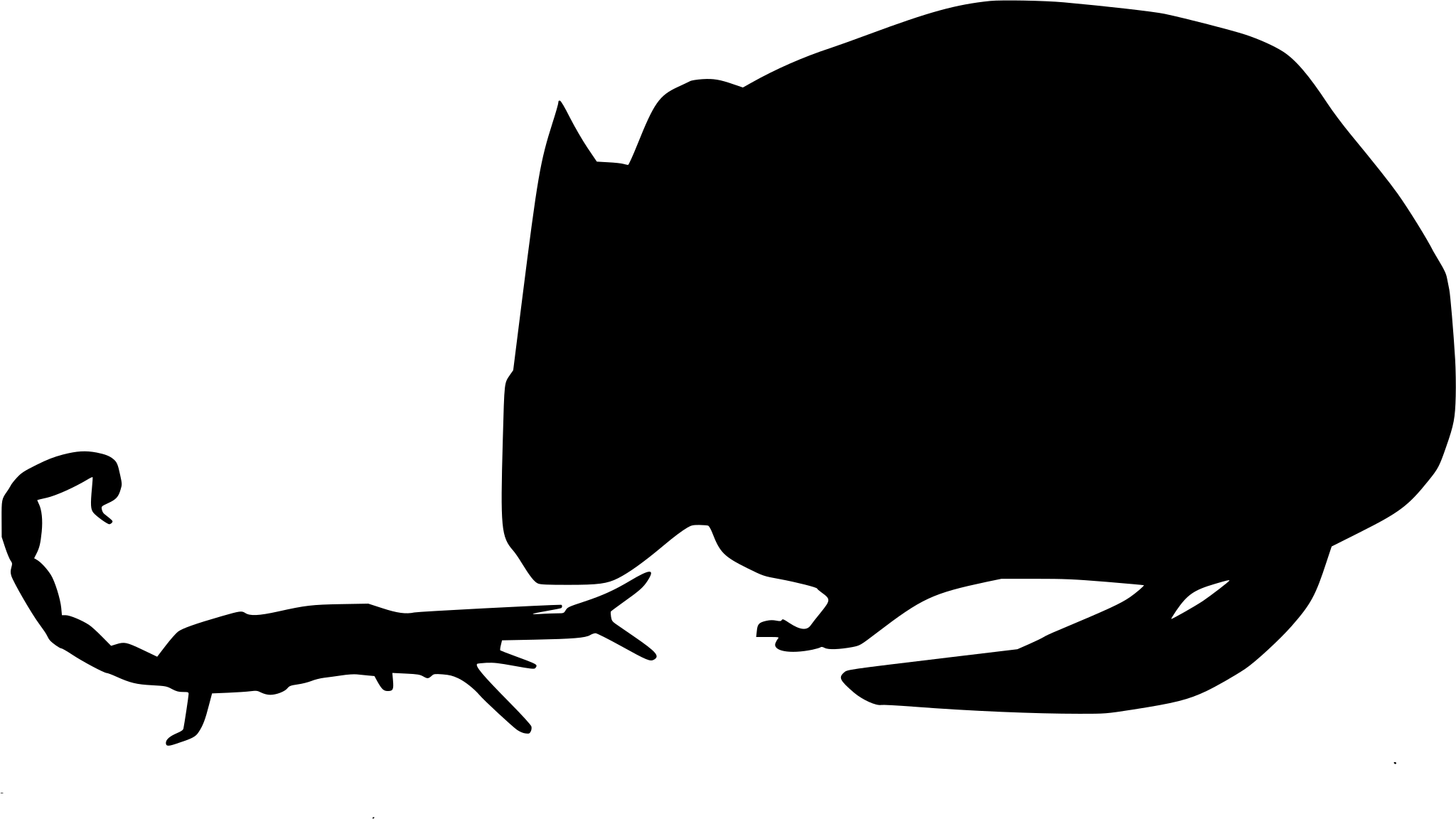
Occurrence data from iNaturalist and GBIF.

More mammals in California in the atlas

Data & sources

The data and visualizations on this page draw on these open sources:

  • GBIFCC-BY 4.0occurrence records behind the range map, elevation, and record counts
  • iNaturalistCC0 / CC-BY / CC-BY-SAobservations, photos, and audio recordings
  • NatureServe ExplorerCC-BYthe state conservation rank
  • IUCN Red Listattributed factthe global conservation status
  • USGS NASpublic domainnative / introduced status
  • Natural Earthpublic domainthe relief basemap
  • USFSpublic domainnational-forest boundaries
  • USGS Protected Areas Databasepublic domainthe named parks, forests, and refuges behind "notable places to look"




