


With 10633 records, the striped skunk is one of the most recorded mammals in the California atlas, and its map is a map of the state itself. Los Angeles and San Diego counties lead, with the Bay Area close behind, though records reach nearly every county, from Humboldt’s damp north coast to the desert edges of Riverside.
A generalist with a famous defense
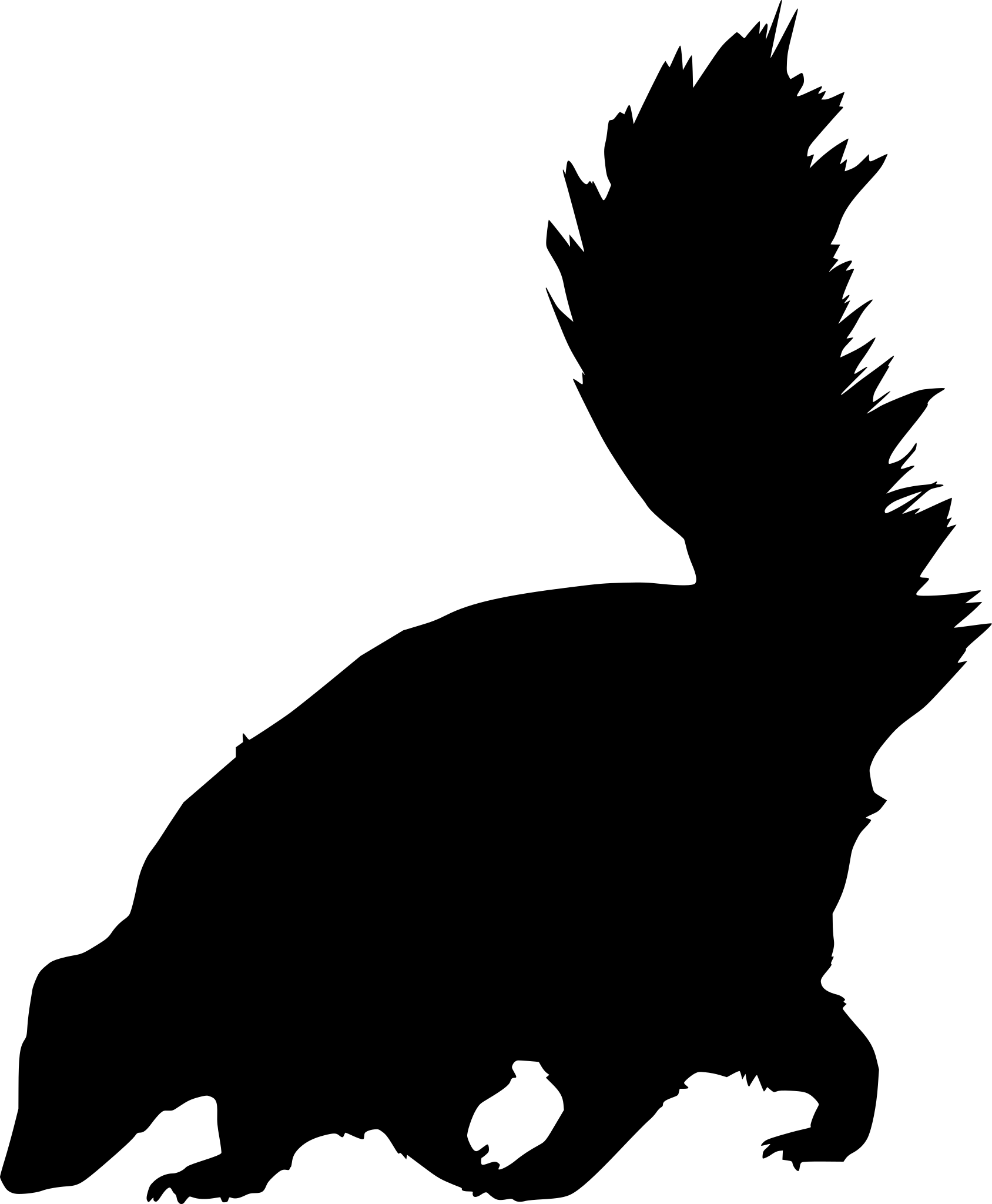
A striped skunk eats whatever the season offers, grubs, beetles, grasshoppers, mice, eggs, fallen fruit, and it finds that food in lawns, pastures, woodland edges, and streamside thickets alike. Its willingness to den under porches and outbuildings puts it close to people, and its defense keeps most encounters brief: before spraying, a skunk stamps its feet and raises its tail, a warning that predators and dogs learn to respect. California’s record shows the breadth of that comfort, from Santa Monica Mountains National Recreation Area and Cleveland National Forest to Point Reyes National Seashore and the parks ringing San Francisco Bay.
No deep sleep in a mild state
Skunks are not true hibernators. In cold country they den up for weeks through the worst of winter, but along California’s coast they stay active in every month. Records run steadily all year and crest in June, when young skunks are out foraging with their mothers and summer nights draw both skunks and people outdoors. Winter breeding, beginning in late February, keeps the animals roaming even in the quiet season.
Status in California
NatureServe lists the striped skunk as SNR, Unranked, in California, though the species is native to the state and globally secure. USGS NAS does not list it as nonindigenous here.
 Full species profile




