
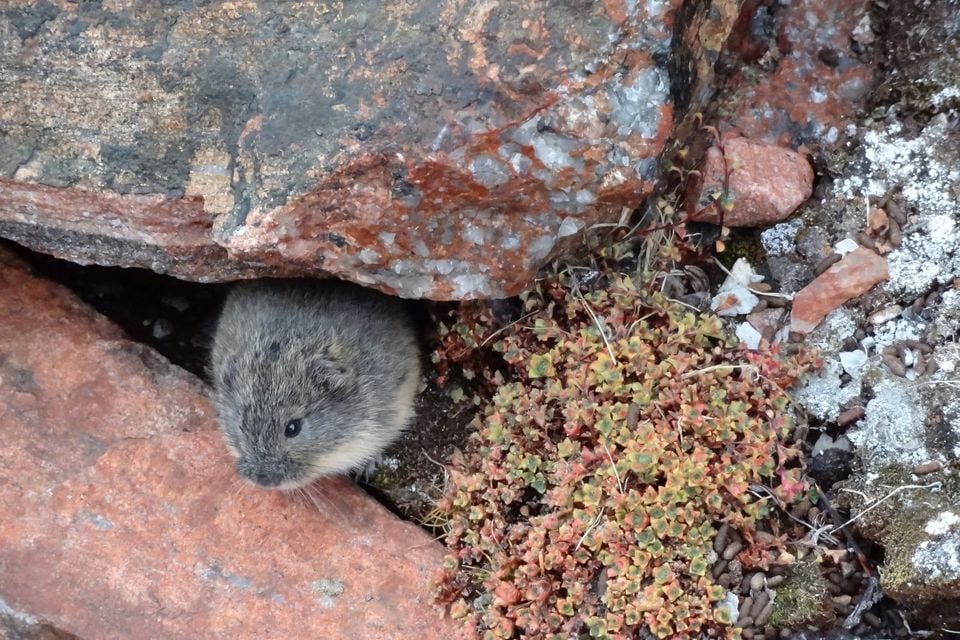
Taiga Vole

Microtus xanthognathus

Also known as: Yellow-cheek Vole

LCLeast Concern

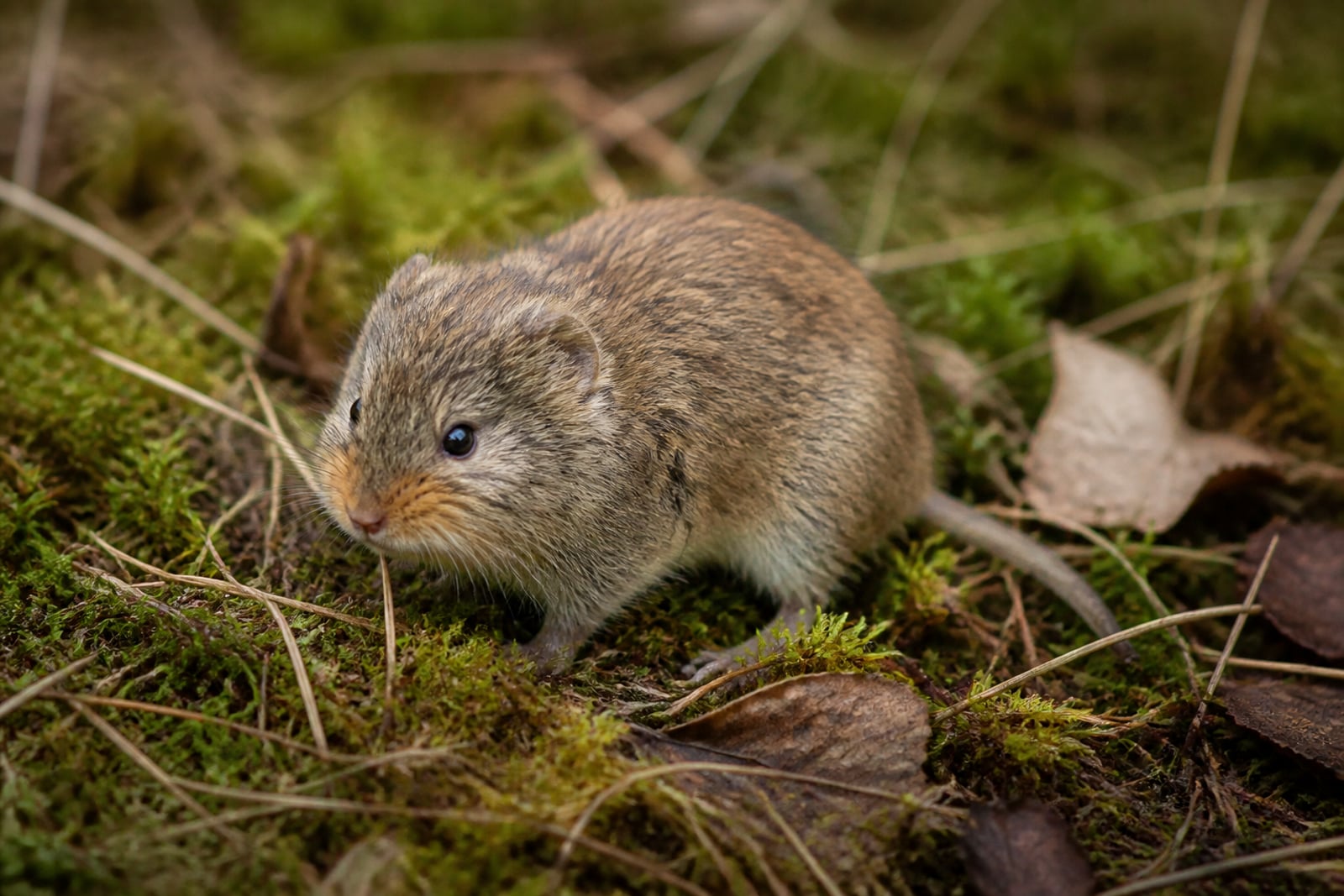
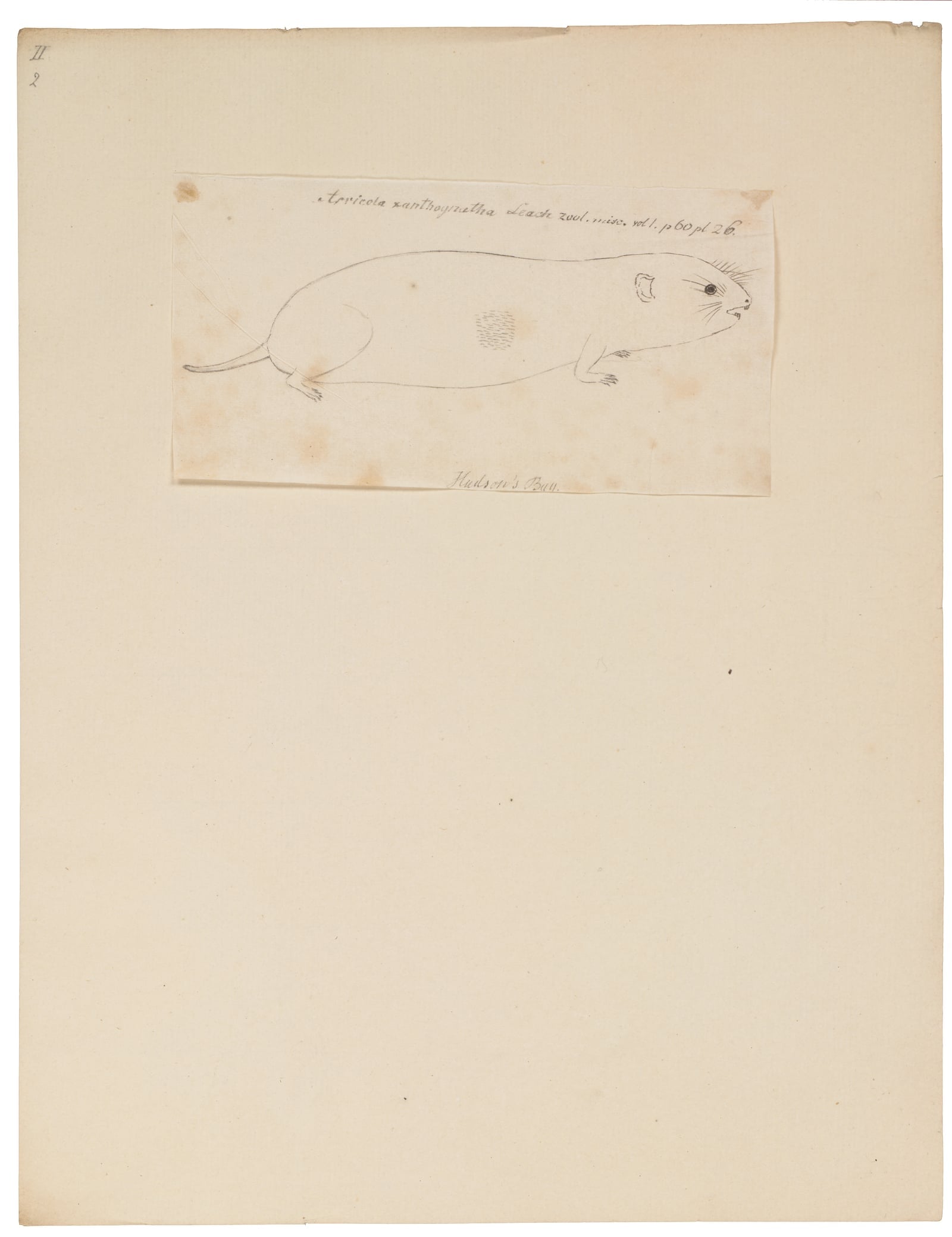
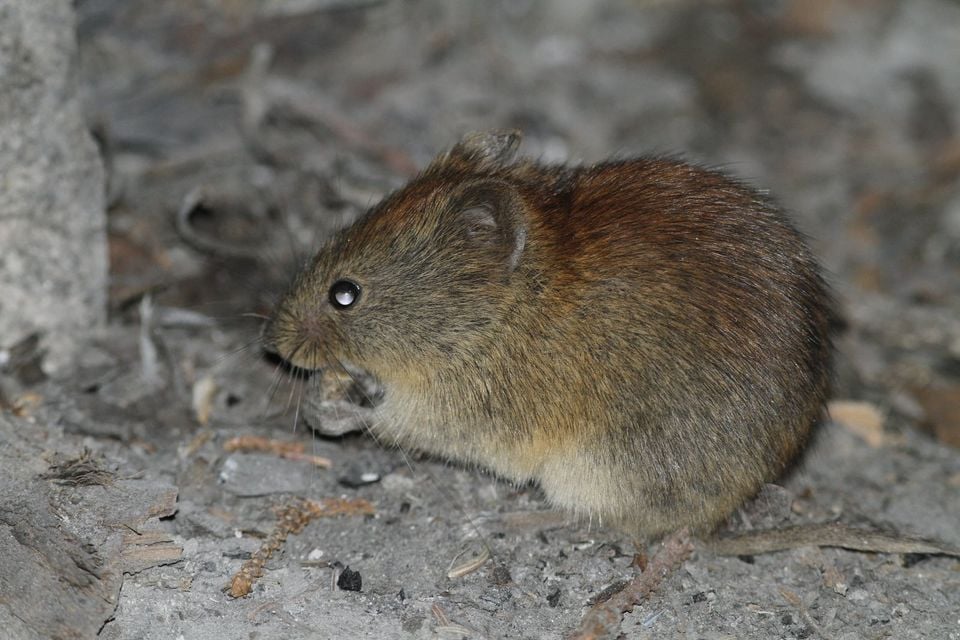
The taiga vole is the largest vole in North America, a genuinely oversized cousin of the mouse-sized voles most people picture, marked further by warm yellow-orange patches on its cheeks that give it its other name. It's also unusually social for a vole, digging extensive burrow colonies and often moving into boreal forest still recovering from wildfire. Records below concentrate almost entirely in a single Alaska summer month, a narrow window shaped as much by short field seasons as by the vole's own calendar.

Range through the year

Where Taiga Vole is seen

Taiga Vole is recorded in 1 US state from 1,717 occurrence records, most heavily in Alaska (1,717 records).

Current range1,717 records · 1 states
AlabamaArizonaArkansasCaliforniaColoradoConnecticutDelawareDistrict of ColumbiaFloridaGeorgiaIdahoIllinoisIndianaIowaKansasKentuckyLouisianaMaineMarylandMassachusettsMichiganMinnesotaMississippiMissouriMontanaNebraskaNevadaNew HampshireNew JerseyNew MexicoNew YorkNorth CarolinaNorth DakotaOhioOklahomaOregonPennsylvaniaRhode IslandSouth CarolinaSouth DakotaTennesseeTexasUtahVermontVirginiaWashingtonWest VirginiaWisconsinWyomingAlaska · 1,717 records · view state pageAKHawaiiHIPuerto RicoPR
Occurrence data by state and month
Taiga Vole – occurrence records by US state and month (1,717 total across 1 states)
StateJanFebMarAprMayJunJulAugSepOctNovDecYear
Alaska····517691,499127···1,717

Based on 3,005 georeferenced US records. Shading is observation density (where people record sightings), not true abundance. Alaska, Hawaii & Puerto Rico shown as insets.

Explore by state

Taiga Vole across 1 state

Occurrence records, conservation status, and the places it turns up, state by state. Open a state for detail, or visit its full page.

  • AlaskaNativeCommon3,005 records

    State rankSecure

    Notable placesState Patented · James Dalton Highway Corridor · Gates of the Arctic National Park · Gates of the Arctic National Preserve

    Countiesrecorded in 7

    Year-round in Alaska, with recorded sightings peaking in August.

IUCN Red List status

  1. LC
  2. NT
  3. VU
  4. EN
  5. CR
  6. EW
  7. EX

LC – Least Concern

Widespread and abundant; not at risk.

SizeTaiga Vole beside a 1.8 m adult, drawn to scale
Created by potrace 1.16, written by Peter Selinger 2001-2019 Created by potrace 1.16, written by Peter Selinger 2001-2019
Body length
19–23 cm7 in–9 in
Weight
140–170 g4.9–6 oz

Silhouettes drawn to scale against a 1.8 m5 ft 11 in adult.

Observation peakJune3 recordsBased on a small number of dated records; the seasonal pattern may not be representative.

Seasonality from research-grade observation dates across the US (3 records, all years). Reflects when the species is recorded, not a guarantee of presence.

Best encounter

Where and when to see a Taiga Vole

Your best chance: Alaska, in June.

Where
AlaskaAK
When
June

Life history

The Taiga Vole (140–170 g4.9–6 oz) is a herbivore that bears about 8.2 young per litter.

Reproduction

Litter size
8.2youngaverage
Litters / year
2litters

Diet composition

Herbivore

By foraging composition: 80% plant material, 20% seeds & grain.

  • Plant material80%
  • Seeds & grain20%

Most active around the clock.

Typical values for the species, not local measurements.

Commonly confused with

Animals people sometimes mistake for the taiga vole, and how to tell them apart.

The biggest vole in North America

The taiga vole is the largest vole species on the continent, distinctly heavier-bodied than the tundra voles, red-backed voles, and lemmings sharing its Alaska range. Its common alternate name, yellow-cheeked vole, points to the warm yellow-orange patches marking its face, a genuinely useful field mark on an animal that otherwise reads as an oversized, thick-furred rodent. Size and those cheek patches together are often enough to rule this species in when a smaller relative would be the more obvious guess.

A colonial vole in burned-over forest

Most voles are solitary, defending small individual territories. The taiga vole breaks that pattern. It digs extensive burrow systems and lives in loose colonies that can include several adults and their young sharing one tunnel network. It has a particular fondness for black spruce taiga recovering from wildfire, where open, sun-warmed ground and a flush of early plant growth make good digging and foraging conditions. Communal burrows mean communal winter nesting too, with animals huddling together underground and under snow to conserve heat, another habit that sets this species apart from more solitary voles.

Fewer, bigger litters than most Arctic voles

Where many small Arctic rodents pack in several litters a year, the taiga vole typically manages only two. Each one runs unusually large, commonly seven to ten pups. That trade, fewer breeding rounds but bigger ones each time, likely reflects both its larger body and its habit of nesting communally rather than dispersing widely to breed alone.

A big body with an appetite for coarse plants

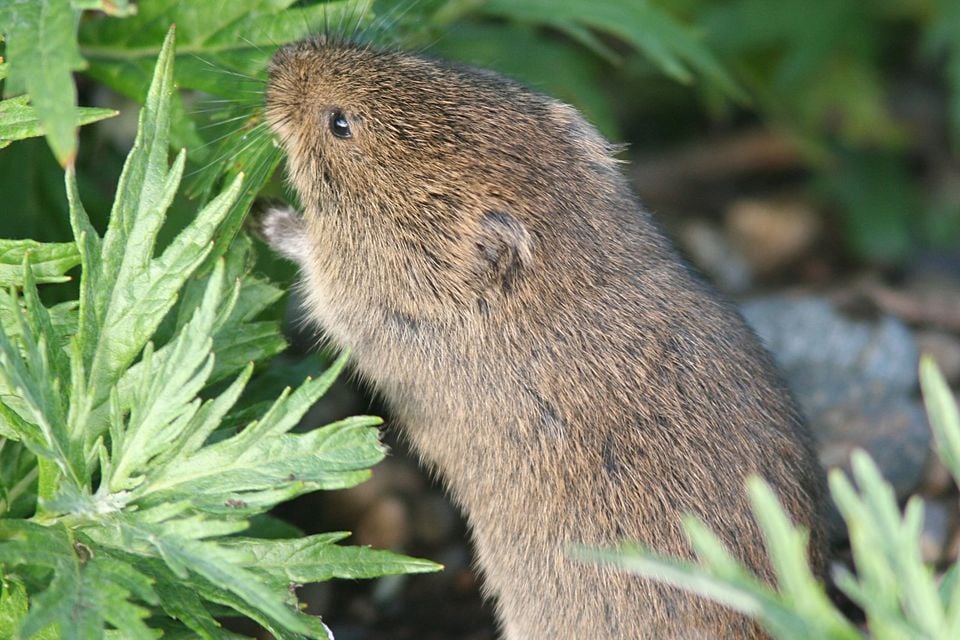
Grasses make up a large share of the diet, but the taiga vole also eats lichens, berries, and horsetails, the bristly, primitive plants that carpet much of the boreal forest floor. A willingness to process coarser, less nutrient-dense plants than many voles bother with may be part of what lets this species grow so much larger than its neighbors.

A short window on the calendar

Nearly every documented sighting of the taiga vole falls in a single narrow stretch of the Alaska summer, with almost nothing recorded outside it. Some of that is real. A species that dens deep in burrows and under snow for much of the year is genuinely harder to observe. But it also reflects how short the field season is for surveying interior Alaska’s taiga, a practical constraint on the record as much as a description of the vole’s own activity.


Data & sources

The data and visualizations on this page draw on these open sources:

  • GBIFCC-BY 4.0occurrence records behind the range map, elevation, and record counts
  • iNaturalistCC0 / CC-BY / CC-BY-SAobservations, photos, and audio recordings
  • PhyloPicCC0 / CC-BY per itemthe to-scale silhouettesEdwin Price (Microtus) · Andrew A. Farke (human silhouette, CC-BY 3.0)
  • AnAge (HAGR)CC-BY 3.0longevity, maturity, and gestation figures
  • IUCN Red Listattributed factthe global conservation status
  • Amniote Life-History DatabaseCC0 · public domainreproduction figures
  • EltonTraitsCC0 · public domaindiet and foraging-activity data


