
Alaska mammals

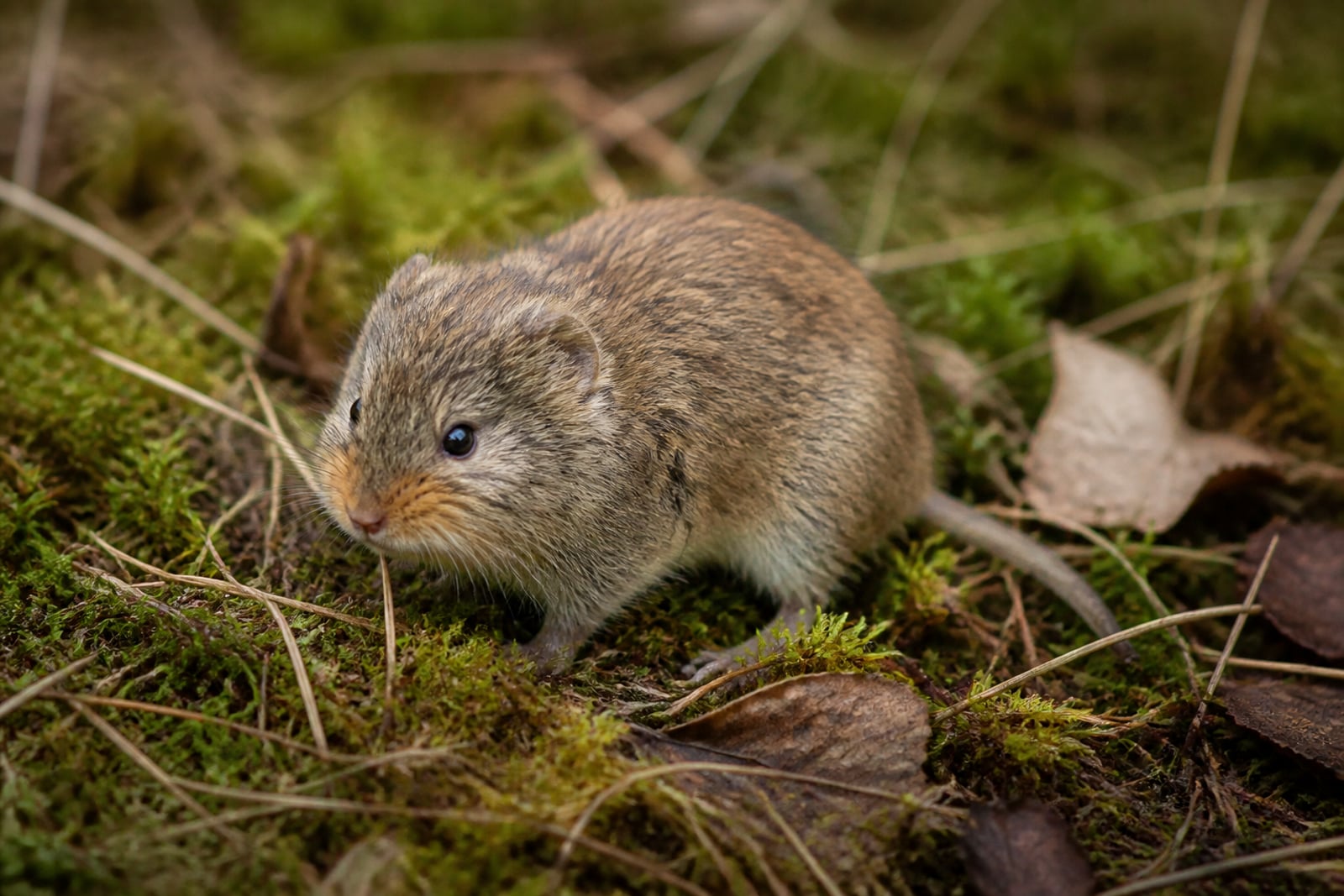
Taiga Vole in Alaska

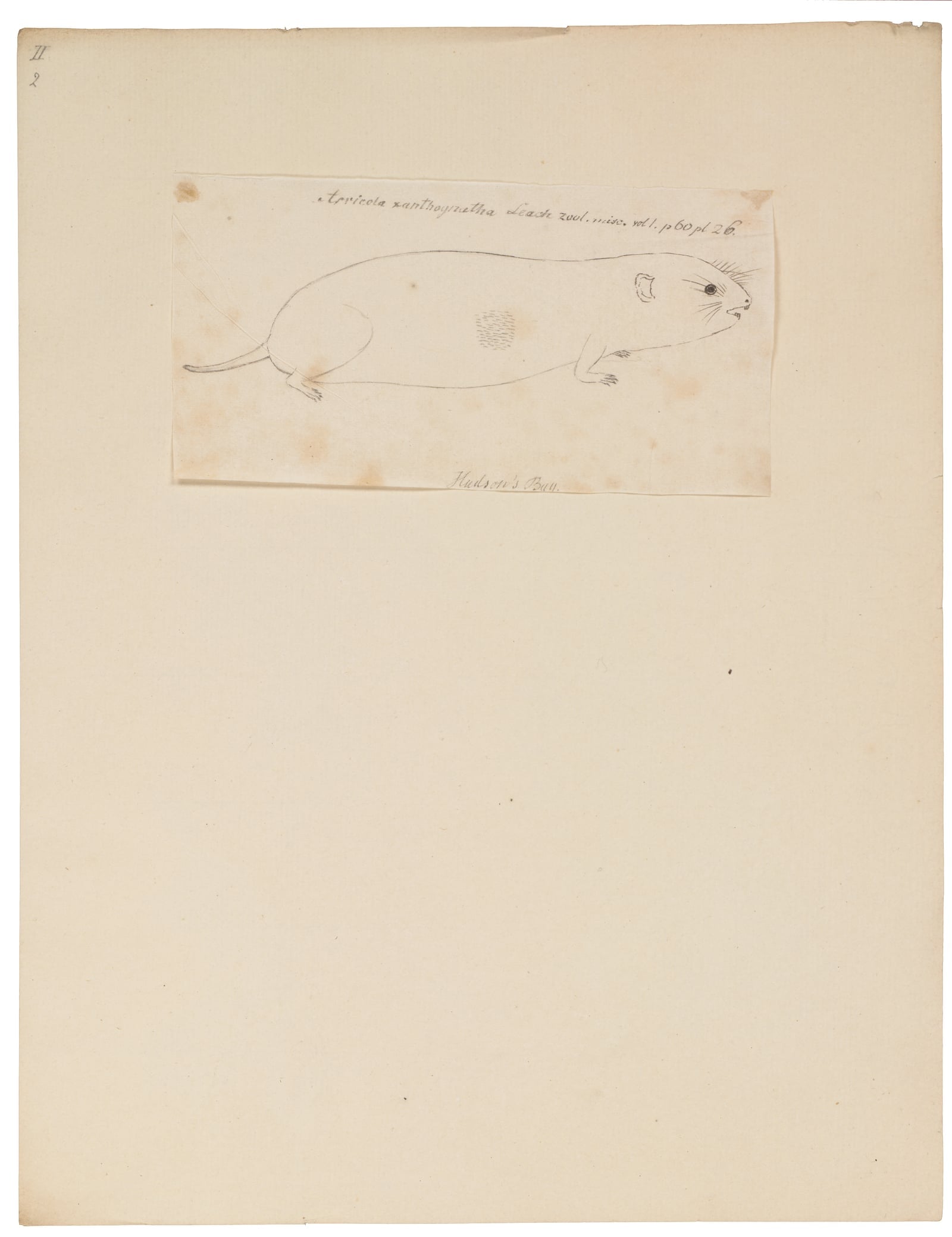
Microtus xanthognathus

Native to Alaska S5 Secure in Alaska

Not listed as nonindigenous in Alaska by USGS NAS; native to its Alaska range.

IUCN Red List status

  1. LC
  2. NT
  3. VU
  4. EN
  5. CR
  6. EW
  7. EX

LC – Least Concern

Widespread and abundant; not at risk.

Taiga Vole in Alaska, by the numbers

Common in Alaska 17th most recorded of 108 mammals logged in Alaska

3,005 occurrence records
3 with iNaturalist photos
Jun 27, 2026 Last seen in Alaska

3,005 total records count every Alaska occurrence from GBIF and iNaturalist; the map plots a georeferenced sample of 300; the monthly chart covers the 2,967 records with a full observation date.

When to look for the Taiga Vole in Alaska

Most sightings fall in August.

2,967 Alaska occurrence records (iNaturalist and GBIF) by month of year. Shows when the species is recorded, not a guarantee of presence.

Monthly Alaska records (table)
MonthRecords
January3
February1
March3
April13
May61
June67
July141
August2,373
September298
October1
November5
December1

Monthly taiga vole occurrence records (iNaturalist and GBIF) in Alaska.

Seasonality

Year-round in Alaska, with recorded sightings peaking in August.

Occurrence map

Where Taiga Vole has been recorded in Alaska

300 records mapped · zoom and drag to explore

300 Alaska records mapped

Notable places to look

Park, forest, or monumentiNaturalist records
State Patented 89
James Dalton Highway Corridor 85
Gates of the Arctic National Park 80
Gates of the Arctic National Preserve 74
Kobuk Valley National Park 49
Denali National Preserve 31
State Tentatively Approved (tad) 9
Koyukuk Wilderness Area 5

Protected places with the most taiga vole sightings, from the USGS Protected Areas Database plus named mountain ranges, good spots to look, not a full breakdown, so they don't sum to the total.

Where it's recorded in Alaska

CountyRecords
Yukon-Koyukuk County 2,488
Northwest Arctic County 246
Fairbanks North Star County 152
Southeast Fairbanks County 75
Denali County 40
Wade Hampton County 3
North Slope County 1

The complete county distribution, spread across 7 Alaska counties. Every occurrence record falls in one county, so these sum to the total. Counties from GBIF and US Census boundaries.

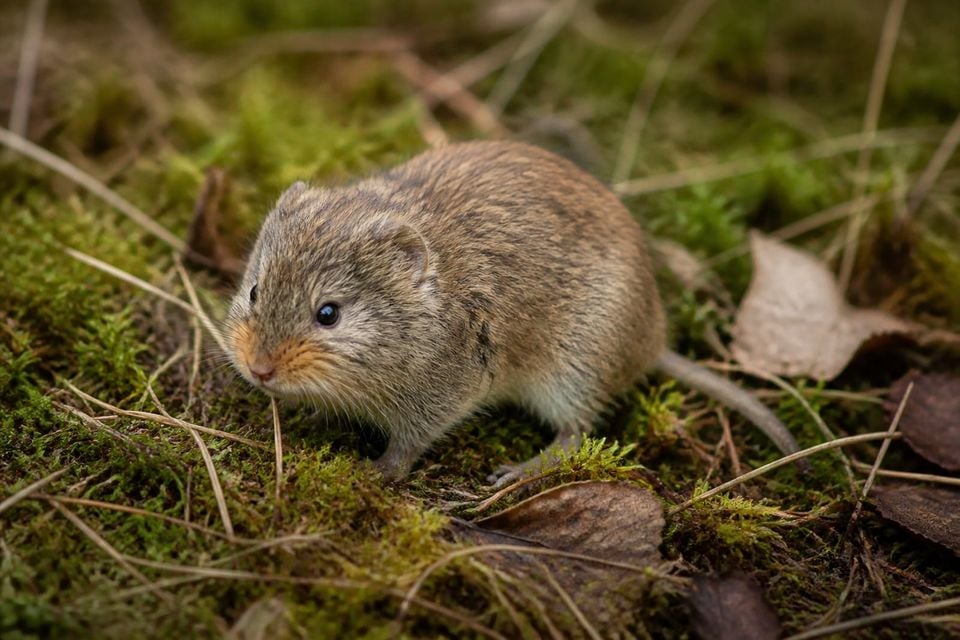
Alaska’s reports for the taiga vole concentrate in Arctic National Wildlife Refuge, the North Slope, and Gates of the Arctic National Park and Preserve, boreal and tundra country stretching from the Brooks Range foothills toward the Arctic coast. This is North America’s largest vole, and it favors black spruce taiga still recovering from wildfire, where open, sun-warmed ground supports the burrowing this species depends on.

Unlike most voles, which live and defend territory alone, taiga voles dig connected burrow systems and den together underground through winter, huddling in shared tunnels below the snow. Grasses make up most of the diet, but the vole also chews through lichens, horsetails, and berries, tougher plant matter that may help explain why it grows so much larger than the tundra voles and lemmings sharing its range.

Alaska’s records for this species pile up almost entirely in a single August window, with next to nothing recorded the rest of the year. Some of that reflects real biology: a species that spends so much time in burrows and under snow is genuinely hard to spot. But it’s also a function of how short the Interior Alaska field season runs, so a gap in reports outside that window doesn’t mean the vole isn’t there.

Occurrence data from iNaturalist and GBIF.

More mammals in Alaska in the atlas

Data & sources

The data and visualizations on this page draw on these open sources:

  • GBIFCC-BY 4.0occurrence records behind the range map, elevation, and record counts
  • iNaturalistCC0 / CC-BY / CC-BY-SAobservations, photos, and audio recordings
  • NatureServe ExplorerCC-BYthe state conservation rank
  • IUCN Red Listattributed factthe global conservation status
  • USGS NASpublic domainnative / introduced status
  • Natural Earthpublic domainthe relief basemap
  • USFSpublic domainnational-forest boundaries
  • USGS Protected Areas Databasepublic domainthe named parks, forests, and refuges behind "notable places to look"




