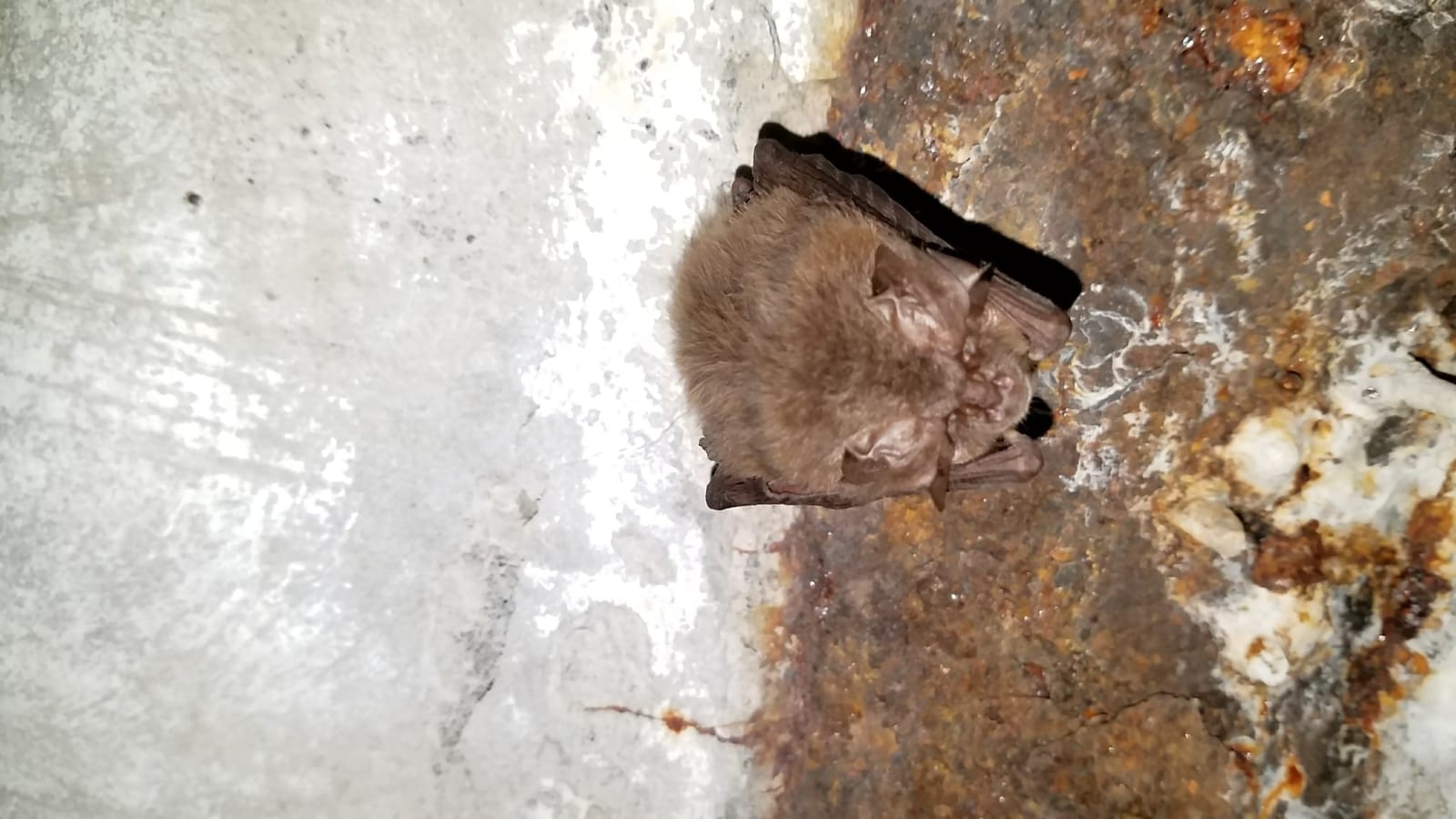
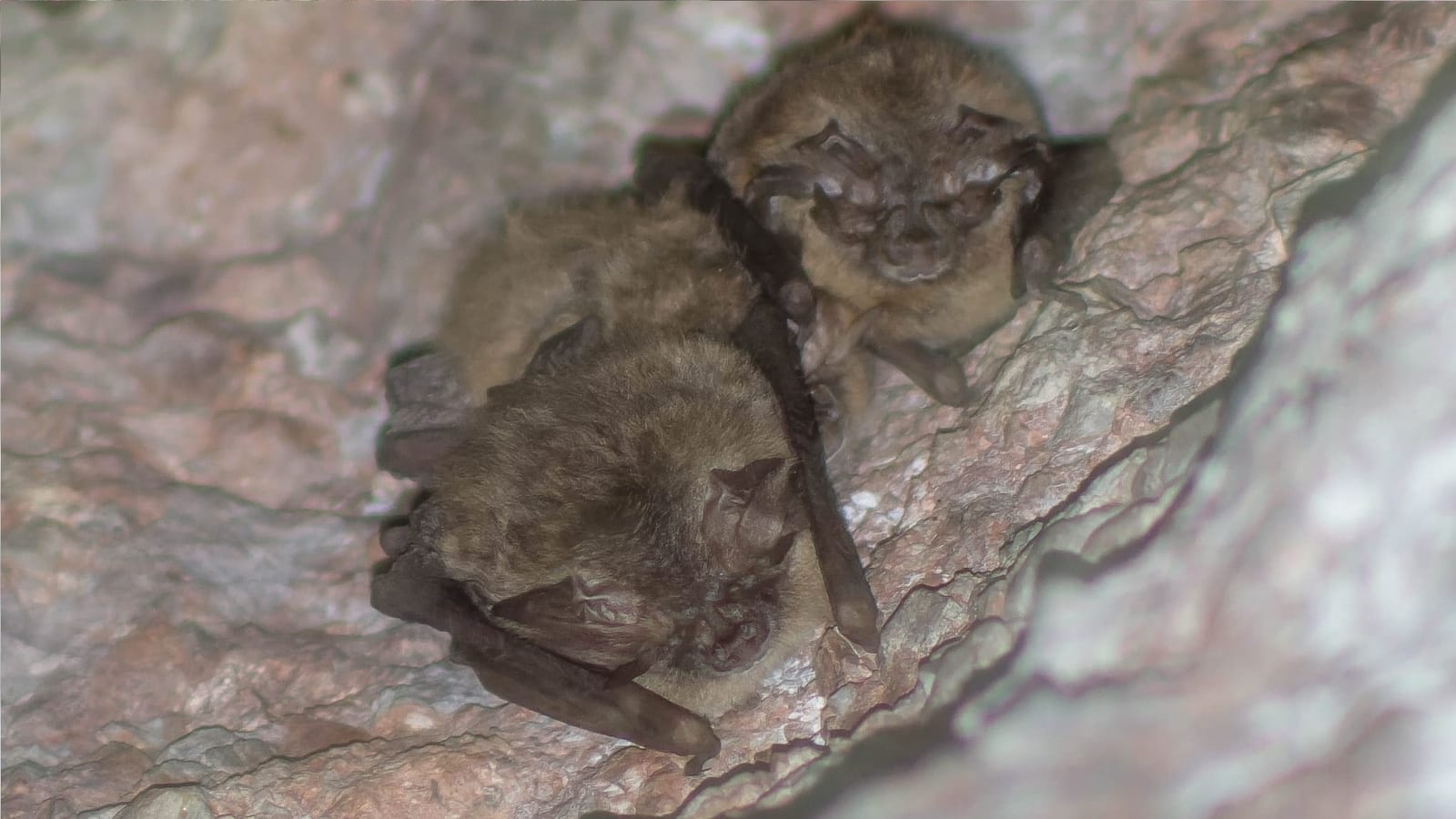
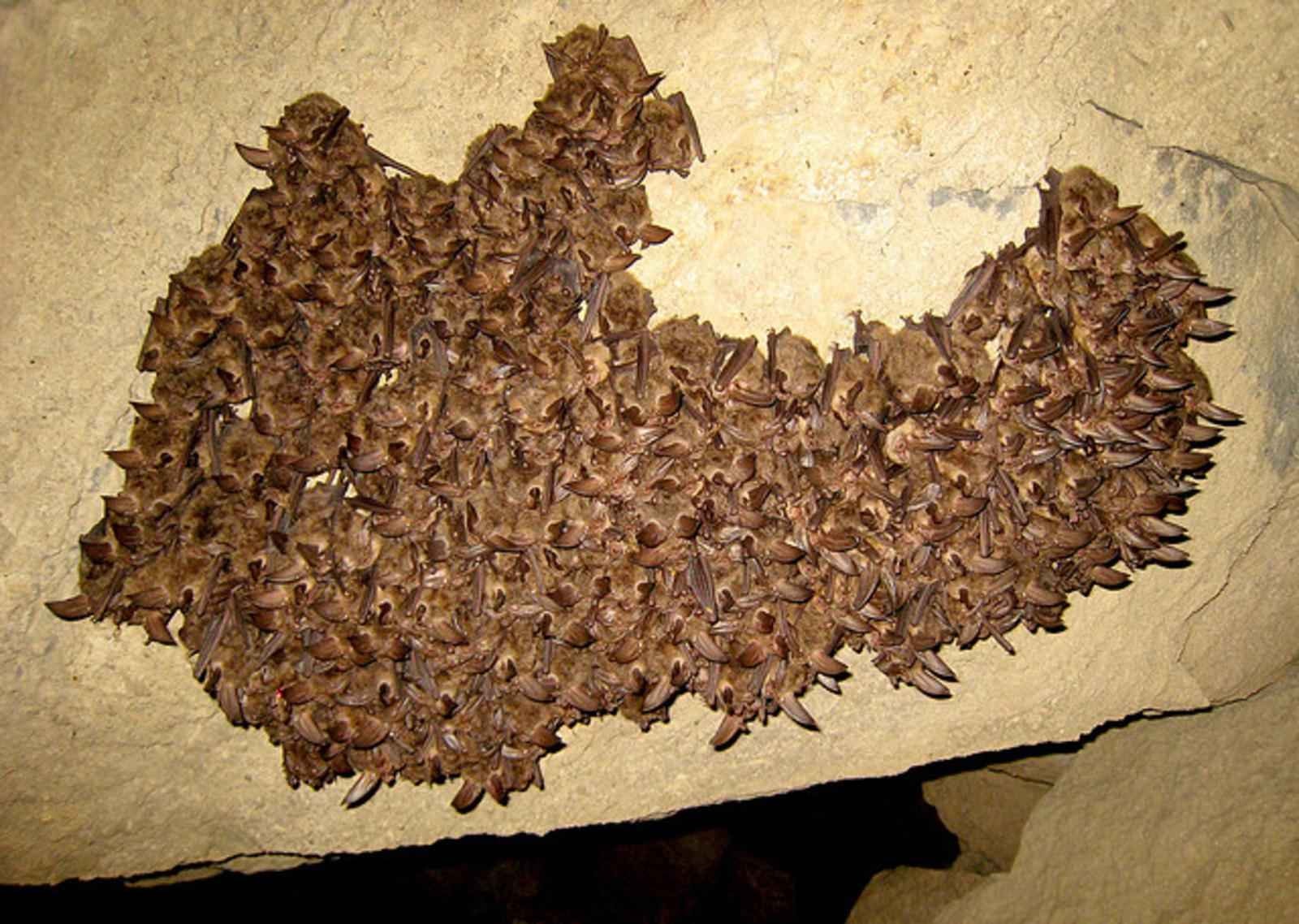
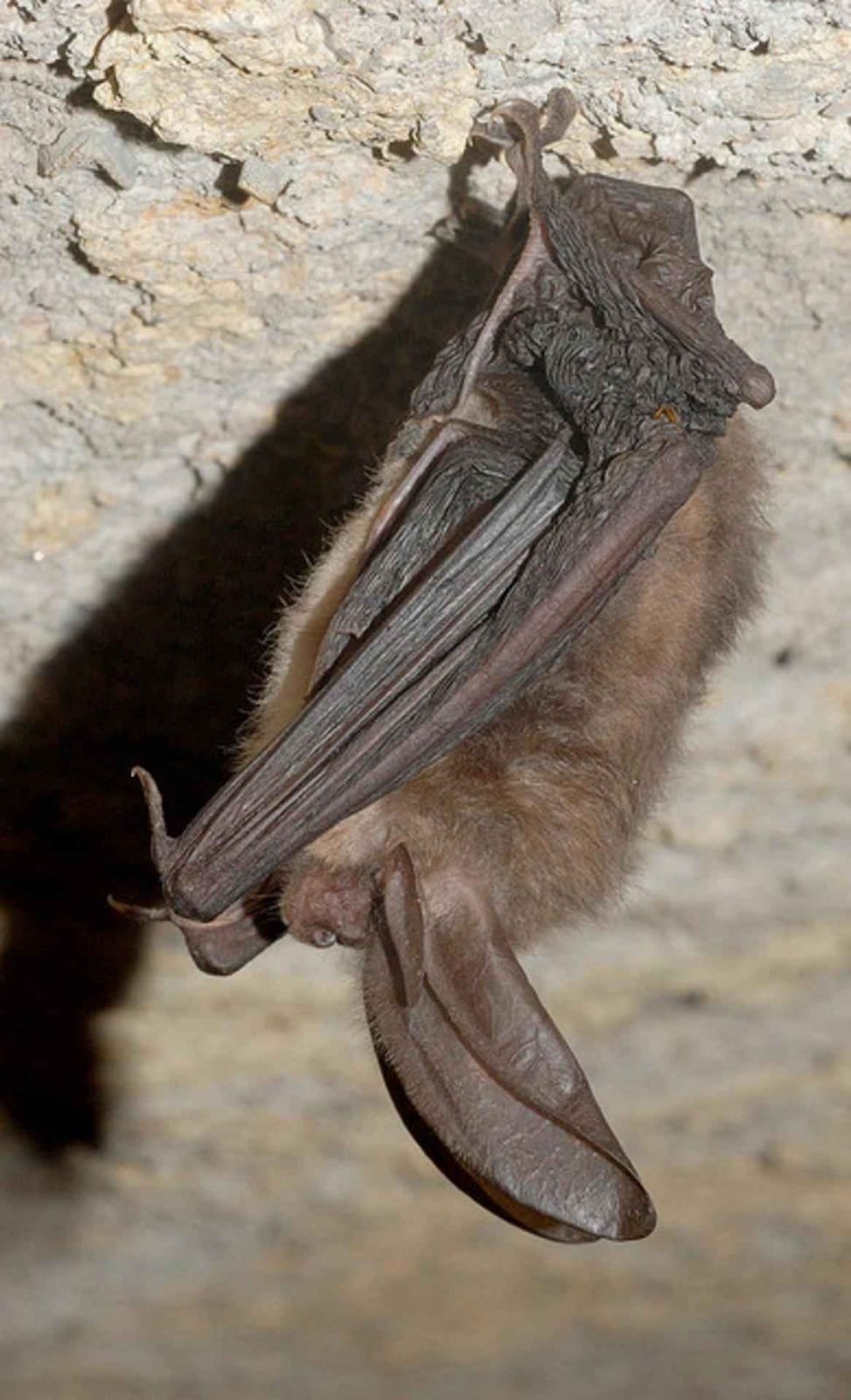
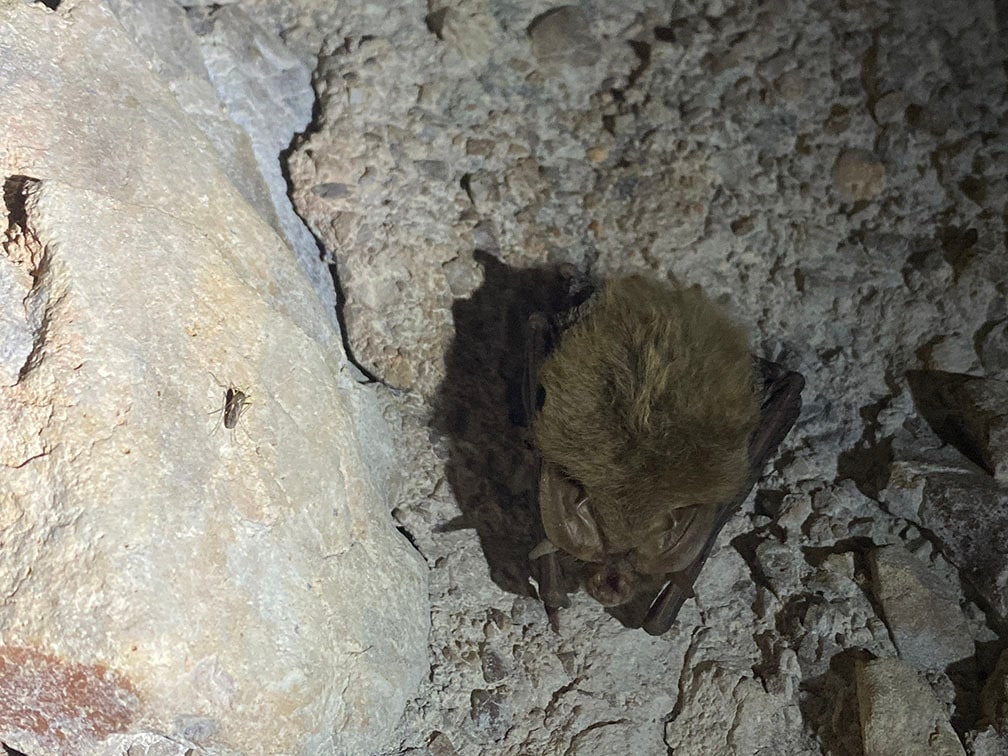
Nevada records for Townsend’s big-eared bat are anchored by Gold Butte National Monument and Great Basin National Park, with 3 each. They show where people have reported it, not how many animals live there.
The Nevada records bridge the state’s southern desert country and its higher central or northern ranges. That broad spread matters more than any single hotspot. The strongest reporting runs from April through June, with a smaller rise in December.
The file combines 29 research-grade iNaturalist records and 69 GBIF records; with the overlap between them removed, that’s 80 distinct records, which measure documented encounters, not Nevada’s population size. It’s native to Nevada. Nevada doesn’t specifically list it under the state’s conservation framework, and the IUCN lists it as Least Concern.
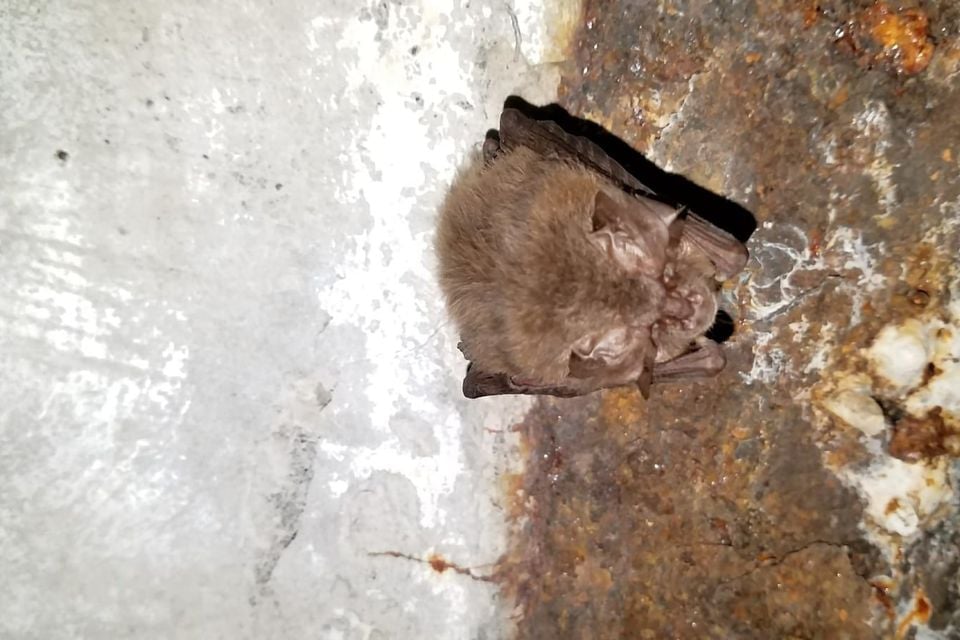
 Full species profile