Oklahoma mammals

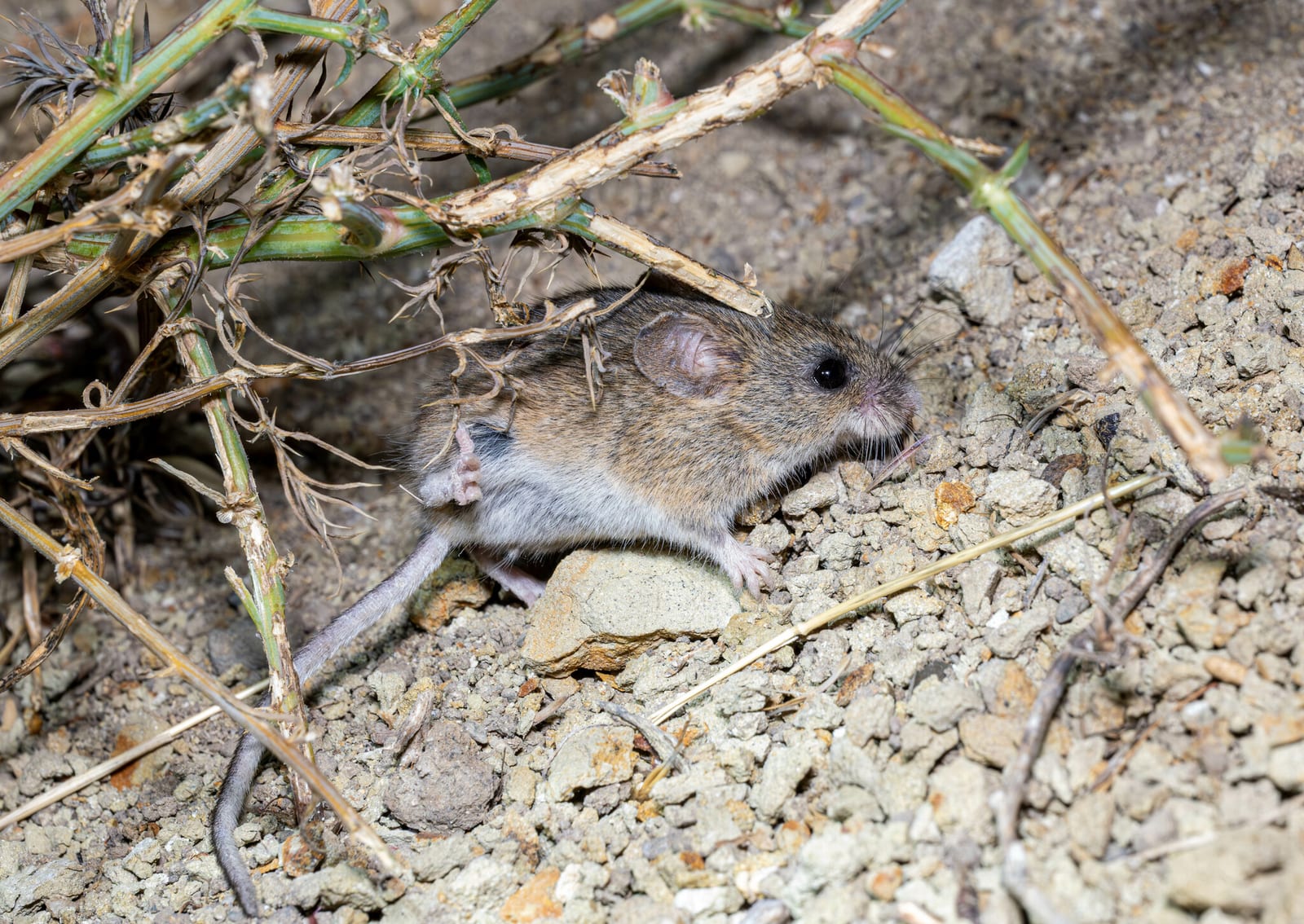
Western Harvest Mouse in Oklahoma

Reithrodontomys megalotis

Native to Oklahoma S3 Vulnerable in Oklahoma

Not listed as nonindigenous in Oklahoma by USGS NAS; native to its Oklahoma range.

IUCN Red List status

  1. LC
  2. NT
  3. VU
  4. EN
  5. CR
  6. EW
  7. EX

LC – Least Concern

Widespread and abundant; not at risk.

Western Harvest Mouse in Oklahoma, by the numbers

Rare in Oklahoma 87th most recorded of 120 mammals logged in Oklahoma

9 occurrence records
2 with iNaturalist photos
Jul 15, 2020 Last seen in Oklahoma

Records from 2000–2026.

9 total records count every Oklahoma occurrence from GBIF and iNaturalist; the map plots a georeferenced sample of 8; the monthly chart covers the 8 records with a full observation date.

When to look for the Western Harvest Mouse in Oklahoma

Most sightings fall in September.

8 Oklahoma occurrence records (iNaturalist and GBIF) by month of year, 2000–2026. Shows when the species is recorded, not a guarantee of presence. Based on a small number of dated records; the seasonal pattern may not be representative.

Monthly Oklahoma records (table)
MonthRecords
January0
February0
March0
April0
May0
June0
July1
August0
September7
October0
November0
December0

Monthly western harvest mouse occurrence records (iNaturalist and GBIF) in Oklahoma, 2000–2026.

Seasonality

Sparse observation record in Oklahoma; presence confirmed but timing of activity not well documented.

Occurrence map

Where Western Harvest Mouse has been recorded in Oklahoma

8 records mapped · zoom and drag to explore

8 Oklahoma records mapped

Where it's recorded in Oklahoma

CountyRecords
Beaver County 7
Canadian County 1
Other localities 1

The complete county distribution, spread across 2 Oklahoma counties. Every occurrence record falls in one county, so these sum to the total. Counties from GBIF and US Census boundaries.

Oklahoma’s occurrence databases hold just 9 records for the western harvest mouse, among the thinnest of any mapped Oklahoma mammal. The state sits at the eastern edge of a range centered much further west, in California, New Mexico, and Colorado.

A western grassland mouse at its eastern limit

This mouse belongs to dense grass and weedy cover across prairies, marsh edges, farmland, and desert grassland, habitat that in Oklahoma is most available in the mixed-grass country of the western High Plains and Panhandle. Seven of the state’s 9 records come from Beaver County in the Panhandle, and a single record from Canadian County, just west of Oklahoma City, likely marks the scattered eastern fringe of where the species can turn up rather than a real stronghold.

Runways through grass, not across open ground

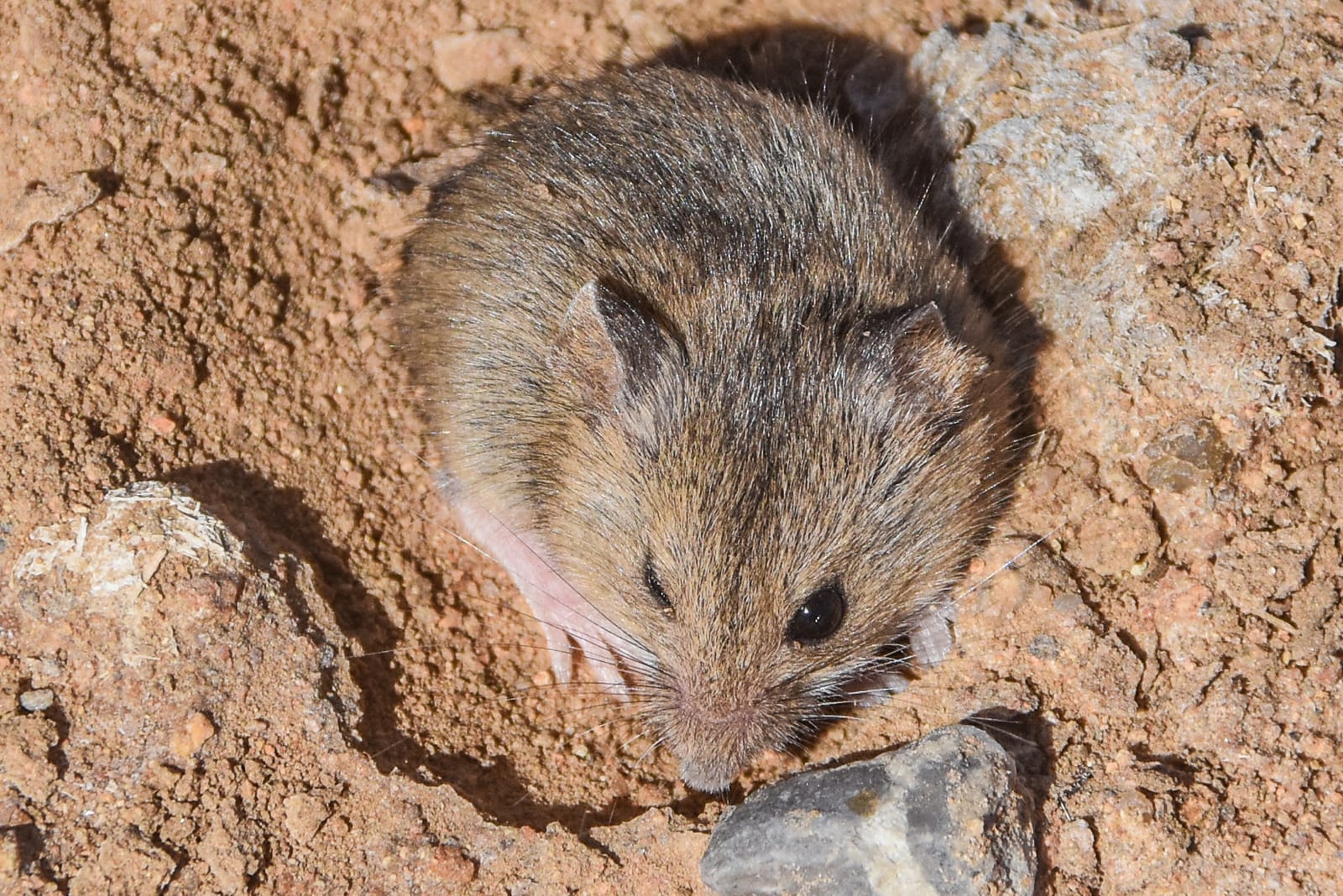
Grooved upper front teeth mark this mouse as a harvest mouse rather than a house mouse or vole. It builds woven runways through standing grass and climbs stems to reach seed heads, rarely crossing exposed ground where it would be an easy target for predators. With so few Oklahoma records, the timing of its activity here isn’t well documented.

Status in Oklahoma

NatureServe ranks this species S3, Vulnerable, in Oklahoma, in keeping with how thin and scattered its records are at this edge of its range, and it’s native to Oklahoma.
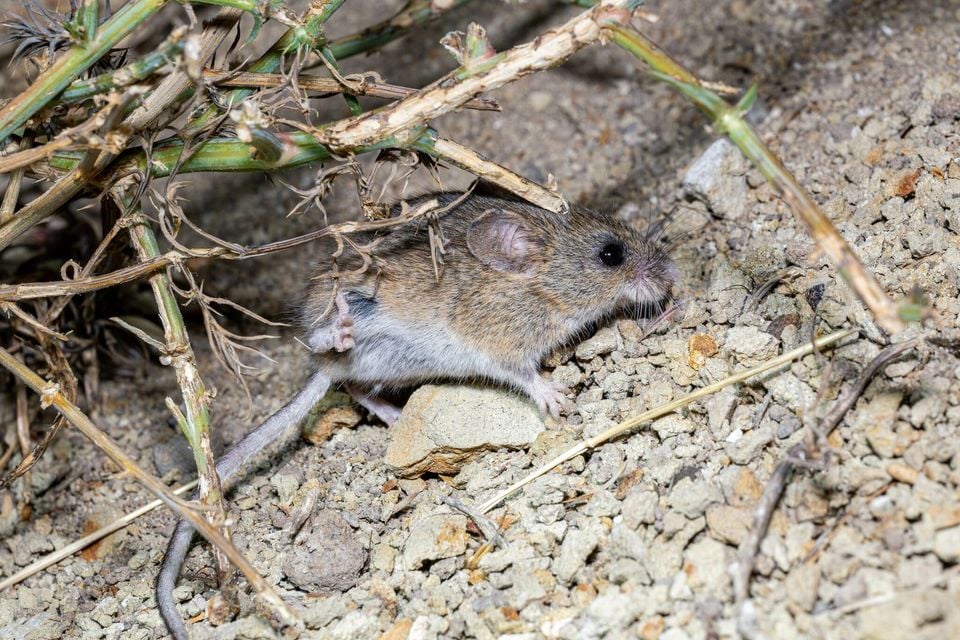

Occurrence data from iNaturalist and GBIF.

More mammals in Oklahoma in the atlas

Data & sources

The data and visualizations on this page draw on these open sources:

  • GBIFCC-BY 4.0occurrence records behind the range map, elevation, and record counts
  • iNaturalistCC0 / CC-BY / CC-BY-SAobservations, photos, and audio recordings
  • NatureServe ExplorerCC-BYthe state conservation rank
  • IUCN Red Listattributed factthe global conservation status
  • USGS NASpublic domainnative / introduced status
  • Natural Earthpublic domainthe relief basemap
  • USFSpublic domainnational-forest boundaries