New Mexico mammals

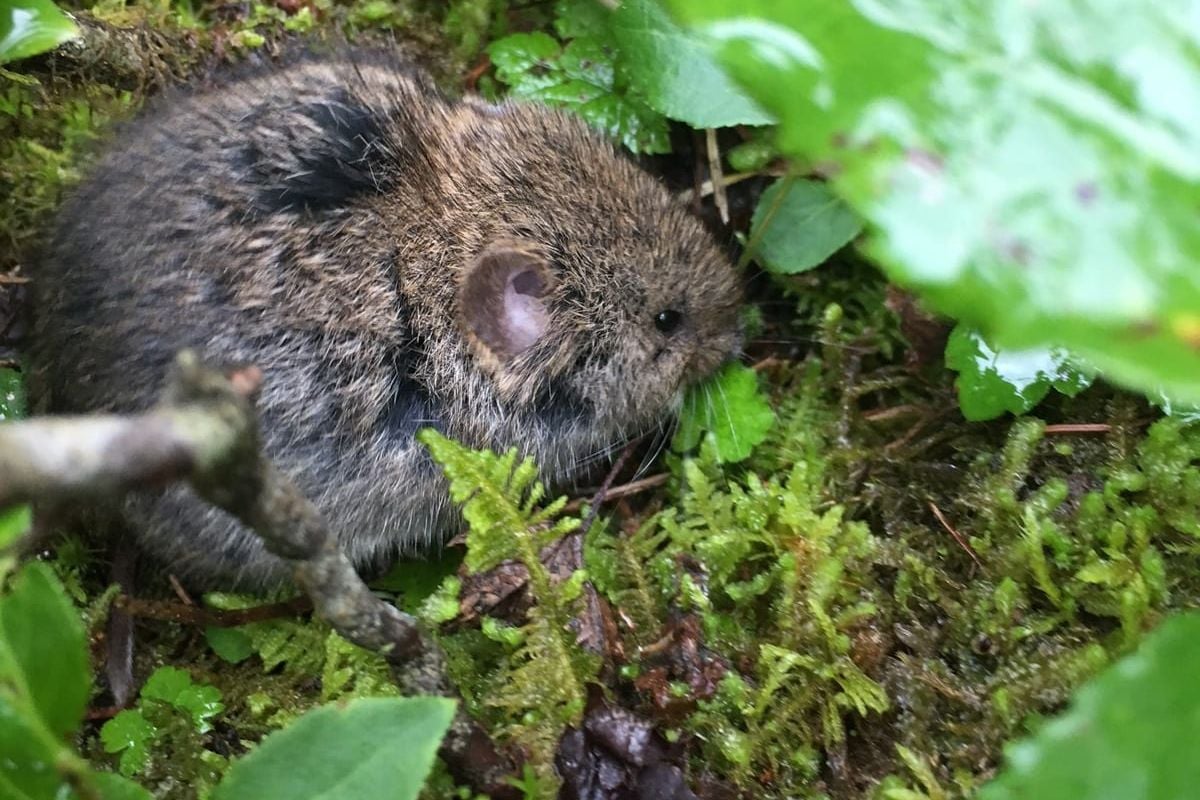
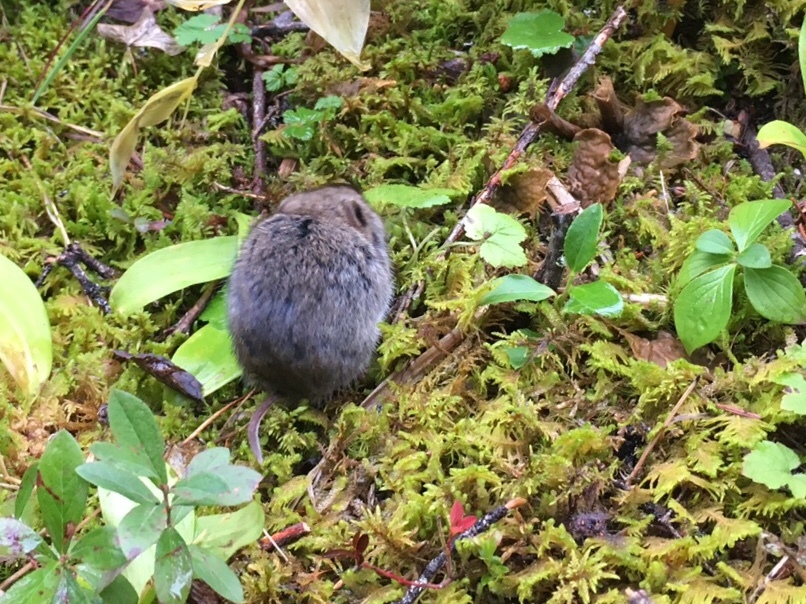
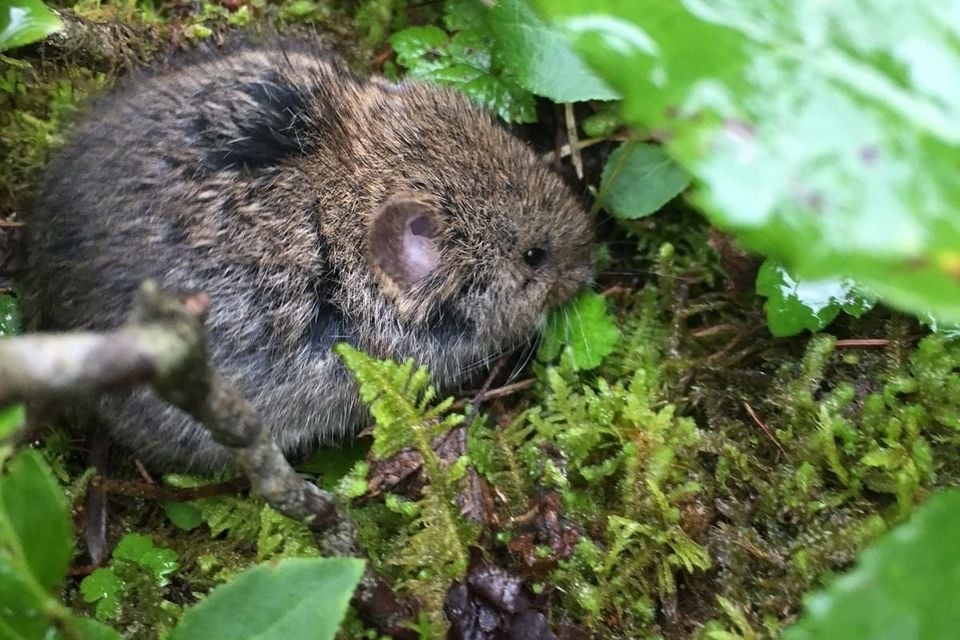
Western Heather Vole in New Mexico

Phenacomys intermedius

Native to New Mexico S3 Vulnerable in New Mexico

Not listed as nonindigenous in New Mexico by USGS NAS; native to its New Mexico range.

IUCN Red List status

  1. LC
  2. NT
  3. VU
  4. EN
  5. CR
  6. EW
  7. EX

LC – Least Concern

Widespread and abundant; not at risk.

Western Heather Vole in New Mexico, by the numbers

Rare in New Mexico 137th most recorded of 176 mammals logged in New Mexico

7 occurrence records

Records from 2000–2026.

When to look for the Western Heather Vole in New Mexico

Most sightings fall in May.

7 New Mexico occurrence records (iNaturalist and GBIF) by month of year, 2000–2026. Shows when the species is recorded, not a guarantee of presence. Based on a small number of dated records; the seasonal pattern may not be representative.

Monthly New Mexico records (table)
MonthRecords
January0
February0
March0
April0
May4
June0
July0
August0
September3
October0
November0
December0

Monthly western heather vole occurrence records (iNaturalist and GBIF) in New Mexico, 2000–2026.

Seasonality

Sparse observation record in New Mexico; presence confirmed but timing of activity not well documented.

Occurrence map

Where Western Heather Vole has been recorded in New Mexico

7 records mapped · zoom and drag to explore

7 New Mexico records mapped

Notable places to look

Park, forest, or monumentiNaturalist records
Pecos Wilderness 1

Protected places with the most western heather vole sightings, from the USGS Protected Areas Database plus named mountain ranges, good spots to look, not a full breakdown, so they don't sum to the total.

Where it's recorded in New Mexico

CountyRecords
San Miguel County 5
Taos County 2

The complete county distribution, spread across 2 New Mexico counties. Every occurrence record falls in one county, so these sum to the total. Counties from GBIF and US Census boundaries.

Every western heather vole record in New Mexico comes from the Sangre de Cristo Mountains in the north: five from San Miguel County, where the Pecos Wilderness rises, and two from Taos County. That fits a vole built for alpine meadows and montane forest, habitat that only exists at elevation in an otherwise low, dry state.

Just 7 records fall between 2000 and 2026, all in GBIF and none on iNaturalist, four of them in May and three in September. That’s far too few to read a seasonal pattern into; the dates more likely mark when someone was trapping in the high country.

NatureServe ranks the species S3, Vulnerable, in New Mexico, a step down from its secure G5 rank across the rest of its range in the Rockies and Pacific Northwest. Among the mammals tracked here, this is one of the more thinly recorded, sitting near the bottom for total occurrences statewide.

Occurrence data from GBIF.

More mammals in New Mexico in the atlas

Data & sources

The data and visualizations on this page draw on these open sources:

  • GBIFCC-BY 4.0occurrence records behind the range map, elevation, and record counts
  • iNaturalistCC0 / CC-BY / CC-BY-SAobservations, photos, and audio recordings
  • NatureServe ExplorerCC-BYthe state conservation rank
  • IUCN Red Listattributed factthe global conservation status
  • USGS NASpublic domainnative / introduced status
  • Natural Earthpublic domainthe relief basemap
  • USFSpublic domainnational-forest boundaries
  • USGS Protected Areas Databasepublic domainthe named parks, forests, and refuges behind "notable places to look"