
North Carolina mammals

Western Little Brown Myotis in North Carolina

Myotis lucifugus

Native to North Carolina S2 Imperiled in North Carolina

Not listed as nonindigenous in North Carolina by USGS NAS; native to its North Carolina range.

IUCN Red List status

  1. LC
  2. NT
  3. VU
  4. EN
  5. CR
  6. EW
  7. EX

EN – Endangered

Very high risk of extinction in the wild.

Western Little Brown Myotis in North Carolina, by the numbers

Rare in North Carolina 93rd most recorded of 125 mammals logged in North Carolina

27 occurrence records
4 with iNaturalist photos

Records from 2000–2026.

27 total records count every North Carolina occurrence from GBIF and iNaturalist; the map plots a georeferenced sample of 25; the monthly chart covers the 25 records with a full observation date.

When to look for the Western Little Brown Myotis in North Carolina

Most sightings fall in January.

25 North Carolina occurrence records (iNaturalist and GBIF) by month of year, 2000–2026. Shows when the species is recorded, not a guarantee of presence. Based on a small number of dated records; the seasonal pattern may not be representative.

Monthly North Carolina records (table)
MonthRecords
January9
February2
March0
April1
May0
June2
July2
August1
September6
October1
November0
December1

Monthly western little brown myotis occurrence records (iNaturalist and GBIF) in North Carolina, 2000–2026.

Seasonality

Year-round in North Carolina, with recorded sightings peaking in January, with a smaller rise in September.

Occurrence map

Where Western Little Brown Myotis has been recorded in North Carolina

25 records mapped · zoom and drag to explore

25 North Carolina records mapped

Notable places to look

Park, forest, or monumentiNaturalist records
Nantahala National Forest 2

Protected places with the most western little brown myotis sightings, from the USGS Protected Areas Database plus named mountain ranges, good spots to look, not a full breakdown, so they don't sum to the total.

Where it's recorded in North Carolina

CountyRecords
Swain County 7
Buncombe County 5
Graham County 2
Macon County 2
Henderson County 2
Madison County 1
Gaston County 1
Chatham County 1
Cherokee County 1
Jackson County 1
Other localities 4

The complete county distribution, spread across 10 North Carolina counties. Every occurrence record falls in one county, so these sum to the total. Counties from GBIF and US Census boundaries.

The little brown myotis was once one of the most familiar bats in eastern North America, but North Carolina reports are now sparse. The species depends on stable caves and mines for hibernation, and suitable habitat in the state lies almost entirely in the far-western mountain counties rather than the Coastal Plain.

NatureServe ranks it imperiled in North Carolina, and the state’s few reports reflect a real collapse, not just a quiet species. White-nose syndrome, the cold-loving fungus that has emptied hibernating colonies since it reached the East, hit this species harder than almost any other North American bat, and North Carolina’s cave country lies inside the hardest-hit part of its range.

What records exist here cluster in spring and late summer, likely tracking bats emerging from hibernation or gathering before winter rather than a steady year-round presence. Compare that to Alaska, which now holds the largest surviving numbers precisely because the fungus hasn’t reached that far north yet.

A little brown myotis sighting in North Carolina today is a genuinely notable record, not confirmation of an assumed baseline.
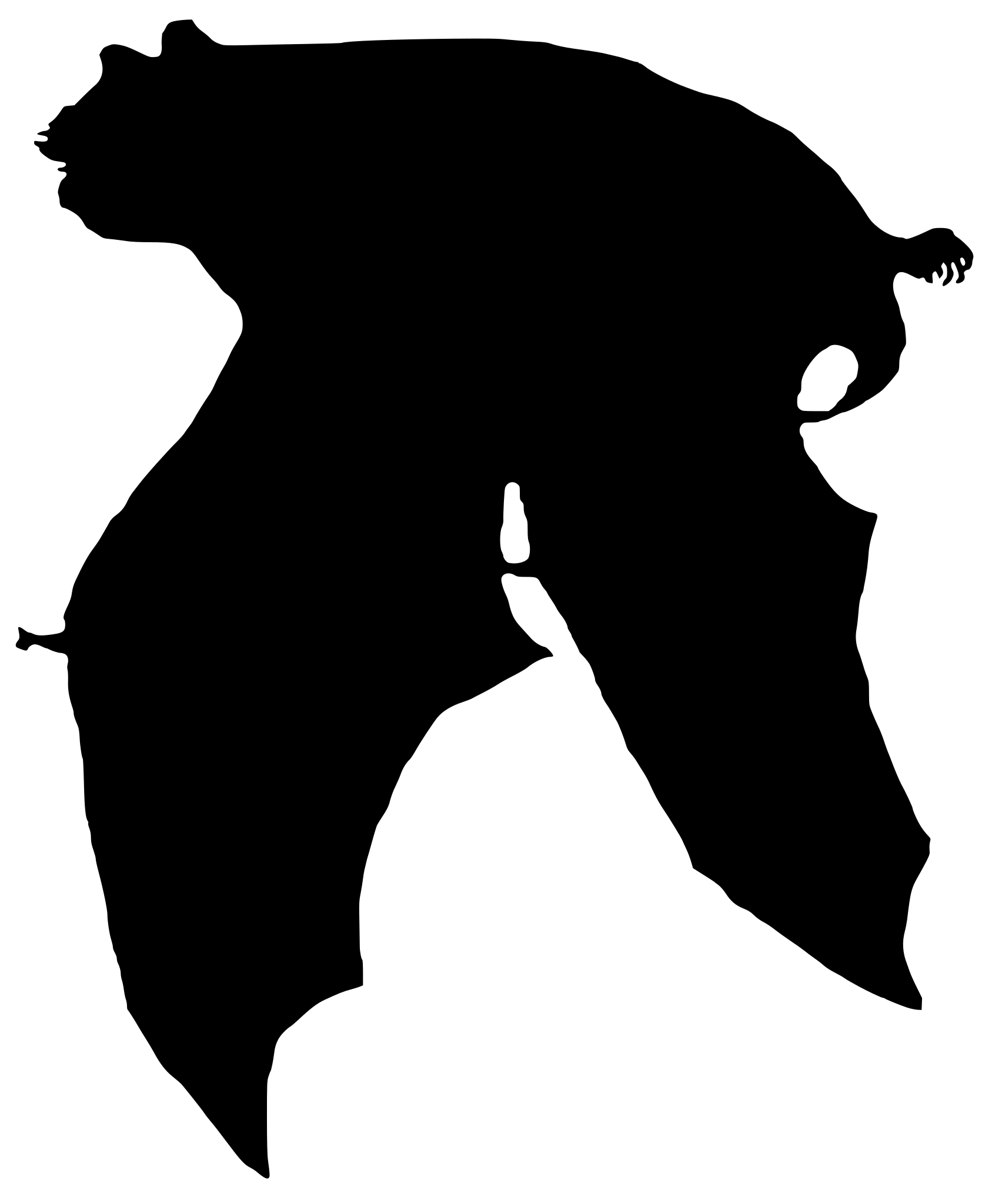
Occurrence data from iNaturalist and GBIF.

More mammals in North Carolina in the atlas

Data & sources

The data and visualizations on this page draw on these open sources:

  • GBIFCC-BY 4.0occurrence records behind the range map, elevation, and record counts
  • iNaturalistCC0 / CC-BY / CC-BY-SAobservations, photos, and audio recordings
  • NatureServe ExplorerCC-BYthe state conservation rank
  • IUCN Red Listattributed factthe global conservation status
  • USGS NASpublic domainnative / introduced status
  • Natural Earthpublic domainthe relief basemap
  • USFSpublic domainnational-forest boundaries
  • USGS Protected Areas Databasepublic domainthe named parks, forests, and refuges behind "notable places to look"




