
North Dakota mammals

Western Little Brown Myotis in North Dakota

Myotis lucifugus

Native to North Dakota SNR Unranked in North Dakota

Not listed as nonindigenous in North Dakota by USGS NAS; native to its North Dakota range.

IUCN Red List status

  1. LC
  2. NT
  3. VU
  4. EN
  5. CR
  6. EW
  7. EX

EN – Endangered

Very high risk of extinction in the wild.

Western Little Brown Myotis in North Dakota, by the numbers

Rare in North Dakota 70th most recorded of 92 mammals logged in North Dakota

37 occurrence records
3 with iNaturalist photos
Aug 8, 2022 Last seen in North Dakota

Records from 2000–2026.

When to look for the Western Little Brown Myotis in North Dakota

Most sightings fall in July to August.

37 North Dakota occurrence records (iNaturalist and GBIF) by month of year, 2000–2026. Shows when the species is recorded, not a guarantee of presence.

Monthly North Dakota records (table)
MonthRecords
January0
February0
March0
April0
May2
June4
July14
August16
September1
October0
November0
December0

Monthly western little brown myotis occurrence records (iNaturalist and GBIF) in North Dakota, 2000–2026.

Seasonality

Year-round in North Dakota, with recorded sightings peaking in July–August.

Occurrence map

Where Western Little Brown Myotis has been recorded in North Dakota

37 records mapped · zoom and drag to explore

37 North Dakota records mapped

Notable places to look

Park, forest, or monumentiNaturalist records
Riverdale 2
Theodore Roosevelt National Park 1

Protected places with the most western little brown myotis sightings, from the USGS Protected Areas Database plus named mountain ranges, good spots to look, not a full breakdown, so they don't sum to the total.

Where it's recorded in North Dakota

CountyRecords
Dunn County 12
Ward County 5
Pierce County 5
Billings County 4
Mercer County 4
Ramsey County 3
McHenry County 2
McLean County 1
Emmons County 1

The complete county distribution, spread across 9 North Dakota counties. Every occurrence record falls in one county, so these sum to the total. Counties from GBIF and US Census boundaries.

North Dakota’s little brown myotis records concentrate around the prairie pothole wetlands and shallow lakes of J. Clark Salyer, Chase Lake, and Des Lacs National Wildlife Refuges, exactly the kind of open water this bat needs for hunting.

It hunts by echolocation low over ponds and slow water, picking off mosquitoes and midges by the thousand each night. With few natural caves in this part of the state, it likely leans more on barns, bridge joints, and building crevices for roosting than bats do farther east.

Records are rare here, clustering from May through July, which lines up with the bat’s active summer season rather than any hint of a wintering site. White-nose syndrome hasn’t been confirmed in North Dakota yet, but the disease has emptied so many hibernating colonies elsewhere that every western record adds to what’s known about the species’ remaining range.
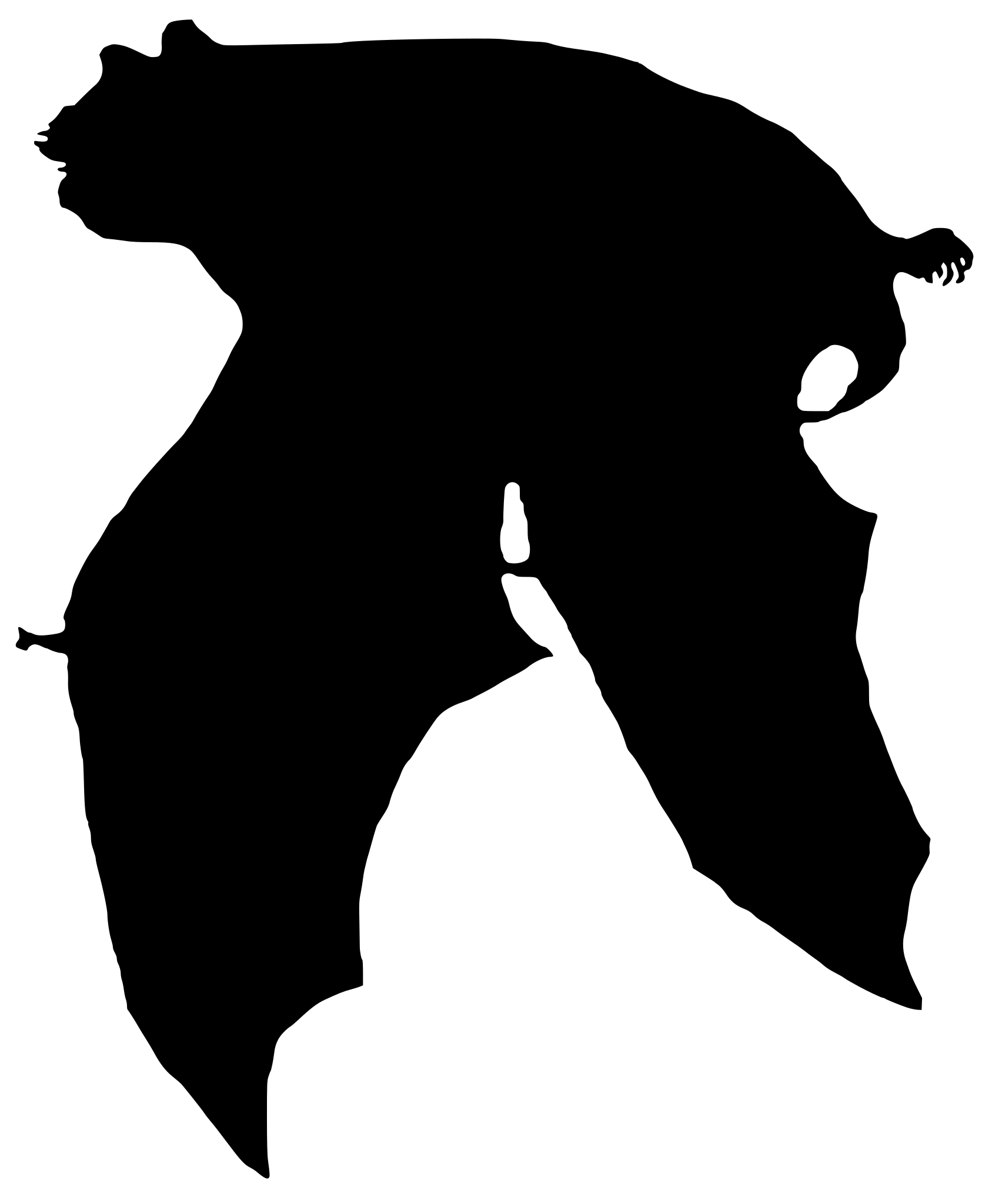
Occurrence data from iNaturalist and GBIF.

More mammals in North Dakota in the atlas

Data & sources

The data and visualizations on this page draw on these open sources:

  • GBIFCC-BY 4.0occurrence records behind the range map, elevation, and record counts
  • iNaturalistCC0 / CC-BY / CC-BY-SAobservations, photos, and audio recordings
  • NatureServe ExplorerCC-BYthe state conservation rank
  • IUCN Red Listattributed factthe global conservation status
  • USGS NASpublic domainnative / introduced status
  • Natural Earthpublic domainthe relief basemap
  • USFSpublic domainnational-forest boundaries
  • USGS Protected Areas Databasepublic domainthe named parks, forests, and refuges behind "notable places to look"




