
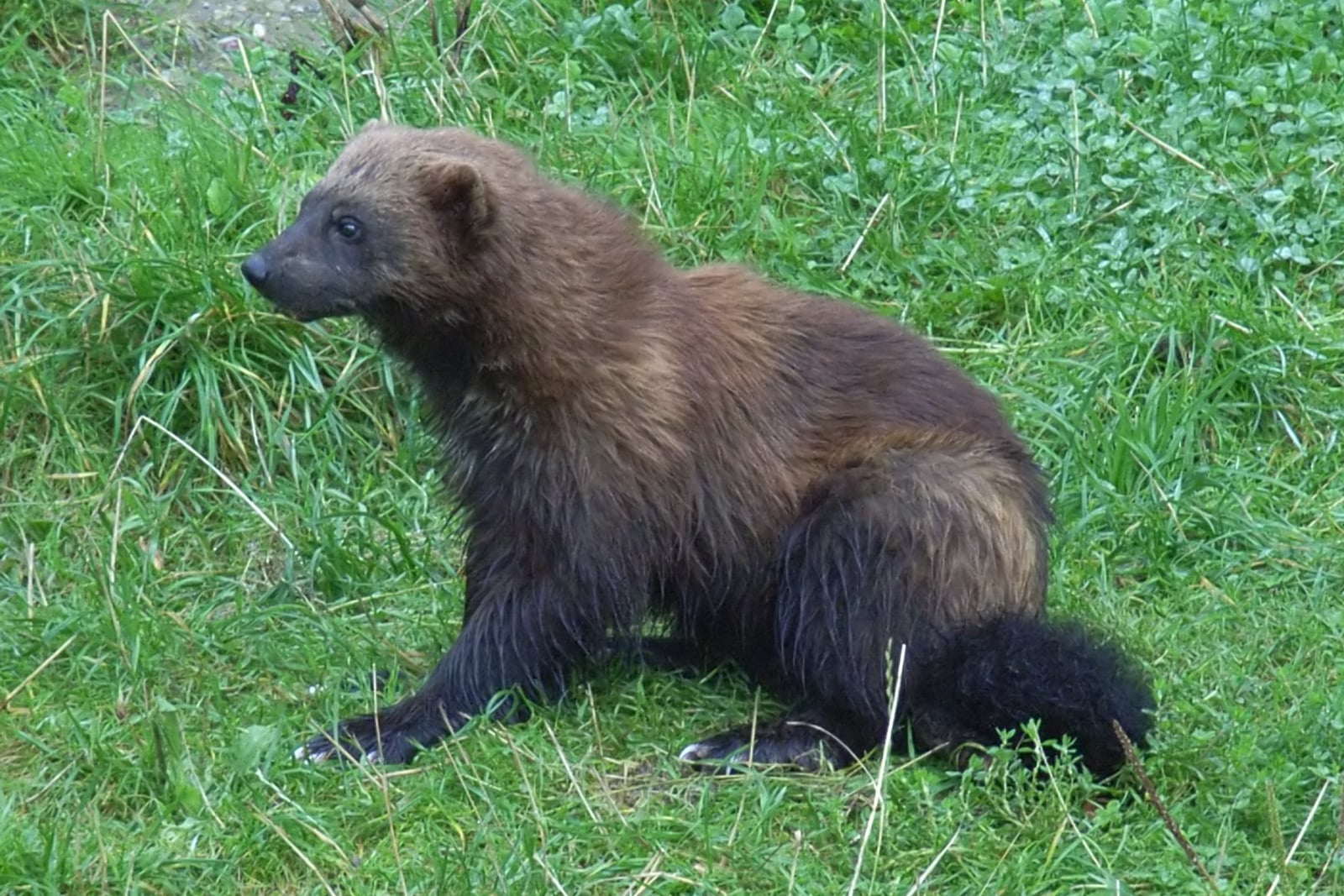
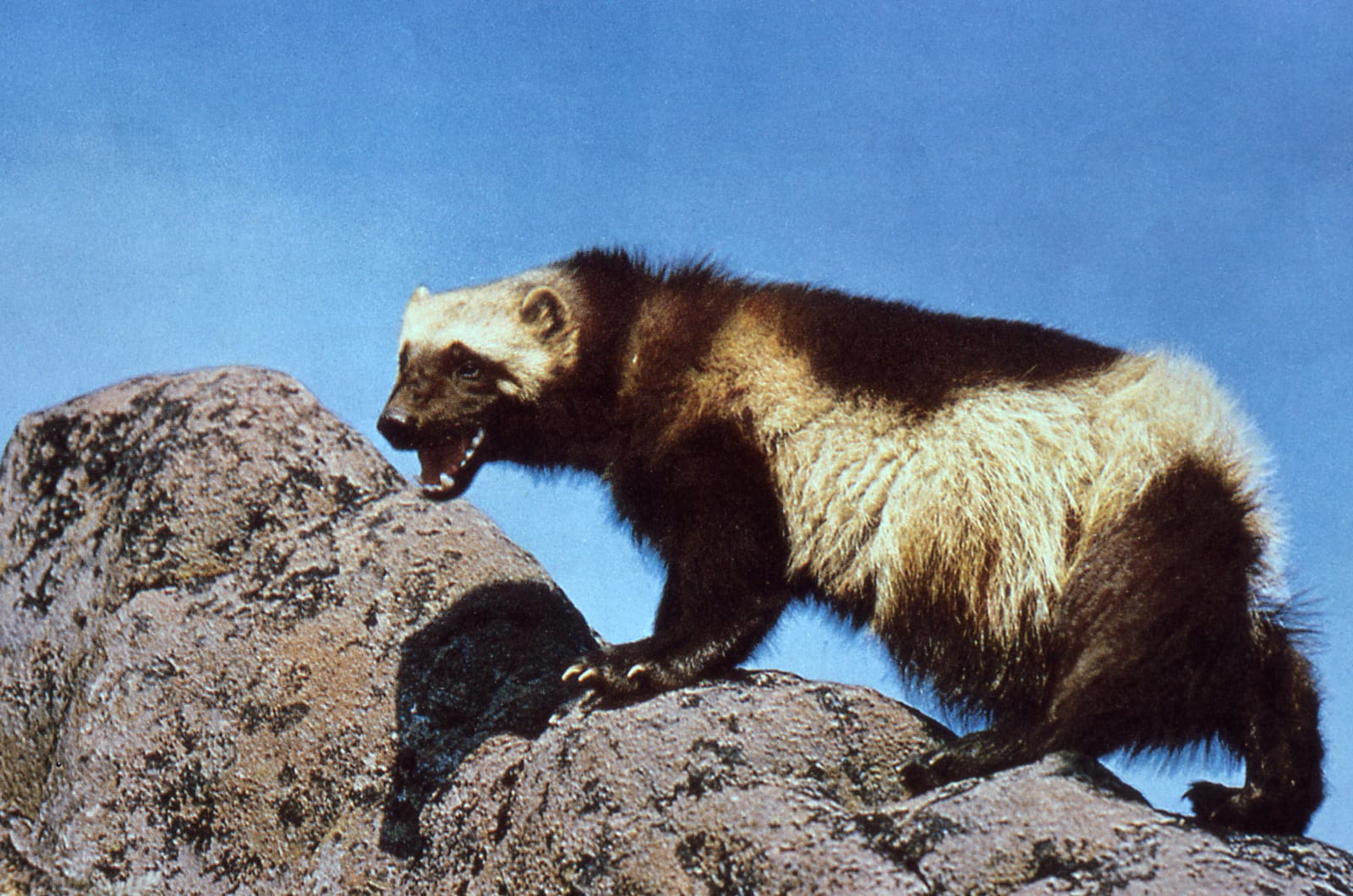
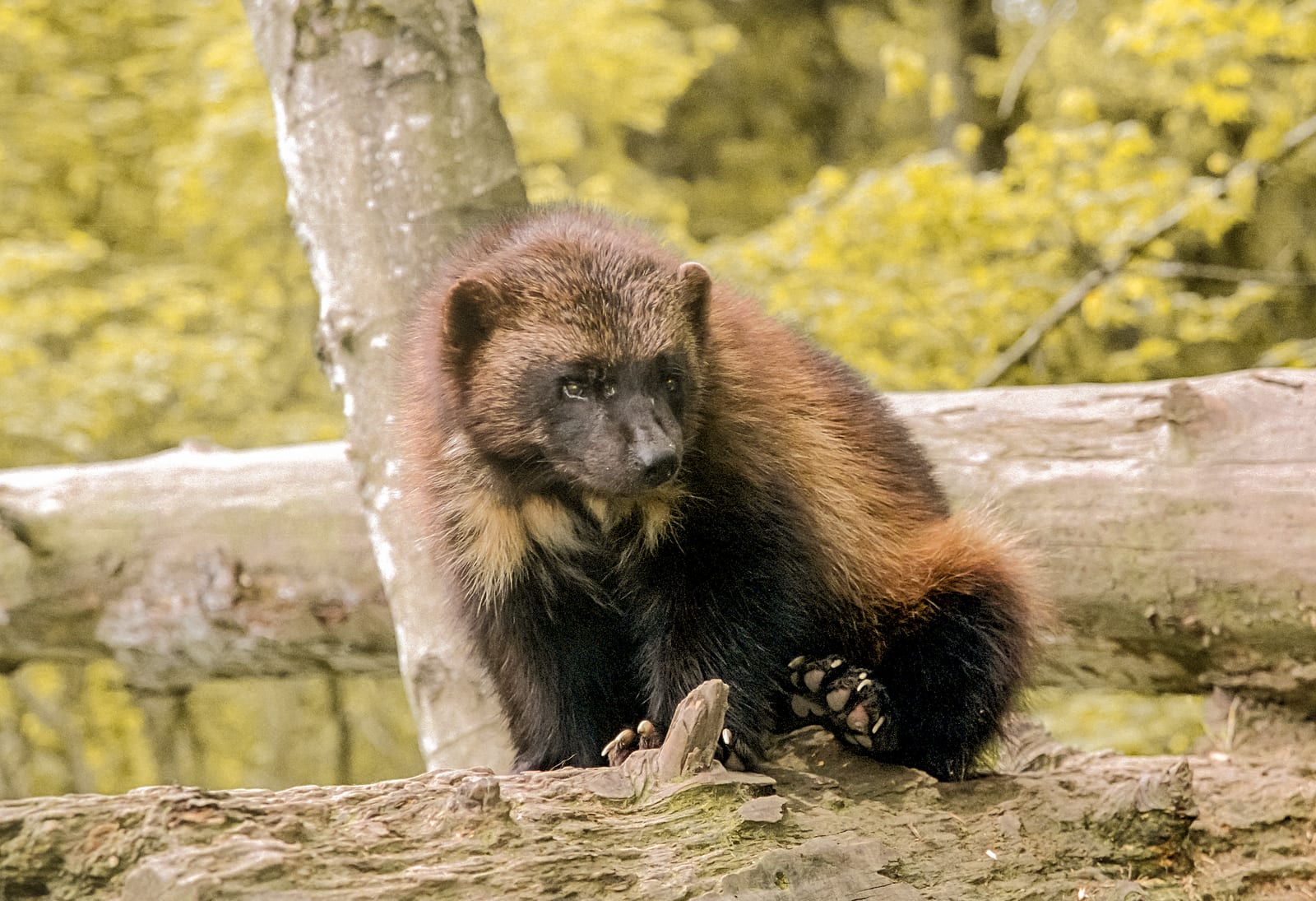
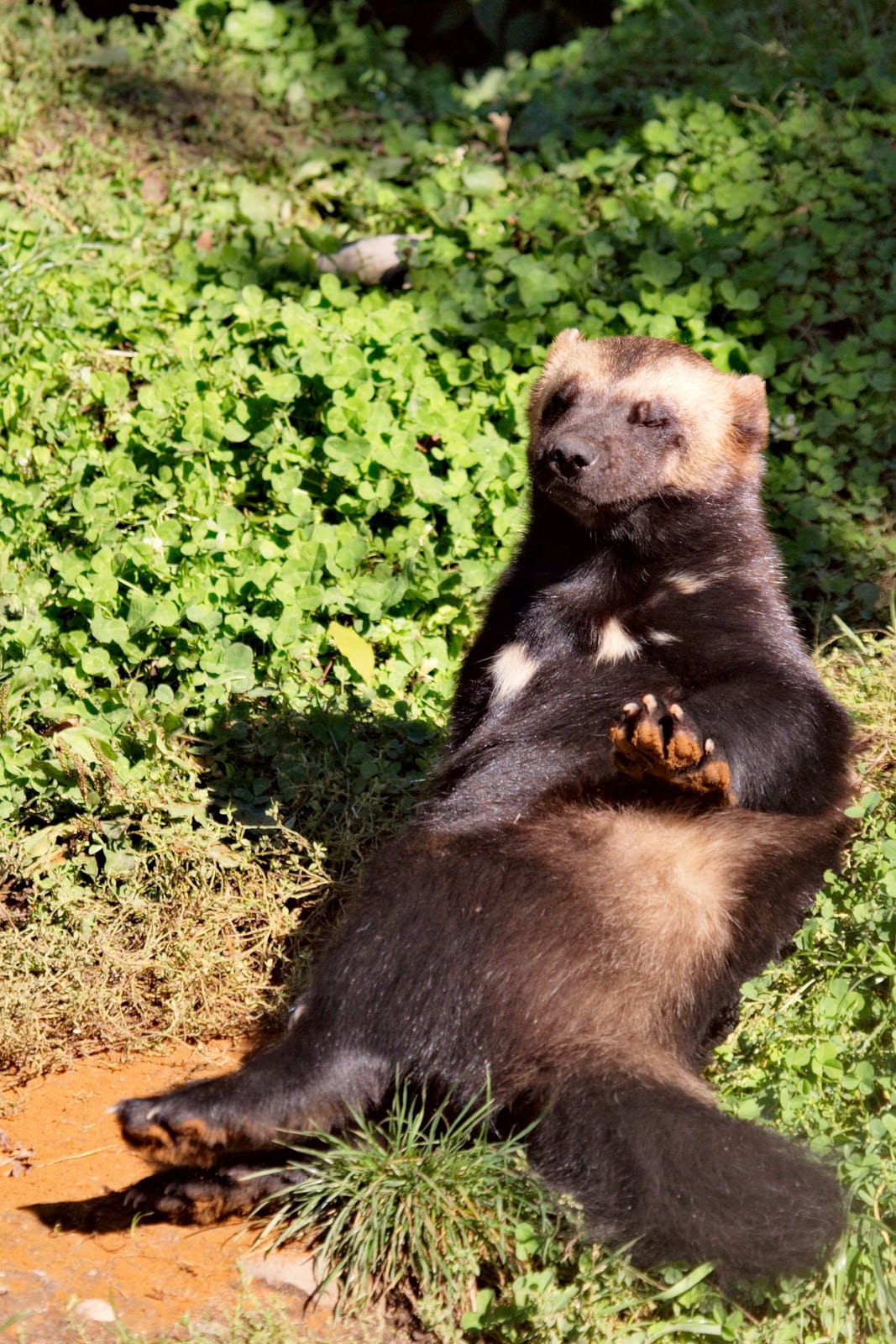
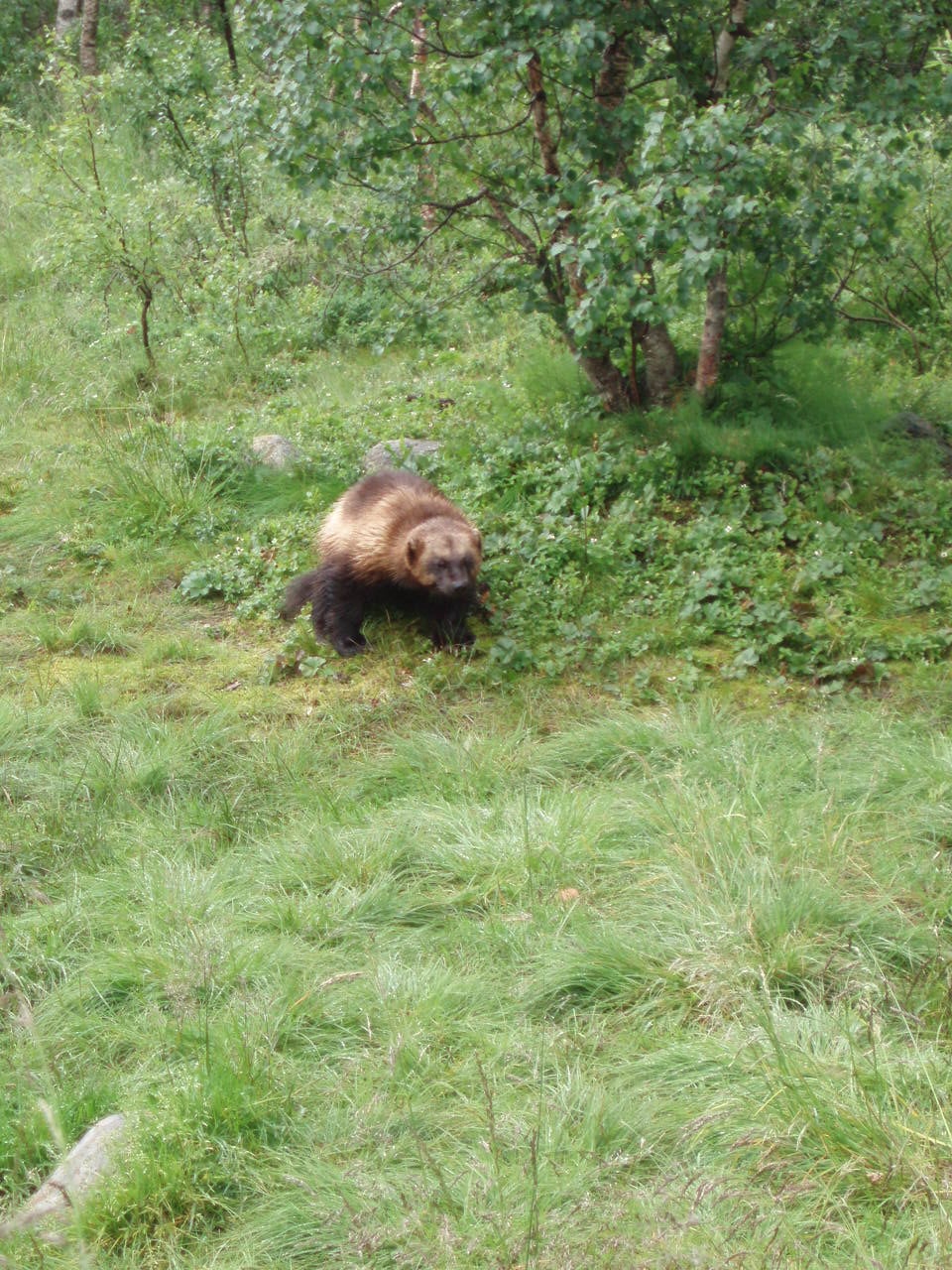
Alaska’s wolverine records concentrate most heavily on the Kenai Peninsula, where Kenai Fjords National Park alone logs 39, with further reports from the Matanuska-Susitna Valley, Anchorage, the Northwest Arctic, the North Slope, and Denali National Park and Preserve, a spread covering nearly every region of the state. That reach fits the ecology: wolverines follow persistent spring snowpack more than latitude, and Alaska holds more of that snow-secure denning habitat than anywhere else in the country.
Wolverines patrol enormous home ranges and make much of their living scavenging carcasses frozen solid through winter, mostly moose and caribou that died from cold, avalanche, or another predator’s kill. They cache surplus meat in snowbanks and rock crevices for later, and females dig natal dens into deep drifts or packed avalanche debris to shelter kits born in late winter.
Records run highest from December through April and peak in March, the stretch when snow tracking and breeding-season movement make wolverines easiest to detect, with a separate rise in August. Alaska’s population is part of what keeps the species globally secure even as the small, isolated population in the Lower 48 was listed as threatened over shrinking snowpack, a pressure Alaska’s cold, snow-heavy interior and mountains haven’t faced in the same way.
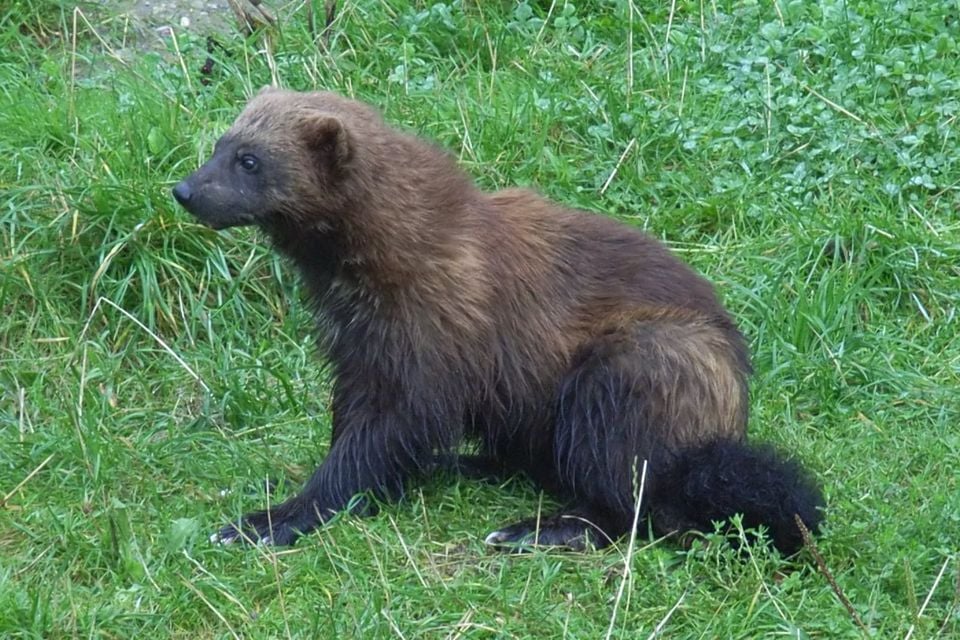
 Full species profile




