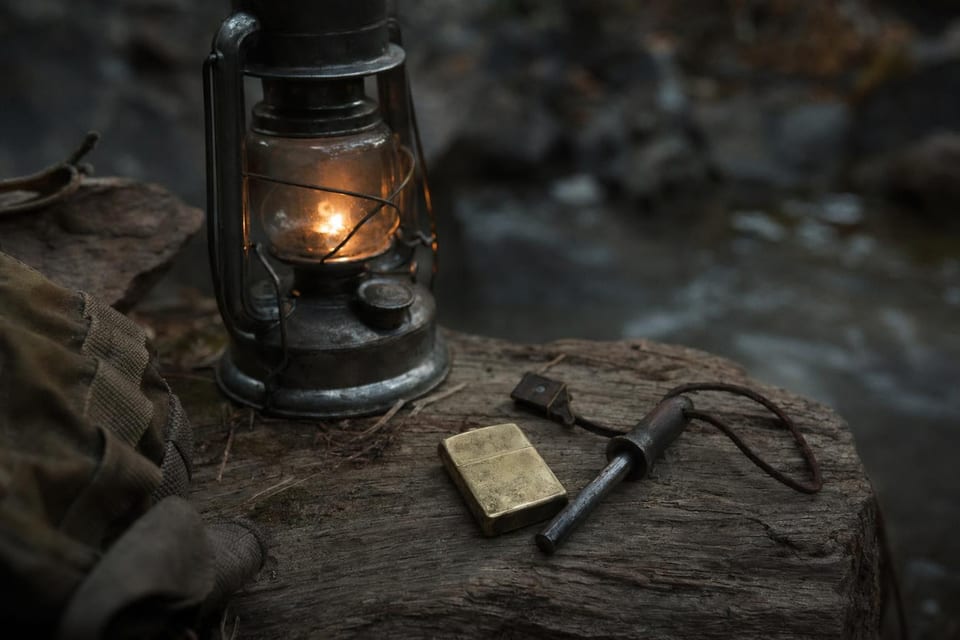
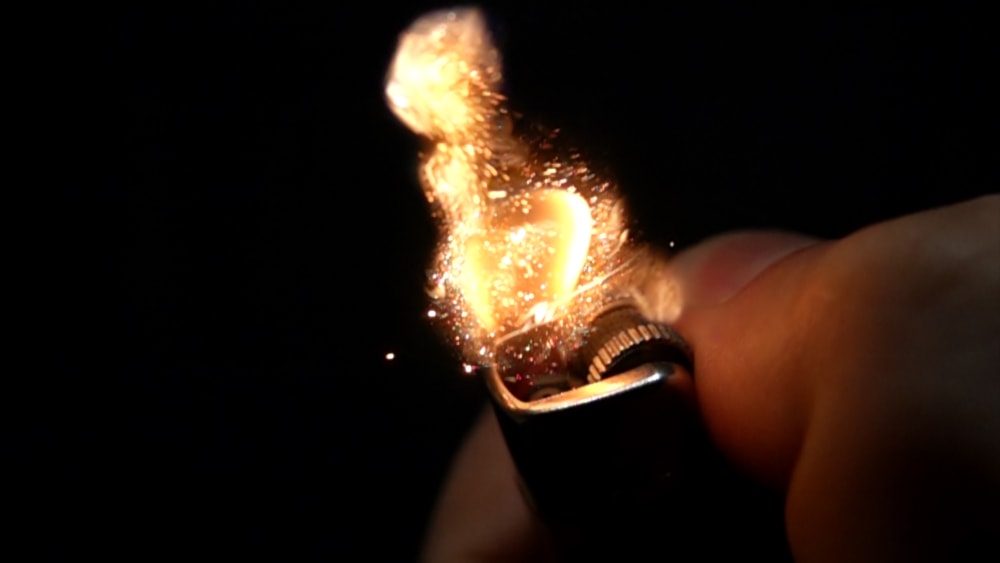
If you’re wild camping or backpacking in the Rockies, you’ll have different priorities to someone who uses a lighter for smoking cigars in an office. (They should be smoking outdoors, anyway!)
My advice is: if you are on an expedition in a cold climate, always carry a modern lighter with you. By all means try traditional fire lighting methods first if you have the time. However, if these fail, you’ll be prepared.
In this guide, we’ll dive deep into the pros and cons of the different types of lighters, to help you find the best one for your needs.
You May Also Like: How To Start A Fire With Sticks
How to choose a lighter
The right lighter depends on three things: where you’ll use it, whether you need to fly with it, and how long you want it to last. Most buyers default to whatever is at the gas-station counter. A 30-second decision saves money and frustration.
Run through these three axes before you buy:
- Indoor vs outdoor use. For wind, rain, or altitude, pick a butane torch lighter (windproof blue jet) or a Zippo (chimney design that stays lit). For kitchens, candles, and gas stoves, a piezoelectric utility lighter or a USB plasma arc lighter is safer and re-usable.
- Fuel constraint and air travel. FAA rules allow one Bic-style or absorbed-fuel (Zippo) lighter on your person in carry-on. Torch and jet lighters are banned in both carry-on and checked baggage. Empty Zippos, electric coil lighters, and plasma arc lighters are the safest options if you’re flying.
- Durability vs cost. A $2 Bic gives you ~3,000 lights then goes in landfill. A $25 Zippo or IMCO petrol lighter, refilled, lasts decades. Plasma arc lighters split the difference: ~$15 up front, no fuel, battery good for ~400 charge cycles.
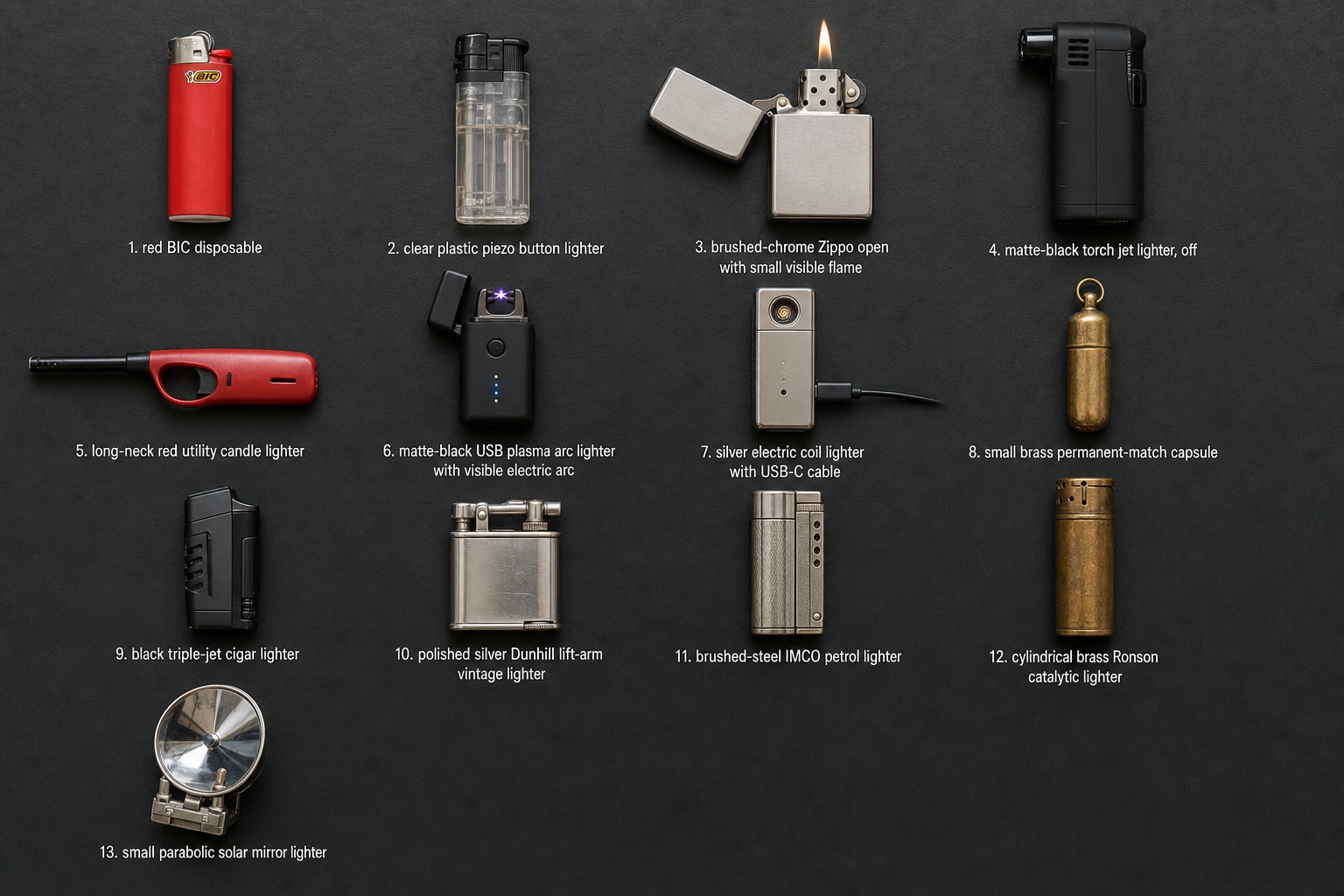
1. Torch / Jet lighter
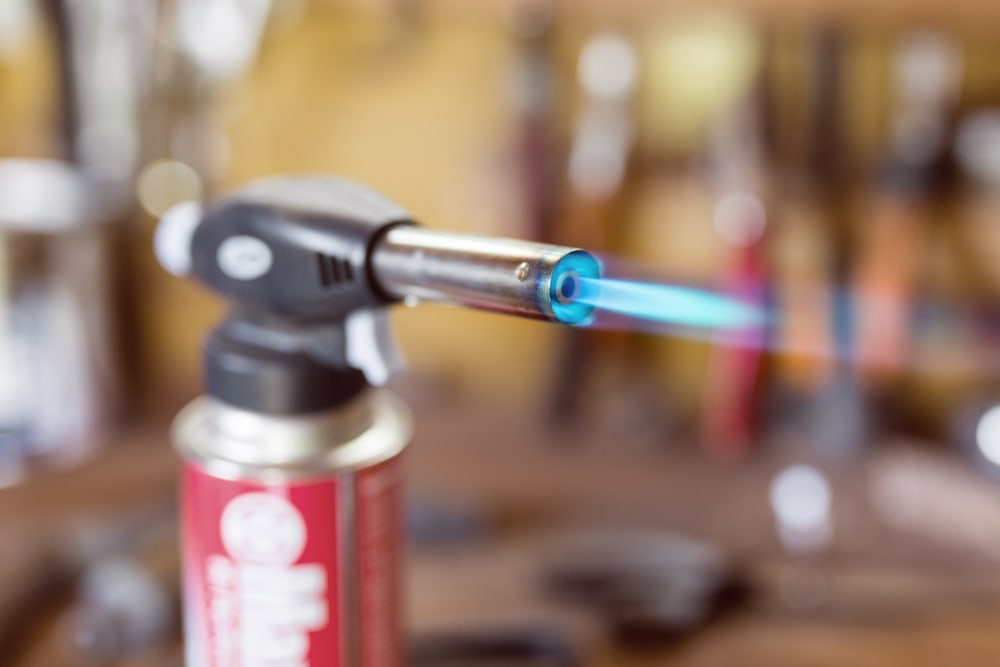
Torch lighters are also called “jet lighters”. They’re a permanent lighter and can be refilled. Usually the gas of choice will be butane, not propane. This is due to how the gasses behave under pressure and how viscous they are. The butane is pressurized and is pushed out along with air.
These look really cool, with their long blue tongue of flame! They’re basically a mini flamethrower!
You can buy them online from stores like Amazon.
PROS:
- Torch lighters can be kept lit by holding down the button.
- They can be angled in any direction – handy for heating up pipes.
- They produce a powerful, long lasting flame
- Can refill them at gas station or hardware store
CONS:
- Not economical -they use a lot of butane. Take a refill cartridge with you.
- You aren’t allowed to take them on airplanes!
- Cheap brands often break quickly.
2. Plasma Lighter
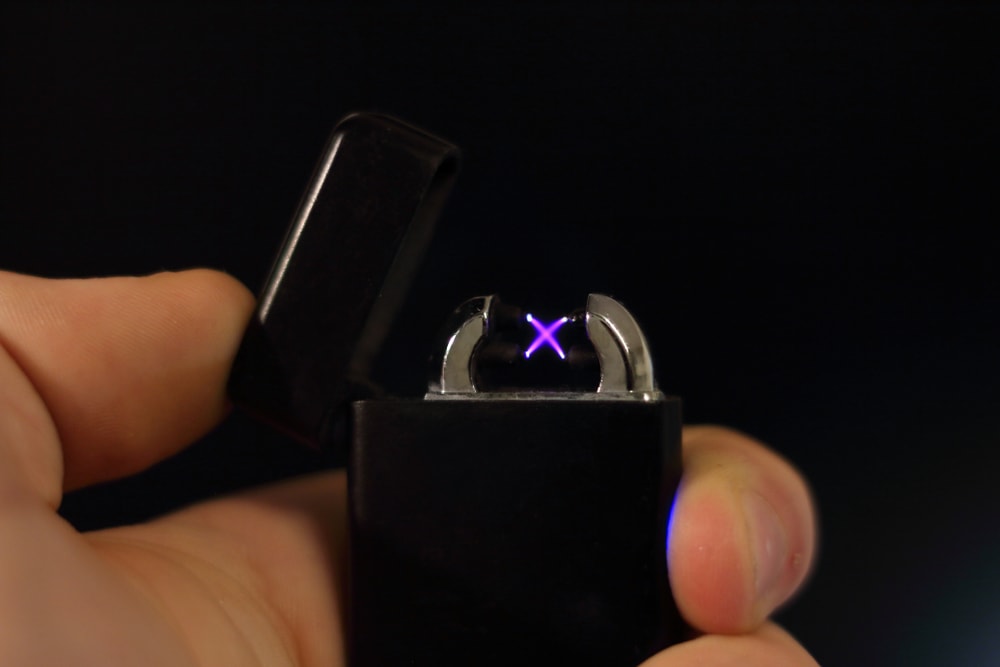
Plasma lighters, also called “Arc lighters”, work without liquid fuel! Incredibly, they work powered by a charge from mains electricity, or from a USB port. So for the environmentally friendly among us, that means no throwaway plastic and no liquid fuel. You can run one off a portable power pack.
They do this by a high voltage charge running through the top part of the lighter. This creates a ‘plasma arc’ between two electrodes. This plasma is hotter than a liquid fuel flame.
Plasma lighters were first marketed in 2015 after a successful Kickstarter project raised more than $198,355 from 2556 backers. The first one looked like a Vape pen. It was wildly successful, and now there are many other plasma brands on the market.
PROS:
- Environmentally friendly
- Windproof
- Easy to use with gloves
- Reliable
- Reasonable price
CONS:
- Only 100 lights per charge
- Need to be near electricity to ‘refuel’ !
- Not waterproof – water can cause it to short circuit!
- Battery needs replacing every 400 charges
3. Plastic Spark Wheel Lighter
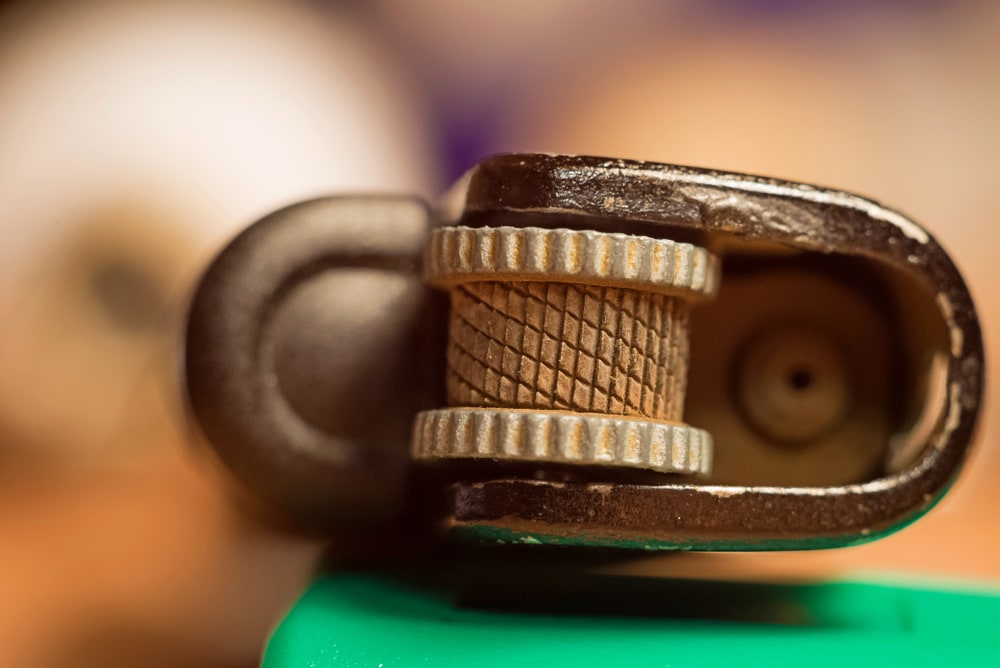
Most of us will be familiar with these plastic lighters. You can buy them in any supermarket or off license. They often come in multipacks. They’re cheap and work well enough for most things! BIC lighters are spark wheel lighters.
The spark wheel refers to how the fuel is ignited. You flip the metal spark wheel with your finger and it catches on the ‘flint’ (ferrocerium) underneath, creating a spark. At the same time, gas is released by a valve and meets the spark, creating flame.
Spark wheel lighters were invented in 1996. They were created as a more child-proof alternative.
PROS:
- Cheap
- Refillable (though often disposed of)
- Not reliant on mains power
- Lasts for 3,000 lights on average
- Can often survive a dunk in water if dried out after
CONS:
- Spark wheel can burn your hand if flame is on for too long (yes, I have done this to myself)
- Not windproof
- Not environmentally friendly
4. Plastic Piezoelectric Button Lighters
You’ll most likely have seen or used this type of plastic lighter too. They’re the other common type you can buy at supermarkets and off licenses. They still have a plastic casing, but instead of a spark wheel they’ve got a button on top.
The button presses down on a piece of quartz crystal underneath. Quartz is piezoelectric, so it creates electricity when squeezed!
Piezoelectric lighters were patented in 1965 by Thomas J Buitkus.
PROS:
- Doesn’t get hot when you hold it on (like a spark wheel does)
- Cheap
- Can get child proof models
- 1,800 lights on average
- Can often survive water if dried out completely after
- Flame size is often adjustable
CONS:
- Ignition not always reliable
- Not waterproof or windproof
- Not environmentally friendly
5. Zippo Lighter
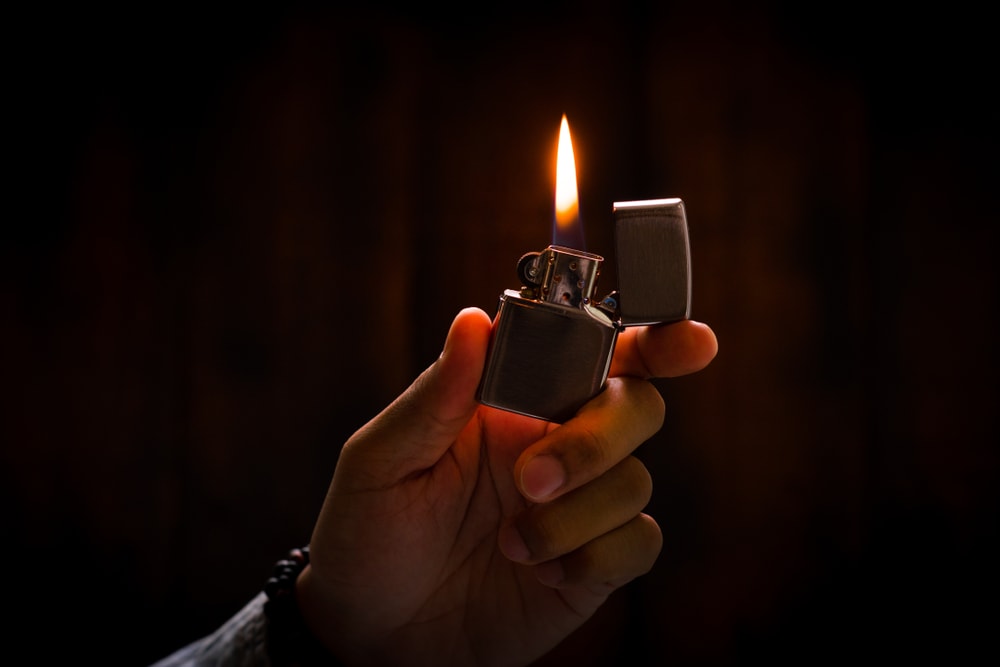
Zippos work with an interior flint and spark wheel. This ignites a wick. The wick will stay lit until you shut the lid! As they run out of fuel quickly, they’re not ideal for wilderness camping or expeditions. They do work well in the cold though!
The classic Zippo lighter was invented in the 1930’s by Mr Blaisdell of the Bradford Country Club in Pennsylvania, US. Mr Blaisdell was watching a friend having difficulty using a lighter which needed two hands to operate. He invented a lighter which preserved the chimney shape, making it weather proof. Blaisdell’s design could be operated with one hand.
The Zippo became really popular when used by soldiers in WW2. It didn’t blow out like the other lighters of the time.
PROS:
- More choice of fuels – can use butane, petrol or even strong alcohol! Though not using proper fuel can clog your Zippo.
- Long lasting flame
- Hard wearing parts and case
- Windproof
- Stays lit – can use as a candle
CONS:
- Expensive
- Not waterproof
- Runs out of fuel quickly (3-10 days max use)
- Can leak fuel
6. Permanent Match Lighter
Permanent match lighters are like a cross between a lighter and a match! The lighter case holds naphtha fuel. There’s a spark stick with a wick inside that is screwed into the lighter.
The metal casing is tough and long lasting, but the wick will need replacing after roughly 100 lights. The spark stick will need replacing at roughly the same time. If you can do this, expect the permanent match to last up to 15,000 lights!
They’re popular with survivalists and bush crafters.
PROS:
- Fuel lasts a long time without evaporating – good for stored survival gear
- Durable
- More resistant to wind than normal matches
- Waterproof
CONS:
- Wick and spark stick will need replacing regularly
- Many cheap, poor quality models
7. Utility Lighter
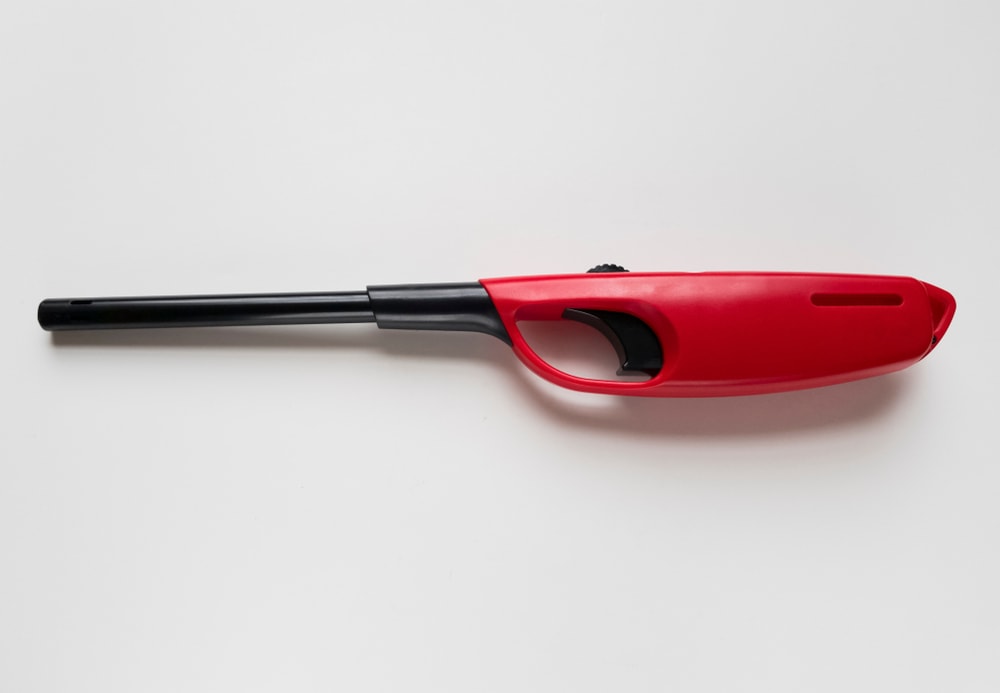
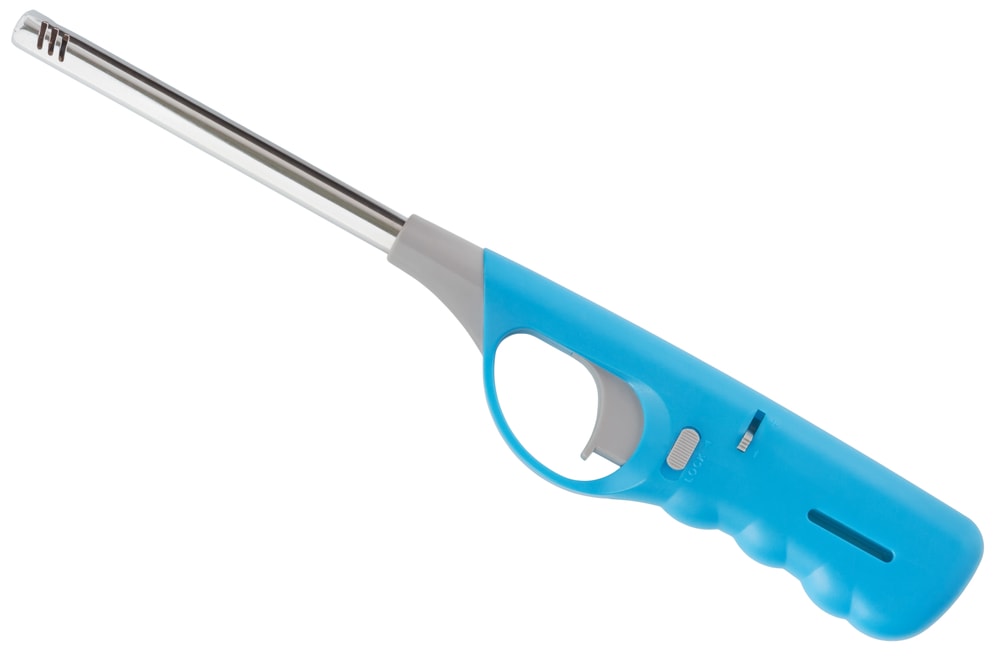
Utility lighters can come with either a rigid neck or a flexible neck. They’re comfortable for your hands and easy to operate with their large push button. They work the same as a piezoelectric lighter.
The utility lighter is also called a “candle lighter”. This is a good choice if what you want to do is light gas stoves or candles. They’re great for getting into the awkward space under a gas/BBQ grill, too!
They’re cheap and disposable. They are refillable if you want to refill them.
PROS:
- Cheap
- Refillable
- Safe to use with gas stoves and grills
- Comfortable to use
CONS:
- Not environmentally friendly
- Not weatherproof
8. Pipe Lighter
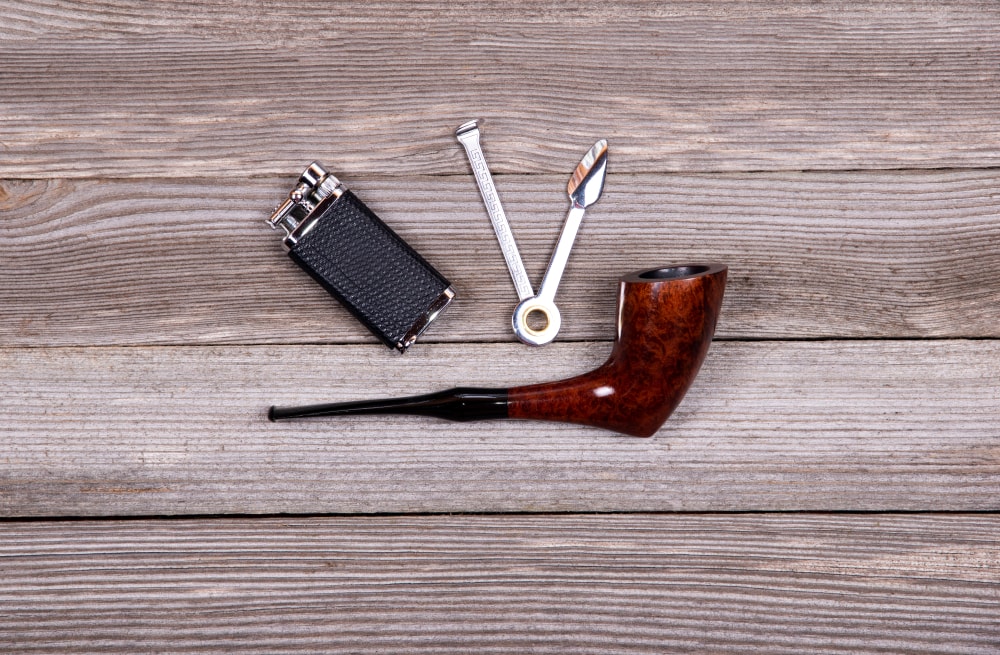
Pipe lighters are specially shaped to light from the side. This makes them ideal for lighting tobacco (or anything else!) in a pipe. Some are designed so the flame is enclosed and can be used upside down!
Pipe lighters can be used in the same ways as utility lighters. They can even be used for caramelizing sugar on cakes!
They have durable metal casings and can even come with pipe cleaning tools attached, like the JOPOO Pipe Lighter. They use butane and are often spark wheel operated.
PROS:
- Strong and durable design
- Can be angled into difficult locations
- Refillable
CONS:
- Not waterproof
- Not windproof
9. Waterproof Lighter
Waterproof lighters can be butane or electric (plasma) powered. They are refillable and durable. Most are shockproof. Many come with a nice lanyard so you can hang it round your neck. Some waterproof lighters have a double flame.
If you’re into boating, this is your best choice of lighter. It’s also the best choice if you like fishing, water sports, or just hiking in the rain. Like it says on the tin, it floats and is waterproof. Just make sure the lid is closed!
PROS:
- Waterproof!
- Resilient and shockproof
- Reasonable price
- Refillable
CONS:
- You need to make sure you have spare butane
10. Electric Coil Lighter
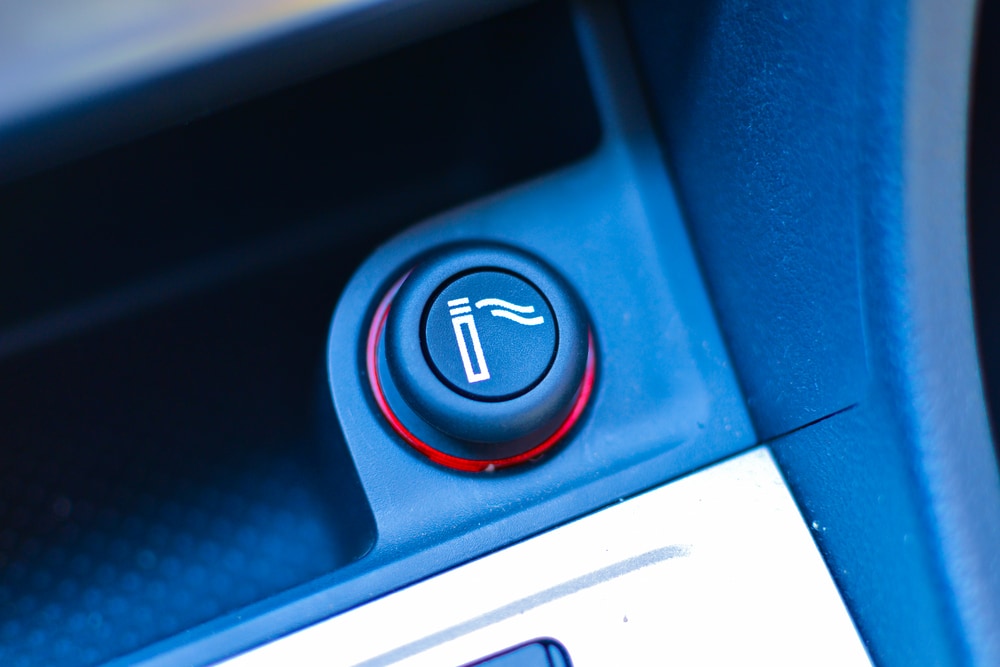
Electric coil lighters have no flame! Like an electric hob, they just heat up. You can use them with cigarettes or cigars. Or if you are lucky, you could light a candle from one. The small heating space makes it difficult to light anything bigger.
You can charge them from a USB port. You will most often see these in the dashboards of cars! They’re not suitable for making fires or for bushcraft uses. They can break quickly if they are cheap. They need recharging frequently.
Electric coil lighters run on the same principles that famous inventor Nikola Tesla developed. They were invented in 2016 by Mark Pauling.
PROS:
- Clean
- Safe
- Environmentally friendly
- Windproof
CONS:
- Need recharging frequently
- Can only be used to light cigarettes or similar.
- Not waterproof
11. Mini Capsule Lighter
Mini capsule lighters are more for emergencies than everyday use. They hang on a keyring, so are handy to leave attached to a backpack in case your normal lighter fails or gets lost!
They are quite tough, and very cute, but they don’t last long before needing refilling. They’re something to bring in a handbag to an apres ski club. They’re easily hidden, too!
Mini Capsule lighters use the same lighter fuel as plastic spark wheel and piezo button lighters.
PROS:
- Very portable
- Stylish
- Durable
- Refillable
CONS
- Don’t last long before needing refilling
- Not waterproof (unless a survival brand)
- Not windproof
12. Trench Rope Lighter
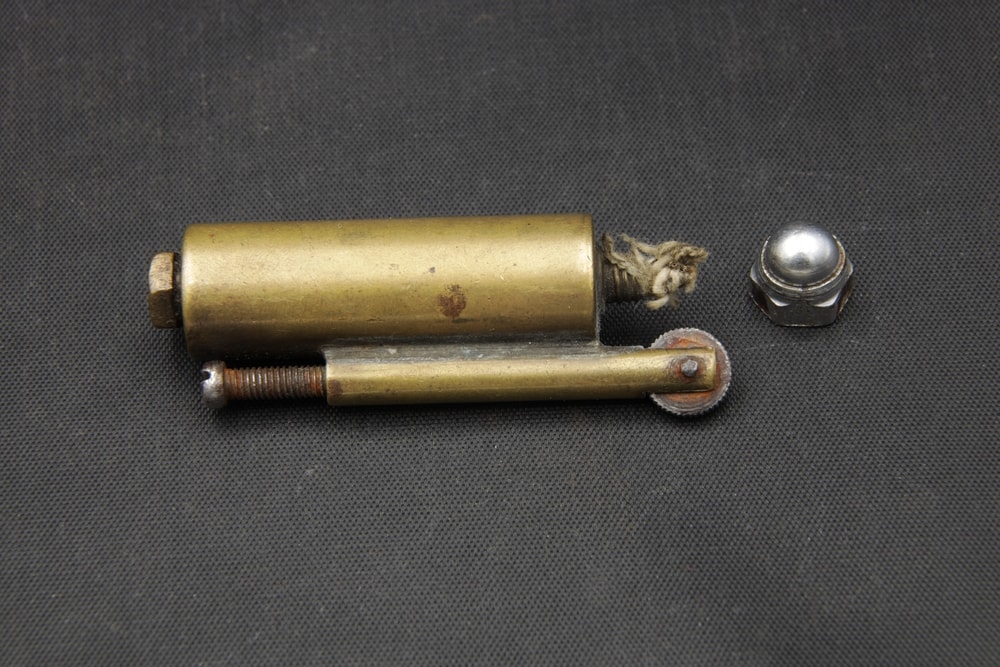
Trench lighters work by a strike flint catching a spark in charred rope. The rope holds the spark as an ember, just like char cloth does. You do need kerosene to soak the rope.
The rope is held in a metal case. You can refill it with more rope when it runs out. To put out the ember, you pull the rope back into the case to cut off the air.
This old classic design was used by sailors. It was also used during World War 1. Soldiers needed a lighter that wouldn’t give away their position to enemy fire. This flameless lighter works with an ember from charred rope. So it was the perfect solution.
PROS:
- Refillable (with rope and kerosene)
- Unique and cool!
- Won’t give away your position!
- Durable
CONS:
- Not very easy to use
- Needs rope to work
13. Flint & Steel Manual Striker
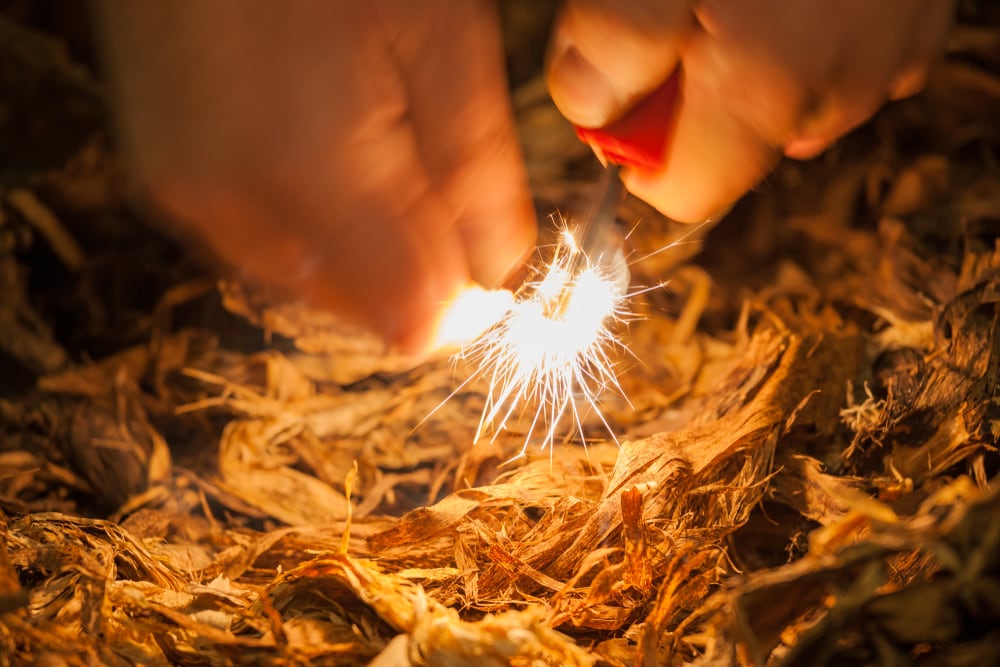
Flint & steel works on the same principle as spark wheel lighters. You scrape down the metal rod at an angle with the steel blade. This causes a shower of sparks (if you do it right!). You do need to have some practice with lighting tinder from the sparks!
The flint and steel does come under ‘traditional’ fire lighting tools. It’s manually powered. It’s definitely worth including in the expedition kit though. It’s small, light and doesn’t rely on any external power or fuel!
This is ideal for experienced off grid bush crafters with the time to spend lighting a fire. Less ideal if you are far from sources of dry tinder, on a time limit and less experienced.
Flint and steel was invented over 3,000 years ago!
PROS:
- No fuel source or power supply needed for spark
- Fairly indestructible
- Fun!!
- Environmentally friendly
- Lasts long time (@ 3,000 strikes)
CONS:
- You need lots of dry tinder for it to work
- Needs practice
- Sparks don’t last long/no flame
- Not easy in wet weather
14. Magnesium Ferro Rod Manual Striker
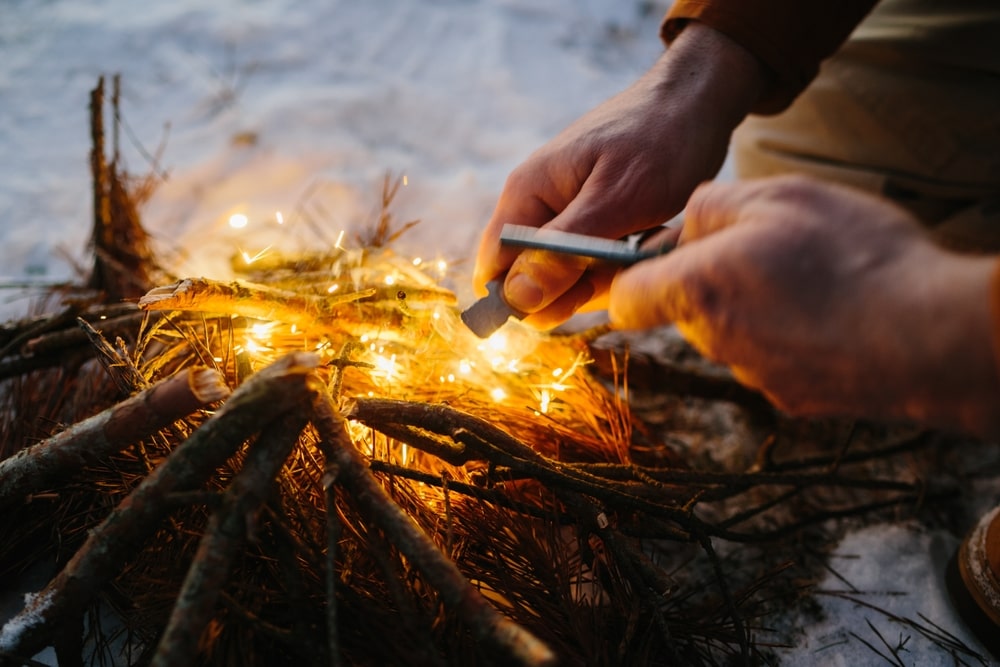
This works on the same principles as the flint & steel striker. The difference is that you have two rods. One is magnesium and one is ferrocerium. You first use the strike blade to shave off tiny fragments of magnesium onto your pile of tinder. You then flip your tool over and strike sparks onto the magnesium with your ferrocerium rod.
Magnesium is very flammable. It will even light in the rain! Together with some man made tinder like cotton balls in petroleum jelly, you can light a fire in most places and in most weathers! You can also use your knife instead of the strike blade.
Magnesium ferro rod strikers were invented in 1903 by Carl Auer von Welsbach. He patented ferrocerium, which is still in use today as the ‘flint’ in most lighters and in manual strike rods.
PROS:
- Starts a fire in any weather
- Ideal for long excursions into the wilderness
- No power source or fuel needed
- Lasts for 3,000 strikes
- Light, can carry on a lanyard
- Almost indestructible
CONS:
- Needs practice
- Needs a supply of dry tinder to make flame
- Sparks don’t last long
15. Semi-Automatic Lighters
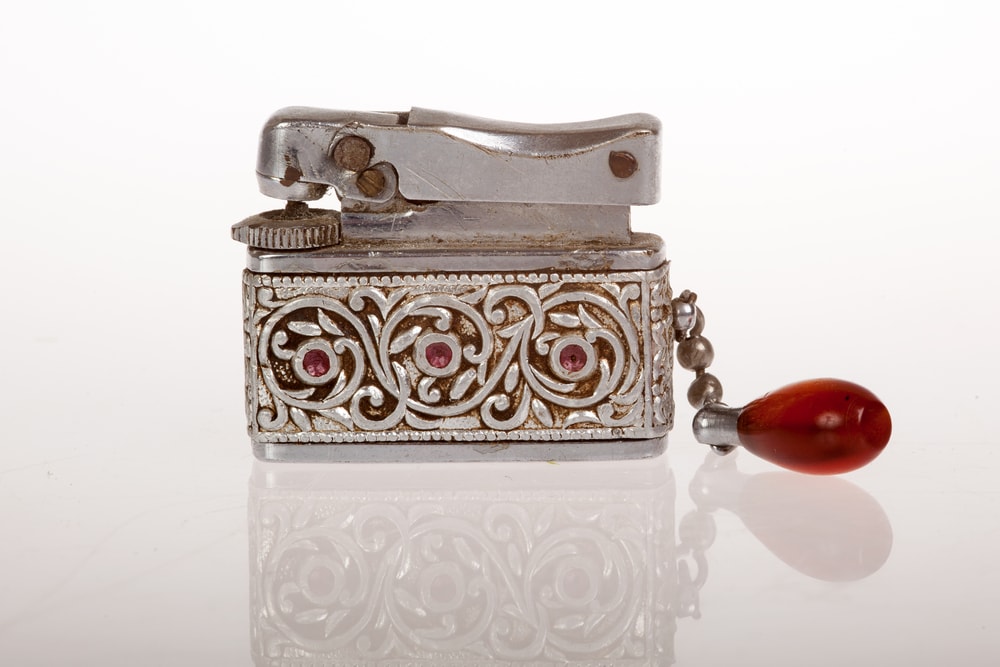
Semi automatic lighters work in two parts. The user needs to flip the lid by pressing a button. This in turn then spins a wheel or strikes a flint, creating a flame. These were really developed for use at Victorian smoking tables! They are lovely to look at if you can find a vintage one!
They run on naphtha, which was the most common lighter fuel used before butane took over in the 1940’s. Now you can use modern lighter fluid! You can buy them on antique and vintage collectors sites and shops.
These lighters are a historical style of lighter. They were invented in the 1920’s by the lighter manufacturer Colibri.
PROS:
- Very pretty and stylish!
- Not reliant on mains power
- Sturdy parts made to last
- Refillable
CONS:
- Need lighter fluid
- Not environmentally friendly
- Sometimes messy
- Parts may break due to age!
16. Clipper Lighters
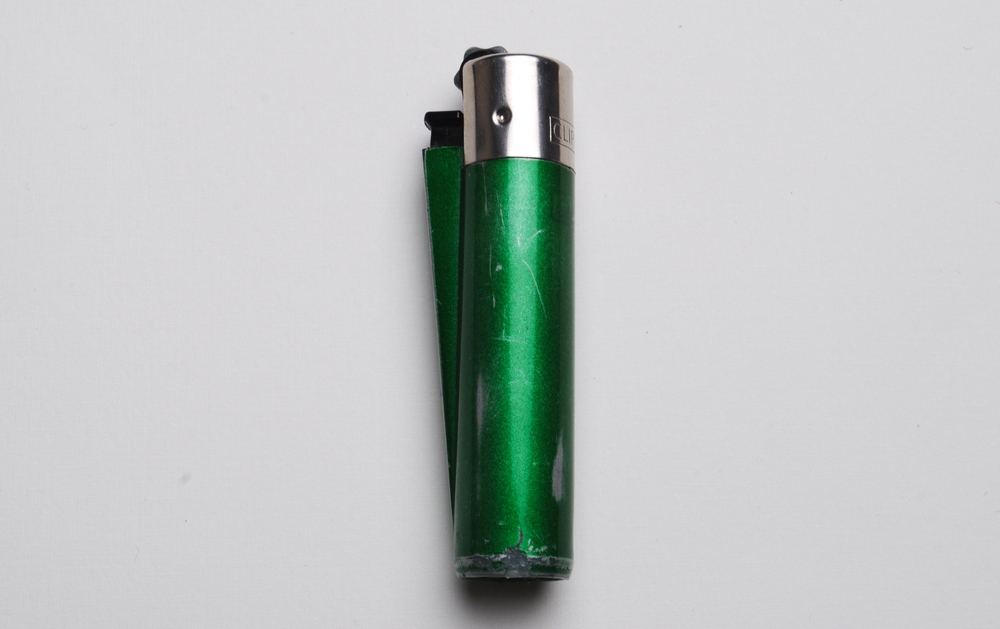
Clipper modern classic plastic lighters have several advantages over plastic spark wheel and plastic piezo lighters. They run on butane. You can buy one online or in any decent off license/supermarket.
It’s easy to recognise one. Clipper lighters have a trademark cylinder shape! They are often decorated with bright, arty designs.
They are easy to take apart, and all the parts – flint, gas and spark wheel – are replaceable. The flame stays lit for a long time, and has a long flame length. You also get a cigarette packing tool for pushing tobacco into a cigarette/cigar. They are versatile – ok for starting fires too!
They were designed in Barcelona, Spain, in 1972.
PROS:
- Comfortable to hold and use
- Flame is long and stays lit a long time
- Replaceable parts
- Stylish
- Versatile uses
CONS:
- Need to bring spare butane
- Not waterproof
- Not windproof
- Not very durable
17. Cigar Lighters
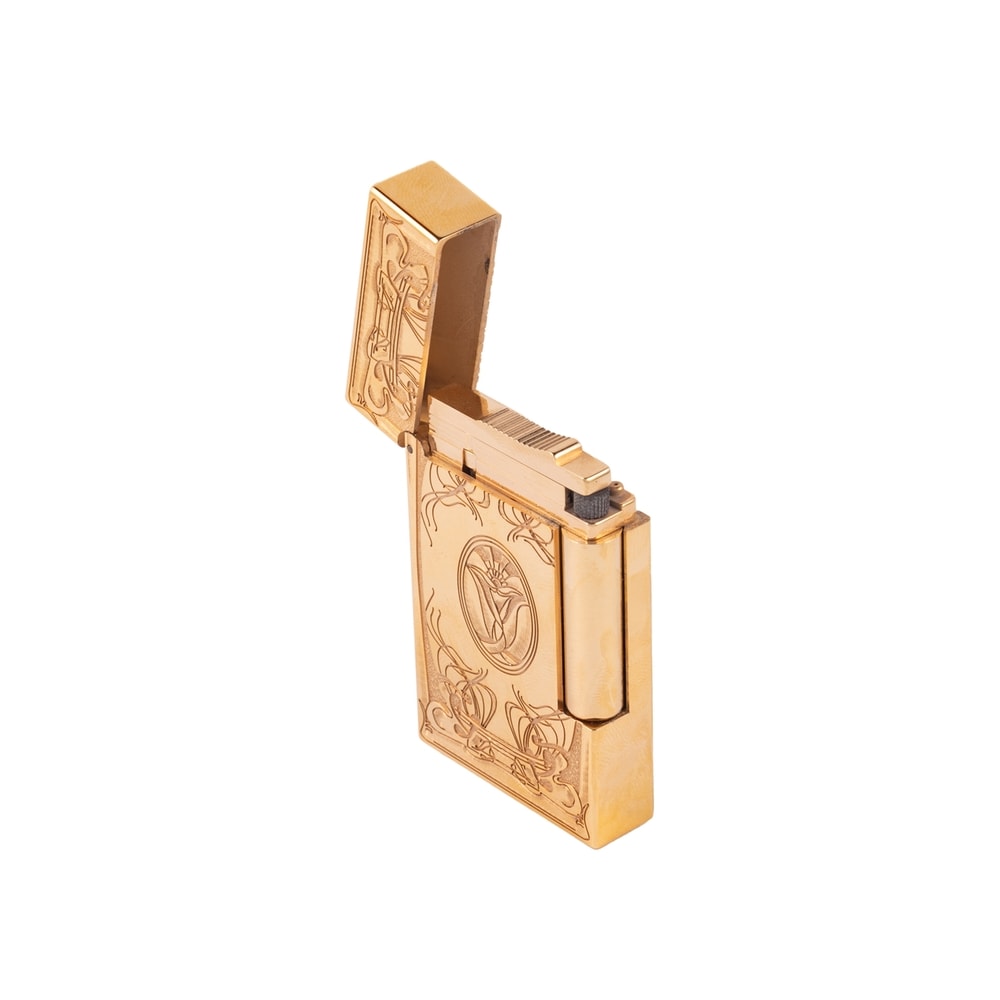
Cigar lighters are usually butane filled. You can get cigar lighters with one to three jets of flame. They can vary massively in price from $25, to over a thousand dollars for a tabletop lighter in ebony or jet!
They often have a cooler flame, allowing you to light delicate cigars without them burning away too fast. Some are windproof, like the Pipita Torch Lighter. Otherwise they work the same as a jet lighter.
PROS:
- Cooler flame heats delicate cigars more slowly
- Refillable
- Can refill at gas stations/hardware stores
- Long lasting flame
CONS:
- Use a lot of fuel quickly
- Not allowed on airplanes
18. Solar Mirror Lighter
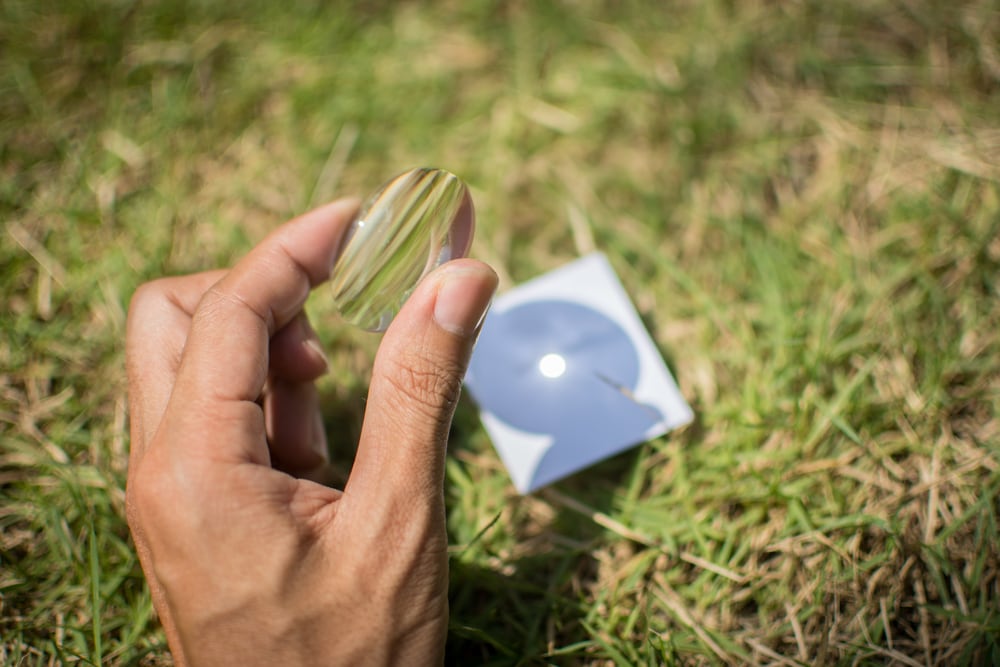
This clever design of lighter is based on the old survival trick of lighting a fire with a focussed lens in the sun. It is a convex mirror that focuses all of the sun’s rays into one point. You can then hold tinder in the correct spot and it will catch fire!
The solar mirror lighter has the added option of being usable as a signaling device. It is best used in sunny climates, for obvious reasons!
In the classic survival film and book “Lord of the Flies” by William Golding, Piggy’s glasses are used by the stranded boys to light a fire using the Sun’s rays.
PROS:
- Eco friendly!
- Needs no fuel
- Can take on airplanes
- Cheap (less than $10)
CONS:
- Does not work without sun!
19. Chinese Blowing Lighter
The Chinese Blowing LIghter works on a traditional Chinese design. You blow into one end to light it. The Chinese made these out of a copper tube packed with flammable tinder. This has a smouldering coal inside, which ignites when exposed to air.
Modern models are USB electric plasma powered. As the light is within the case it is quite windproof. These models are not the best for a survival situation. They are hard to light fires with.
It is flameless, too. Which means there’s less chance of woodland catching fire. If you run out of charge you may have to reach for your spare BIC however!
PROS:
- Unique
- Teaches fire lighting skills
CONS:
- Electric versions can be badly made and unreliable
- Risk of fire hazard with traditional version
20. Indian Fire Carrier
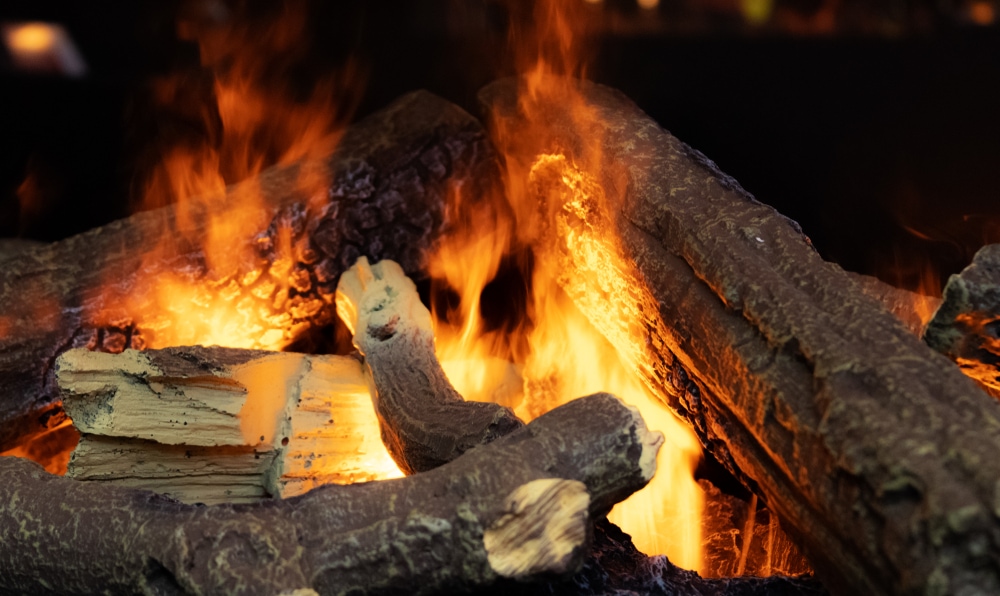
This manual way of lighting fires was developed and used by the First Nations people of America. It involves collecting tinder and adding a live ember. This is tightly packed inside a layer of damp moss. This is then placed carefully in a container such a buffalo horn or wrap of bark.
It is carried slung over the shoulder on twine as people move from one camp to another. If the ember is checked and allowed to air occasionally, fire can be carried this way for most of a day.
This is one for the seasoned bush crafter rather than an expedition hiker!
PROS:
- Can make out of local natural materials
- Eco friendly!
CONS:
- Fire risk if spilt
- Takes practice
- Can go out easily if not constantly checked
You May Also Like: How To Dispose Of Camping Propane Tanks
21. Catalytic Lighter
Catalytic lighters produce flameless heat by passing naphtha or methanol fuel vapor over a heated platinum coil. The coil glows hot enough to ignite whatever you hold against it, but no visible flame appears. The Ronson “Wonderlite,” patented in 1913, was an early commercial example and bridges the gap between modern butane lighters and historical petrol-fueled designs.
The mechanism relies on platinum’s catalytic property: hydrocarbon vapor in contact with hot platinum oxidizes and releases enough heat to keep the coil incandescent. Once started, the lighter self-sustains until the fuel runs out. Mainstream Western brands discontinued catalytic models decades ago, but the same platinum-catalyst technology survives in Japanese pocket warmers from Hakkin Warmers Co., sold under the Peacock brand since the 1920s, which a niche audience of pipe smokers and cold-weather travelers still values.
PROS:
- Silent and flameless, useful in windy outdoor conditions
- No piezo crystal or flint to wear out
- Sealed system with no spark-ignition failure points
- Distinctive collector appeal
CONS:
- Methanol is harder to source than butane in most regions
- Slow to start: 15-20 seconds for the coil to reach operating temperature
- Niche product, limited current production
- Methanol is toxic and flammable, requires careful storage
Best for: pipe smokers and collectors who want a flameless lighter for cold or windy use.
22. Lift-Arm Lighter
Lift-arm lighters use a single distinctive mechanism: lifting a small lever on the side exposes the wick and strikes the flint in one motion. Alfred Dunhill invented the design in 1926, and the Dunhill “Unique” model became one of the most-collected vintage petrol lighters of the 20th century.
The lighter runs on naphtha (the same petroleum-based fluid as a Zippo) fed through a wick. Pressing the lever down after use covers the wick and snuffs the flame, sealing the fuel chamber. Clean Dunhill Uniques sell at auction for $500 to $5,000 depending on case material, condition, and provenance. Silver and gold-plated examples sit at the top of the range.
PROS:
- Refillable indefinitely with standard naphtha
- Mechanically satisfying single-motion operation
- Strong collector market and stable resale value
- Built to last decades with simple wick and flint replacement
CONS:
- Expensive: entry-level vintage examples start around $500
- Not suited for daily use unless you commit to maintenance
- Naphtha evaporates between uses, requires refilling every 1-2 weeks
- Vintage seals can leak fuel onto a pocket or table
Best for: collectors and occasional users who want a working piece of 1920s industrial design.
23. Automatic Lighter
Automatic lighters fire and extinguish on a single button press: one motion lights the wick, releasing the button closes the lid and snuffs the flame. Louis V. Aronson patented the mechanism for Ronson in 1926, and the Ronson “Banjo” became the canonical example. The Banjo completed the historical mechanism progression from manual (separate strike + fuel feed), through semi-automatic (lid flip plus flint strike), to fully automatic (one button does both).
Original Banjo and “De-Light” models from the 1930s and 1940s still surface in working condition at antique sales. Modern butane torch lighters borrow the same single-button principle but use a piezoelectric igniter rather than a flint and naphtha wick.
PROS:
- True one-handed, one-motion operation
- Mechanical reliability when serviced
- No separate flick-and-spin step like a Zippo
- Historically significant collector piece
CONS:
- Vintage examples in working order are increasingly hard to find
- Naphtha-fueled originals leak more than later butane designs
- Modern butane successors have replaced the original automatic-naphtha class
- Replacement parts often need to be salvaged from donor lighters
Look for: a working Ronson Banjo with original springs and a clean wick channel.
24. Table / Desk Lighter
Table or desk lighters are designed to live in one place rather than ride in a pocket. They’re built for the home study, the office desk, the restaurant table, and the cigar lounge. Examples include the Ronson Touch-Tip, the Evans Trig-A-Lite, and the Dunhill Aldebaran, all from the 1930s through the 1950s.
The form factor trades portability for size and presence. A weighted brass or pewter base keeps the lighter from sliding when the lid is flipped one-handed. Cases come in chrome, lacquered wood, leather-wrapped metal, or polished stone. Most use refillable butane or naphtha, with a larger fuel reservoir than any pocket-size lighter. Modern restaurants have largely replaced these with disposable piezo torch lighters, so most table lighters today are vintage or collector pieces rather than current production.
PROS:
- Functions as a design object on a desk or table
- Larger fuel reservoir means weeks between refills
- Weighted base stays stable during one-handed operation
- Often built from premium materials (brass, silver, leather, stone)
CONS:
- Not pocket-portable by definition
- Most desirable examples are now vintage with collector pricing
- Replacement parts (flints, wicks) need separate sourcing
- Largely replaced in commercial settings by piezo torches
Best for: a permanent home or office lighter where presence matters as much as function.
25. IMCO Petrol Lighter
IMCO (Julius Meister & Co.) is the most-collected European naphtha lighter brand, founded in Vienna in 1907 and producing lighters from 1918 until the company closed in 2012. A short-lived Chinese revival ran from roughly 2017 to 2022. The Triplex 6700, in production since 1936, is the canonical reference model: a brushed-steel cylindrical body with a sliding fuel-tank cover that exposes the wick when pulled out. The basic mechanism is a flint wheel against ferrocerium, much like a Zippo, but the IMCO’s slimmer cylindrical case packs differently in a pocket.
Collectors value IMCOs as the smart entry point to vintage petrol lighters. Most working examples sell for $20 to $80, putting them on the Zippo durability tier at a fraction of the cost of a Dunhill or Ronson. The post-2017 Chinese revival had quality-control issues with seals and wheel tolerances, so collectors generally prefer the original Austrian production.
PROS:
- Genuinely indestructible mechanical design
- Refillable indefinitely with any standard naphtha
- $20-$80 entry price for original Austrian examples
- Slim cylindrical form fits a pocket better than a Zippo
CONS:
- Original Austrian production stopped in 2012
- Post-2022 Chinese revival had QC inconsistency
- Less brand recognition than Zippo in the US market
- Wick replacement requires partial disassembly
Look for: an Austrian-made Triplex 6700 with a clean wheel and intact fuel-tank seal.
How do you refill a butane lighter?
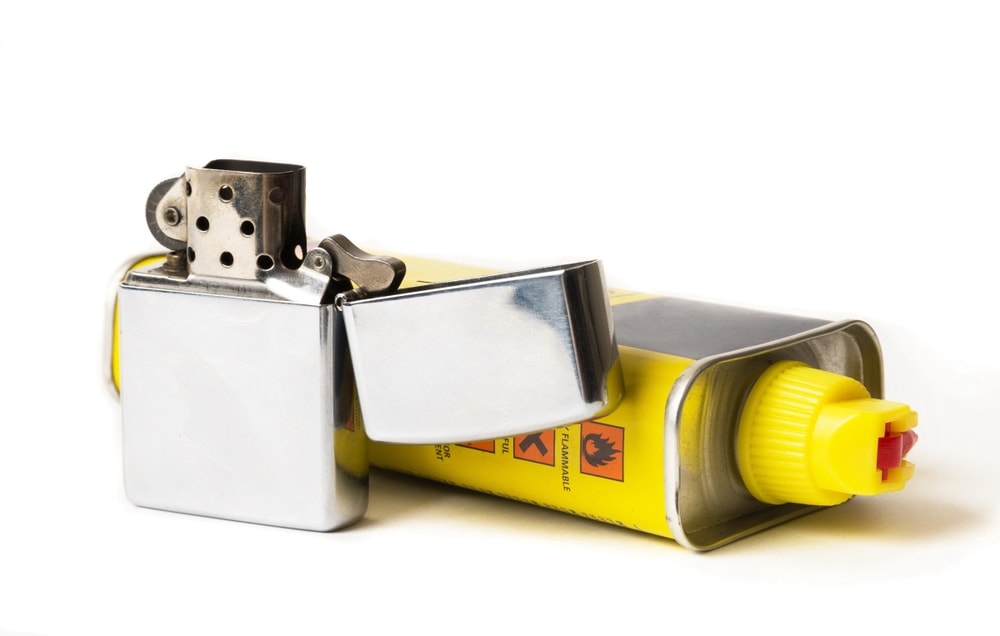
Here’s how to refill a butane lighter. Even cheap plastic disposable lighters like BICs can often be refilled, but it’s easier to refill good quality metal bodied lighters. Wait until your lighter is cool before refilling it. If you just used it, leave it to cool down.
- Use a small screwdriver to turn the flame height adjuster to minimum. This is found on the bottom of most liquid fuel lighters.
- Push in the refilling valve with a screwdriver. If you hear a hissing sound, wait til it has gone away.
- Turn the lighter upside down. This stops air getting in!
- Shake the refill can, press the refill can to the refill valve on the bottom of the lighter.
- Make sure it stays straight. Check the level after 5 seconds.
- Allow 5 minutes to let the fluid gas reach room temperature.
- Turn the flame adjuster screw back clockwise to the required height.
- Test the lighter. Repeat if needed.
How do I refill a Zippo style lighter?
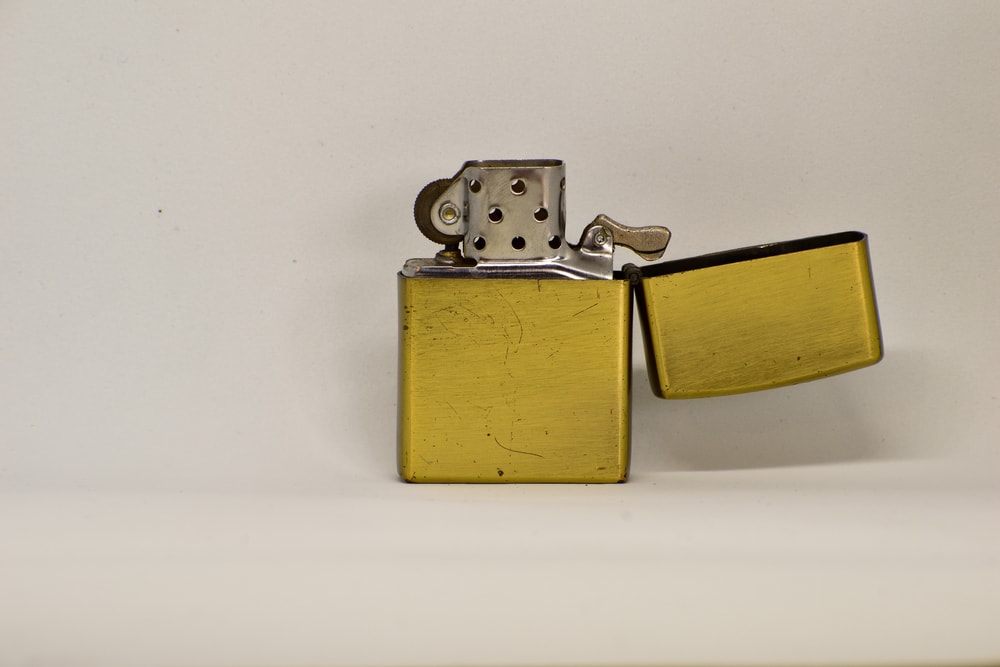
Zippo and windproof lighters use a different fuel – sold as Zippo lighter fuel. Though you can also use any good quality petroleum based lighter fluid. Here’s how to refill them.
You will need:
- A Zippo lighter ( or similar)
- Petroleum lighter fluid
- Small Flathead screwdriver
- Buy your lighter fluid. This is easily found online, or in a hardware store.
- Pull the lighter out of its case by the top half.
- Turn it upside down. Lift the lever that reads ‘LIFT TO FILL’. If it’s too stiff, use the screwdriver as a lever.
- Insert the nozzle of the lighter fluid into the compartment under the lever.
- Squirt lighter fluid in until the padding on the inside is damp.
- Remove the nozzle and close the lever.
- Reinsert lighter into case.
IMPORTANT: DON’T USE THE LIGHTER UNTIL IT’S BACK IN IT’S CASE! If it is not in its case, leaked fuel could cause it to explode!
How is a Zippo/Windproof lighter made?
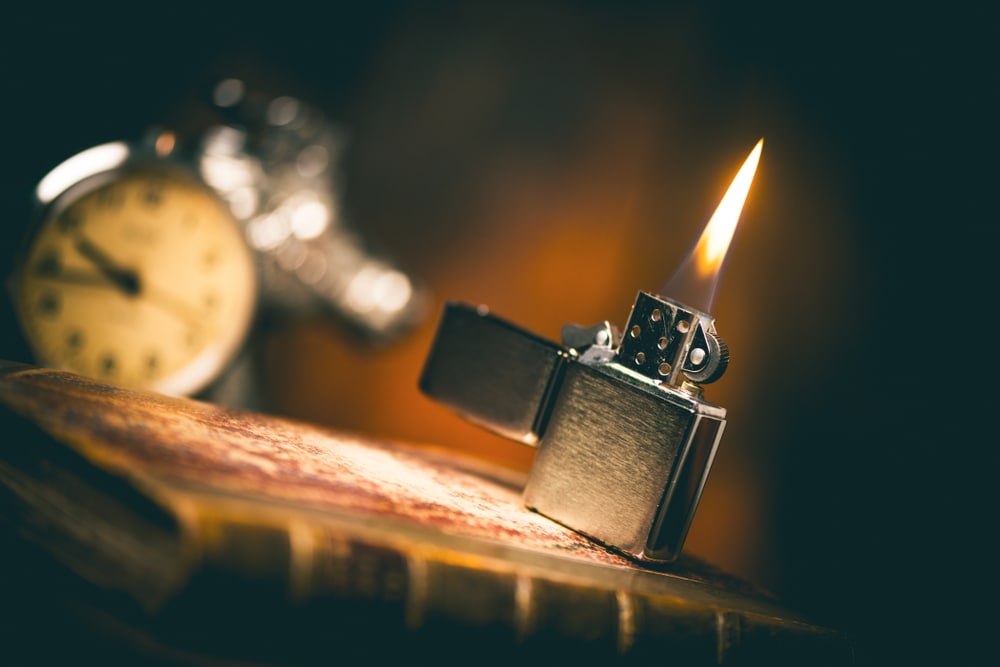
A lot goes into building a windproof Zippo design lighter. Hence the price tag! It’s an interesting process though, and will make you appreciate your Zippo more.
Zippo lighters are made in Bradford, Pennsylvania as they have been since 1933.
The Bradford factory turns out 70,000 Zippo lighters a day.
Case
- Large pieces of brass are shaped into the top and bottom of the case.
- The case is put in a nickel bath 5 times. This helps the chrome finish to stick to the casing.
- The case is left in the chrome finish bath for 4 minutes.
Lighter insert
- Holes are made in the metal lighter insert. This makes it windproof!
- The flint spring and flint wheel are added.
- The cotton and the wick are added. The wick is zig zagged through the cotton. This means it acts as a sponge for the lighter fuel.
Final touches
- The insert is put into each case.
- The fuel is added.
- Each lighter is carefully inspected before going on sale. Every one must make the trademark Zippo clicking noise!
You May Also Like: How Much Firewood Do I Need For Camping? Your Questions Answered
5 Of The Best Survival & Outdoor Lighters
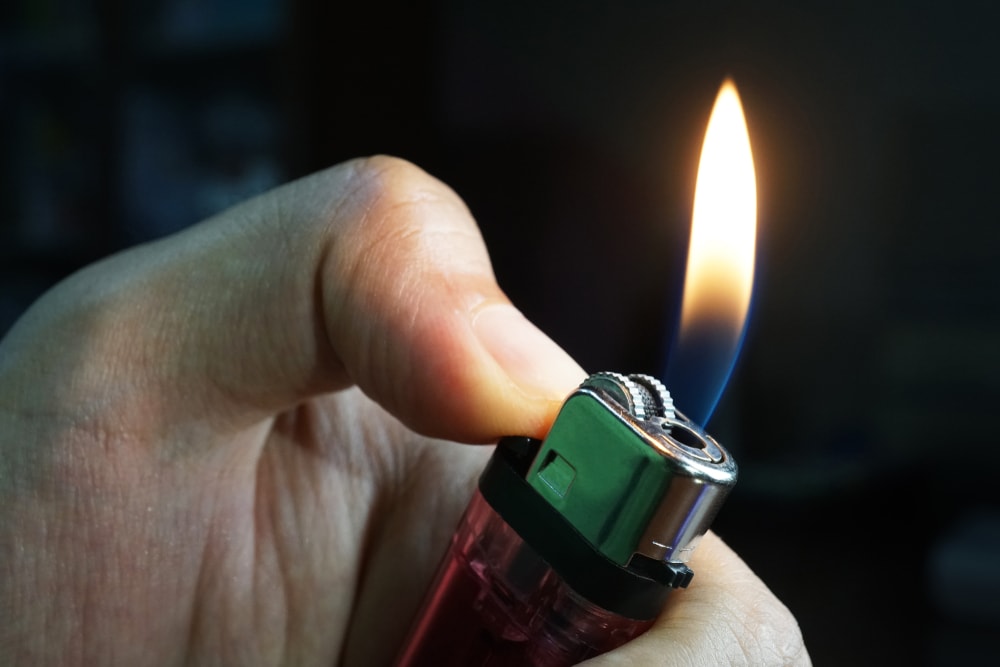
These lighters have been tested in the field and found to be best for various different outdoor situations. Read on to find your perfect match! I mean, lighter. Ha ha.
Best For Extreme Cold & Wind: Zippo Armor
This is the champion lighter for extremely cold conditions. It won’t freeze in sub zero temperatures. Such as you find in Russia or the Arctic! You can also use alternative fuel sources such as methylated spirits if you need to.
It’s very windproof and has a lifetime guarantee. One of these will set you back a cool $70-$150 however. You will be annoyed if you lose it! You can get a less expensive Zippo for around $30.
They come in a big range of styles and colors. All of which are very cool.
Best Budget Survival Lighter: BIC Disposable!
BIC lighters are pretty reliable, easy to use and (whoo-hoo) very cheap. You can buy them in multipacks of 5 for as little as 5 or 6 dollars.
They work safety at a 45% angle. They are easy and comfortable to use. They store really well and don’t leak. If you lose one, you have more (if you are sensible!).
Stash a pack of these as backup lighters in case of power failure. They also light fires quite well. They will run out of fuel and aren’t that easy to refill however.
Best For Hiking: Explore Arc Lighter
The Explore Arc Lighter is a rugged lighter that’s waterproof for 15 minutes. As long as the top lid is clipped down!
It’s an electric lighter with two coils. It can be used to light fires, as it comes with a paratinder lanyard. This helps you transfer the ember created by the electric current to your fire tinder.
It’s wind resistant as it doesn’t use a naked flame.
It also comes with a neat whistle on a neck lanyard!
You can get one for £13.69/$16.86 on Amazon.
Best For Long Term Survival/Prepping: UCO Stormproof Torch Lighter
The UCO Stormproof Lighter is one tough customer. It’s got an ultra waterproof, windproof and shockproof case made of Acrylonitrile. It clips on anything you have with a carabiner. It helps that it’s bright yellow, so it is hard to lose!
It’s butane powered and refillable. The piezo electric ignition is said to last for 30,000 ignitions. It holds enough butane for 700 ignitions.
Best Waterproof Lighter: UST Floating Gas Lighter
The Ultimate Survival Technologies Gas lighter floats if dropped in water. This is the handiest lighter to have if you are boating, canoeing, or doing some other water related activity such as fishing. Living in Britain or Wales probably qualifies too!
It’s windproof up to 80 mph and works well up to 8,000 feet. Some reviews say it does not work well above this height. Better for the lower level wet places then!
Fun Facts!
- The first ever lighter was made by Johann Wolfgang Dobereiner in 1823. It was named “Döbereiner’s Lamp.” It was very dangerous to operate! Before that, people just had matches.
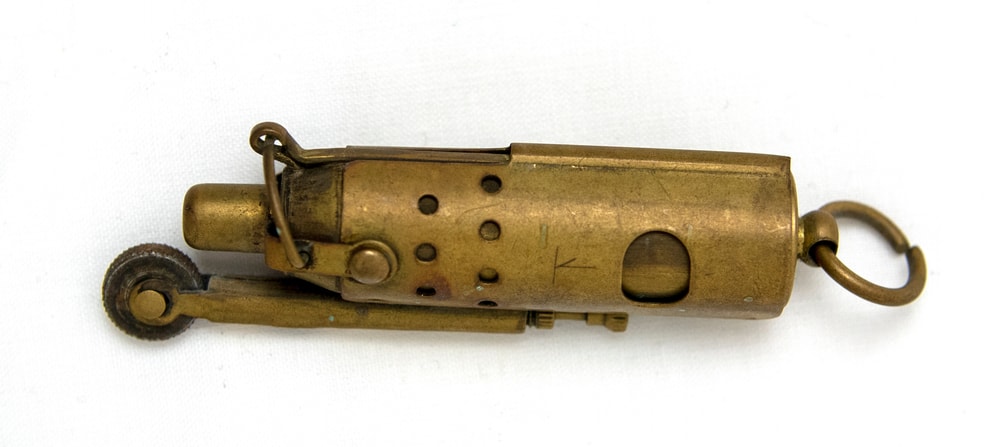
- Lighters were made from discarded bullet casings in WW1. They didn’t give soldiers positions away in the trenches like matches did.
- The biggest lighter made so far goes to the Giant BIC made by Brainfoo TV. It is rated at 500,000 BTU’s!
- The most popular and iconic lighter ever made is the Zippo Brass Lighter. However, the inventor nearly went bankrupt to start with as he started production in the Great Depression! The soldiers gave it their vote in WW2 and the rest is history.
- The biggest collection of lighters is the one belonging to Francis Hearle of Belgium. He has a grand total of 58259 according to the Guinness Book of Records!
Below is a WW1 lighter made from an old bullet case. A real piece of history!
Types of Lighters FAQ
How hot is the blue flame of a lighter?
The blue part of a lighter flame is the hottest part. It’s around 1700 degrees. Make sure to hold what you want to set alight in the blue part of the flame. Unless you don’t want it really hot!
How much butane is in a single lighter?
One plastic disposable lighter contains on average 7.25 mL of butane. This doesn’t mean milliliters! That’s why there’s a big ‘L’. It stands for Moles, which is the measuring unit for pressurized gas such as butane. The pressured gas for lighters needs to be at 45 psi.
What are the components of a lighter?
It depends on the type of lighter! A basic plastic disposable lighter is made of a plastic chamber with petroleum lighter fuel in it, and an ignition system in the metal cap. This will be either a metal spark wheel and a tiny piece of spark flint, or a tiny piece of quartz that creates an electric current.
What’s the point in a double flame lighter?
Double flame lighters are useful for heating or setting light to things with a large surface area. Cigars, for example! It may mean you can light tinder more quickly, too. Just be aware they will also use twice as much fuel asa single flame lighter.
How do I adjust the flame height on a lighter?
If the flame is adjustable, there is very often an adjustment screw on the bottom of the lighter. This is most likely in refillable metal lighters that are made to last.
How do you make a lighter flame go green?
Green flames can be a sign of carbon monoxide. You can make a Zippo lighter flame go green by adding boric acid to your lighter fuel. Or copper can also make a flame go green.